
The Brain's Nightly Wash Cycle: How Deep Sleep Clears Cellular Waste
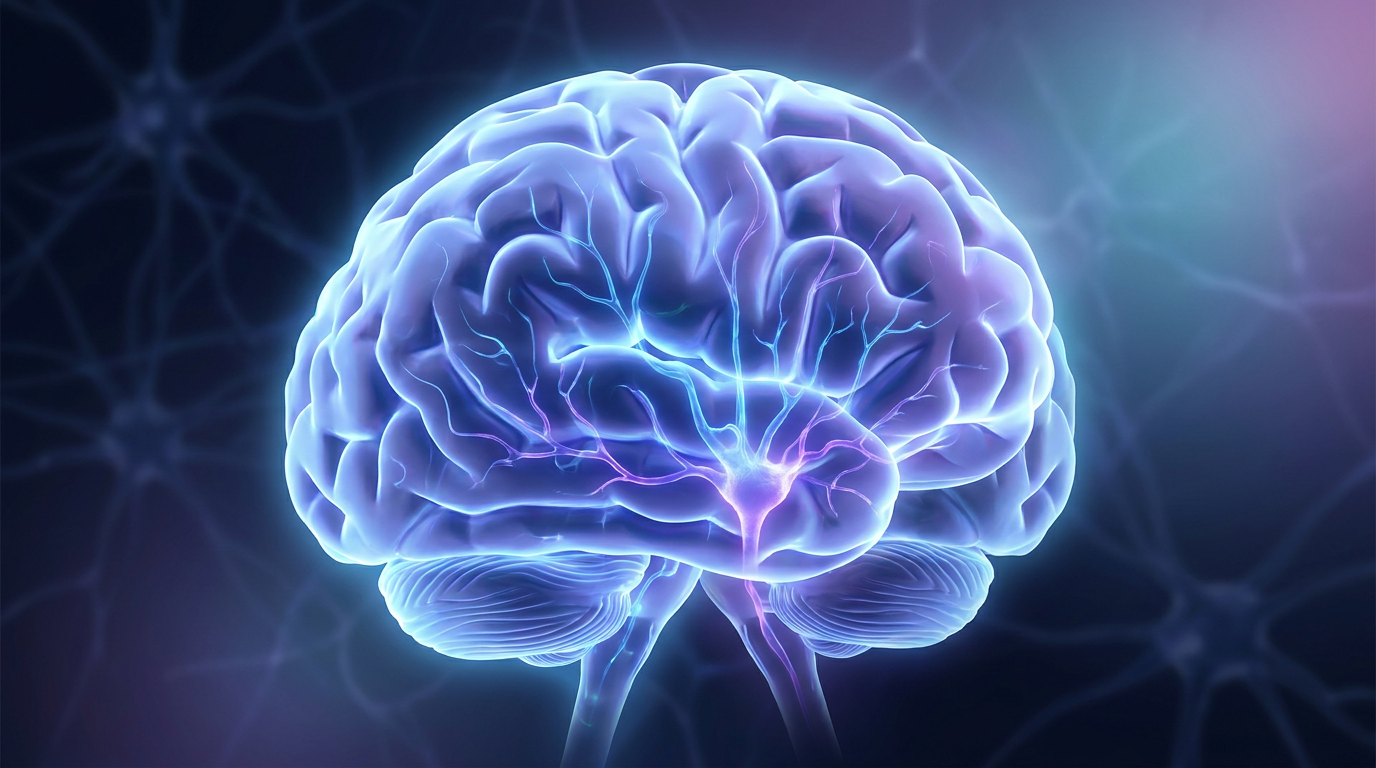
Scientists have mapped the 'glymphatic system,' a biological plumbing network that flushes toxins from the brain during deep sleep. Understanding this mechanism offers new ways to protect cognitive longevity and prevent neurodegenerative decline.
By Factlen Editorial Team
- Neuroscientists & Sleep Researchers
- Focus on the biological mechanisms of the glymphatic system and its potential to explain and prevent neurodegenerative diseases.
- Longevity & Optimization Advocates
- View sleep architecture as a measurable metric to be optimized through protocols, wearables, and environmental control.
- Public Health Experts
- Emphasize the societal impact of chronic sleep deprivation and the need for broader education on sleep hygiene.
What's not represented
- · Shift workers who cannot maintain natural circadian rhythms
- · Individuals suffering from chronic insomnia
Why this matters
Sleep is often viewed as a passive period of rest, but it is actually an active, critical cleaning phase for your brain. Optimizing for deep sleep can actively reduce the buildup of proteins associated with cognitive decline and improve daily mental clarity.
Key points
- The brain lacks a traditional lymphatic system and relies on the 'glymphatic system' to clear waste.
- During deep sleep, brain cells shrink by up to 60%, allowing cerebrospinal fluid to wash away toxins.
- This washing process clears amyloid-beta, a protein linked to Alzheimer's disease.
- Alcohol and high room temperatures severely disrupt the deep sleep required for this cleaning cycle.
- Prioritizing sleep quality is a highly effective intervention for long-term cognitive longevity.
For decades, the biological imperative of sleep remained one of science's most stubborn mysteries. While the restorative effects of a good night's rest are universally felt, the exact mechanical reason why the brain demands offline time was elusive. Researchers understood that sleep consolidated memories and regulated metabolism, but the fundamental, physical necessity of losing consciousness for a third of our lives lacked a complete anatomical explanation.[3][6]
That changed dramatically with the discovery of the "glymphatic system," a macroscopic waste clearance network in the brain. Unlike the rest of the body, which relies on the lymphatic system to clear cellular exhaust and immune debris, the brain is locked in a rigid skull and separated by the blood-brain barrier, devoid of traditional lymphatic vessels.[2]
Instead, the brain evolved a highly specialized plumbing system that piggybacks on its blood vessels. This system pumps cerebrospinal fluid (CSF) through the brain's dense tissue, physically washing away the toxic byproducts of daytime cognitive labor. It is a biological dishwasher that only runs when the house is quiet.[2][7]
The mechanism is remarkably elegant. During waking hours, the brain is an energy-hungry engine, consuming roughly 20% of the body's total metabolic output despite accounting for only 2% of its mass. This intense, continuous activity produces metabolic waste, including proteins like amyloid-beta and tau.[3]
If left to accumulate, these specific proteins form the plaques and tangles heavily associated with neurodegenerative conditions, most notably Alzheimer's disease. The brain desperately needs a way to take out the trash, but doing so while the neural engine is running at full capacity is biologically impossible.[7]
Enter the glymphatic system, named for the "glial" cells that control it. Astrocytes, a specialized type of glial cell, form a network of microscopic tubes around the brain's arteries and veins. These cells act as the gatekeepers for fluid movement throughout the central nervous system.[2]
When we fall asleep, a profound physical transformation occurs. The brain's cells literally shrink, expanding the interstitial space between them by up to 60%. This sudden widening opens the floodgates, allowing cerebrospinal fluid to rush through the brain tissue and flush the accumulated waste into the bloodstream, where it is eventually processed by the liver.[2][4]

However, this deep-cleaning cycle does not happen continuously or evenly throughout the night. It is highly dependent on a specific phase of rest: slow-wave sleep, commonly known as deep sleep. This phase typically dominates the first half of the night.[5][6]
However, this deep-cleaning cycle does not happen continuously or evenly throughout the night.
During slow-wave sleep, the brain's electrical activity synchronizes into large, rhythmic delta waves. These slow electrical pulses coordinate perfectly with blood flow. As blood volume in the brain drops slightly with each wave, cerebrospinal fluid rushes in to fill the space, creating a literal pumping action that drives the washing process.[4]
This means that sleep quality is just as critical as sleep duration. A person might spend eight hours in bed, but if their sleep architecture is fragmented and they fail to reach sufficient deep sleep, the glymphatic system cannot perform its nightly flush. The dishwasher is loaded, but the cycle never starts.[1][6]

The evidence linking this process to long-term cognitive health is robust and growing rapidly. Human studies utilizing advanced PET scans have demonstrated that even a single night of sleep deprivation leads to a measurable increase in amyloid-beta burden in the brain, particularly in regions associated with memory.[3][7]
Conversely, individuals who consistently achieve the optimal 1.5 to 2 hours of deep sleep per night show significantly lower levels of these neurotoxic proteins as they age. This suggests that prioritizing deep sleep is one of the most effective, accessible interventions for preserving cognitive longevity.[5]
Despite these breakthroughs, uncertainties remain in the field. Researchers are still untangling whether the accumulation of waste proteins is the primary root cause of neurodegeneration, or if the failure of the glymphatic system is merely a symptom of broader, systemic aging processes.[7]
Furthermore, while animal models clearly show the mechanical flow of the glymphatic system in real-time, observing the exact fluid dynamics in living human brains remains technologically challenging. Advanced functional MRI techniques are closing this gap, but the microscopic resolution required is still at the edge of current imaging capabilities.[4]
For the general public, the actionable takeaways from this science are immediate and empowering. The goal is not just to spend time unconscious, but to protect the specific physiological conditions that allow slow-wave sleep to flourish.[1]
Alcohol, for instance, is a notorious disruptor of sleep architecture. While it may act as a sedative and hasten the onset of sleep, it heavily suppresses both REM and deep sleep phases, effectively turning off the brain's washing machine even if the person remains asleep for eight hours.[6]

Temperature also plays a vital role. The body needs to drop its core temperature by about 2 to 3 degrees Fahrenheit to initiate and maintain deep sleep. A cool sleeping environment directly supports the physiological triggers for slow-wave activity, signaling to the brain that it is time to begin the clearance cycle.[5]
How we got here
1950s
Scientists discover REM sleep and begin mapping the distinct stages of human sleep architecture.
2012
Researchers at the University of Rochester Medical Center first identify and name the 'glymphatic system' in mice.
2013
A landmark study in 'Science' proves that sleep actively drives metabolite clearance from the adult brain.
2019
Human studies using advanced imaging confirm that slow electrical brain waves during sleep trigger the flow of cerebrospinal fluid.
Viewpoints in depth
Neuroscientists & Sleep Researchers
Focus on the biological mechanisms of the glymphatic system and its potential to explain and prevent neurodegenerative diseases.
For the academic and medical research community, the discovery of the glymphatic system represents a missing link in understanding neurodegenerative diseases. Researchers argue that the accumulation of amyloid-beta and tau proteins is not just a random byproduct of aging, but a mechanical failure of the brain's nightly clearance system. Their focus is on developing pharmacological or behavioral interventions that can artificially enhance slow-wave sleep or stimulate glymphatic flow in aging populations to stave off Alzheimer's and dementia.
Longevity & Optimization Advocates
View sleep architecture as a measurable metric to be optimized through protocols, wearables, and environmental control.
The longevity and biohacking communities view the glymphatic system as a biological mechanism that can be actively managed for peak performance. Rather than waiting for cognitive decline, this camp emphasizes proactive optimization. They rely heavily on consumer sleep trackers to measure deep sleep duration and advocate for strict sleep hygiene protocols—such as temperature-controlled mattresses, blue-light blocking glasses, and the complete elimination of alcohol before bed—to maximize the brain's nightly wash cycle.
Public Health Experts
Emphasize the societal impact of chronic sleep deprivation and the need for broader education on sleep hygiene.
Public health officials view the science of sleep through the lens of population health. They argue that modern society—with its emphasis on constant connectivity, shift work, and artificial lighting—is fundamentally hostile to the biological requirements of the glymphatic system. This perspective advocates for structural changes, such as later school start times, better labor protections for shift workers, and public awareness campaigns that treat sleep deprivation as a critical public health crisis rather than a badge of productivity.
What we don't know
- Whether the failure of the glymphatic system is the primary cause of Alzheimer's, or a secondary symptom of the disease.
- Exactly how glymphatic flow changes in living human brains over decades, as current imaging tech is mostly limited to animal models or short-term human scans.
- If pharmacological sleep aids that induce unconsciousness provide the same quality of glymphatic clearance as natural slow-wave sleep.
Key terms
- Glymphatic System
- A macroscopic waste clearance system that utilizes a system of perivascular channels to promote efficient elimination of soluble proteins and metabolites from the central nervous system.
- Cerebrospinal Fluid (CSF)
- A clear, colorless body fluid found in the brain and spinal cord that acts as a cushion and a fluid medium for clearing waste.
- Slow-Wave Sleep
- The deepest phase of non-REM sleep, characterized by synchronized, low-frequency delta brain waves, during which the body repairs tissues and the brain clears waste.
- Amyloid-beta
- A metabolic waste protein produced by normal brain activity that, if not cleared properly, can clump together to form plaques associated with Alzheimer's disease.
- Astrocytes
- Star-shaped glial cells in the brain and spinal cord that play a critical role in controlling the flow of cerebrospinal fluid through the glymphatic system.
Frequently asked
What is the glymphatic system?
It is a waste clearance network in the brain that uses cerebrospinal fluid to flush out toxic proteins and metabolic waste, primarily during deep sleep.
How much deep sleep do I need?
Most healthy adults require roughly 1.5 to 2 hours of deep (slow-wave) sleep per night to allow for adequate cognitive restoration and waste clearance.
Does alcohol help you sleep better?
No. While alcohol acts as a sedative that can make you fall asleep faster, it severely disrupts sleep architecture, suppressing the deep sleep needed for brain cleansing.
Can I catch up on deep sleep on the weekends?
While you can recover some sleep debt, the brain's waste clearance is most effective when it operates on a consistent, nightly rhythm rather than binge-sleeping.
Sources
Source coverage
7 outlets
3 viewpoints surfaced







[1]Factlen Editorial TeamLongevity & Optimization Advocates
Synthesis by Factlen editorial team
Read on Factlen Editorial Team →[2]ScienceNeuroscientists & Sleep Researchers
Sleep Drives Metabolite Clearance from the Adult Brain
Read on Science →[3]National Institutes of HealthPublic Health Experts
Brain Basics: Understanding Sleep
Read on National Institutes of Health →[4]Nature NeuroscienceNeuroscientists & Sleep Researchers
Coupled electrophysiological, hemodynamic, and cerebrospinal fluid oscillations in human sleep
Read on Nature Neuroscience →[5]Sleep Research SocietyPublic Health Experts
Sleep architecture and the role of slow-wave sleep in cognitive health
Read on Sleep Research Society →[6]Harvard Medical SchoolPublic Health Experts
The Characteristics of Sleep Architecture
Read on Harvard Medical School →[7]The Lancet NeurologyNeuroscientists & Sleep Researchers
The glymphatic system in central nervous system health and disease
Read on The Lancet Neurology →

More in health
See all 5 stories →


Every angle. Every day.
Get health stories with full source coverage and perspective breakdowns delivered to your inbox.