
The US-Iran Peace Framework: What's in the Deal to End the War
The United States and Iran have reached a preliminary memorandum of understanding to halt a three-month war, reopen the Strait of Hormuz, and resume nuclear negotiations.
By Factlen Editorial Team

- U.S. Administration
- Argues the deal secures a permanent end to Iran's nuclear ambitions and stabilizes global energy markets without committing U.S. taxpayer dollars.
- Iranian Moderates
- Frames the agreement as a necessary pragmatic step to end a devastating war and rescue the struggling economy.
- Israeli Security Establishment
- Views the framework with deep alarm, arguing it prematurely rewards Tehran and fails to dismantle proxy networks.
- U.S. Congressional Skeptics
- Demands rigorous oversight of the unreleased text, fearing the financial incentives will enrich a hostile regime.
What's not represented
- · Lebanese civilians affected by the buffer zone
- · Gulf states funding the reconstruction
- · Commercial shipping operators
Why this matters
The reopening of the Strait of Hormuz promises immediate relief to global energy markets and inflation, while the 60-day ceasefire halts a devastating regional war. However, if the fragile framework collapses over nuclear verification or regional proxy disputes, the Middle East risks plunging back into an economically paralyzing conflict.
Key points
- The U.S. and Iran have electronically signed a preliminary memorandum of understanding to halt their three-month war.
- The agreement establishes a 60-day ceasefire and reopens the Strait of Hormuz to commercial shipping.
- Iran has reportedly agreed to halt uranium enrichment and allow IAEA inspectors to return.
- Financial incentives for Iran include the release of frozen assets and a potential Gulf-backed reconstruction fund.
- The deal faces intense skepticism from U.S. congressional Republicans and Israeli officials.
After nearly three months of intense warfare, the United States and Iran have electronically signed a preliminary memorandum of understanding (MOU) to halt hostilities. The agreement, brokered by regional mediators including Pakistan and Qatar, establishes a 60-day ceasefire and sets the stage for a formal signing ceremony in Geneva, Switzerland, on Friday.[1][4]
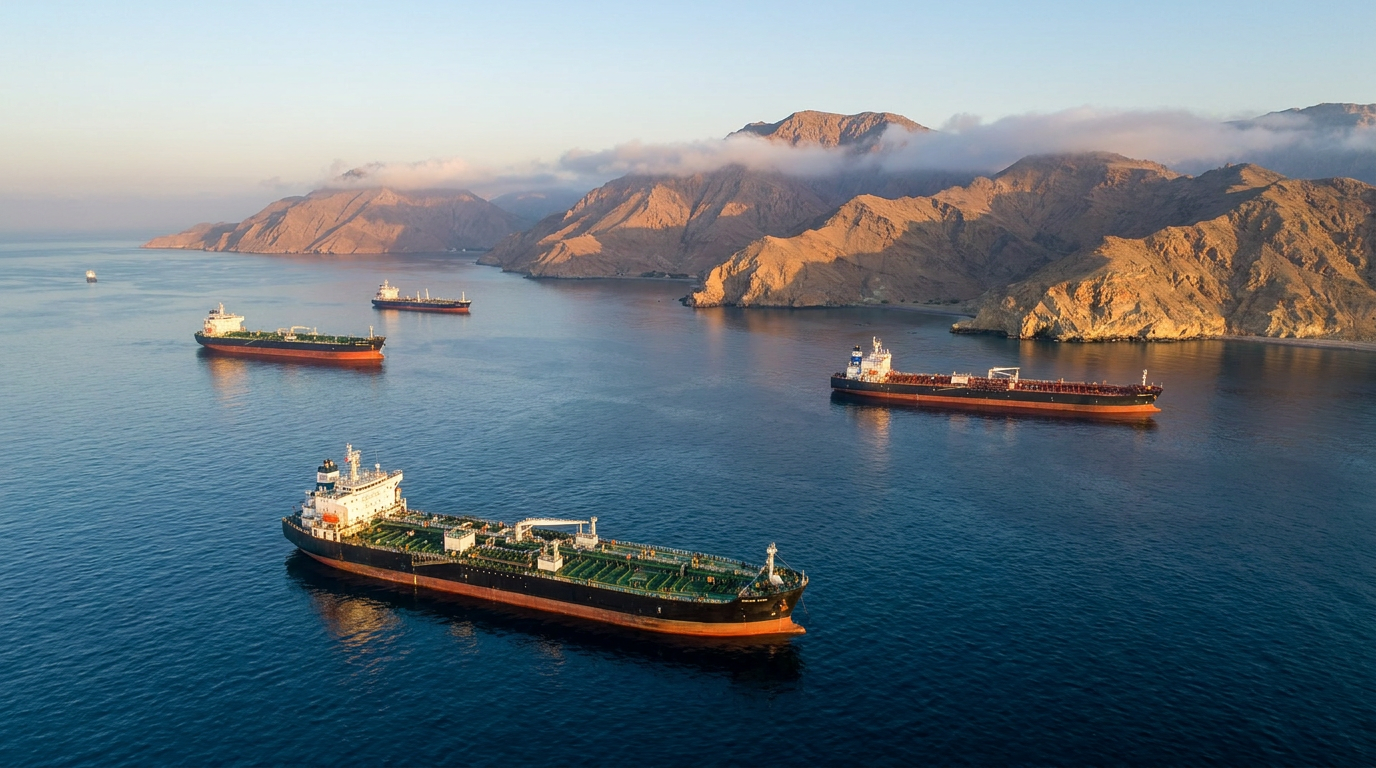
The conflict, which erupted on February 28, 2026, following joint U.S. and Israeli airstrikes on Iranian targets, quickly spiraled into a regional crisis. It choked off the Strait of Hormuz—a critical maritime chokepoint where a significant portion of the world's oil flows—sending global energy markets into turmoil and forcing nations like Japan to raise interest rates to a 31-year high of 1% to combat war-induced inflation.[2][4]
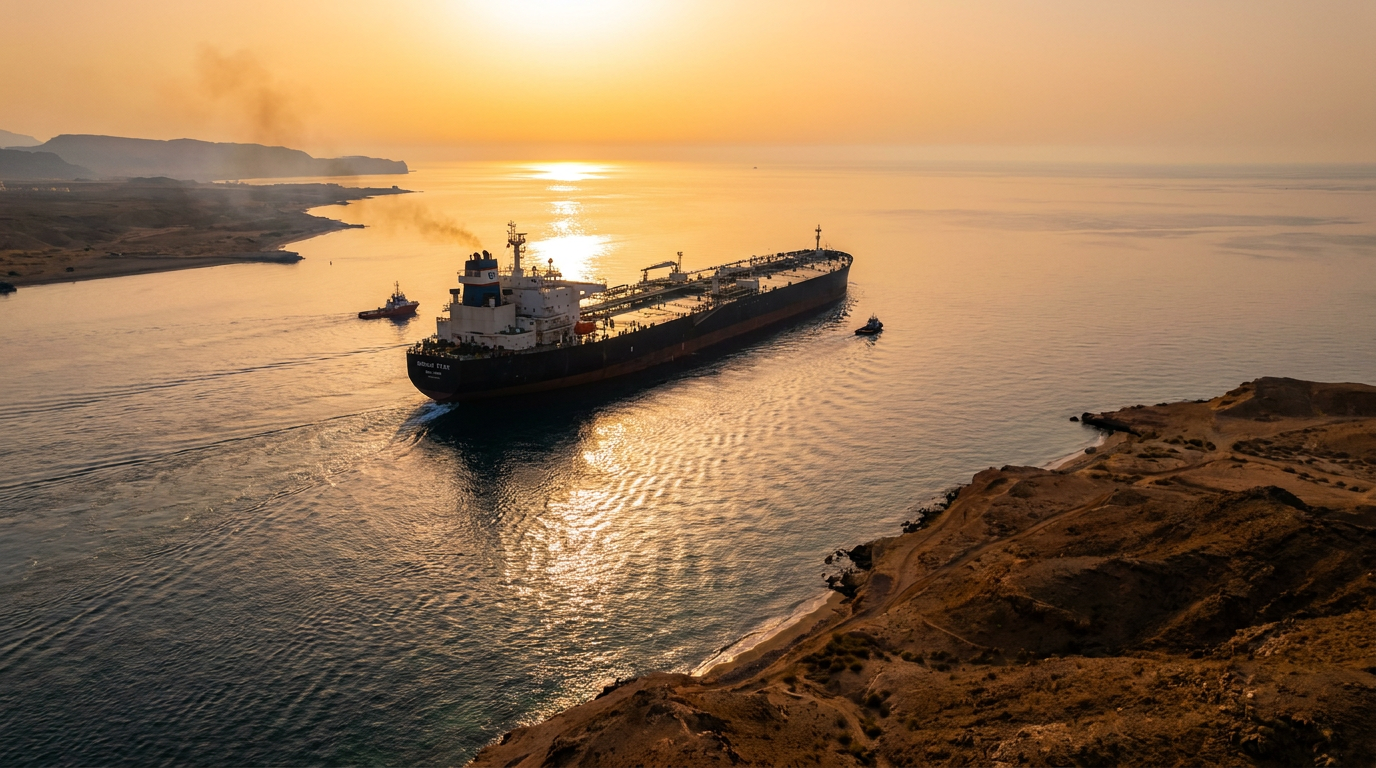
The immediate mechanism of the MOU focuses on de-escalation and economic relief. The United States has agreed to lift its naval blockade on Iranian ports, while Tehran has committed to reopening the Strait of Hormuz to commercial shipping toll-free. U.S. President Donald Trump, who announced the deal on his 80th birthday, declared that the strait would be "completely open" by Friday, urging the world's ships to "start your engines."[1][4][5]

Beyond maritime security, the framework attempts to address the root cause of decades of tension: Iran's nuclear program. According to U.S. Vice President JD Vance, the agreement mandates the return of International Atomic Energy Agency (IAEA) inspectors to Iran. The IAEA is the United Nations watchdog responsible for verifying that nuclear technology is not being weaponized.[1]
Vance asserted that a core component of the deal requires Iran to destroy its stockpile of highly enriched uranium—a crucial step in preventing the development of a nuclear weapon. Iranian officials have indicated that Tehran has agreed to maintain the nuclear status quo, halting further enrichment and facility expansion during the 60-day negotiation window. The White House has emphasized that the current MOU is only a framework, with detailed nuclear talks set to begin immediately.[1][3][4]
In exchange for these concessions, the framework outlines significant financial incentives, though the exact figures remain contested. Iranian media reports suggest the draft includes the release of up to $24 billion in frozen Iranian assets. Furthermore, U.S. officials have floated the possibility of a $300 billion reconstruction fund for Iran, which Vance noted would be financed by neighboring Gulf states and strictly tied to Tehran meeting its obligations.[1][6]

In exchange for these concessions, the framework outlines significant financial incentives, though the exact figures remain contested.
The MOU's reach extends beyond the U.S. and Iran, attempting to cool the broader regional proxy war. The draft reportedly includes provisions for a ceasefire in Lebanon, where Israel and the Iranian-backed militant group Hezbollah have been engaged in fierce fighting since the war's outbreak. Displaced Lebanese civilians have already begun cautiously returning to their homes in the south following the announcement.[4][7]
However, the inclusion of Lebanon has sparked immediate friction. Israel, which was not directly involved in the U.S.-Iran negotiations, has expressed deep concern over the terms. Israeli officials have signaled that the military will not withdraw from the buffer zones they currently occupy in southern Lebanon, complicating the prospects for a comprehensive regional truce.[4][7]
Domestically, the agreement faces intense scrutiny in the United States. Senate Republicans, including Majority Leader John Thune and Senator Lindsey Graham, have voiced skepticism, demanding full transparency regarding the financial incentives and the enforcement mechanisms for Iran's nuclear rollback. Lawmakers have stressed that they need thorough briefings before the deal is finalized.[1]

The political sensitivity is heightened by memories of the 2015 nuclear accord, which Trump withdrew from during his first term. Critics of the new MOU fear a repeat of what they characterize as unearned sanctions relief, prompting the administration to emphasize that no funds have been released yet and that Iran will not receive financial benefits unless it performs its obligations.[1][5]
The political battle is equally fierce in Tehran. Iranian media is sharply divided, with moderate outlets celebrating the deal as a victory that shatters the country's economic isolation while preserving its core nuclear infrastructure. Conversely, hardline factions view the concessions as a dangerous retreat from Iran's red lines, warning against trusting American promises.[6]
Despite the political hurdles, global markets reacted with immediate relief. Oil prices plummeted by roughly 5% as traders priced in the return of unimpeded Gulf shipping. Yet, shipping companies remain cautious, with industry experts noting that it will take weeks of verifiable safety before vessels fully resume transit through the recently contested waters.[1][5]
The next 60 days will test whether this preliminary framework can evolve into a durable peace treaty. Negotiators must bridge massive gaps on sanctions relief, verification protocols, and regional security guarantees. If the ceasefire holds, it could fundamentally reshape Middle Eastern geopolitics; if it collapses, the region risks plunging back into a devastating and economically paralyzing war.[1][4]
How we got here
Feb 28, 2026
U.S. and Israel launch joint military strikes on Iran, sparking a three-month regional war.
Mar 2, 2026
Hezbollah fires rockets at Israel, opening a second front in Lebanon.
Jun 14, 2026
U.S. and Iran electronically sign the preliminary memorandum of understanding.
Jun 15, 2026
Global markets rally and oil prices drop as the impending ceasefire is announced.
Jun 19, 2026
Formal in-person signing ceremony scheduled in Geneva, Switzerland.
Viewpoints in depth
U.S. Administration's view
The White House argues the deal secures a permanent end to Iran's nuclear ambitions and stabilizes global energy markets.
U.S. officials emphasize that the framework achieves core security goals without committing American taxpayer dollars. By relying on Gulf financing and strict performance benchmarks, the administration believes it can verifiably dismantle Iran's nuclear program while reopening critical maritime trade routes.
Iranian Moderates' view
Pro-diplomacy factions in Tehran frame the agreement as a necessary pragmatic step to end a devastating war.
Moderate Iranian outlets celebrate the deal as a victory that shatters the country's economic isolation. They argue that lifting the crippling naval blockade and unfreezing billions in assets will rescue the struggling economy, all while preserving Iran's core civilian nuclear infrastructure.
Israeli Security Establishment's view
Israel views the framework with deep alarm, arguing it prematurely rewards Tehran.
Israeli officials are highly skeptical of the U.S.-brokered truce, particularly its inclusion of Lebanon. The security establishment argues that the deal fails to dismantle Iran's proxy networks and has vowed to maintain military pressure on Hezbollah, refusing to withdraw from occupied buffer zones in southern Lebanon.
U.S. Congressional Skeptics' view
Republican lawmakers demand rigorous oversight, fearing the financial incentives will enrich a hostile regime.
Congressional skeptics warn against repeating the perceived mistakes of the 2015 nuclear accord. They are demanding full transparency on the unreleased text, expressing concern that releasing frozen assets or establishing a reconstruction fund will empower Iran before irreversible destruction of its nuclear program is achieved.
What we don't know
- The exact text of the memorandum of understanding, which remains unreleased.
- Whether Israel will comply with the proposed ceasefire provisions in Lebanon.
- The specific verification mechanisms the IAEA will use to ensure Iran destroys its highly enriched uranium.
Key terms
- Memorandum of Understanding (MOU)
- A formal, non-binding agreement outlining the broad terms and shared goals of a negotiated settlement before a final treaty is drafted.
- Strait of Hormuz
- A narrow maritime chokepoint between the Persian Gulf and the Gulf of Oman through which a significant portion of the world's oil supply passes.
- IAEA
- The International Atomic Energy Agency, the United Nations watchdog responsible for monitoring and verifying civilian nuclear programs.
- Highly Enriched Uranium
- Uranium that has been processed to a purity level suitable for use in nuclear weapons, a key focus of non-proliferation efforts.
Frequently asked
Is the war completely over?
The agreement establishes a 60-day ceasefire to halt hostilities, but a permanent peace treaty depends on resolving complex nuclear and regional security issues during upcoming negotiations.
Will gas prices go down?
Oil prices dropped nearly 5% immediately after the announcement, and the reopening of the Strait of Hormuz is expected to ease global energy costs, though shipping companies may take weeks to fully resume transit.
Does this deal give Iran a nuclear weapon?
No. According to U.S. officials, the framework requires Iran to destroy its highly enriched uranium stockpile and allows international inspectors to return to verify compliance.
Sources
Source coverage
7 outlets
4 viewpoints surfaced






[1]The GuardianU.S. Congressional Skeptics
Vance says details of US-Iran agreement still to be worked out amid scepticism from Republicans
Read on The Guardian →[2]NYTU.S. Congressional Skeptics
Japan Raises Rates to 31-Year High to Ward Off War Inflation
Read on NYT →[3]Al JazeeraU.S. Administration
US says Iran nuclear talks begin after framework deal signing
Read on Al Jazeera →[4]The Times of IsraelIsraeli Security Establishment
US, Iran reach deal to end war, which mediator says includes Lebanon; Trump: Hormuz to open
Read on The Times of Israel →[5]Arab NewsU.S. Administration
Trump may release US-Iran agreement before Friday, Vance says
Read on Arab News →[6]Iran InternationalIranian Moderates
Iran media publish purported details of Iran-US draft agreement
Read on Iran International →[7]Anadolu AjansıIsraeli Security Establishment
Displaced Lebanese civilians cautiously return to south after US-Iran deal
Read on Anadolu Ajansı →
More in news politics
See all 7 stories →Irish Asylum Reform
Ireland Implements Sweeping Asylum Overhaul Under New International Protection Act
0 sources
US-Iran Ceasefire
US and Iran Reach Preliminary Peace Deal to End War and Reopen Strait of Hormuz
0 sources
Israeli Elections
Jewish-Arab Grassroots Movement 'Standing Together' Launches New Political Party Ahead of Israeli Elections
0 sources
US-Iran Peace Deal
US and Iran Reach Preliminary Agreement to End War and Reopen Strait of Hormuz
0 sources
Every angle. Every day.
Get news politics stories with full source coverage and perspective breakdowns delivered to your inbox.