
US and Iran Reach Preliminary Agreement to End War and Reopen Strait of Hormuz
The United States and Iran have digitally signed a Memorandum of Understanding to halt their 15-week conflict, triggering a 60-day negotiation window for a final nuclear treaty. The deal promises the immediate reopening of the Strait of Hormuz, though it faces skepticism from US lawmakers and resistance from Israel regarding a ceasefire in Lebanon.
By Factlen Editorial Team
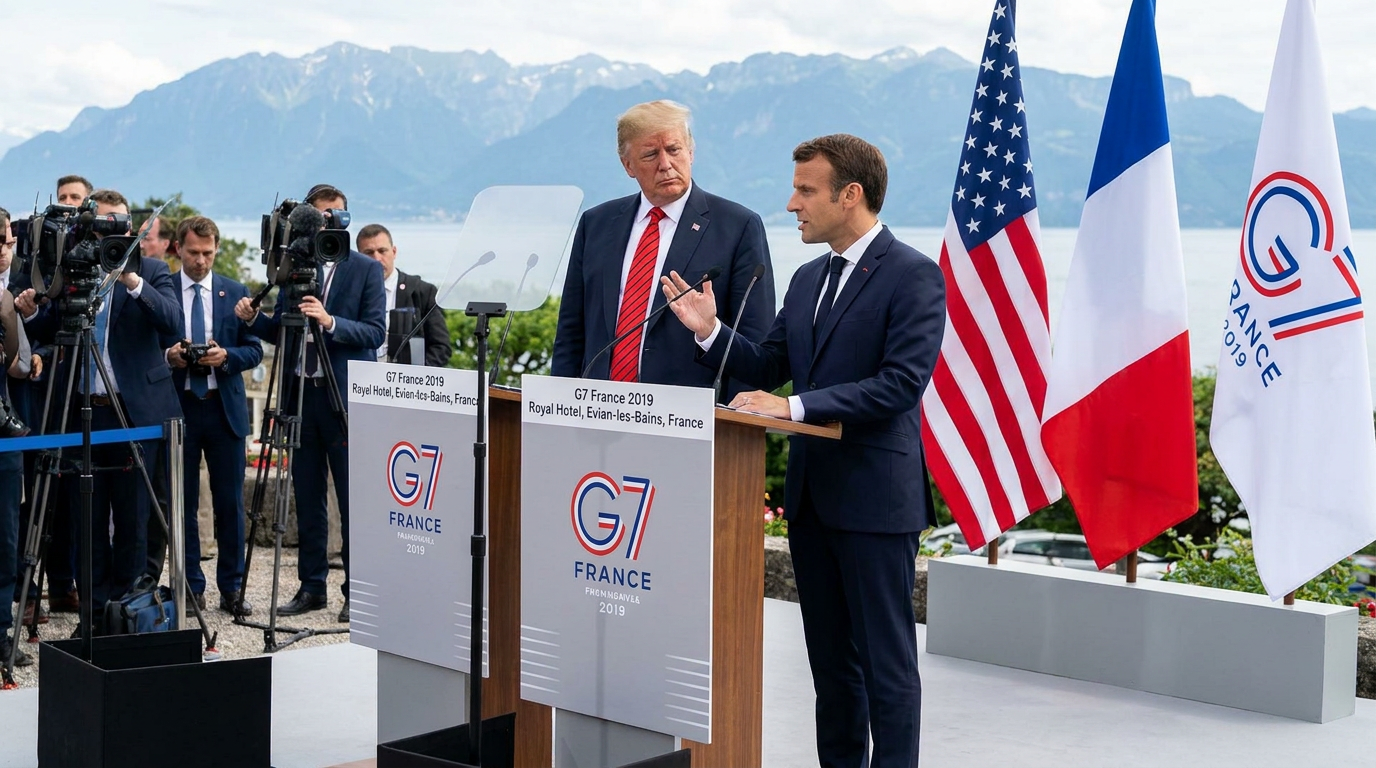
- Trump Administration
- Focuses on ending the war, reopening the Strait of Hormuz, and securing a commitment that Iran will never acquire a nuclear weapon.
- Congressional Skeptics
- Demands transparency and strict verification, expressing deep concern over potential financial windfalls for Tehran.
- Iranian Leadership
- Views the agreement as a necessary step to lift crippling sanctions and rebuild the economy, though remains highly suspicious of US commitments.
- Israeli Government
- Supports the neutralization of Iran's nuclear threat but refuses to withdraw forces from Lebanon, prioritizing the dismantling of Hezbollah.
What's not represented
- · Commercial Shipping Industry
- · Lebanese Civilians
- · Gulf State Financial Backers
Why this matters
This preliminary agreement halts a 15-week war that has destabilized the Middle East and disrupted global energy markets. If successful, the reopening of the Strait of Hormuz will lower global shipping costs and oil prices, though the fragile 60-day negotiation window carries immense geopolitical risk.
Key points
- The US and Iran digitally signed an MOU to end their 15-week war.
- A formal signing ceremony is scheduled for Friday in Geneva, Switzerland.
- The agreement triggers a 60-day negotiation window for a final nuclear treaty.
- President Trump announced the immediate, toll-free reopening of the Strait of Hormuz.
- Congressional Republicans are demanding to see the full text and questioning financial incentives.
- Israel has stated it will not withdraw its forces from Lebanon despite the ceasefire provisions.
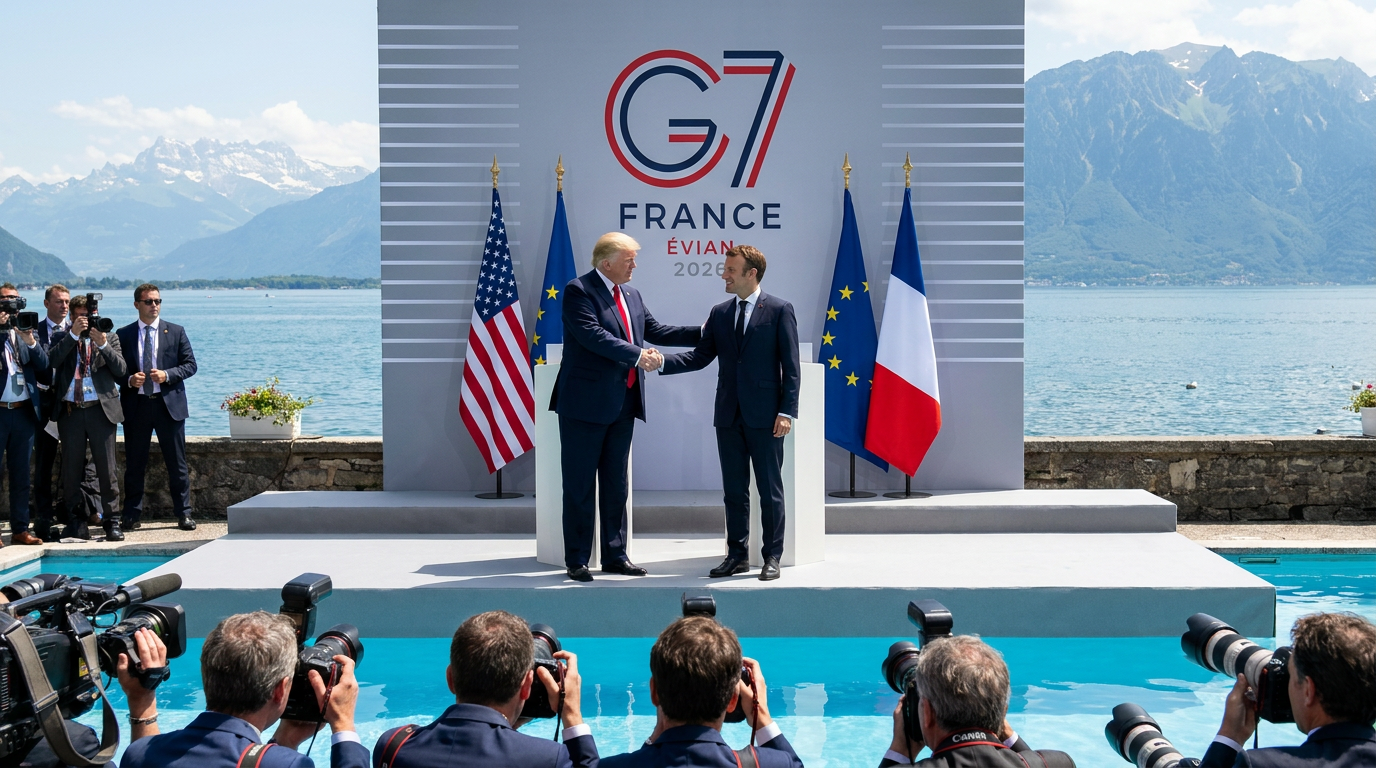
The United States and Iran have reached a preliminary agreement to end their 15-week war, marking a sudden diplomatic breakthrough in a conflict that has rattled global energy markets and devastated the region. President Donald Trump announced the deal from the Group of Seven summit in Evian-les-Bains, France, declaring an immediate end to the US naval blockade on the Strait of Hormuz. The framework, formalized as a Memorandum of Understanding (MOU), halts military operations and sets the stage for a comprehensive treaty.[2][5]
The initial agreement was signed digitally on Sunday by President Trump, Vice President JD Vance, and Iranian Parliament Speaker Mohammad Bagher Ghalibaf. A formal, in-person signing ceremony is scheduled to take place in Geneva, Switzerland, on Friday. While the full text of the MOU has not yet been released to the public, officials indicate it establishes a 60-day window for intensive negotiations regarding Iran's nuclear program and the lifting of international sanctions.[3][5]
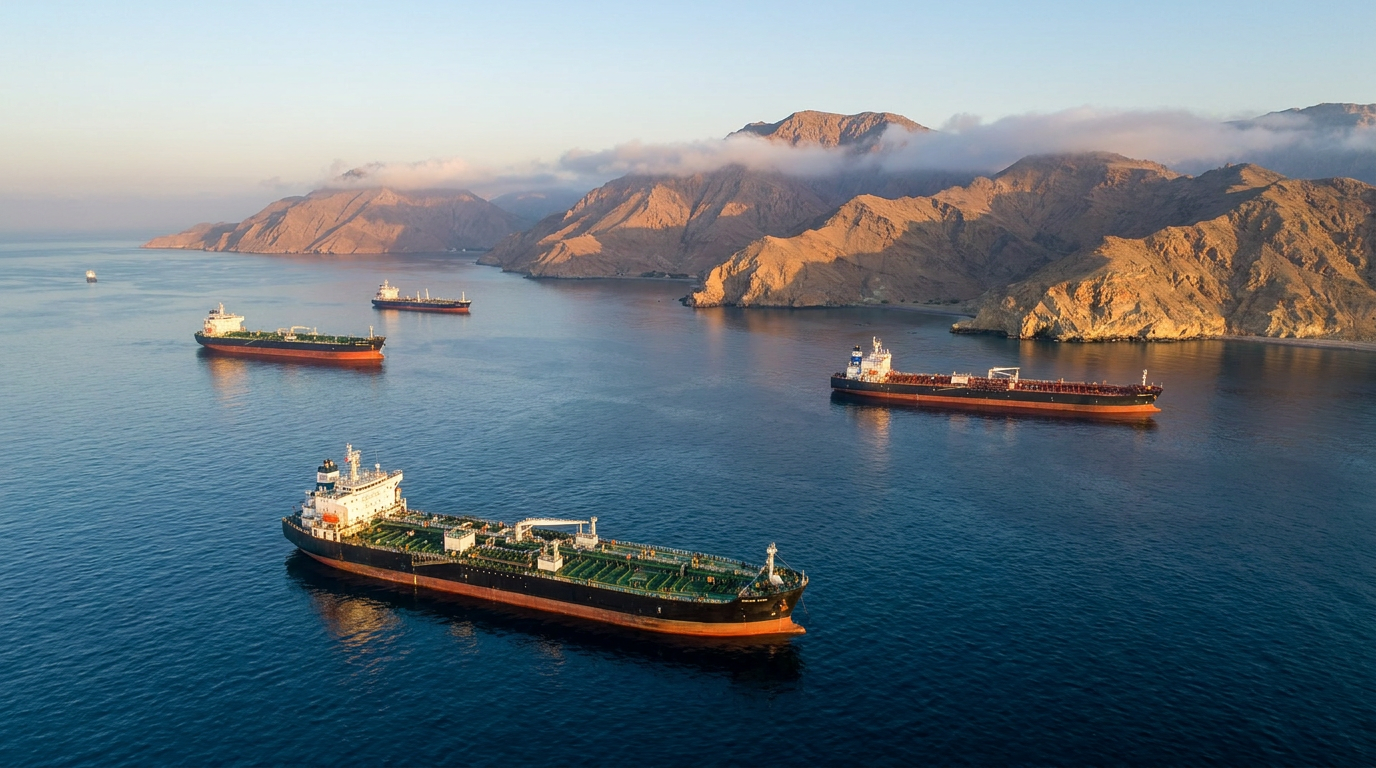
A central pillar of the immediate ceasefire is the reopening of the Strait of Hormuz, a critical maritime chokepoint through which a fifth of the world's oil supply passes. Trump stated that the strait would be "completely open" and toll-free by Friday, authorizing the removal of the US naval blockade. "Ships of the World, start your engines. Let the oil flow!" the president wrote on social media, prompting an immediate dip in global oil and crop prices.[2][4]

The international community responded with cautious optimism. A joint statement from the leaders of the UK, France, Germany, and over a dozen other nations welcomed the diplomatic breakthrough. The coalition offered to assist with mine clearance operations in the Strait of Hormuz to reassure commercial shipping lines that the waters are safe to navigate, emphasizing that unrestricted freedom of navigation is essential for stabilizing the global economy.[7]
Despite the relief in global markets, the Trump administration faces significant pushback from its own party in Washington. Senate Republicans returning to the Capitol expressed deep skepticism over the lack of transparency surrounding the deal. Senate Majority Leader John Thune noted that he had not been personally briefed on the agreement, stating that lawmakers need to understand the exact conditions placed on any financial incentives offered to Tehran.[1][6]
Despite the relief in global markets, the Trump administration faces significant pushback from its own party in Washington.
The controversy centers on reports that the agreement includes the unfreezing of Iranian assets and the establishment of a $300 billion reconstruction fund, reportedly financed by neighboring Gulf states. Critics, including prominent Republican hawks, argue that releasing funds to Iran without first dismantling its nuclear infrastructure is a dangerous concession. Senator Lindsey Graham expressed concern over discrepancies between how Washington and Tehran are describing the preliminary terms.[1][8]
Vice President JD Vance has vigorously defended the administration's approach, pushing back against early criticisms. In a series of interviews, Vance insisted that the MOU is a "very general document" and that the specifics of the deal will be hammered out during the technical negotiation phase. He emphasized that Iran will not receive "a dime of money" unless it strictly performs its obligations, which include allowing international nuclear inspectors to return to the country.[1][4][6]

In Tehran, the agreement is being framed as a necessary step toward economic relief. Iranian Deputy Foreign Minister Kazem Gharibabadi confirmed the finalization of the text, noting that the upcoming 60-day negotiation period will focus heavily on sanctions relief. However, Iranian Foreign Minister Abbas Araghchi struck a highly cautious tone, citing a "history of broken commitments" by the United States and warning that Iran will not tie its entire economy to the success of these negotiations.[4][5]
The MOU also attempts to address the broader regional conflict by including provisions for a ceasefire in Lebanon, where Israeli forces have been engaged in heavy fighting with Hezbollah. However, this aspect of the agreement has immediately hit a major roadblock. Israeli Prime Minister Benjamin Netanyahu reportedly informed the Trump administration that Israeli forces will not withdraw from Lebanon and do not consider themselves bound by the Lebanon-related clauses of the US-Iran pact.[2][3][5]
US officials have clarified that the MOU between Washington and Tehran is not strictly conditioned on an Israeli Defense Forces withdrawal from Lebanon, highlighting the fragmented nature of the regional war. While the US and Iran may halt direct hostilities, the parallel conflict between Israel and Iran's proxy network appears likely to continue, complicating the broader peace effort.[3][5]

As diplomats prepare for the formal signing ceremony in Geneva, the pressure is mounting to translate the broad strokes of the MOU into a binding, verifiable treaty. Negotiators have just 60 days to resolve decades-old disputes over uranium enrichment levels, the status of highly enriched stockpiles, and the mechanics of sanctions relief. If the talks collapse, the region risks plunging back into a devastating war.[3][8]
How we got here
Feb 28, 2026
The US and Israel launch strikes against Iran, igniting a 15-week regional war.
June 14, 2026
US and Iranian officials digitally sign a preliminary Memorandum of Understanding.
June 15, 2026
President Trump publicly announces the deal at the G7 summit in France.
June 19, 2026
A formal, in-person signing ceremony is scheduled to take place in Geneva.
Viewpoints in depth
Trump Administration
The White House views the MOU as a historic triumph that ends an unpopular war and secures global energy markets.
Administration officials, led by President Trump and Vice President Vance, argue that the preliminary agreement achieves what previous administrations could not: a definitive end to Iran's nuclear ambitions backed by the credible threat of military force. They emphasize that the immediate reopening of the Strait of Hormuz is a massive win for the global economy. Crucially, the administration insists that any financial incentives, including the unfreezing of assets or the reported $300 billion reconstruction fund, are strictly performance-based and will only be released if Iran allows inspectors back in and verifiably dismantles its nuclear capabilities.
Congressional Skeptics
Republican lawmakers are demanding transparency, fearing the deal offers too many concessions for too little security.
Many Republicans on Capitol Hill are deeply uneasy about the lack of public detail surrounding the MOU. Lawmakers like Senate Majority Leader John Thune and Senator Lindsey Graham worry that the administration is rushing into a vague agreement that could inadvertently enrich Tehran. Their primary concern is the sequencing of the deal: they fear that releasing frozen funds or establishing a reconstruction fund will remove Washington's leverage before Iran's highly enriched uranium stockpiles are actually destroyed or removed from the country.
Iranian Leadership
Tehran sees the agreement as a necessary path to sanctions relief but remains highly suspicious of American promises.
For the Iranian government, the 60-day negotiation window is an opportunity to lift the crippling economic sanctions that have isolated the country for years. Officials are eager to secure the release of frozen assets and tap into the proposed Gulf-backed reconstruction fund to rebuild infrastructure damaged during the 15-week war. However, figures like Foreign Minister Abbas Araghchi have publicly expressed deep mistrust, citing the US withdrawal from the 2015 JCPOA as proof that Washington cannot be relied upon to honor long-term diplomatic commitments.
Israeli Government
Israel supports the neutralization of Iran's nuclear threat but refuses to halt its military campaign in Lebanon.
Prime Minister Benjamin Netanyahu's government views the US-Iran MOU through a fractured lens. While Jerusalem broadly supports any verifiable mechanism that strips Iran of its nuclear weapons potential, it vehemently opposes the inclusion of a ceasefire in Lebanon. Israeli officials argue that the war against Hezbollah is a separate, existential necessity, and they have informed the Trump administration that the IDF will not withdraw from southern Lebanon, regardless of the terms signed between Washington and Tehran.
What we don't know
- The exact text and specific technical requirements of the Memorandum of Understanding.
- How the $300 billion reconstruction fund will be managed and which Gulf states are contributing.
- Who will be responsible for verifying the destruction or removal of Iran's highly enriched uranium.
- How the ongoing conflict between Israel and Hezbollah in Lebanon will impact the broader US-Iran peace process.
Key terms
- Memorandum of Understanding (MOU)
- A preliminary agreement outlining the broad terms of a deal before a final, detailed treaty is negotiated.
- Strait of Hormuz
- A crucial maritime chokepoint between the Persian Gulf and the Gulf of Oman, through which a significant portion of the world's oil supply passes.
- Highly Enriched Uranium
- Uranium that has been processed to a high concentration of the isotope U-235, which can be used to build nuclear weapons.
- Naval Blockade
- The use of naval forces to cut off a specific area, preventing ships from entering or leaving, often used to exert economic pressure.
Frequently asked
Is the Strait of Hormuz open to shipping?
President Trump announced the immediate removal of the US naval blockade, and the Strait is expected to be fully open and toll-free by Friday.
Will Iran receive financial compensation?
Reports suggest a $300 billion Gulf-backed reconstruction fund and the unfreezing of assets, but US officials emphasize these are strictly tied to Iran's nuclear compliance.
Does the deal end the fighting in Lebanon?
The MOU includes a ceasefire in Lebanon, but Israeli Prime Minister Benjamin Netanyahu has stated that Israeli forces will not withdraw from the country.
Sources
Source coverage
8 outlets
4 viewpoints surfaced








[1]The GuardianCongressional Skeptics
Vance says details of US-Iran agreement still to be worked out amid scepticism from Republicans
Read on The Guardian →[2]CBS NewsTrump Administration
Trump says deal with Iran "complete," Strait of Hormuz blockade lifted
Read on CBS News →[3]The Times of IsraelIsraeli Government
Terms of accord still not published; US official says MOU not conditioned on IDF withdrawal from Lebanon
Read on The Times of Israel →[4]The HinduIranian Leadership
U.S. says Hormuz to be toll-free under Iran deal; Trump may release U.S.-Iran agreement before Friday
Read on The Hindu →[5]TIMETrump Administration
Trump and Iran digitally sign preliminary agreement to end war
Read on TIME →[6]Associated PressCongressional Skeptics
Republicans on Capitol Hill said Monday they need more information about the agreement between the United States and Iran
Read on Associated Press →[7]UK Government
Joint statement from the leaders of the United Kingdom, France, Germany, Italy, Japan, Canada, Australia, Belgium, Bulgaria, Cyprus, Dominican Republic, Estonia, Finland, Greece, Latvia, Poland and Portugal on the US-Iran peace deal
Read on UK Government →[8]The Straits TimesCongressional Skeptics
Trump's Iran deal faces Republican skepticism, allied questions
Read on The Straits Times →

More in news politics
See all 6 stories →Digital Literacy
Fact Check: Can 'Prebunking' Actually Inoculate Voters Against Political Misinformation?
0 sources

US-Iran Deal
US and Iran Reach Framework Peace Deal to End 15-Week War, Reopen Strait of Hormuz
0 sources
Title IX
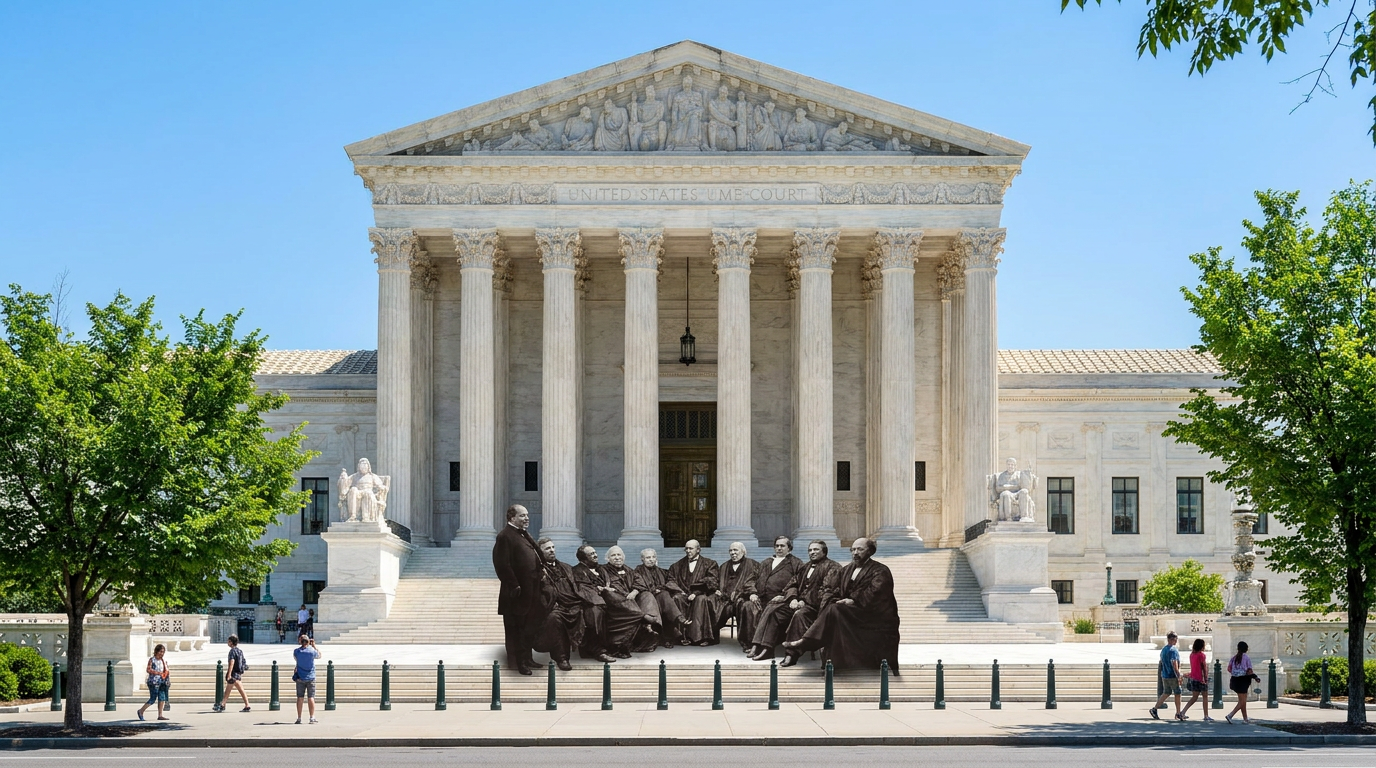
Supreme Court strikes down federal Title IX gender identity mandate in 5-4 ruling
0 sources
US-Iran Peace Deal
U.S. and Iran Reach Framework Peace Deal to End 15-Week War and Reopen Strait of Hormuz
0 sources
Every angle. Every day.
Get news politics stories with full source coverage and perspective breakdowns delivered to your inbox.