
US and Iran Sign Framework to End War, but Enforcement Details and Gulf Mine-Clearing Remain Unresolved
Vice President JD Vance confirmed that key details of the newly signed US-Iran peace memorandum remain under negotiation, as Republican lawmakers voice skepticism and global markets brace for the complex realities of post-war recovery.
By Factlen Editorial Team
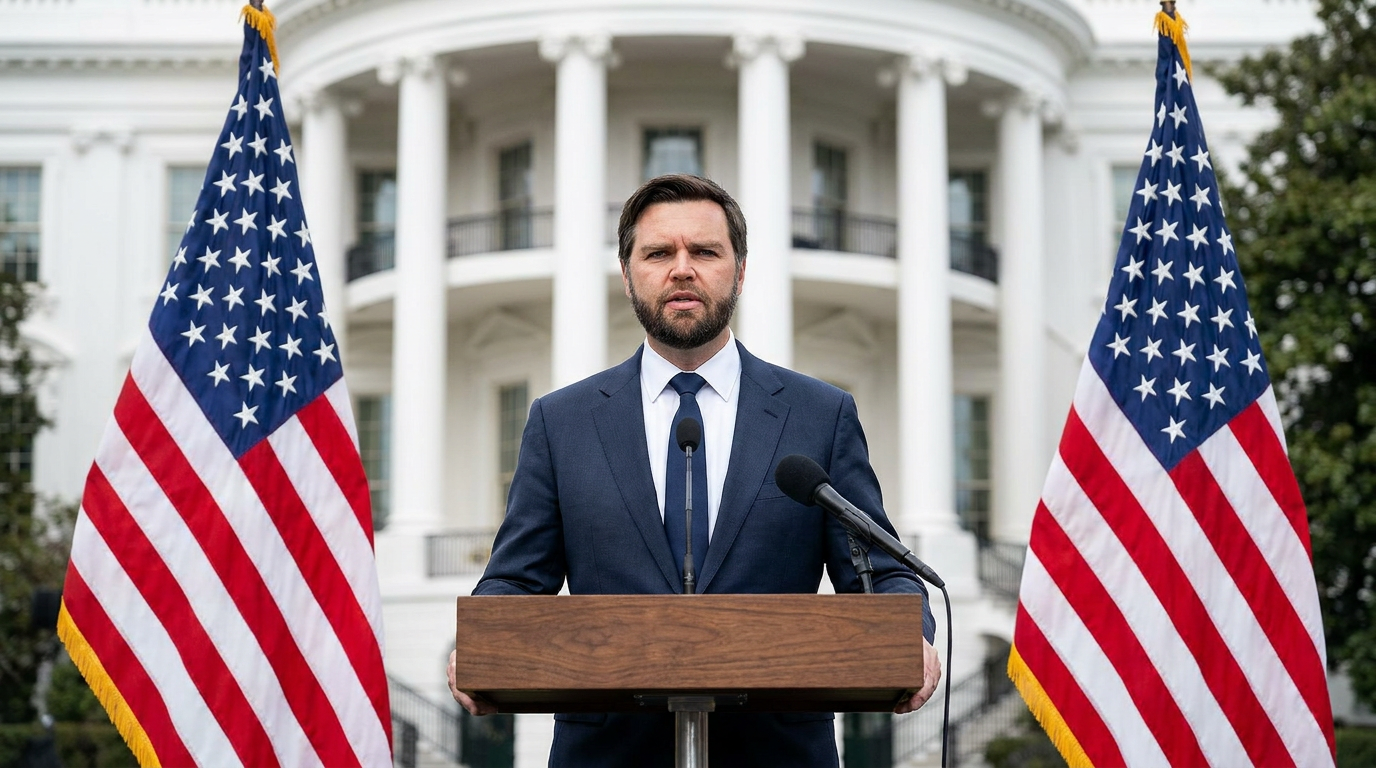
- Global Economic Stakeholders
- Focused on the immediate clearing of the Strait of Hormuz and stabilizing energy-driven inflation.
- US Administration
- Touting the deal as a historic step to end the war and stabilize the region.
- Congressional Skeptics
- Demanding strict verification and opposing any release of funds to Tehran.
- Iranian Leadership
- Viewing the framework as a testament to their defiance and seeking immediate sanctions relief.
What's not represented
- · Civilian populations in Iran affected by the economic sanctions
- · Commercial shipping companies facing exorbitant insurance premiums
Why this matters
The resolution of the US-Iran conflict dictates the immediate future of global energy markets, shipping security in the Strait of Hormuz, and broader Middle Eastern stability. However, the fragile nature of the framework means the risk of reignited hostilities—and subsequent economic shocks—remains high until a finalized treaty is enforced.
Key points
- The US and Iran signed a Memorandum of Understanding at the G7 to halt active military hostilities.
- Vice President JD Vance acknowledged that significant details of the agreement still need to be finalized.
- Senate Republicans are demanding strict verification and opposing the unfreezing of Iranian funds.
- Formal nuclear negotiations are only just beginning following the signing of the ceasefire framework.
- The U.S. Navy is deploying drone countermeasures to clear naval mines from the Strait of Hormuz.
- Japan's central bank raised interest rates to a 31-year high to combat war-driven inflation.
The United States and Iran have signed a preliminary memorandum of understanding aimed at halting hostilities, marking a pivotal but highly fragile pause in a conflict that has severely disrupted global security and energy markets. The agreement, formally announced by President Donald Trump following the recent G7 summit, establishes a broad ceasefire framework but leaves several critical enforcement mechanisms and geopolitical concessions entirely unresolved. While the administration has touted the memorandum as a historic step toward Middle Eastern stability, international observers and domestic lawmakers alike are cautioning that the hardest phases of negotiation—and the physical cleanup of the warzone—are only just beginning.[1][2]
Vice President JD Vance confirmed this week that while the framework represents a major diplomatic breakthrough, significant details regarding the US-Iran agreement still need to be finalized before a permanent treaty can be implemented. Addressing reporters, Vance acknowledged that the administration is actively working through the remaining logistical and diplomatic hurdles. The Vice President's comments reflect a growing recognition within the White House that the initial memorandum is merely a foundational document, requiring extensive follow-on agreements to address the multifaceted nature of the conflict, from ballistic missile limitations to the withdrawal of forward-deployed assets in the Persian Gulf.[1]
The White House's characterization of the deal as a definitive end to the war has met immediate and vocal resistance from lawmakers on Capitol Hill. Senate Republicans have expressed deep skepticism over the framework, pressing the administration to release the full, unredacted text of the agreement for congressional review. A primary point of contention involves the potential unfreezing of Iranian assets, with conservative lawmakers questioning any inclusion of funds for Tehran before comprehensive, on-the-ground compliance is verified by international inspectors. This domestic political friction threatens to complicate the administration's ability to deliver on the promises made in the memorandum.[1][8]

Beyond the immediate cessation of military strikes, the framework sets the stage for a renewed, highly complex round of nuclear diplomacy. Officials have clarified that the memorandum itself does not resolve the long-standing nuclear dispute; rather, formal nuclear talks are only just beginning now that the overarching peace framework has been signed. This sequencing has drawn intense scrutiny from non-proliferation experts who fear the delay could allow Iran to obscure its current uranium enrichment status. The White House maintains that the ceasefire was a necessary prerequisite to bring Tehran back to the nuclear negotiating table under favorable terms.[2]
On the ground, the physical remnants of the conflict continue to pose a severe, immediate threat to global commerce and regional stability. The Strait of Hormuz, a critical maritime chokepoint for international energy supplies, remains heavily compromised by advanced naval mines deployed by Iranian forces during the height of the hostilities. To address this, the U.S. Navy is preparing to deploy a new generation of drone-based countermeasures designed to scour the sea floor and surface for explosives. Military officials warn that this clearing operation is highly dangerous and could take months to complete, leaving global shipping vulnerable in the interim.[3]
On the ground, the physical remnants of the conflict continue to pose a severe, immediate threat to global commerce and regional stability.
The economic fallout of the war continues to ripple through global markets, forcing drastic measures from allied central banks struggling to contain the damage. In a historic move, Japan’s central bank raised interest rates to a 31-year high this week, acting against the explicit wishes of Prime Minister Sanae Takaichi. The aggressive rate hike was driven by a tanking yen and severe inflation sparked by the energy disruptions of the US-Iran conflict. Japan's economic predicament underscores the deep, lingering scars the war has left on energy-dependent nations, proving that a diplomatic signature cannot instantly erase months of supply chain trauma.[4]

European allies have offered a cautious welcome to the ceasefire framework, viewing it as a desperately needed step to stabilize the Middle East and prevent further economic contagion across the Eurozone. However, diplomatic backchannels indicate that European leaders share Washington's underlying concerns regarding the verification of Iran's nuclear commitments. European diplomats are quietly pressing the Trump administration to ensure that the forthcoming technical negotiations include strict, enforceable caps on Iranian centrifuge operations, while also coordinating closely on the multinational effort to secure commercial shipping lanes in the Persian Gulf.[7]
Energy markets have reacted with volatile uncertainty to the memorandum, reflecting the precarious nature of the current ceasefire. While the formal cessation of hostilities prompted a brief, reactionary dip in global crude prices, the realization that the Strait of Hormuz remains partially restricted by naval mines has kept risk premiums stubbornly elevated. Commodities traders are closely monitoring the U.S. Navy's drone-clearing operations, acutely aware that any disruption, accidental detonation, or skirmish during the cleanup could instantly reignite market panic and send oil prices surging back to wartime highs.[3][6]

For the Iranian leadership, the signing of the framework is being broadcast domestically as a strategic victory and a potent symbol of national defiance against Western military pressure. State media in Tehran has framed the survival of the regime through the conflict as a testament to its resilience. However, the harsh reality of crippling economic sanctions and the urgent need for the unfreezing of international funds will likely force Tehran to remain engaged in the forthcoming nuclear negotiations, even as hardline factions within the government push back against any further concessions to Washington.[5]
As the initial relief of the ceasefire announcement fades, the focus now shifts entirely to the grueling technical negotiations that lie ahead. The Trump administration has culminated its maximum-pressure military strategy in this high-stakes diplomatic gamble, but the hardest work remains unfinished. The White House must now navigate an incredibly narrow path: satisfying domestic hawks demanding strict oversight, coordinating a massive multinational mine-clearing operation in hostile waters, and keeping Iran at the negotiating table long enough to forge a permanent, verifiable peace that outlasts the current political cycle.[1][8]
How we got here
Early 2026
Hostilities escalate between the United States and Iran, leading to significant disruptions in the Persian Gulf.
Spring 2026
Naval mines are deployed in the Strait of Hormuz, severely restricting global energy shipping and sparking worldwide 'war inflation'.
June 14, 2026
President Trump announces the signing of a Memorandum of Understanding at the G7 summit to halt the war.
June 16, 2026
Vice President JD Vance confirms that key details of the agreement remain unresolved as nuclear talks officially begin.
Viewpoints in depth
The Trump Administration
Views the framework as a historic victory that successfully ends the war on American terms.
Administration officials argue that the maximum-pressure military campaign successfully forced Tehran to the negotiating table. They frame the memorandum of understanding as a definitive diplomatic victory that halts hostilities while keeping the United States in a position of strength for the upcoming nuclear talks. The White House maintains that holding back full sanctions relief ensures Iran will comply with the next phases of the agreement.
Congressional Skeptics
Fears the framework gives up leverage without securing verifiable nuclear concessions.
Conservative lawmakers and defense hawks are highly critical of the sequencing of the deal. They argue that signing a peace framework before finalizing the nuclear restrictions allows Iran to regroup and potentially access frozen funds without dismantling its enrichment infrastructure. This camp is demanding that the administration submit the full text of the agreement to Congress and block any financial relief until international inspectors verify total compliance.
Global Economic Stakeholders
Prioritizes the immediate clearing of shipping lanes and the stabilization of energy markets.
For international markets and allied nations, the political nuances of the deal are secondary to the physical reality of the Persian Gulf. This perspective is intensely focused on the U.S. Navy's mine-clearing operations in the Strait of Hormuz. Economic stakeholders argue that until commercial shipping can safely resume without exorbitant insurance premiums, the 'war inflation' that has battered economies from Japan to Europe will continue unabated.
Iranian Leadership
Frames the ceasefire as a testament to national resilience against Western aggression.
Tehran is projecting the end of active hostilities as a failure of the U.S. to topple the regime. Iranian state media emphasizes the country's defiance and survival, using the ceasefire to consolidate domestic support. However, behind the rhetoric, Iranian diplomats are urgently pushing for the rapid unfreezing of international assets, viewing financial relief as the necessary price for their participation in the upcoming nuclear negotiations.
What we don't know
- The exact timeline for when the Strait of Hormuz will be fully cleared of naval mines and deemed safe for commercial shipping.
- Whether Iran will agree to strict, verifiable caps on its uranium enrichment program during the upcoming nuclear negotiations.
- If the Trump administration will unfreeze any Iranian assets before a final, comprehensive treaty is signed and ratified.
Key terms
- Memorandum of Understanding (MOU)
- A formal agreement between two or more parties that establishes a framework for cooperation, though it is often not legally binding until a final treaty is signed.
- Strait of Hormuz
- A narrow, strategically critical waterway between the Persian Gulf and the Gulf of Oman through which a significant portion of the world's oil supply passes.
- War Inflation
- A rapid increase in prices across an economy driven specifically by the supply chain disruptions, energy shortages, and government spending associated with a major armed conflict.
- Naval Mines
- Self-contained explosive devices placed in water to damage or destroy surface ships or submarines, heavily used to block maritime chokepoints.
Frequently asked
Is the war between the US and Iran completely over?
Active military hostilities have been paused under a new Memorandum of Understanding, but a permanent peace treaty and nuclear restrictions are still being negotiated.
Why are global shipping lanes still disrupted?
During the conflict, naval mines were deployed in the Strait of Hormuz. The U.S. Navy is currently using drone technology to clear these explosives, a process that could take months.
How is this affecting the global economy?
The war caused significant energy disruptions, leading to severe 'war inflation' worldwide. This recently forced Japan's central bank to raise interest rates to a 31-year high.
Sources
Source coverage
8 outlets
4 viewpoints surfaced






[1]The GuardianCongressional Skeptics
Vance says details of US-Iran agreement still to be worked out amid scepticism from Republicans
Read on The Guardian →[2]Al JazeeraIranian Leadership
US says Iran nuclear talks begin after framework deal signing
Read on Al Jazeera →[3]The New York TimesIranian Leadership
Naval Mines Could Still Stymie Gulf Shipping After War
Read on The New York Times →Japan Raises Rates to 31-Year High to Ward Off War Inflation
Read on The New York Times →Trump’s War Has Turned Iran Into a Symbol of Defiance
Read on The New York Times →[6]ReutersGlobal Economic Stakeholders
Oil markets volatile as Strait of Hormuz mine-clearing begins following US-Iran MOU
Read on Reuters →[7]BBC NewsGlobal Economic Stakeholders
European leaders cautiously welcome US-Iran ceasefire framework
Read on BBC News →[8]Fox NewsUS Administration
White House defends Iran peace framework as Senate Republicans demand answers on frozen funds
Read on Fox News →

More in news politics
See all 5 stories →US-Iran Peace Deal
US and Iran Reach Preliminary Agreement to End War and Reopen Strait of Hormuz
0 sources
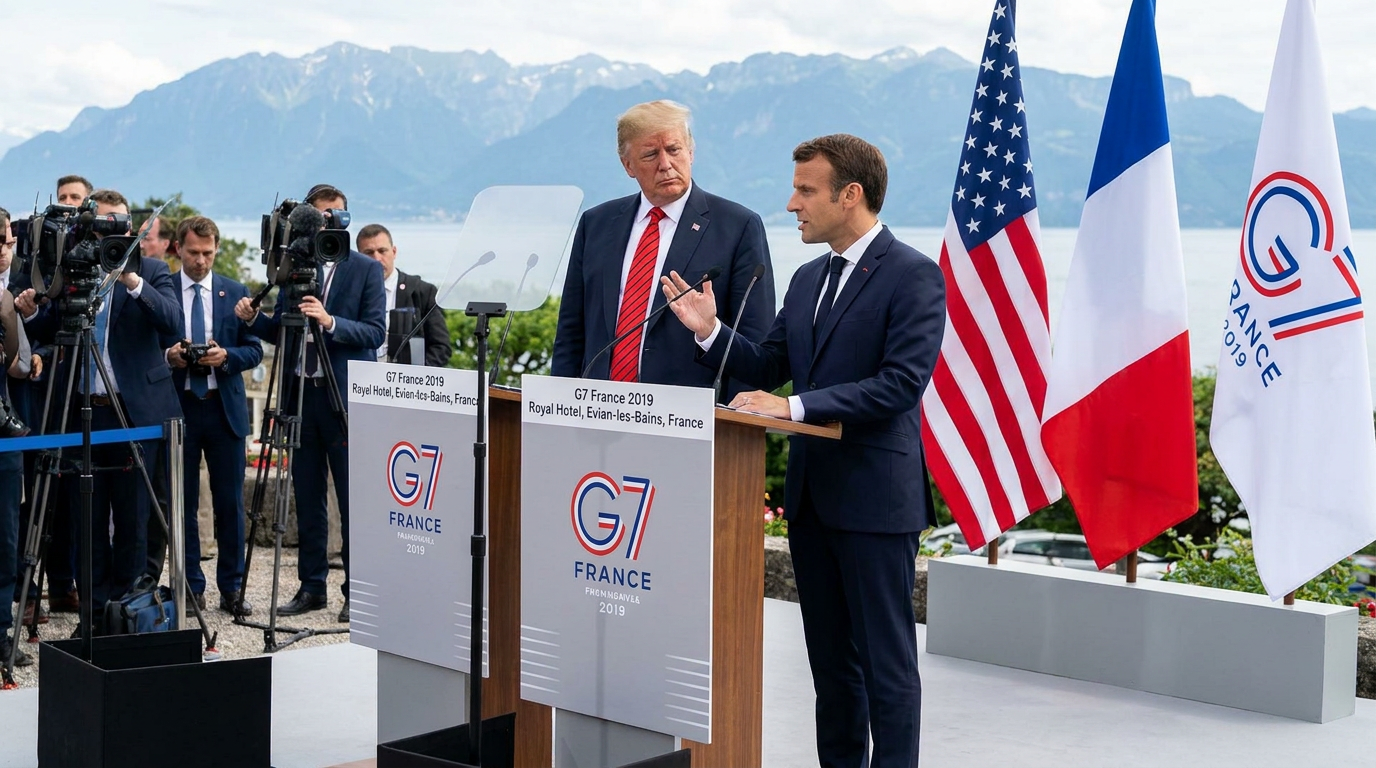
US-Iran Relations
US and Iran Sign Preliminary Peace Agreement as Republicans Demand Details on Financial Terms
0 sources
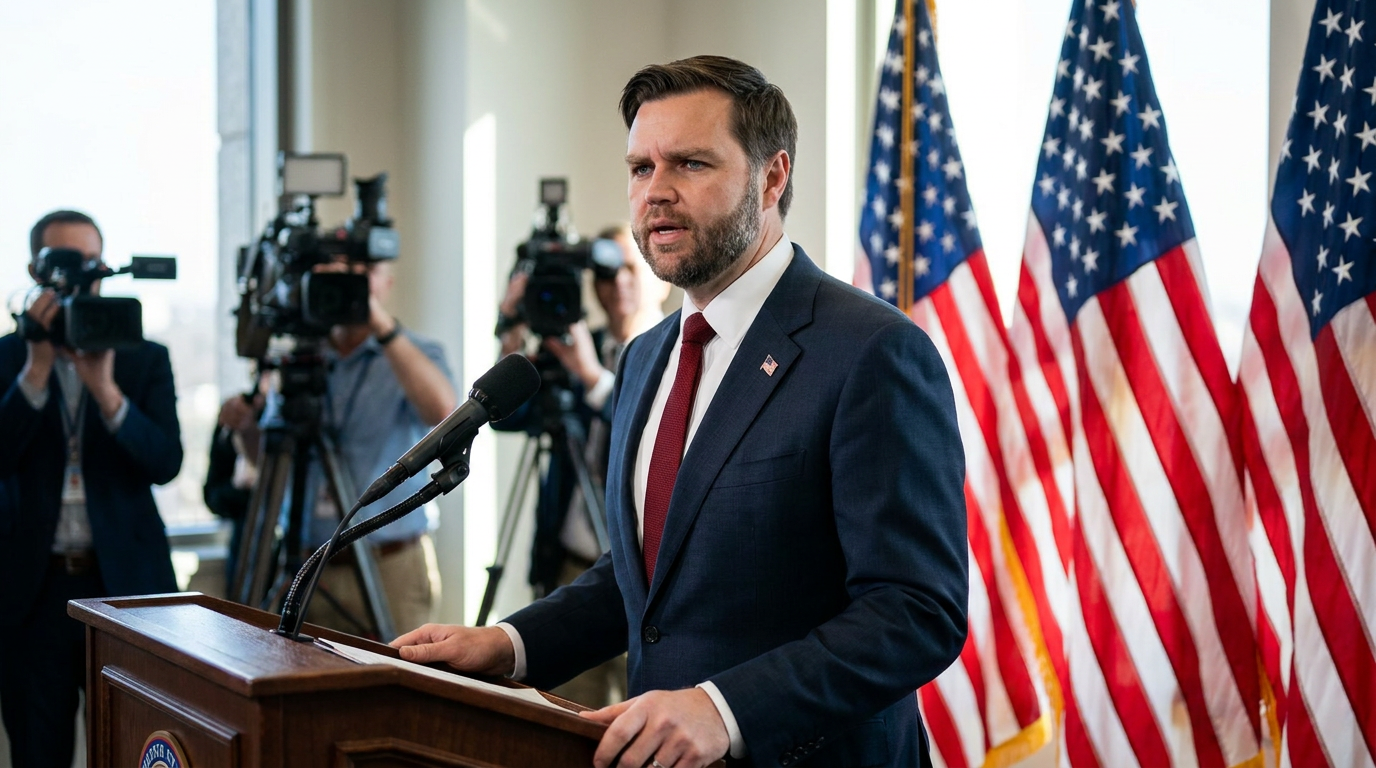
US-Iran Deal
The US-Iran Peace Framework: What's in the Deal to End the War
0 sources

Every angle. Every day.
Get news politics stories with full source coverage and perspective breakdowns delivered to your inbox.