
How Heat Pump Retrofits Actually Work in Older Homes
Advances in cold-climate technology and high-temperature refrigerants have made heat pumps a viable, cost-saving upgrade for aging and historic properties.
By Factlen Editorial Team
- Electrification Advocates
- Argue that transitioning all housing stock to heat pumps is an urgent climate necessity.
- Pragmatic Homeowners
- Focus on the upfront costs, payback periods, and daily comfort of retrofitted systems.
- HVAC Installers
- Emphasize the critical importance of proper sizing, heat loss calculations, and bespoke system design.
What's not represented
- · Renters unable to upgrade systems
- · Historic preservation boards
Why this matters
Heating accounts for a massive portion of household energy bills and carbon emissions. Understanding how to successfully retrofit an older property allows homeowners to slash their utility costs, improve indoor comfort, and future-proof their real estate investment against volatile fossil fuel prices.
Key points
- Modern cold-climate heat pumps can efficiently heat homes even when outdoor temperatures drop to −15°F (−26°C).
- Retrofitting older homes often requires bridging the gap between low-temperature heat pumps and high-temperature radiators.
- Solutions include deep weatherization, upgrading to larger radiators, or installing high-temperature heat pumps.
- Government incentives and long-term energy savings make heat pump retrofits increasingly cost-effective for homeowners.
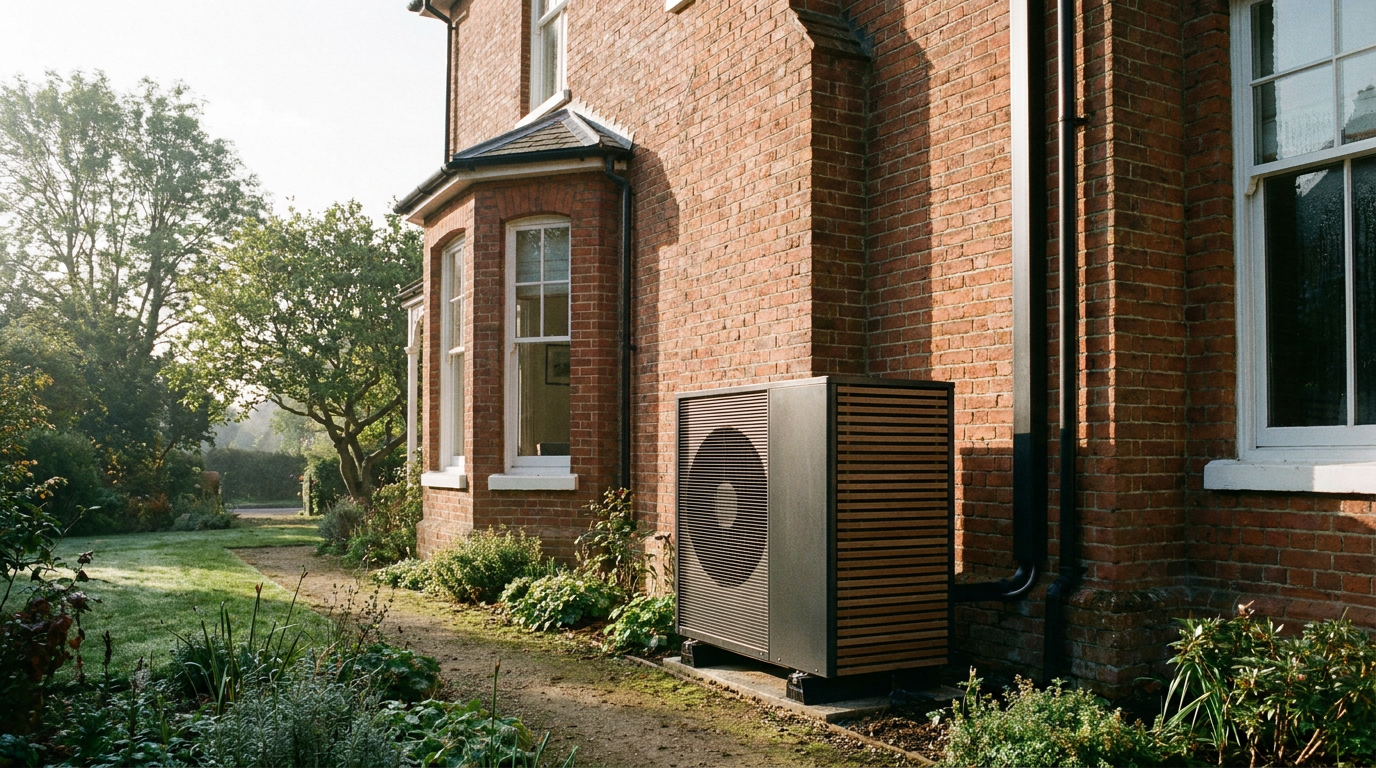
For years, conventional wisdom dictated that heat pumps were only suitable for modern, tightly sealed homes in temperate climates. Owners of drafty Victorian terraces, mid-century colonials, and 1980s detached houses were routinely told to stick with their gas or oil boilers. But as energy prices fluctuate and decarbonization mandates loom, the heating industry has quietly solved the old-home problem. Retrofitting an older property with a heat pump is no longer a fringe experiment; it is rapidly becoming the standard upgrade path for aging housing stock. The transition does not require tearing a house down to the studs, but it does require a fundamental shift in how homeowners think about generating and distributing warmth.[5][6]
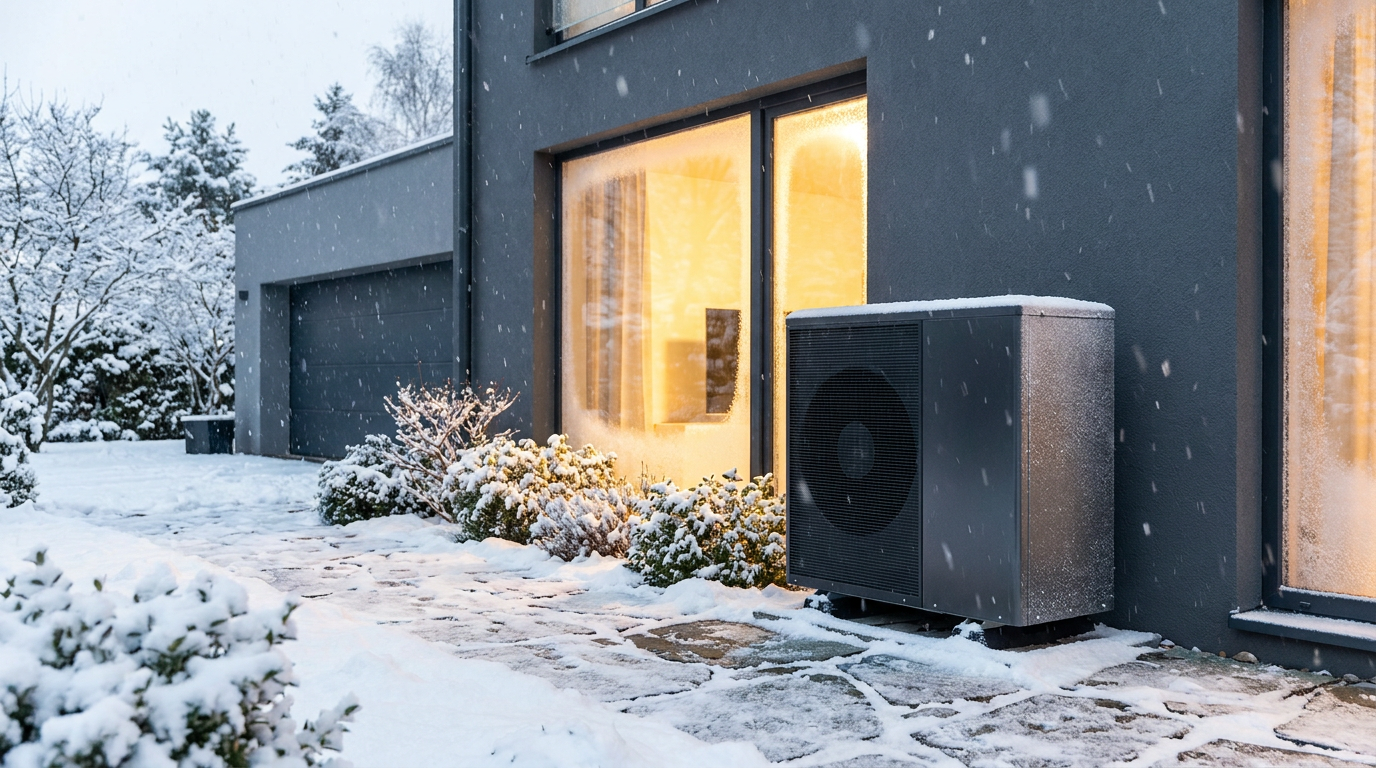
The lingering skepticism surrounding heat pumps is largely rooted in outdated technology. Early models struggled to extract thermal energy from freezing air, and they required homes to be hermetically sealed to maintain comfortable indoor temperatures without running up exorbitant electric bills. Today, however, advances in variable-speed compressors and specialized refrigerants have completely rewritten the rules of home heating. Modern cold-climate heat pumps are specifically engineered to operate efficiently in extreme winter weather, maintaining their heating capacity in temperatures as low as −15 degrees Fahrenheit (−26 degrees Celsius), making them highly viable from Maine to Scotland.[1][4]
To understand why retrofitting is now possible, it helps to understand the underlying mechanism. Unlike traditional furnaces or boilers that burn fossil fuels to generate heat from scratch, a heat pump simply moves existing heat from one place to another. Even in freezing weather, outdoor air contains a significant amount of thermal energy. The heat pump uses a closed loop of liquid refrigerant to absorb this ambient heat from the outside environment and carry it indoors, operating much like a refrigerator running in reverse.[2][3]
As the outdoor fan blows freezing air across the evaporator coil, the liquid refrigerant absorbs the ambient heat and evaporates into a gas. A compressor then pressurizes this gas, a physical process that significantly raises its temperature. This hot gas is pumped indoors, where a heat exchanger transfers the concentrated warmth into the home's air ducts or water pipes. Finally, an expansion valve cools the refrigerant back into a liquid, and the cycle repeats. Because they are moving heat rather than creating it, modern heat pumps can deliver three to four units of heat for every single unit of electricity they consume.[2][3]

This translates to a coefficient of performance (COP) of 300 to 400 percent. By comparison, even the most advanced, high-efficiency gas furnaces max out at around 92 to 95 percent efficiency, because a portion of the energy is always lost in the combustion and exhaust process. This massive efficiency gap is what makes heat pumps so attractive for reducing both household carbon footprints and monthly utility bills, often saving homeowners hundreds of dollars a year depending on their local electricity rates.[1][3]
However, retrofitting an older home presents a specific set of physical challenges, primarily centered around a concept known in the HVAC industry as "flow temperatures." Traditional gas and oil boilers are inherently high-temperature systems. They heat water to between 70 and 80 degrees Celsius (158 to 176 degrees Fahrenheit) and push it rapidly through small-diameter pipes into compact wall radiators. Because the water inside the metal is so incredibly hot, the radiators do not need a particularly large surface area to effectively warm a room. The intense heat radiates outward quickly, overcoming the drafts and poor insulation typical of older construction.[5]
Standard heat pumps, conversely, are designed as low-temperature systems. They operate most efficiently and consume the least amount of electricity when producing water between 35 and 55 degrees Celsius (95 to 131 degrees Fahrenheit). If an installer simply unplugs a boiler and pumps this cooler water through an old, undersized radiator, it simply will not emit enough ambient heat to keep the room comfortable—especially if the house suffers from poor insulation and drafty, single-pane windows. Bridging this fundamental temperature gap between what the machine produces efficiently and what the old house requires is the central puzzle of any successful retrofit.[5]
Standard heat pumps, conversely, are designed as low-temperature systems.
Installers tackle this mismatch using one of three primary strategies. The first and most comprehensive approach is the "fabric first" method. Before touching the heating system or removing the old boiler, homeowners invest in deep weatherization: upgrading loft insulation, injecting cavity wall insulation, sealing window drafts, and installing modern double glazing. By drastically reducing the home's overall heat loss, the existing radiators may suddenly be large enough to heat the space using the lower, highly efficient flow temperatures of a standard heat pump. The home retains the heat it generates, allowing the system to run low and slow.[5][6]
The second strategy involves upgrading the heat emitters themselves. If a homeowner cannot perfectly insulate their historic property due to strict architectural constraints, local preservation laws, or limited budgets, they can replace the old, single-panel radiators with modern, high-output double or triple-panel models. These larger radiators have vastly more surface area, allowing them to effectively warm a room even with cooler water flowing through them. Alternatively, installing underfloor heating during a major floor renovation provides a massive, room-sized surface area that pairs perfectly with low-temperature heat pumps, delivering luxurious and highly efficient warmth.[5]

The third and newest strategy relies on the deployment of high-temperature heat pumps. These advanced units use specialized, eco-friendly refrigerants—such as R290, which is a highly refined propane—which allow them to safely heat water to 70 or 75 degrees Celsius, directly matching the output of a traditional fossil-fuel boiler. While high-temperature heat pumps are slightly less efficient than their low-temperature counterparts and will consume slightly more electricity over the year, they allow homeowners to keep their existing microbore pipework and historic cast-iron radiators, saving thousands in renovation costs and avoiding major household disruption.[5][6]
For homes that rely on forced-air heating rather than hot-water radiators, the retrofit process is often much simpler and less invasive. If the existing ductwork is in good condition, properly sealed against leaks, and adequately sized for the required airflow, a central air-source heat pump can often be swapped directly in place of an old gas furnace and central air conditioner. The new heat pump utilizes the existing ducts to distribute warm air throughout the winter and chilled air during the summer, providing a seamless, single-appliance transition to year-round electrified comfort.[1][6]
Homes without any existing ductwork—such as those historically heated by electric baseboards, wood stoves, or old steam radiators—are prime candidates for ductless mini-split systems. These highly adaptable setups involve a single outdoor compressor connected to one or more indoor air-handling units mounted high on walls or recessed into ceilings. Mini-splits require only a small, three-inch hole drilled through the exterior wall for the refrigerant lines and wiring, making them an ideal, low-impact retrofit for historic homes where installing bulky modern ductwork would ruin the original architecture or require dropping ceilings.[2][6]

The financial equation of a heat pump retrofit has also shifted dramatically in recent years, moving from a luxury eco-upgrade to a pragmatic financial decision. While the upfront installation costs remain higher than a simple like-for-like boiler swap, aggressive government incentives are actively bridging the gap. In the United States, the Inflation Reduction Act provides substantial tax credits and point-of-sale rebates for heat pump installations and weatherization upgrades. Similar programs across Europe, such as the Boiler Upgrade Scheme in the UK, offer thousands in direct grants to offset the initial capital outlay and encourage rapid adoption.[1][5]
Beyond the immediate government subsidies, the long-term economics heavily favor electrification. Because heat pumps are so remarkably efficient at moving thermal energy, they insulate homeowners from the extreme price volatility and geopolitical shocks of global fossil fuel markets. Furthermore, homes equipped with modern, low-carbon heating systems are increasingly commanding a premium on the real estate market. Prospective buyers are actively looking for properties that are future-proofed against upcoming gas phase-outs, rising carbon taxes, and the increasing frequency of extreme summer heatwaves that require robust air conditioning.[1][6]
Ultimately, the question is no longer whether a heat pump can work in an older home, but rather which specific heat pump strategy is the right fit for the property's unique architecture and thermal profile. With careful room-by-room heat loss calculations, targeted insulation upgrades, and the right equipment selection, even the draftiest century-old houses are successfully making the leap to clean, efficient, and comfortable electrified heating. The era of the fossil fuel boiler is steadily ending, and the homes of the past are perfectly capable of embracing the technology of the future.[5][6]
How we got here
1970s
Early heat pumps gain popularity during the energy crisis but struggle with efficiency in freezing temperatures.
2000s
Inverter-driven compressors are introduced, allowing heat pumps to adjust their speed and operate efficiently in colder climates.
2022
The US passes the Inflation Reduction Act, introducing massive tax credits for residential heat pump retrofits.
2024
High-temperature heat pumps utilizing R290 (propane) refrigerant become widely available, simplifying older home retrofits.
2026
Cold-climate heat pumps become the standard recommendation for aging housing stock across North America and Europe.
Viewpoints in depth
Electrification Advocates
Argue that transitioning all housing stock to heat pumps is an urgent climate necessity.
This camp views the electrification of older homes as a critical pillar of global decarbonization. They point out that residential heating accounts for a massive percentage of urban carbon emissions, and that waiting for the housing stock to be naturally replaced is too slow. Advocates emphasize that as the electrical grid becomes greener through wind and solar, the carbon footprint of a heat pump approaches zero. They strongly support aggressive government subsidies to accelerate adoption and overcome the initial capital hurdles for middle- and lower-income homeowners.
Pragmatic Homeowners
Focus on the upfront costs, payback periods, and daily comfort of retrofitted systems.
For this group, the decision to retrofit is driven primarily by economics and comfort rather than pure environmentalism. They are acutely aware of the disruption involved in pulling up floorboards to replace microbore pipework or the aesthetic impact of mounting mini-splits on historic walls. Pragmatic homeowners often rely heavily on government grants to make the math work, carefully calculating the break-even point against their current oil or gas bills. They also highlight the learning curve of low-temperature heating, which requires leaving the system running low and slow all day rather than blasting it for quick heat.
HVAC Installers
Emphasize the critical importance of proper sizing, heat loss calculations, and bespoke system design.
Industry professionals argue that the technology itself is flawless, but that poor installations are the root cause of any lingering bad reputation. They stress that retrofitting a heat pump is not a simple "plug-and-play" boiler swap. Installers advocate for rigorous, room-by-room heat loss calculations to ensure the unit and the radiators are perfectly sized for the home's thermal envelope. They warn that cutting corners on weatherization or failing to upgrade undersized pipework will inevitably lead to cold rooms, overworked compressors, and disappointed customers.
What we don't know
- How quickly local electrical grids will upgrade their infrastructure to handle the increased load of neighborhood-wide electrification.
- Whether the cost of high-temperature R290 heat pumps will drop significantly as manufacturing scales up over the next decade.
Key terms
- Coefficient of Performance (COP)
- A ratio measuring a heat pump's efficiency, calculated by dividing the heating output by the electrical energy input.
- Flow Temperature
- The temperature of the water as it leaves the heating system and travels to the radiators or underfloor heating.
- Microbore Pipework
- Narrow-diameter plumbing pipes common in older homes that can restrict the water flow needed for standard low-temperature heat pumps.
- Refrigerant
- A chemical compound used in a heat pump's closed loop that easily absorbs and releases heat as it changes between a liquid and a gas.
- Weatherization
- The practice of protecting a building from the elements and reducing heat loss through insulation, draft sealing, and window upgrades.
Frequently asked
Do heat pumps work in freezing weather?
Yes. Modern cold-climate heat pumps use advanced inverter technology and refrigerants to extract heat from the air even when temperatures drop to −15°F (−26°C).
Will I need to replace all my radiators?
Not necessarily. While standard heat pumps often require larger radiators, high-temperature heat pumps can work with existing radiators, though they are slightly less efficient.
Are heat pumps noisy?
Modern units are very quiet, typically producing between 40 and 50 decibels—about the volume of a quiet refrigerator or light rainfall.
Can a heat pump also cool my house?
Yes. By reversing the refrigeration cycle, a heat pump acts exactly like an air conditioner during the summer, pulling heat out of your home.
Sources
Source coverage
6 outlets
3 viewpoints surfaced






[1]EnergySagePragmatic Homeowners
Do Heat Pumps Work In Cold Climates?
Read on EnergySage →[2]CHOICEPragmatic Homeowners
Heat pumps explained: What are they and how do they work?
Read on CHOICE →[3]University of Illinois SystemElectrification Advocates
Cold Climate Heat Pumps Work!
Read on University of Illinois System →[4]Department of EnergyElectrification Advocates
Cold-Climate Heat Pump Technology Challenge
Read on Department of Energy →[5]Renewables ExcellenceHVAC Installers
Do Heat Pumps Work in Old Homes? | Essential 2026 Guide
Read on Renewables Excellence →[6]Factlen Editorial TeamPragmatic Homeowners
Synthesis by Factlen editorial team
Read on Factlen Editorial Team →

Every angle. Every day.
Get home stories with full source coverage and perspective breakdowns delivered to your inbox.