
US and Iran to Sign Peace Deal Ending War, Reopening Strait of Hormuz
The Trump administration has brokered a comprehensive peace agreement with Iran, scheduled for signing on Friday, effectively ending the 2026 conflict. The deal promises to reopen the critical Strait of Hormuz, sending global markets soaring, though regional complexities remain as Israel plans to maintain its security zones.
By Factlen Editorial Team
- US Administration
- Focuses on the diplomatic victory, strict inspections, and protecting taxpayer funds.
- Economic & Energy Analysts
- Prioritizes the stabilization of energy supply chains and the reopening of the Strait of Hormuz.
- Israeli Leadership
- Maintains a focus on military buffer zones and border security despite the broader treaty.
What's not represented
- · Iranian civilian population
- · European energy importers
- · Lebanese and Syrian governments
Why this matters
The reopening of the Strait of Hormuz—a chokepoint for one-fifth of global oil—will stabilize energy markets and lower inflation, directly impacting consumer fuel prices and global shipping costs. However, the delayed recovery means households will still face elevated prices through the summer.
Key points
- The US and Iran will sign a formal peace treaty in Switzerland on Friday, ending the 2026 conflict.
- The agreement includes a strict inspections regime and prohibits US taxpayer funds from going to Tehran.
- The Strait of Hormuz will reopen to commercial shipping, easing the global energy crisis.
- Global markets rallied on the news, with the S&P 500 rising 1.7 percent and the Nasdaq jumping 3.1 percent.
- Retail fuel prices are expected to remain elevated for months due to logistical backlogs.
- Israel plans to maintain military security zones in Lebanon, Syria, and Gaza despite the broader ceasefire.
The United States and Iran are scheduled to sign a landmark peace agreement this Friday, formally ending the 2026 war that has severely disrupted global energy markets and reshaped Middle Eastern geopolitics. The diplomatic breakthrough, brokered by the Trump administration, aims to halt all military operations and reopen the Strait of Hormuz to international commercial shipping. The secretariat of Iran's supreme national security council confirmed the cessation of hostilities, stating that military operations on all fronts—including the heavily contested Lebanese border—would be suspended as part of the comprehensive compromise. Observers note that the deal is packed with diplomatic fudges designed to allow both nations to claim victory, but the immediate cessation of violence marks a critical de-escalation in a conflict that had threatened to engulf the entire region.[3]
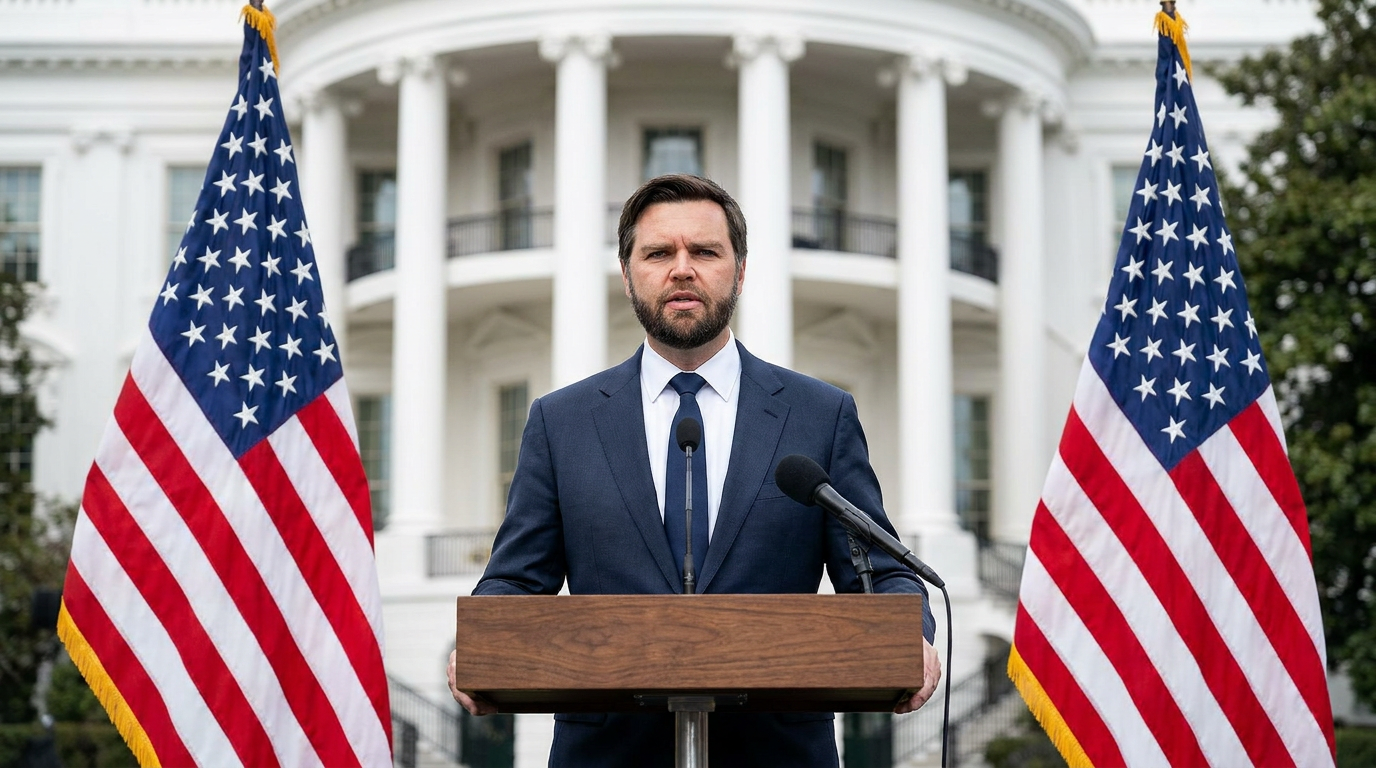
Vice President JD Vance addressed the nation to outline the framework of the agreement, emphasizing that the deal includes stringent verification measures to ensure long-term compliance. Vance assured the public that the treaty establishes a "real inspections regime" in Tehran, designed to prevent the covert development of military capabilities and ensure that civilian infrastructure is not repurposed for warfare. Crucially for domestic political audiences ahead of the midterm elections, Vance explicitly guaranteed that the agreement prohibits any American taxpayer funds from being transferred to the Iranian government as part of the settlement. This financial stipulation addresses widespread conservative concerns about the economic concessions often required in international peace treaties, framing the resolution as a strict, security-first arrangement rather than a financial bailout for Tehran.[1]
Global financial markets reacted with immediate euphoria to the prospect of an end to the energy chaos that has defined the past several months. The benchmark S&P 500 index rose by 1.7 percent in morning trading, while the tech-heavy Nasdaq composite surged 3.1 percent as investors priced in the stabilization of global supply chains and a reduction in inflationary pressures. The market rally reflects widespread relief that the acute phase of the conflict, which threatened to drag the global economy into a deep recession, appears to be concluding. Industrial and transportation stocks led the surge, buoyed by the expectation that the resumption of normal maritime trade will dramatically lower operational costs for multinational corporations heavily reliant on Middle Eastern energy exports.[2]

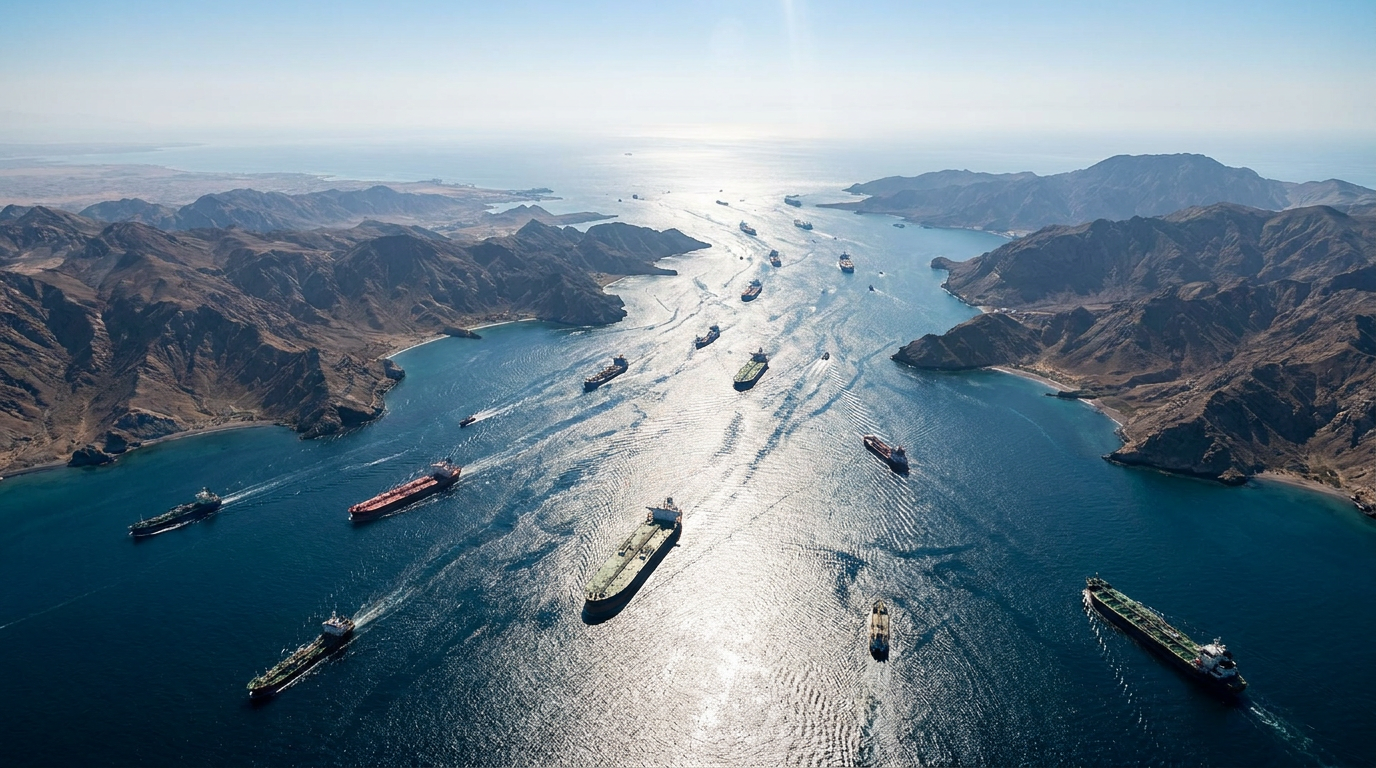
The economic optimism is largely driven by the imminent reopening of the Strait of Hormuz. The narrow waterway, which separates the southern coast of Iran from the Omani Musandam Peninsula, is universally recognized as the world's most critical oil transit chokepoint. Prior to the conflict, approximately 21 million barrels of oil per day—representing roughly one-fifth of global petroleum liquids consumption—flowed through the 21-mile-wide strait. It also serves as the primary conduit for a significant portion of the world's liquefied natural gas trade, supplying critical heating and electrical generation resources to markets across Asia and Europe. The geographic reality of the strait means there are virtually no viable alternative maritime routes for the volume of energy produced in the Persian Gulf.[6][7]
The economic optimism is largely driven by the imminent reopening of the Strait of Hormuz.
Iran had closed the waterway to most commercial shipping in the early days of the war mounted against it by the US and Israel, causing severe supply shortages and a surge in the price of critical commodities. The closure forced international shipping companies to seek alternative routes or rely on limited overland pipeline capacity through Saudi Arabia and the United Arab Emirates, drastically driving up transit times, freight costs, and maritime insurance premiums. The restoration of safe passage through the designated Traffic Separation Scheme is expected to immediately ease the logistical backlog, allowing fully laden supertankers to once again navigate the deep-water channels without the threat of military interception or naval mining.[3][6][7]

Despite the broader market rally and the drop in wholesale crude prices, energy analysts caution that everyday consumers will not see immediate relief at the pump. Industry experts warn that US retail fuel prices will likely take "months" to fully normalize. Global oil producers require significant lead time to safely ramp up output to pre-war levels, and the logistical network required to transport refined products remains strained. Furthermore, existing port bottlenecks, damaged maritime infrastructure, and heightened post-war consumer demand will combine to keep fuel prices elevated in the near term. The delay between wholesale price drops and retail price adjustments—often referred to as the "rockets and feathers" effect—means that households will continue to bear the economic brunt of the conflict through the summer driving season.[4]
While the bilateral US-Iran deal addresses the primary theater of the conflict, regional security dynamics remain highly fragmented and volatile. Israeli Prime Minister Benjamin Netanyahu announced that Israeli defense forces will not be withdrawing from their current forward operating positions, despite the broader cessation of hostilities between Washington and Tehran. Netanyahu stated unequivocally that Israel intends to maintain a permanent "security zone" in occupied Lebanon, as well as in strategic areas of Syria and Gaza. This posture reflects Israel's determination to prevent the re-establishment of hostile militant staging grounds along its northern and southern borders, signaling that the US-brokered peace deal does not equate to a comprehensive regional demilitarization.[5]

This ongoing Israeli military presence underscores the deep-seated regional anxieties that persist even as the primary combatants move toward a formal detente. The Friday signing ceremony will nonetheless mark a definitive shift in the Trump administration's foreign policy, pivoting from active military engagement to diplomatic consolidation as the 2026 election cycle intensifies. As the international community watches the implementation of the new inspections regime, the immediate logistical focus will shift to clearing the Strait of Hormuz and restoring the vital arteries of global energy trade. The success of the agreement will ultimately depend on strict adherence to the verification protocols and the ability of global markets to absorb the lingering economic shocks of the brief but devastating war.[1][3][5][6]
The political stakes of the agreement are immense for the incumbent administration. By securing a peace deal that reopens global trade routes without committing US taxpayer funds to reconstruction, the White House is positioning the treaty as a masterclass in "peace through strength" diplomacy. However, critics and regional analysts warn that the underlying tensions between Iran and its neighbors have merely been paused, not resolved. The coming months will test whether the inspection regimes can hold and whether the fragile economic recovery can withstand the localized skirmishes that are likely to continue along Israel's newly established security perimeters.[1][3][5]
How we got here
Early 2026
US-Israeli strikes on Iran trigger a regional escalation and the closure of the Strait of Hormuz.
March 2026
Traffic through the Strait of Hormuz drops by more than 95 percent, causing a global energy crisis.
June 15, 2026
The US, Pakistan, and Iran announce a memorandum of understanding to end the war.
June 16, 2026
Global markets rally as details of the inspections regime and waterway reopening emerge.
June 19, 2026
Formal signing ceremony of the peace treaty scheduled to take place in Switzerland.
Viewpoints in depth
US Administration
The White House views the deal as a diplomatic victory that secures global trade without financial concessions.
Vice President JD Vance and the administration emphasize the strict 'real inspections regime' and the explicit ban on taxpayer funds going to Tehran. They frame the agreement as a successful application of pressure that forced Iran to reopen the Strait of Hormuz, stabilizing the US economy and energy markets just in time for the 2026 elections. For the administration, the deal is a validation of their hardline negotiation tactics.
Global Markets & Energy Sector
Financial and energy analysts are relieved by the de-escalation but caution about a delayed recovery.
While Wall Street celebrated the news with significant rallies in the S&P 500 and Nasdaq, energy sector experts remain pragmatic. They point out that the logistical damage and port bottlenecks mean consumer fuel prices will take months to normalize. The focus for this camp is entirely on the operational reality of ramping up the 21 million barrels per day that typically flow through the Strait of Hormuz, rather than the political rhetoric.
Israeli Leadership
Israel remains focused on immediate border security, maintaining military zones despite the broader peace deal.
Prime Minister Benjamin Netanyahu's administration is operating on a separate security track from Washington. By declaring that Israeli forces will remain in Lebanon, Syria, and Gaza, Israel is signaling that the US-Iran detente does not neutralize the localized threats on its borders. This perspective prioritizes physical buffer zones over diplomatic treaties, reflecting a deep skepticism that Tehran will permanently cease its support for proxy militant groups.
What we don't know
- The exact technical details and enforcement mechanisms of the 'real inspections regime' in Tehran.
- How Iran will respond to Israel's continued military presence in Lebanon, Syria, and Gaza.
- The precise timeline for when commercial shipping volumes through the Strait of Hormuz will return to pre-war levels.
Key terms
- Strait of Hormuz
- A narrow waterway between Iran and Oman that serves as the world's most critical chokepoint for global oil and natural gas exports.
- Traffic Separation Scheme
- Designated maritime routes used to safely manage the flow of commercial shipping through narrow or congested waterways.
- Inspections Regime
- A system of international monitoring and verification designed to ensure a country is complying with the terms of a diplomatic treaty.
Frequently asked
Will gas prices go down immediately?
No. Energy analysts warn that it will take 'months' for retail fuel prices to normalize due to port bottlenecks and the time required to ramp up global oil production.
Is the US paying Iran as part of the deal?
Vice President JD Vance explicitly stated that the agreement prohibits any American taxpayer funds from being transferred to Tehran.
Are all military operations ending?
While the US and Iran have agreed to cease hostilities, Israel has announced it will maintain its military 'security zones' in Lebanon, Syria, and Gaza.
Sources
Source coverage
7 outlets
3 viewpoints surfaced






[1]Fox NewsUS Administration
JD Vance reveals details of US-Iran deal, addresses whether taxpayer money will go to Tehran
Read on Fox News →[2]Al JazeeraEconomic & Energy Analysts
US stock market climbs as US-Iran deal stirs hopes for end to energy chaos
Read on Al Jazeera →[3]The GuardianUS Administration
Trump news at a glance: Long way to Friday and Iran peace deal signing
Read on The Guardian →US fuel prices to take 'months' to normalise after US-Iran deal to end war
Read on Al Jazeera English →[5]XinhuaIsraeli Leadership
1st LD Writethru: Netanyahu says Israeli military to remain in 'security zones' in Lebanon, Gaza, Syria
Read on Xinhua →[6]U.S. Energy Information Administration (EIA)Economic & Energy Analysts
The Strait of Hormuz is the world's most important oil transit chokepoint
Read on U.S. Energy Information Administration (EIA) →[7]WikipediaEconomic & Energy Analysts
Strait of Hormuz
Read on Wikipedia →
More in news politics
See all 5 stories →US-Iran Ceasefire
US and Iran Sign Framework to End War, but Enforcement Details and Gulf Mine-Clearing Remain Unresolved
0 sources
Crime Statistics
Fact-Checking the Historic 2025 Crime Drop: Are U.S. Cities Actually Safer?
0 sources

US-Iran Relations
US and Iran Reach Tentative Deal to Restore Gulf Shipping and Stabilize Energy Markets
0 sources
Every angle. Every day.
Get news politics stories with full source coverage and perspective breakdowns delivered to your inbox.