
Mineral vs. Chemical Sunscreen: The Evidence Behind the Skincare Aisle's Biggest Debate
As regulatory scrutiny and environmental concerns reshape the sun protection market, dermatologists weigh the concrete trade-offs between physical blockers and chemical filters.
By Factlen Editorial Team
- Dermatological Consensus
- Focuses on daily wearability and broad-spectrum protection above all else.
- Clean Beauty Advocates
- Prioritizes mineral filters due to systemic absorption and environmental concerns.
- Regulatory Authorities
- Evaluates safety data, GRASE status, and environmental bans.
What's not represented
- · Consumers with deep skin tones
- · Marine biologists studying reef ecosystems
Why this matters
Daily UV protection is the single most effective intervention against premature aging and skin cancer. Understanding the exact mechanisms, safety profiles, and cosmetic trade-offs of different filters empowers consumers to choose a product they will actually wear every day.
Key points
- Mineral sunscreens use zinc oxide and titanium dioxide to physically reflect UV rays away from the skin.
- Chemical sunscreens use organic compounds to absorb UV radiation and convert it into harmless heat.
- Dermatologists recommend mineral filters for sensitive skin, rosacea, acne-prone complexions, and young children.
- Chemical filters are favored for their transparent finish on all skin tones and superior water resistance.
- The FDA classifies mineral filters as safe and effective, while chemical filters are undergoing further safety reviews.
- The best sunscreen is the one applied generously and reapplied consistently, regardless of the filter type.
The sunscreen aisle has never been more crowded, nor more confusing. As consumers prepare for the summer of 2026, the fundamental choice between mineral and chemical sunscreens has evolved from a matter of cosmetic preference into a highly debated topic involving regulatory scrutiny, environmental impact, and systemic health concerns. Social media algorithms frequently amplify the narrative that chemical filters are inherently dangerous, leaving many shoppers paralyzed by conflicting safety claims. Yet, dermatologists emphasize that skipping daily broad-spectrum protection carries a confirmed, significant risk of premature aging and skin cancer, while the risks of regulated filters remain largely theoretical.[6]
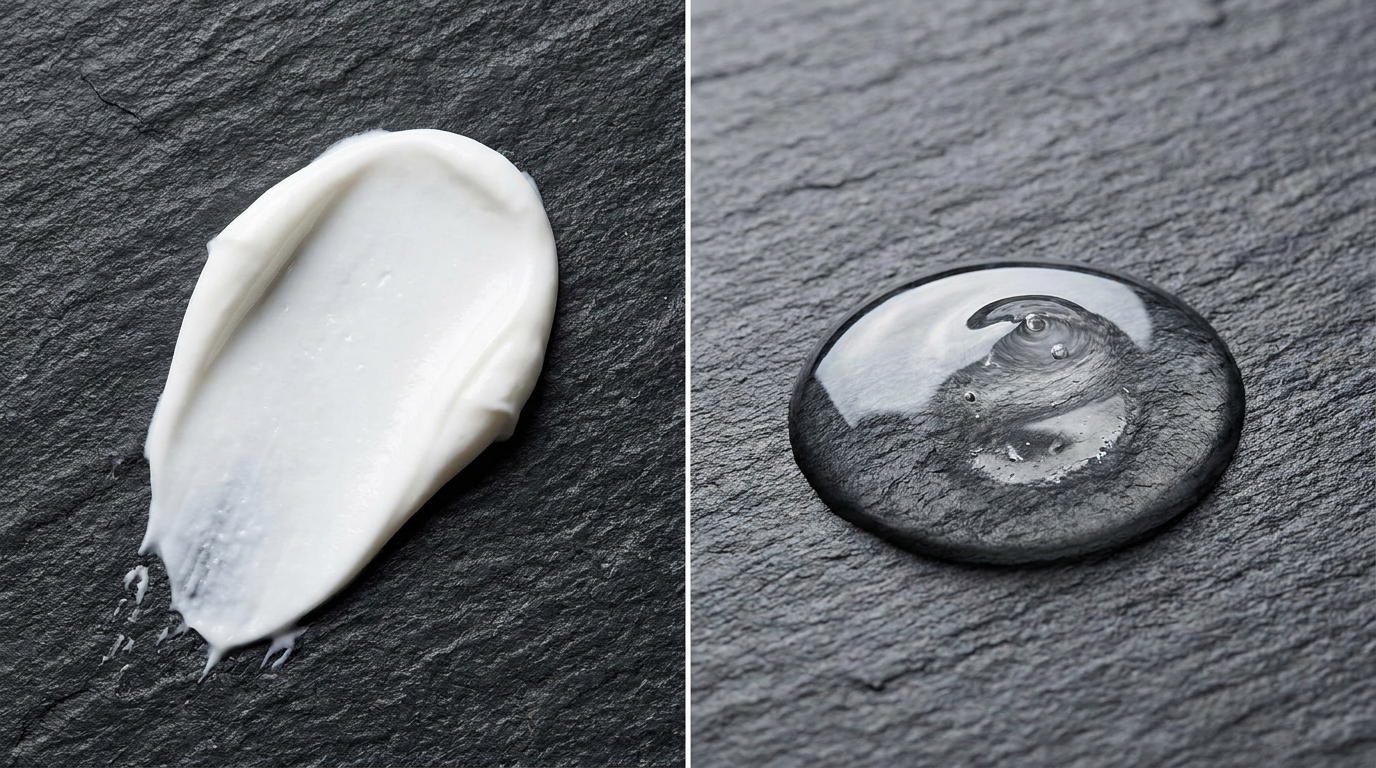
To make an informed choice, consumers must first understand the distinct mechanisms of action separating the two categories. Mineral sunscreens, frequently referred to as physical blockers, rely on inorganic compounds—specifically zinc oxide and titanium dioxide. These ingredients function like thousands of microscopic mirrors resting on the surface of the skin. When ultraviolet radiation hits the body, the mineral barrier physically scatters and reflects the rays away before they can penetrate the epidermal layers.[2][3]
Because mineral filters sit entirely on the surface, they offer several concrete advantages. The most significant is immediate efficacy; they begin protecting the skin the second they are applied, requiring no waiting period before sun exposure. Furthermore, because they are not absorbed into the bloodstream, zinc oxide and titanium dioxide are the only two ingredients currently classified by the U.S. Food and Drug Administration as Generally Recognized As Safe and Effective (GRASE).[1][5]

The clinical case for mineral sunscreen is particularly strong for specific demographics. Dermatologists overwhelmingly recommend physical blockers for individuals with sensitive skin, rosacea, or acne-prone complexions. Because the minerals do not trigger chemical reactions on the skin, they are significantly less likely to cause contact dermatitis or allergic rashes. Pediatricians and the American Academy of Dermatology also strongly advise using mineral formulas for infants and young children, whose skin is thinner and more permeable than that of adults.[1][2][4]
However, the evidence against mineral sunscreens centers on cosmetic elegance and inclusivity. Because zinc oxide and titanium dioxide are literal white powders, traditional mineral formulations notoriously leave a chalky, visible white cast on the skin. While modern milling techniques and tinted formulations have improved the texture, standard mineral sunscreens remain cosmetically unviable for many people with medium to deep skin tones. Additionally, the thicker, heavier consistency can make them difficult to spread evenly, leading to patchy application and compromised protection.[2][3]
Chemical sunscreens operate on an entirely different scientific principle. Instead of deflecting light, organic carbon-based compounds—such as avobenzone, octocrylene, and oxybenzone—act as molecular sponges. They absorb ultraviolet radiation, convert that dangerous energy into harmless heat through a chemical reaction, and then release the heat from the skin. Because these filters must integrate into the upper layers of the skin to function, they require a 15 to 20-minute waiting period after application before they become fully active.[2][4][6]

Chemical sunscreens operate on an entirely different scientific principle.
The primary argument for chemical sunscreens lies in their unparalleled wearability. Because the active ingredients are formulated as lightweight fluids or clear gels, they blend seamlessly into all skin tones without leaving a trace of white residue. This transparency makes them highly compatible with daily makeup routines. Furthermore, chemical formulations generally offer superior water and sweat resistance, making them the preferred choice for athletes, swimmers, and anyone engaged in rigorous outdoor activities.[3][4]
The evidence against chemical filters involves both skin reactivity and emerging regulatory questions. The process of converting UV rays into heat can act as a silent trigger for patients with rosacea or heat-sensitive melasma, causing flare-ups even while preventing sunburn. More broadly, the FDA noted in recent years that certain chemical filters absorb into the bloodstream at measurable levels. While the agency explicitly states this absorption does not mean the ingredients are unsafe, it has requested additional long-term data from manufacturers to definitively clear them under modern GRASE standards.[1][2][5][6]
Environmental impact has also become a major dividing line in the sunscreen debate. Chemical filters, particularly oxybenzone and octinoxate, have been linked to coral reef bleaching and the disruption of marine ecosystems. This has prompted tourist destinations like Hawaii and Key West to ban the sale of sunscreens containing these specific ingredients. Consequently, mineral sunscreens have earned the reef-safe mantle, becoming the default recommendation for eco-conscious consumers and ocean swimmers.[1][6]

Beyond the filter type, dermatologists urge consumers to look past marketing gimmicks regarding Sun Protection Factor (SPF) numbers. While brands often charge a premium for SPF 100, the mathematical reality offers diminishing returns. SPF 30 blocks approximately 97 percent of UVB rays, while SPF 50 blocks roughly 98 percent. Anything beyond SPF 50 provides only marginal additional benefit, leading experts to define SPF 30 to 50 as the optimal sweet spot for daily wear, provided it is applied generously.[1][6]
When evaluating these trade-offs side-by-side, mineral sunscreens fit well when the user has highly reactive skin, struggles with acne or rosacea, or is applying protection to young children. They are also the definitive choice for swimming in protected marine environments where reef-safe products are legally mandated. Conversely, mineral formulas do not fit well when the user requires invisible coverage on darker skin tones or needs a weightless finish under heavy cosmetics.[2][4]
Chemical sunscreens fit well when the user has a medium to deep skin tone where the white cast of mineral filters presents a barrier to daily use. They are also the superior choice for heavy sweaters, endurance athletes, and individuals who prioritize a sheer, cosmetically elegant feel. Chemical formulas do not fit well when the user has a compromised skin barrier, a history of severe contact dermatitis, or is actively experiencing a heat-triggered skin condition.[3][4]

Ultimately, the dermatological consensus transcends the filter debate: the absolute best sunscreen is simply the one a person is willing to apply generously and reapply consistently every single day. Whether a consumer opts for the physical shield of zinc oxide or the transparent absorption of avobenzone, maintaining a daily habit of broad-spectrum protection remains the single most effective strategy for preserving long-term skin health.[1][2][4][6]
How we got here
1980
The first SPF numbers are introduced on sunscreen packaging, standardizing protection metrics.
2019
The FDA requests additional safety data on 12 chemical UV filters after studies show systemic absorption.
2021
Hawaii implements a ban on the sale of sunscreens containing oxybenzone and octinoxate to protect coral reefs.
2025
The FDA continues its review of chemical filters, maintaining mineral filters as the only definitively GRASE ingredients.
Viewpoints in depth
Dermatological Consensus
Focuses on daily wearability and broad-spectrum protection above all else.
For practicing dermatologists, the debate over filter types is secondary to the crisis of under-application. Medical professionals emphasize that UV damage is a proven, documented cause of skin cancer and premature aging, whereas the risks associated with chemical filters remain theoretical at standard human doses. Their primary goal is compliance: they recommend whichever formulation—mineral or chemical—a patient will actually tolerate wearing every single day.
Clean Beauty Advocates
Prioritizes mineral filters due to systemic absorption and environmental concerns.
This camp points to the FDA's 2019 findings that certain chemical filters absorb into the bloodstream at measurable levels. While not proven harmful, advocates argue the uncertainty justifies a precautionary approach, favoring zinc oxide and titanium dioxide. They also heavily weigh the environmental impact, citing studies that link chemical filters like oxybenzone to coral reef bleaching, making mineral options the only acceptable choice for ocean conservation.
Regulatory Authorities
Evaluates safety data, GRASE status, and environmental bans.
Agencies like the FDA approach the debate strictly through the lens of verifiable safety data. Currently, they classify only zinc oxide and titanium dioxide as Generally Recognized As Safe and Effective (GRASE). While they have not declared chemical filters unsafe, they have requested extensive long-term data from manufacturers to understand the implications of systemic absorption. Meanwhile, local governments in Hawaii and Key West have taken legislative action to ban specific chemical filters purely on environmental grounds.
What we don't know
- Whether the systemic absorption of chemical UV filters into the bloodstream has any long-term negative effects on human health.
- How quickly the FDA will issue final rulings on the 12 chemical filters currently under safety review.
- Whether new, next-generation UV filters used in Europe and Asia will be approved for the U.S. market to bridge the gap between mineral and chemical options.
Key terms
- Physical Blocker
- A sunscreen ingredient, like zinc oxide, that sits on the skin's surface and reflects UV rays away.
- Chemical Filter
- An organic compound that absorbs UV radiation and converts it into harmless heat.
- Broad-Spectrum
- A sunscreen formulation that protects against both UVA (aging) and UVB (burning) rays.
- GRASE
- An FDA designation standing for 'Generally Recognized As Safe and Effective'.
- White Cast
- The chalky, pale residue left on the skin by mineral sunscreens, particularly visible on darker skin tones.
Frequently asked
Do I need to wait after applying mineral sunscreen?
No. Because mineral sunscreens create a physical barrier on the surface of the skin, they provide immediate protection the moment they are applied.
Is SPF 100 twice as effective as SPF 50?
No. SPF 50 blocks roughly 98 percent of UVB rays, while SPF 100 blocks 99 percent. Dermatologists consider SPF 30 to 50 the optimal range for daily protection.
Why are some chemical sunscreens banned in Hawaii?
Hawaii banned sunscreens containing oxybenzone and octinoxate because studies link these specific chemical filters to coral reef bleaching and marine ecosystem damage.
Which sunscreen is better for acne-prone skin?
Dermatologists generally recommend mineral sunscreens for acne-prone or sensitive skin, as the physical blockers are less likely to clog pores or cause chemical irritation.
Sources
Source coverage
6 outlets
3 viewpoints surfaced






[1]Los Angeles TimesClean Beauty Advocates
Mineral vs. Chemical Sunscreen: Which One Is Safer?
Read on Los Angeles Times →[2]GoodRx HealthDermatological Consensus
Mineral vs. Chemical Sunscreen: Which Is Better for Your Skin?
Read on GoodRx Health →[3]Cleveland ClinicDermatological Consensus
Pros and Cons of Mineral and Chemical Sunscreens
Read on Cleveland Clinic →[4]Schweiger Dermatology GroupDermatological Consensus
Mineral vs. Chemical Sunscreen: Which One Do Dermatologists Recommend?
Read on Schweiger Dermatology Group →[5]U.S. Food and Drug AdministrationRegulatory Authorities
Sunscreen: How to Help Protect Your Skin from the Sun
Read on U.S. Food and Drug Administration →[6]Factlen Editorial TeamRegulatory Authorities
Synthesis by Factlen editorial team
Read on Factlen Editorial Team →

More in shopping
See all 6 stories →Powertrain Choice
Comparing the True Costs and Lifestyle Fit of EVs and Plug-in Hybrids in 2026
0 sources

Used EV Market
The 2026 Guide to Buying a Used EV: Battery Health, Adapters, and Finding the Best Value
0 sources

Sleep Tech
Do Sleep Trackers Actually Work? The Clinical Evidence on Oura, Apple Watch, and Whoop
0 sources

Display Tech
OLED vs. Mini-LED: The 2026 Display Technology Comparison
0 sources

Every angle. Every day.
Get shopping stories with full source coverage and perspective breakdowns delivered to your inbox.