
US and Iran Reach Peace Deal to End Conflict and Reopen Strait of Hormuz
The United States and Iran have agreed to a comprehensive peace deal expected to be signed Friday, ending direct hostilities and reopening the critical Strait of Hormuz. While the agreement has rallied global markets, experts warn that normalizing energy supply chains and resolving Israel's ongoing regional security operations will take months.
By Factlen Editorial Team
- US Administration
- Focuses on the economic relief of reopening shipping lanes and emphasizes strict inspection regimes without financial concessions.
- Israeli Security Establishment
- Maintains skepticism regarding regional security and insists on keeping active military buffer zones regardless of the broader treaty.
- Global Energy Markets
- Reacts with immediate optimism but cautions that logistical realities mean energy prices will take months to fully recover.
- Iranian Leadership
- Frames the deal as an end to the war and a cessation of military operations across all regional fronts.
What's not represented
- · Commercial shipping companies navigating the Gulf
- · Civilians living in the designated security zones in Lebanon and Gaza
Why this matters
The reopening of the Strait of Hormuz promises to eventually lower global energy costs and ease inflation by unblocking a fifth of the world's oil supply. However, the deal's success hinges on a fragile inspection regime and leaves unresolved the status of Israeli forces currently occupying buffer zones in neighboring territories.
Key points
- The US and Iran have reached a peace agreement to end their conflict, with a signing expected on Friday.
- The deal will reopen the Strait of Hormuz, a critical waterway for 20% of the world's oil supply.
- Global stock markets surged and oil prices dropped in response to the diplomatic breakthrough.
- Experts warn that normalizing US fuel prices will still take months due to logistical bottlenecks.
- Israel stated it will maintain military security zones in Lebanon, Syria, and Gaza despite the ceasefire.
The United States and Iran have reached a comprehensive peace agreement aimed at ending months of direct military confrontation, with a formal signing ceremony scheduled for Friday. The breakthrough deal promises to halt hostilities that have severely disrupted global trade and energy markets over the past year.[1][4]
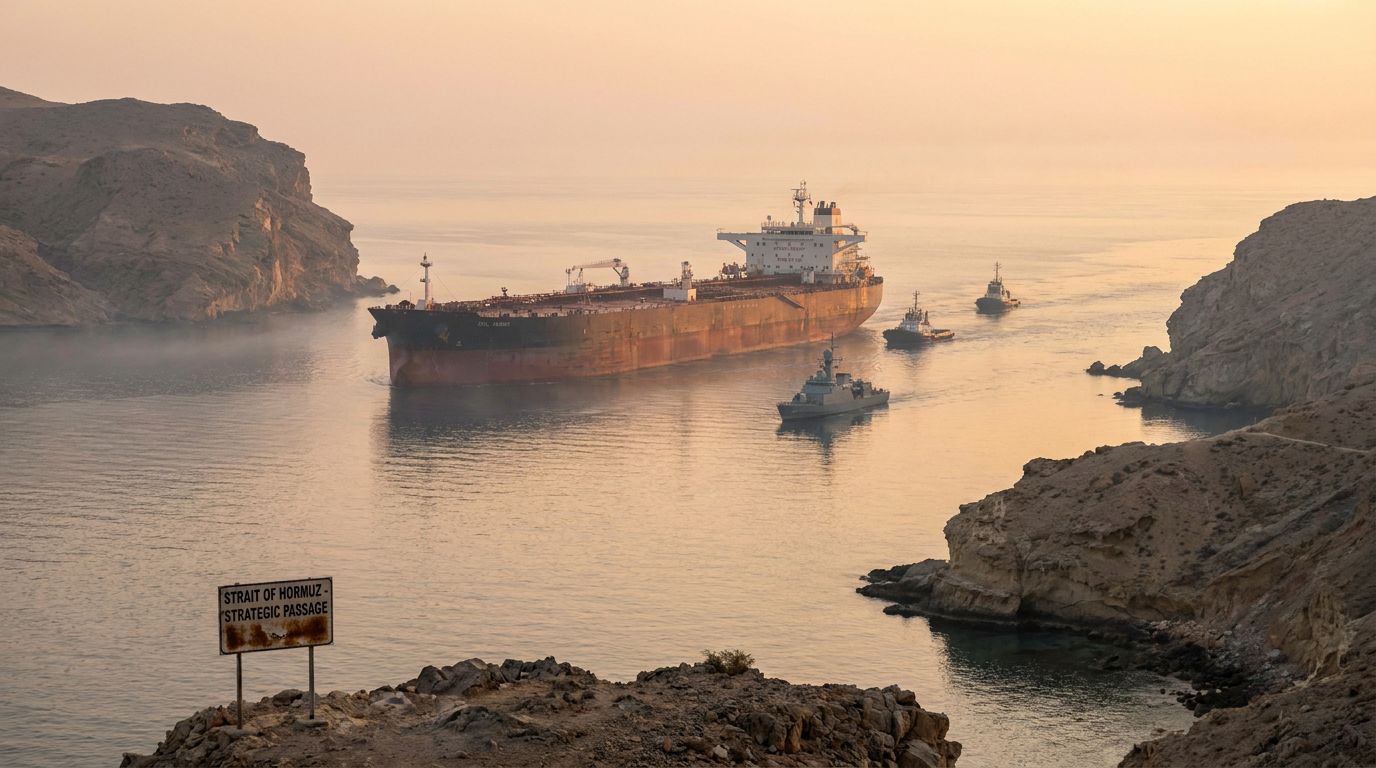
At the center of the agreement is the reopening of the Strait of Hormuz, a vital maritime chokepoint that Iran had closed to most commercial shipping during the height of the conflict with the US and Israel. The closure had effectively trapped a significant portion of the world's energy supply, triggering a global economic shockwave and forcing shipping companies to reroute vessels across the globe.[4][6]
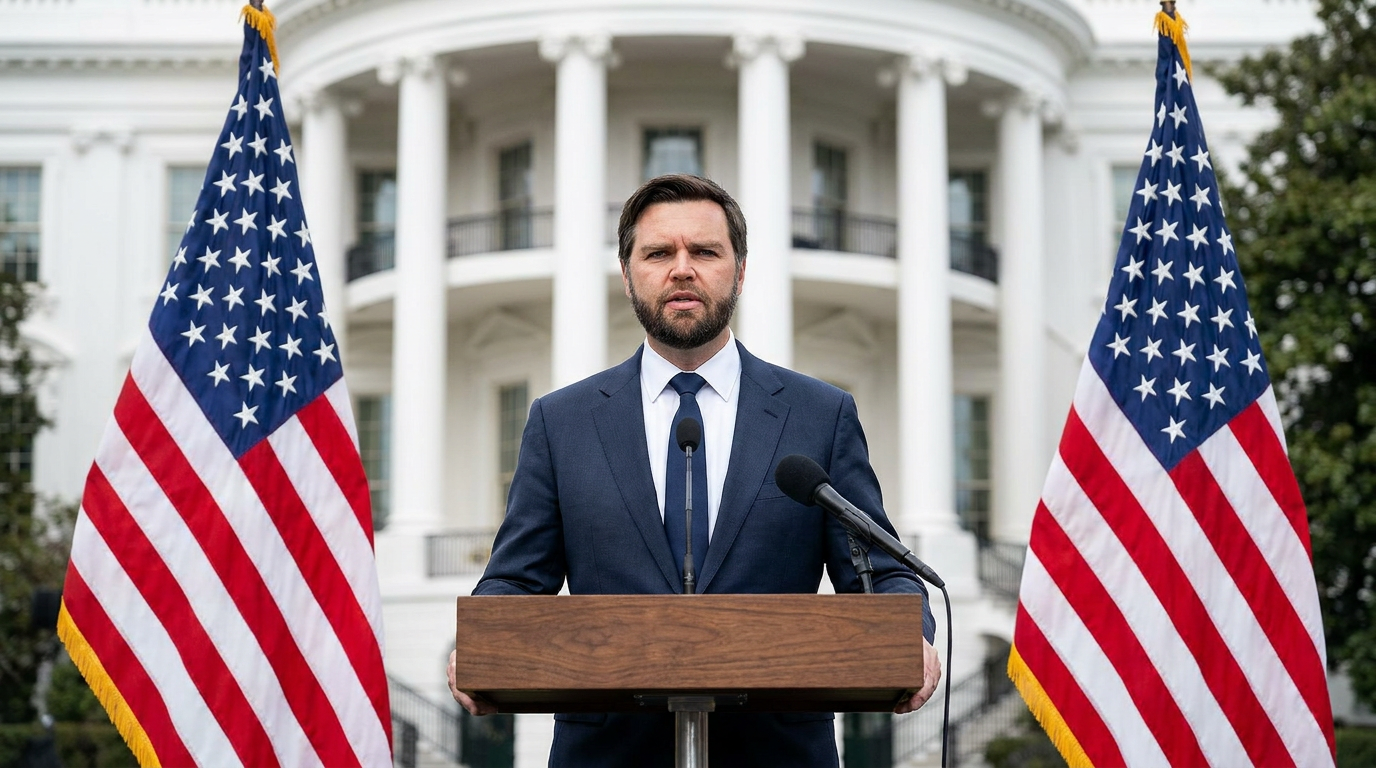
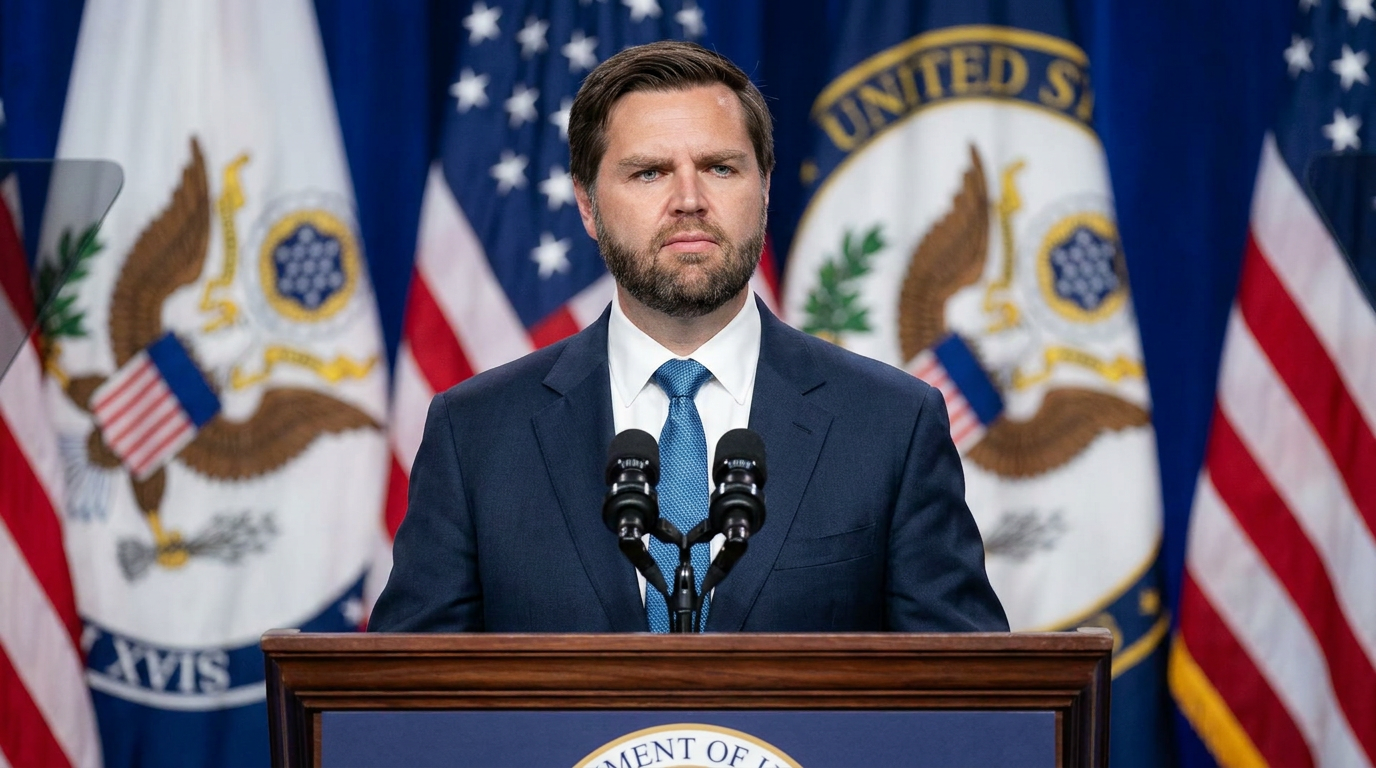
Vice President JD Vance outlined the preliminary framework of the deal, emphasizing that it requires a stringent new inspections regime for Tehran to ensure long-term compliance. Vance also sought to preempt domestic political criticism by confirming that the agreement involves absolutely no American taxpayer money being transferred to the Iranian government.[1]
The economic relief was immediate across global financial sectors. News of the impending signature sent stock markets surging on Monday morning, with the benchmark S&P 500 rising 1.7 percent and the tech-heavy Nasdaq jumping 3.1 percent as investors priced in the end of the energy chaos.[2]

Oil prices simultaneously slid on the prospect of millions of barrels of crude re-entering the global market. The Strait of Hormuz is the world's most critical oil transit chokepoint, historically facilitating the passage of roughly one-fifth of global liquid gas and oil consumption.[4][6][7]
However, energy analysts warn that consumers will not see immediate relief at the pump. Industry experts project that United States fuel prices will take "months" to fully normalize, despite the diplomatic breakthrough and the reopening of the shipping lanes.[3]
This lag is driven by severe logistical bottlenecks that accumulated during the waterway's closure. Energy producers require significant time to ramp production back up to pre-war levels, while commercial ports face massive backlogs of delayed shipments that must be processed before supply chains stabilize.[3]

This lag is driven by severe logistical bottlenecks that accumulated during the waterway's closure.
Furthermore, heightened global demand, which had been artificially suppressed by the soaring costs of the conflict, is expected to surge the moment shipping lanes are declared safe. This sudden spike in demand will likely absorb the initial waves of new supply, keeping baseline prices elevated in the near term.[3]
Beyond the economic mechanics, the geopolitical reality on the ground remains highly complex. The secretariat of Iran's supreme national security council announced that all military operations and war footing on all fronts, including its proxy engagements in Lebanon, would cease under the terms of the deal.[4]
This Iranian commitment to a regional stand-down contrasts sharply with the stated posture of the Israeli government. Prime Minister Benjamin Netanyahu has made it clear that the US-Iran bilateral agreement will not alter Israel's immediate tactical deployments on its borders.[5][8]
Netanyahu announced that Israeli military forces will maintain a designated "security zone" within occupied Lebanon, as well as ongoing operational presences in Syria and Gaza, to prevent any immediate resurgence of militant activity regardless of Tehran's directives.[5][8]

This discrepancy highlights the limits of the Washington-Tehran pact. While it successfully de-escalates the direct state-on-state warfare that threatened to engulf the entire Middle East, it leaves the localized, multi-front conflicts involving Israel and regional militias largely unresolved.[4][5]
The success of the deal will heavily depend on the implementation of the new inspection protocols mentioned by the US administration. Historically, verification regimes in Iran have required extensive cooperation with international atomic and military observers to ensure that terms are not being violated in secret.[1]
Shipping and maritime insurance companies are also waiting for concrete security guarantees before routing massive tankers back through the Persian Gulf. Insurance premiums for vessels transiting the region remain at historic highs, and mine-clearing operations may be necessary before full commercial traffic can safely resume.[7]

As Friday's signing approaches, the international community is watching closely to see if the fragile consensus holds. The agreement represents a massive diplomatic pivot, trading the immediate threat of a wider regional war for a complex, multi-stage recovery of the global energy supply chain.[4]
How we got here
Early Conflict
War mounted by the US and Israel leads Iran to close the Strait of Hormuz to most commercial shipping.
June 15, 2026
News breaks of a finalized US-Iran peace deal framework, sending global stock markets surging.
June 15, 2026
Israel announces it will maintain security zones in Lebanon, Syria, and Gaza regardless of the broader deal.
June 19, 2026
The formal signing of the US-Iran peace agreement is scheduled to take place.
Viewpoints in depth
The US Administration's View
The administration is framing the deal as a diplomatic victory that secures global energy without financial concessions.
For Washington, the primary objective of the agreement is the stabilization of the global economy and the prevention of a wider regional war. Vice President JD Vance's public comments highlight a strategy focused on strict verification, emphasizing that the new inspection regime will hold Tehran accountable. By stressing that no taxpayer funds are involved, the administration is actively working to insulate the treaty from domestic political backlash while delivering a tangible win for global markets.
The Iranian Security Council's View
Tehran views the agreement as a comprehensive cessation of hostilities across all regional fronts.
The secretariat of Iran's supreme national security council has positioned the deal as a definitive end to the war mounted against it by the US and Israel. By committing to halt military operations on all fronts—explicitly including its proxy engagements in Lebanon—Iran is signaling a willingness to trade its regional military leverage for the lifting of blockades and the resumption of normal maritime trade through the Strait of Hormuz.
The Israeli Government's View
Israel remains highly skeptical of Iran's commitments and insists on maintaining active military buffers.
Prime Minister Benjamin Netanyahu's administration is treating the US-Iran bilateral deal as separate from Israel's immediate national security imperatives. Unwilling to rely on Tehran's promises to stand down its proxy forces, Israel has declared its intention to maintain physical "security zones" in occupied Lebanon, Syria, and Gaza. This posture indicates that while the broader state-on-state war may be ending, Israel's localized, tactical operations against regional militias will continue unabated.
What we don't know
- The exact specifics of the new inspection regime and which international bodies will enforce it.
- How Iranian-backed proxy groups in Lebanon and Yemen will react to Israel's continued military presence in security zones.
- Exactly how long it will take for maritime insurance premiums to drop enough for full commercial shipping to resume in the Gulf.
Key terms
- Strait of Hormuz
- A narrow waterway between the Persian Gulf and the Gulf of Oman, serving as the only sea passage from the Persian Gulf to the open ocean and a critical chokepoint for global oil shipments.
- Security Zone
- A designated buffer area maintained by a military force outside its own borders to prevent attacks and monitor militant activity.
- Inspection Regime
- A set of protocols and agreements allowing international observers to verify that a country is complying with the terms of a treaty, often related to military or nuclear capabilities.
- Benchmark S&P 500
- A stock market index tracking the stock performance of 500 of the largest companies listed on stock exchanges in the United States, used as a primary indicator of economic health.
Frequently asked
Will gas prices drop immediately?
No. Energy analysts project it will take months for fuel prices to normalize due to port bottlenecks, the time needed to ramp up production, and a surge in global demand.
Is the US paying Iran in this deal?
According to Vice President JD Vance, the agreement involves no American taxpayer money going to Tehran.
Why is the Strait of Hormuz so important?
It is the world's most critical oil transit chokepoint, historically facilitating the passage of roughly 20 percent of the world's liquid gas and oil consumption.
Does this deal end the conflict with Israel?
Not entirely. While Iran stated it will cease military operations on all fronts, Israel announced it will maintain security zones in occupied Lebanon, Syria, and Gaza.
Sources
Source coverage
8 outlets
4 viewpoints surfaced






[1]Fox NewsUS Administration
JD Vance reveals details of US-Iran deal, addresses whether taxpayer money will go to Tehran
Read on Fox News →[2]Al JazeeraGlobal Energy Markets
US stock market climbs as US-Iran deal stirs hopes for end to energy chaos
Read on Al Jazeera →US fuel prices to take 'months' to normalise after US-Iran deal to end war
Read on Al Jazeera →[4]The GuardianIranian Leadership
Trump news at a glance: Long way to Friday and Iran peace deal signing
Read on The Guardian →Netanyahu says Israel will remain in Lebanon, Syria, and Gaza
Read on Al Jazeera →[6]U.S. Energy Information AdministrationGlobal Energy Markets
The Strait of Hormuz is the world's most important oil transit chokepoint
Read on U.S. Energy Information Administration →[7]ReutersGlobal Energy Markets
Oil prices slide as US-Iran peace deal signals reopening of Strait of Hormuz
Read on Reuters →[8]The Times of IsraelIsraeli Security Establishment
Netanyahu vows IDF will maintain security zones in Lebanon and Gaza despite US-Iran ceasefire
Read on The Times of Israel →
More in news politics
See all 5 stories →US-Iran Ceasefire
US and Iran Sign Framework to End War, but Enforcement Details and Gulf Mine-Clearing Remain Unresolved
0 sources
Crime Statistics
Fact-Checking the Historic 2025 Crime Drop: Are U.S. Cities Actually Safer?
0 sources

US-Iran Relations
US and Iran Reach Tentative Deal to Restore Gulf Shipping and Stabilize Energy Markets
0 sources
Every angle. Every day.
Get news politics stories with full source coverage and perspective breakdowns delivered to your inbox.