
US and Iran Reach Deal to End War and Reopen Strait of Hormuz as Israel Vows to Maintain Buffer Zones
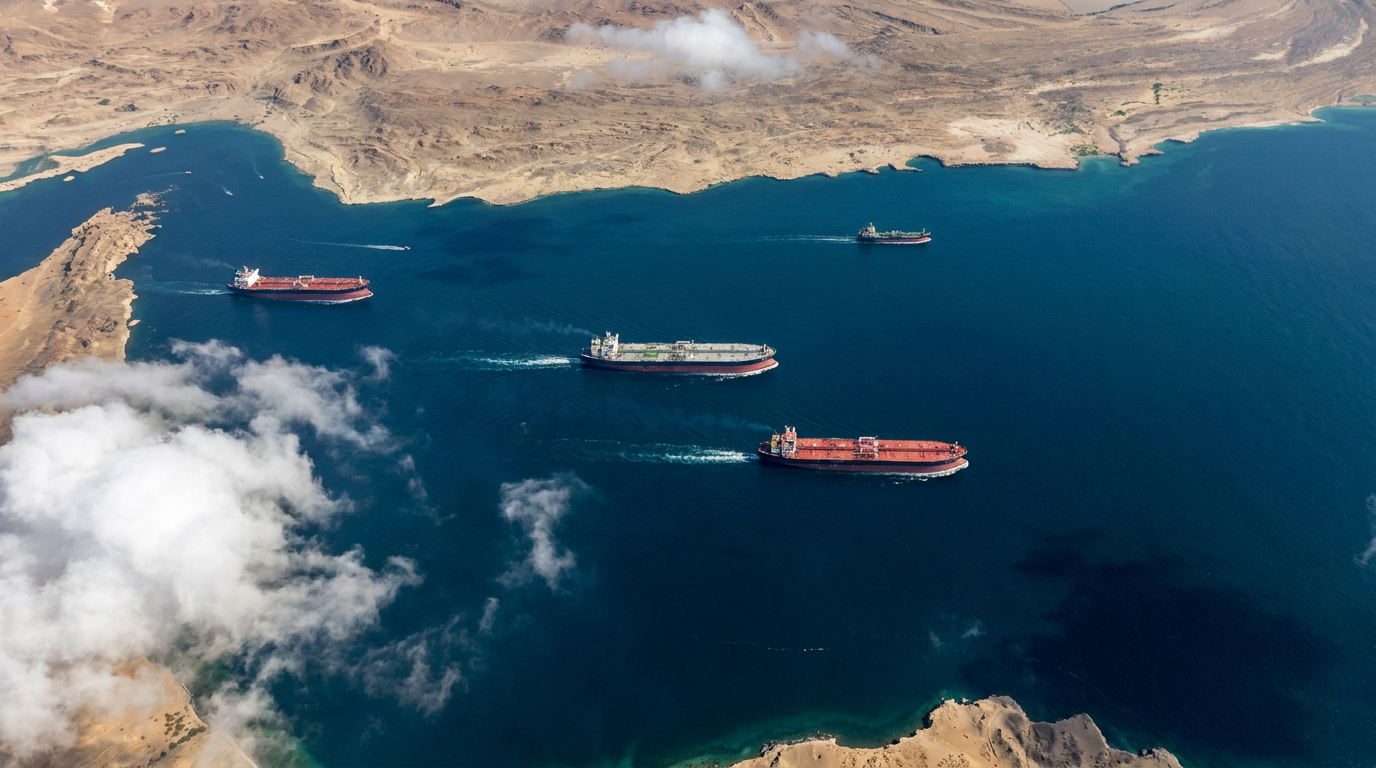
The United States and Iran have signed a memorandum of understanding to end their three-month conflict and reopen the vital Strait of Hormuz to global shipping. While the agreement has sent oil prices plummeting, Israeli leadership has distanced itself from the pact, vowing to maintain indefinite military control over buffer zones in Lebanon, Syria, and Gaza.
By Factlen Editorial Team
- Global Economic Observers
- Relieved by the de-escalation and the unblocking of a vital trade route, though cautious about the timeline for supply chains to normalize.
- US Administration
- Frames the deal as a diplomatic victory that ends the economic shock of the blockade while keeping Iran's nuclear ambitions in check.
- Israeli Security Establishment
- Views the agreement as failing to address immediate border threats, necessitating unilateral military buffer zones in neighboring territories.
- International Diplomats
- Focused on the mechanics of the ceasefire and the upcoming 60-day negotiation period to finalize a lasting nuclear agreement.
What's not represented
- · Lebanese civilians in the buffer zones
- · Iranian domestic opposition
Why this matters
The reopening of the Strait of Hormuz—a chokepoint for 20% of the world's oil—promises to ease a global energy crisis that has driven up inflation and disrupted supply chains. However, Israel's refusal to withdraw from occupied territories in Lebanon and Syria threatens to keep the region fractured, raising the risk of continued proxy warfare even as direct US-Iran hostilities cease.
Key points
- The US and Iran reached a memorandum of understanding to end their three-month war.
- The agreement reopens the Strait of Hormuz, lifting the US naval blockade and Iran's shipping restrictions.
- Global stock markets surged and oil prices dropped, though fuel prices will take months to normalize.
- Israeli Prime Minister Benjamin Netanyahu stated Israeli forces will remain in Lebanon, Syria, and Gaza indefinitely.
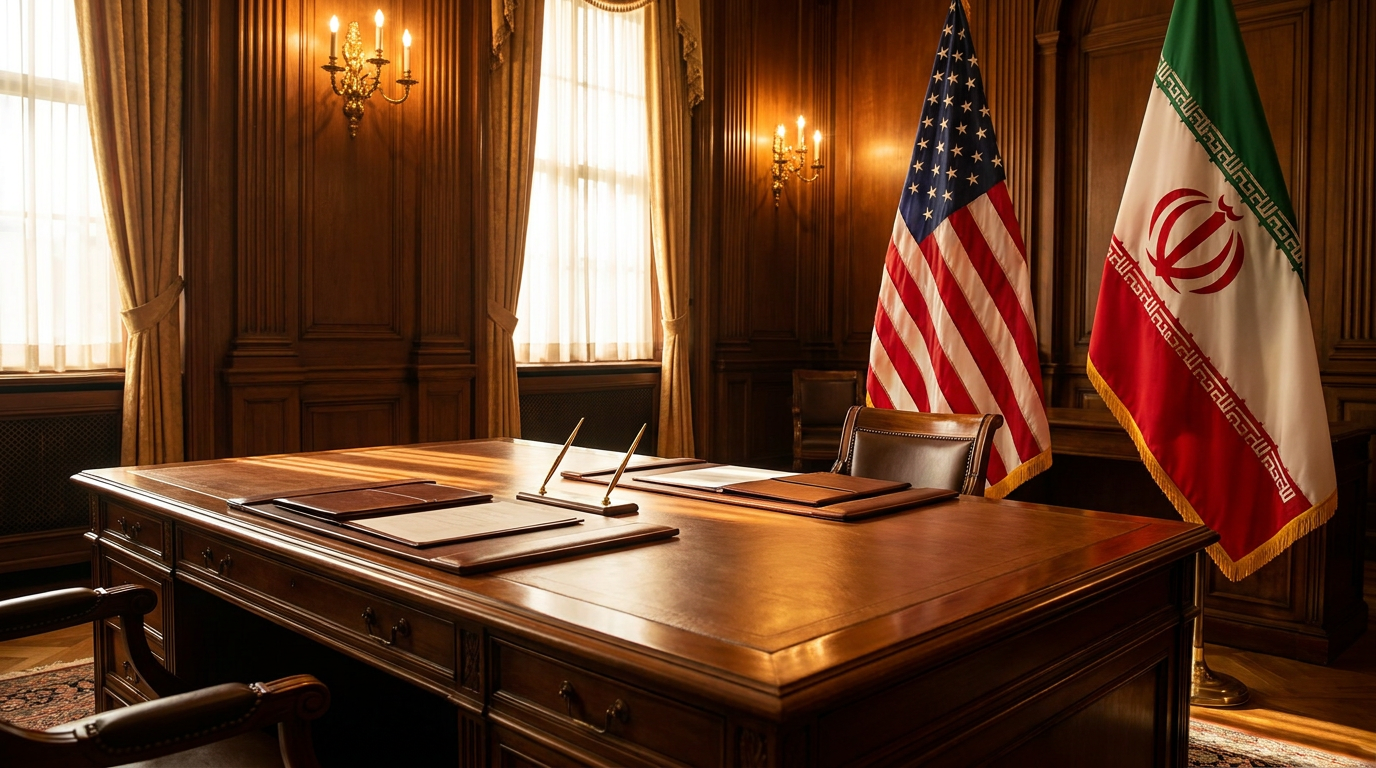
The United States and Iran have reached a landmark memorandum of understanding to end a three-and-a-half-month war, signaling the reopening of the Strait of Hormuz and a halt to direct military confrontation. The agreement was signed "digitally" over the weekend by US President Donald Trump, Vice President JD Vance, and Iranian Parliament Speaker Mohammad Bagher Ghalibaf, ahead of a formal ceremony scheduled for Friday in Geneva.[1][4]
The breakthrough, mediated heavily by Pakistani Prime Minister Shehbaz Sharif, aims to dismantle the dual blockades that have choked global trade since late February. Under the terms of the deal, the US will lift its naval blockade on Iranian ports, while Tehran will reopen the Strait of Hormuz to commercial shipping without charging maritime tolls. "Ships of the World, start your engines. Let the oil flow!" Trump announced on social media, declaring the vital waterway would be completely open by the end of the week.[5][7]
The economic reaction was immediate and dramatic. Global stock markets surged, with the tech-heavy Nasdaq jumping 3.1% and the S&P 500 rising 1.7%, as traders bet on an end to the energy chaos that has gripped the global economy. Asian markets, which rely heavily on the petroleum and liquefied natural gas transiting the strait, breathed a collective sigh of relief after months of plummeting currencies and supply chain bottlenecks.[3][6]

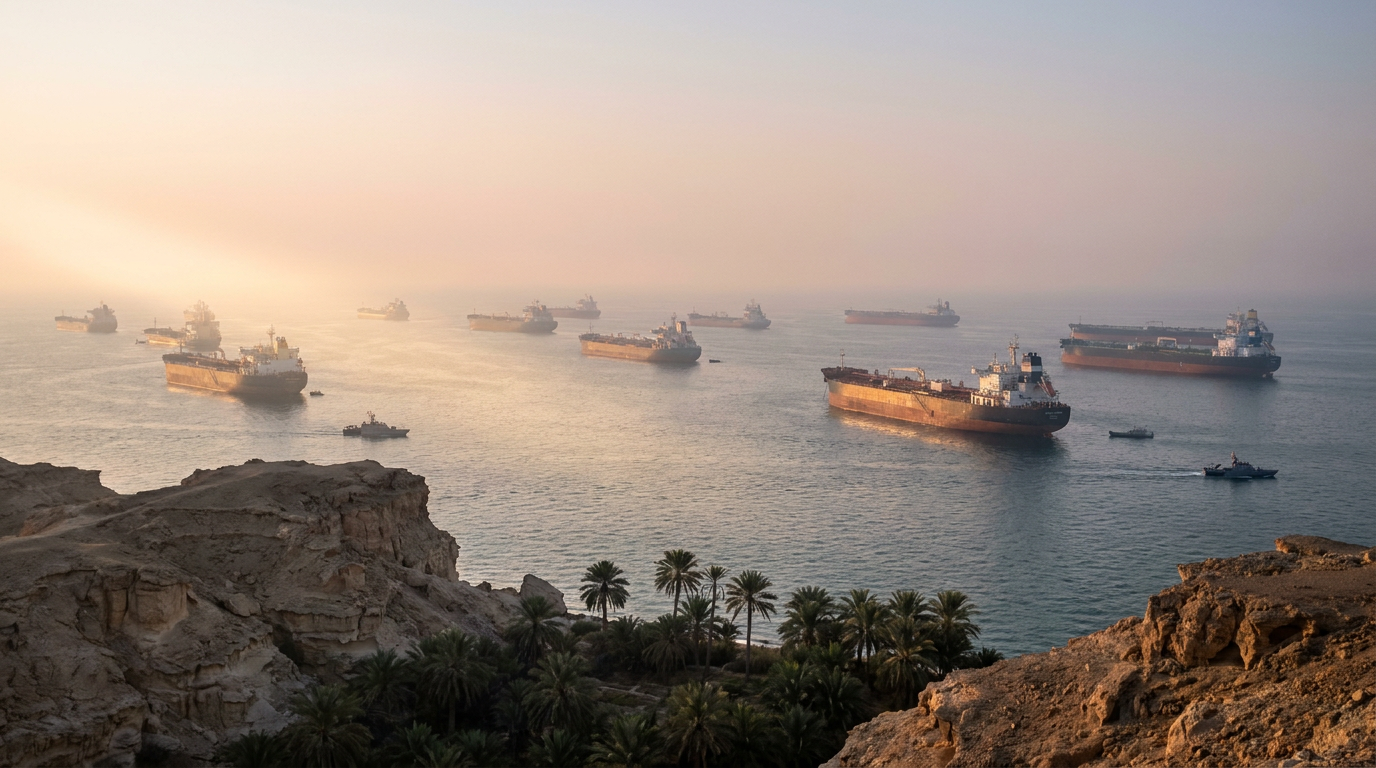
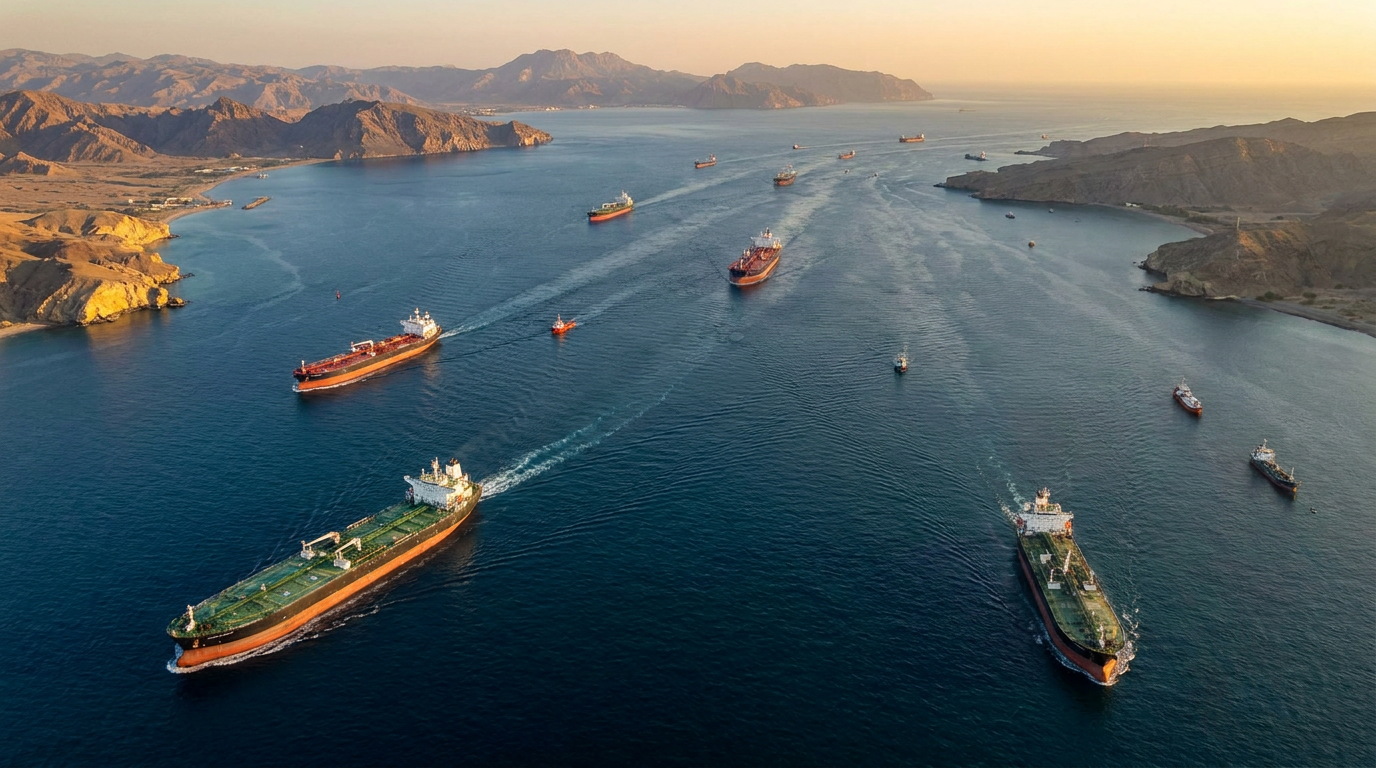
However, energy analysts caution that consumers will not see instant relief at the pump. While crude prices plunged on the news, experts warn that it will take weeks or even months for fuel prices to fully normalize. Hundreds of tankers trapped in the Persian Gulf must safely navigate the waterway, and Gulf oil producers require time to ramp up production and resolve logistical backlogs created by the prolonged closure.[3][6]
However, energy analysts caution that consumers will not see instant relief at the pump.
Domestically, the Trump administration is framing the agreement as a decisive victory that neutralizes Iran's nuclear ambitions without enriching its government. Vice President JD Vance emphasized that the deal includes a "real inspections regime" and assured the public that no American taxpayer money would be directed to Tehran. Reports indicate the agreement may unfreeze roughly $24 billion in Iranian assets and suspend certain sanctions on oil sales, initiating a 60-day negotiating period to finalize details regarding Iran's nuclear program.[1][7]
While the US-Iran pact includes provisions for a comprehensive ceasefire across all fronts, including Lebanon, America's closest Middle Eastern ally has starkly distanced itself from the diplomatic track. In his first public address following the announcement, Israeli Prime Minister Benjamin Netanyahu declared that Israeli forces will not withdraw from the territories they currently occupy.[2][7]

"We established deep security zones around the state of Israel. We did this in Gaza, in Lebanon, and in Syria," Netanyahu stated, insisting that troops would remain in these buffer zones "for as long as necessary to protect our country." Israeli Defense Minister Israel Katz echoed this hardline stance, confirming that the military would maintain its positions indefinitely to defend against what he termed "jihadist elements."[2][8]
The divergence highlights a significant rift between Washington's push for regional de-escalation and Jerusalem's security imperatives. Hardline members of Netanyahu's ruling coalition, including National Security Minister Itamar Ben-Gvir, have explicitly rejected the US-brokered memorandum, arguing that Trump's agreement does not bind Israel and demanding the complete dismantling of Hezbollah before any withdrawal.[2][4]

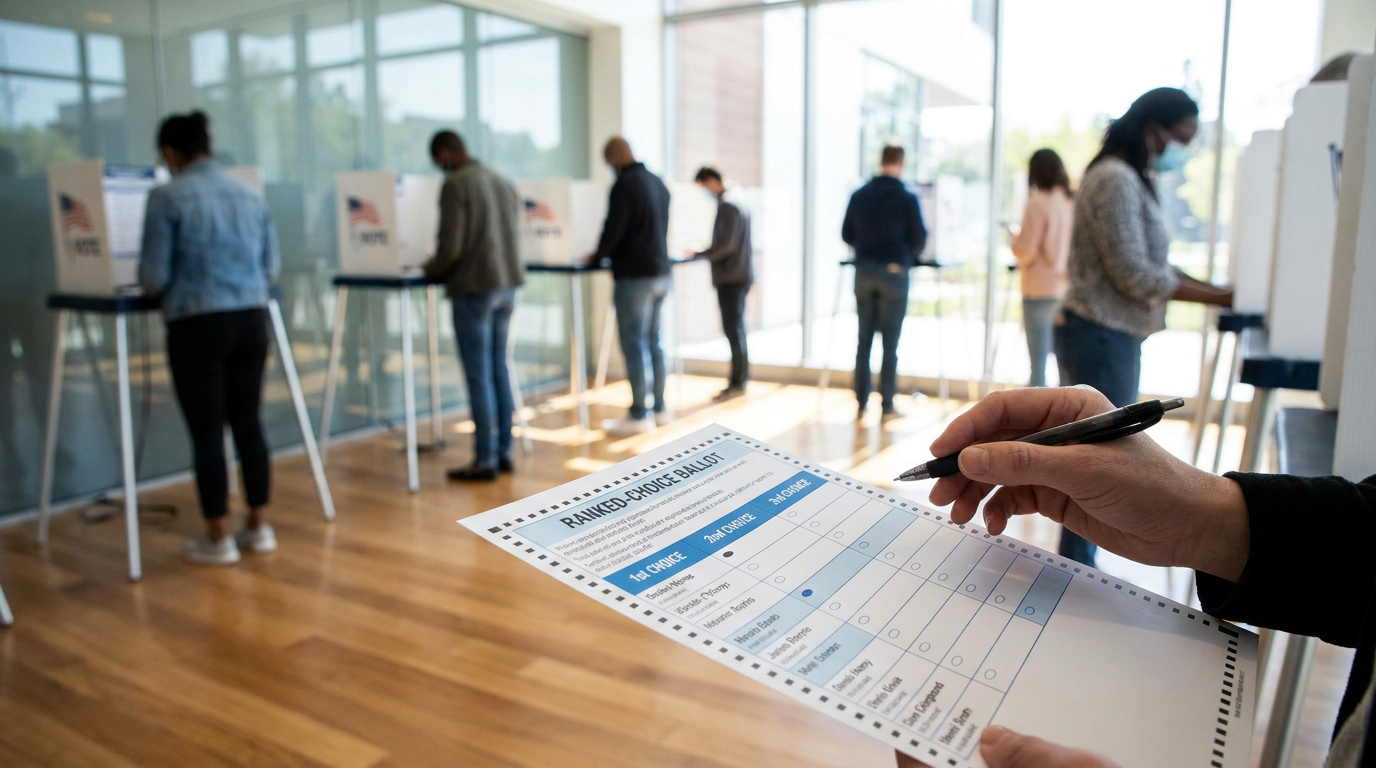
The coming days will test the durability of the fragile truce. As international maritime task forces prepare to clear mines and escort commercial vessels through the Strait of Hormuz, diplomats face the daunting task of enforcing a ceasefire in a region where Israel and Iranian proxy forces remain locked in active, close-quarters combat.[4][5]
How we got here
Feb 28, 2026
US and Israel launch strikes on Iran, sparking a broader regional conflict.
March 2026
Iran blockades the Strait of Hormuz; the US responds with a naval blockade of Iranian ports.
April 2026
Temporary ceasefires fail as Israel expands ground operations into southern Lebanon.
June 14, 2026
US and Iran finalize a Memorandum of Understanding to end hostilities.
June 19, 2026
Formal signing ceremony scheduled to take place in Geneva, Switzerland.
Viewpoints in depth
The US Administration
Focuses on ending the economic shock and claiming a diplomatic victory over Iran's nuclear ambitions.
The Trump administration is presenting the memorandum of understanding as a masterclass in leverage, arguing that the combination of military strikes and a naval blockade forced Tehran to capitulate. Vice President JD Vance has stressed that the deal secures global trade routes without relying on American taxpayer funds, drawing a sharp contrast with previous administrations' approaches to Iranian diplomacy. For Washington, the immediate priority is stabilizing global energy markets while establishing a strict 60-day window to lock in nuclear concessions.
Israeli Leadership
Views the deal as failing to address the immediate border threats from Hezbollah and Hamas.
Israeli officials, led by Prime Minister Benjamin Netanyahu and Defense Minister Israel Katz, argue that a US-Iran ceasefire does not neutralize the localized threats posed by Iranian proxy groups. Consequently, Israel has explicitly distanced itself from the de-escalation framework, insisting on maintaining indefinite military control over buffer zones in Lebanon, Syria, and Gaza. Hardline coalition members view the US agreement as an abandonment of the broader goal to dismantle Hezbollah, signaling that Israel will continue its military campaigns regardless of Washington's diplomatic timeline.
The Iranian Government
Frames the agreement as a successful resistance that forced the lifting of a US blockade.
Tehran is projecting the agreement to its domestic audience as a victory of endurance. By securing the release of billions in frozen assets and the lifting of the US naval blockade, Iranian officials argue they have successfully weathered the storm of American and Israeli military pressure. While they have agreed to reopen the Strait of Hormuz, the government maintains that it negotiated from a position of strength, utilizing its control over the vital waterway to force economic concessions from the West.
Global Markets & Importers
Relieved by the de-escalation but cautious about the timeline for supply chains to normalize.
Asian economies and global energy markets have borne the brunt of the three-month blockade, suffering from inflated prices and disrupted supply chains. While the announcement of the deal triggered an immediate stock market rally and a drop in crude prices, economic analysts remain pragmatic. They emphasize that the physical clearing of sea mines, the untangling of logistical backlogs, and the ramping up of oil production will take months, meaning consumers will not feel the effects of the peace deal immediately.
What we don't know
- How quickly the physical clearing of sea mines in the Strait of Hormuz can be completed.
- Whether Israel's refusal to withdraw from Lebanon will trigger renewed clashes with Hezbollah despite the US-Iran ceasefire.
- The exact details of the 60-day negotiation period regarding Iran's nuclear enrichment program.
Key terms
- Strait of Hormuz
- A narrow waterway between the Persian Gulf and the Gulf of Oman, through which roughly 20% of the world's oil passes.
- Memorandum of Understanding (MoU)
- A formal agreement between two or more parties outlining the terms of an understanding, often preceding a finalized treaty.
- Buffer Zone
- A neutral or militarized area separating hostile forces to prevent conflict, which Israel claims to have established in neighboring territories.
Frequently asked
Will gas prices drop immediately?
While crude oil prices fell on the news, experts say it will take weeks or months for production and shipping logistics to normalize and reach consumers.
Is the war in the Middle East completely over?
No. While the US and Iran have agreed to cease direct hostilities, Israel has stated it will maintain its military presence in Lebanon, Syria, and Gaza.
Who mediated the agreement?
Pakistani Prime Minister Shehbaz Sharif played a key role in mediating the talks between Washington and Tehran.
Sources
Source coverage
8 outlets
4 viewpoints surfaced








[1]Fox NewsUS Administration
JD Vance reveals details of US-Iran deal, addresses whether taxpayer money will go to Tehran
Read on Fox News →[2]The GuardianInternational Diplomats
Netanyahu says Israeli forces will remain in Lebanon 'buffer zone'
Read on The Guardian →[3]Al JazeeraGlobal Economic Observers
US stock market climbs as US-Iran deal stirs hopes for end to energy chaos
Read on Al Jazeera →[4]Times of IsraelIsraeli Security Establishment
Vance: US-Iran deal was signed 'digitally' yesterday; US official says Trump, Vance and Iran's Ghalibaf signed
Read on Times of Israel →[5]CNAGlobal Economic Observers
Trump says Strait of Hormuz to reopen on Friday under US-Iran deal
Read on CNA →[6]The Business TimesGlobal Economic Observers
Strait of Hormuz reopening would offer relief for Asia, but economic scars will remain
Read on The Business Times →[7]CBCInternational Diplomats
U.S., Iran reach new peace deal
Read on CBC →[8]Muslim Network TVIsraeli Security Establishment
Netanyahu adamant on 'indefinite' troop presence in Lebanon, Syria, Gaza
Read on Muslim Network TV →
More in news politics
See all 6 stories →Strait of Hormuz
US and Iran Reach Deal to End War and Reopen Strait of Hormuz, but Israel Vows to Maintain 'Security Zones'
0 sources
Electoral Reform
Evidence Pack: Does Ranked-Choice Voting Actually Reduce Political Polarization?
0 sources
US-Iran Deal
US and Iran Reach Historic Deal to End War and Reopen Strait of Hormuz
0 sources
US-Iran Relations
US and Iran Sign Peace Agreement to End War and Reopen Strait of Hormuz
0 sources
Every angle. Every day.
Get news politics stories with full source coverage and perspective breakdowns delivered to your inbox.