
US and Iran Reach Deal to End War and Reopen Strait of Hormuz, but Israel Vows to Maintain 'Security Zones'
The United States and Iran have agreed to a memorandum of understanding to end months of conflict and reopen the vital Strait of Hormuz, sending global markets soaring. However, the deal faces immediate hurdles as Israel refuses to withdraw its forces from Lebanon, and questions swirl over a $300 billion Gulf-funded reconstruction package.
By Factlen Editorial Team
- US Administration
- Argues the deal is a victory that secures a toll-free Strait of Hormuz and ends the conflict without US taxpayer funds.
- Israeli Leadership
- Prioritizes border security, refusing to withdraw from Lebanon or Syria regardless of the US-Iran agreement.
- Global Markets & Shipping
- Welcomes the economic relief but remains highly cautious about the physical safety of vessels until the deal is fully implemented.
- Deal Skeptics
- Criticizes the agreement for allegedly enriching Iran through reconstruction funds and frozen asset releases.
What's not represented
- · Lebanese civilians displaced by the security zones
- · Iranian citizens facing domestic economic conditions
Why this matters
The reopening of the Strait of Hormuz promises to ease a global energy crisis and lower fuel prices that have battered consumers since the war began. However, Israel's refusal to exit Lebanon threatens to unravel the fragile ceasefire before the ink dries, keeping the region on the brink of wider conflict.
Key points
- The US and Iran have agreed to a memorandum of understanding to end their months-long war.
- The deal aims to reopen the Strait of Hormuz and lift the US naval blockade on Iranian ports.
- Global markets rallied and oil prices fell nearly 5% following the announcement.
- Vice President JD Vance clarified that a $300 billion reconstruction fund for Iran will be financed by Gulf states, not the US.
- Israeli Prime Minister Benjamin Netanyahu stated Israel will not withdraw from its 'security zones' in Lebanon, Gaza, and Syria.
- The official signing ceremony is scheduled for Friday in Switzerland.
The United States and Iran have reached a preliminary agreement to end a devastating months-long war, signaling a potential close to a conflict that has severely disrupted global energy markets. The memorandum of understanding, mediated by Pakistan, outlines an immediate and permanent termination of military operations across all fronts. The diplomatic breakthrough sets the stage for an official signing ceremony scheduled for Friday in Switzerland, offering a fragile off-ramp from a war that began with US and Israeli strikes in late February.[4][6][7]
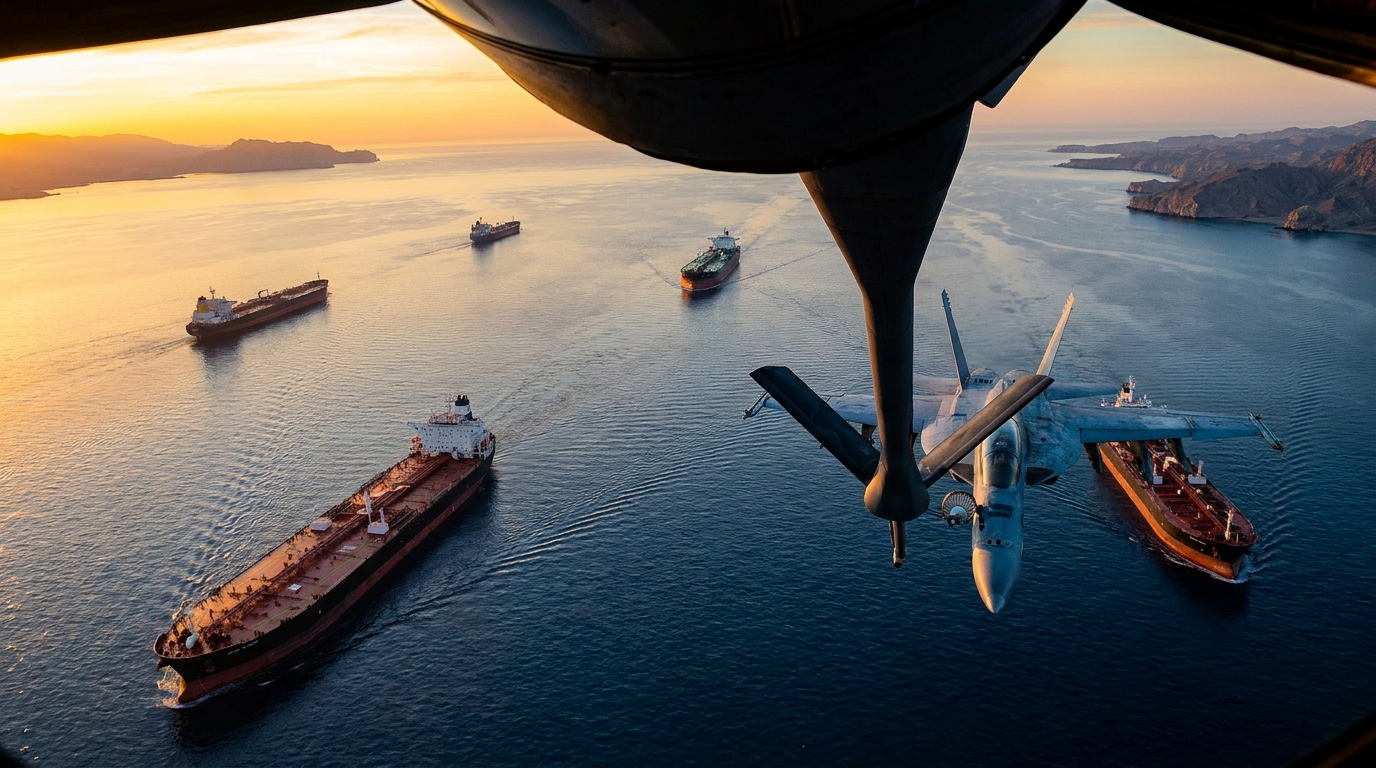
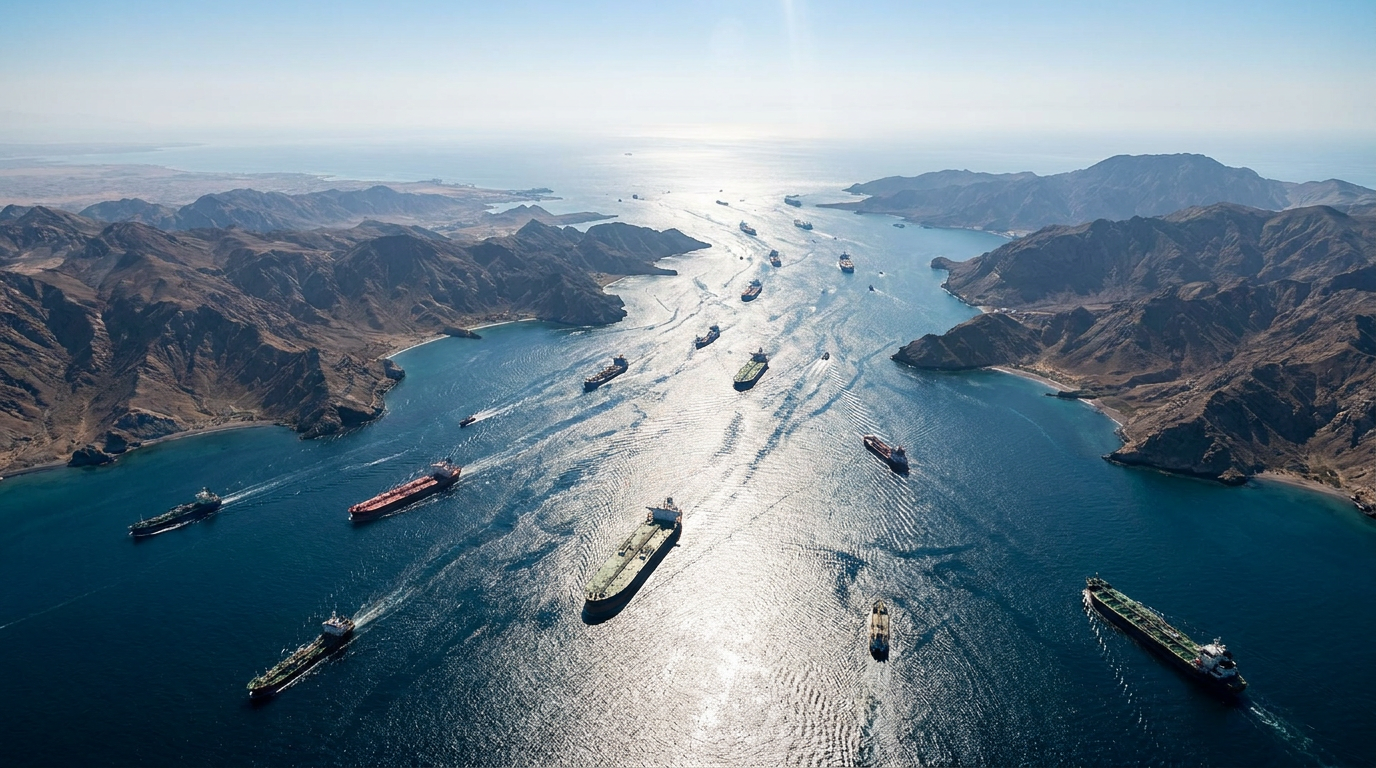
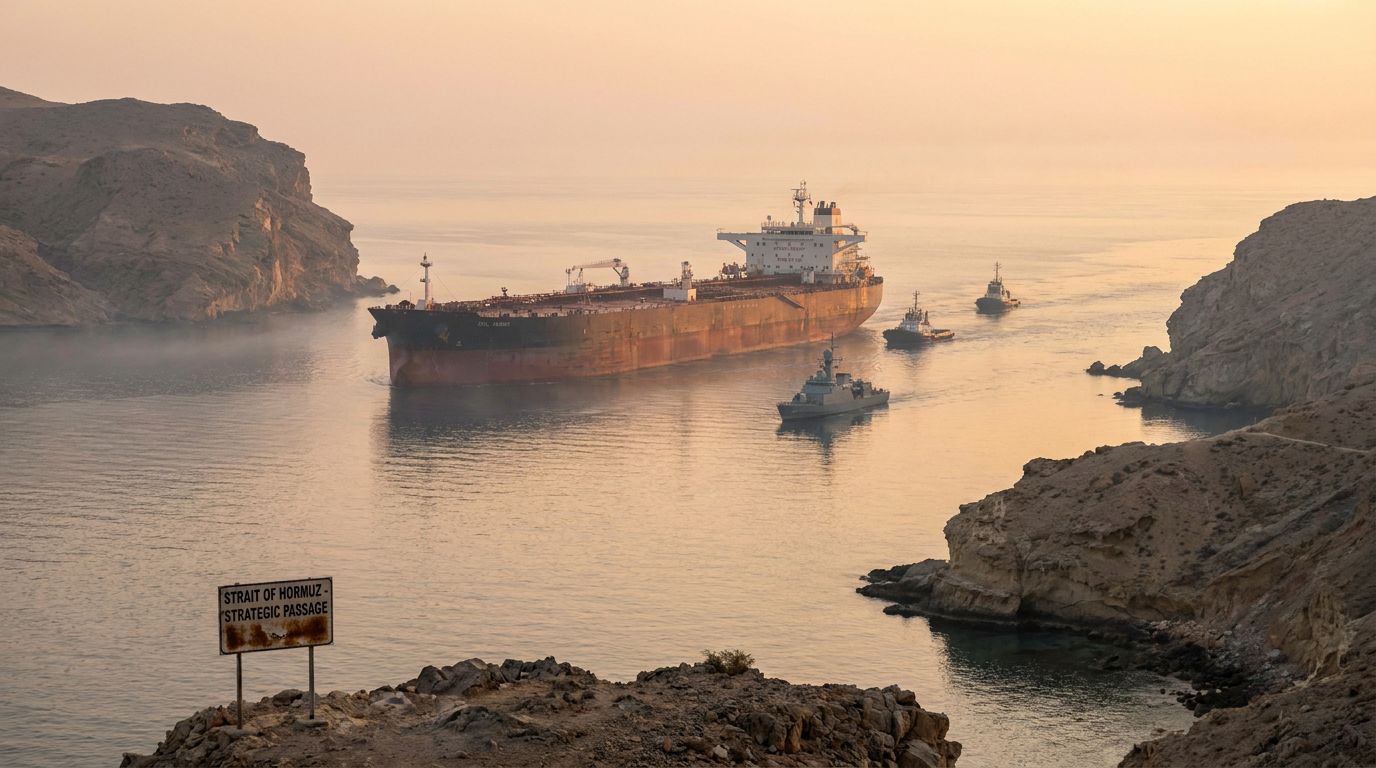
At the center of the agreement is the reopening of the Strait of Hormuz, a vital maritime chokepoint that Iran had blockaded, alongside the reciprocal lifting of a US naval blockade on Iranian ports. President Donald Trump heralded the deal's completion, declaring that he had authorized the immediate removal of the US blockade and that the strait would be "permanently toll-free." "Ships of the World, start your engines. Let the oil flow," Trump announced, claiming that vessels loaded with crude were already beginning to move.[6][7]
The prospect of unfreezing a waterway that handles roughly 20 percent of the world's oil consumption sent an immediate shockwave through global markets. Crude oil prices tumbled nearly 5 percent toward $80 a barrel, retreating from the $110 highs seen at the war's onset. Equities rallied in tandem, with the benchmark S&P 500 climbing 1.7 percent and the tech-heavy Nasdaq jumping 3.1 percent as investors bet on an end to the energy chaos.[2][7]

However, the immediate relief on Wall Street will not translate to instant savings for consumers at the pump. Energy analysts warn that US fuel prices will take months to fully normalize. Producers require significant time to ramp up output, and persistent port bottlenecks combined with heightened summer demand will keep prices elevated even as crude oil begins to flow more freely through the Gulf.[5]
The shipping industry is also treating the political declarations with profound caution. While maritime organizations welcomed the diplomatic progress, a Joint Maritime Information Center advisory warned that the US blockade technically remains in effect until the Friday signing. The advisory instructed mariners not to attempt crossing the strait until explicit direction is given, noting that the maritime threat level remains "severe" and that enforcement actions—including vessel boardings—are still active.[10]
The shipping industry is also treating the political declarations with profound caution.
In Washington, the diplomatic victory lap was quickly complicated by fierce domestic debate over the financial concessions embedded in the framework. Rumors circulated that the agreement included a staggering $300 billion reconstruction fund for Iran, prompting outrage from critics who accused the administration of using American taxpayer money to bankroll a hostile nation. Deal skeptics argued that the financial package, alongside the unfreezing of billions in Iranian assets, effectively rewarded Tehran and left it stronger than before the conflict.[1][8]
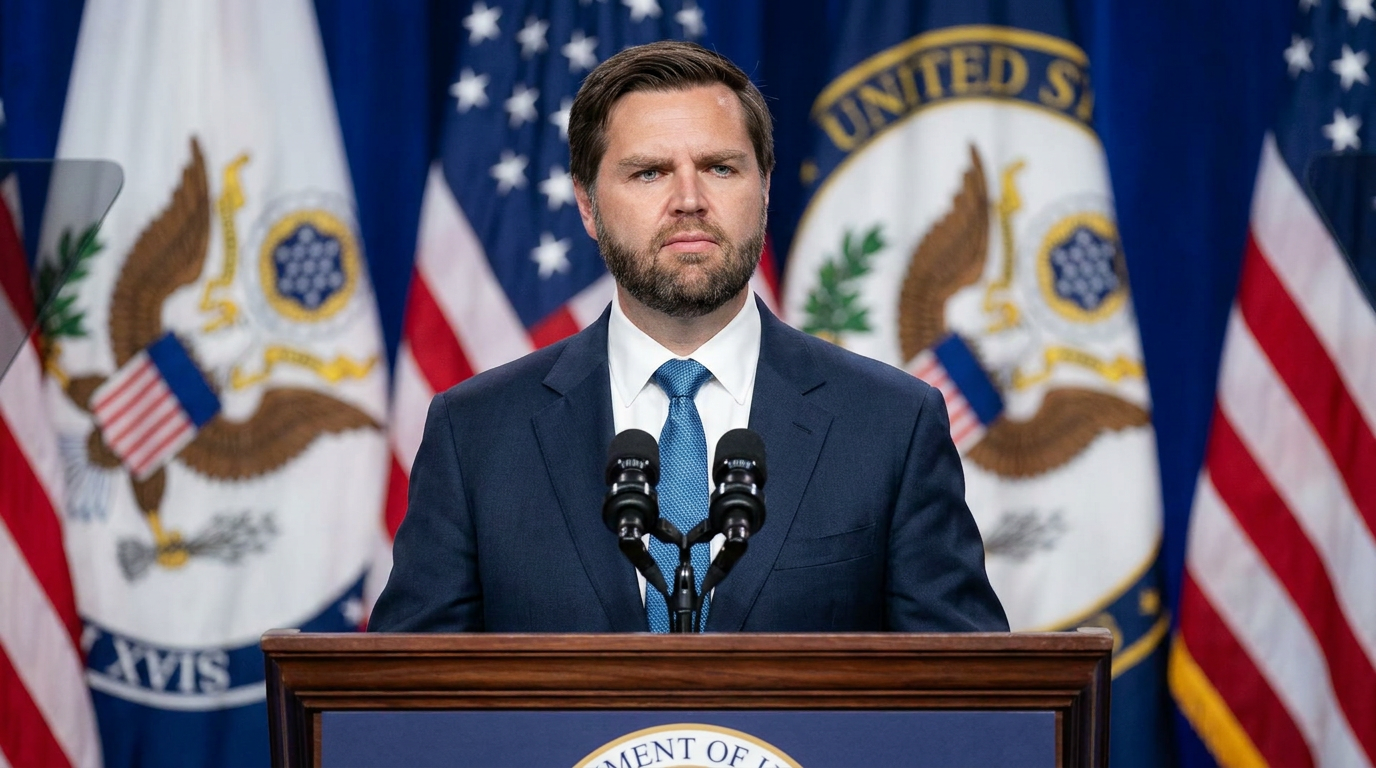
Vice President JD Vance forcefully pushed back against the narrative, clarifying the mechanics of the reconstruction package. Vance confirmed that while the $300 billion figure is real, not a single dollar will come from US taxpayers. Instead, the funds will be provided by Gulf Cooperation Council states—including Qatar, Saudi Arabia, and the United Arab Emirates—as conditional investments tied to Iran's strict adherence to the agreement. Vance emphasized that the deal requires a rigorous inspections regime and that the Gulf-funded capital is entirely dependent on Tehran's performance.[1][8]

Yet, the most severe threat to the US-Iran pact comes not from domestic politics, but from America's closest Middle Eastern ally. The memorandum of understanding reportedly includes provisions for ending military operations in Lebanon, where Israel has been engaged in a fierce ground war against Hezbollah. But Israeli leadership immediately and publicly rejected any expectation that they would withdraw their forces to accommodate the Washington-Tehran framework.[3][6]
In a defiant press conference, Israeli Prime Minister Benjamin Netanyahu stated that the IDF will maintain its presence in southern Lebanon indefinitely. "We have established strengthened security zones around Israel. We did this in Gaza, Lebanon and Syria, and we will remain in these security zones as long as necessary to protect our country," Netanyahu declared. He claimed that while Iran had demanded an Israeli withdrawal during the negotiations, Israel successfully resisted the pressure, though he admitted he had not yet seen the precise details of the US-Iran memorandum.[3][9]
Israeli Defense Minister Israel Katz reinforced the hardline stance, stating that the security zones will be cleared of local residents and that all terror infrastructure will be destroyed. Katz warned that holding the buffer zones is among the military's greatest achievements and that Israel will not compromise its security interests regardless of international pressure. "If Iran attacks Israel because of events in Lebanon, we will strike it with full force," Katz added, underscoring the explosive potential for the ceasefire to collapse.[9]

The stark disconnect between the US-brokered peace framework and Israel's operational reality leaves the Friday signing ceremony shrouded in uncertainty. Iranian officials have already struck a cautious tone, citing a history of broken commitments, while Hezbollah has insisted there can be no return to the pre-war status quo. As diplomats race toward Geneva, the world watches to see if a signature can truly untangle a multi-front war, or if the conflicting red lines in Lebanon will ignite the region once again.[4][6][7]
How we got here
Late Feb 2026
US and Israeli strikes on Iran trigger a broader regional war and the closure of the Strait of Hormuz.
April 2026
A temporary ceasefire is agreed upon, but tensions remain high as the US blockades Iranian ports.
June 14, 2026
President Trump and Pakistani mediators announce a preliminary agreement to end the war.
June 15, 2026
Global markets rally and oil prices drop as details of the toll-free Strait of Hormuz emerge.
June 19, 2026
The official memorandum of understanding is scheduled to be signed in Switzerland.
Viewpoints in depth
The US Administration's View
The White House frames the deal as a masterstroke that secures global energy and ends a costly war without US funds.
President Trump and Vice President Vance argue that the aggressive military posture taken in February forced Iran to the negotiating table on favorable terms. By securing a 'toll-free' Strait of Hormuz and offloading the $300 billion reconstruction costs to Gulf states, the administration claims it has stabilized the global economy while maintaining a strict inspections regime over Tehran.
Israel's Security Imperative
Israeli leadership views the US-Iran pact as separate from its existential need to maintain physical buffer zones.
Prime Minister Netanyahu and Defense Minister Katz argue that international diplomatic agreements cannot substitute for physical security on Israel's borders. They view the occupation of southern Lebanon, Gaza, and parts of Syria as non-negotiable 'security zones' necessary to prevent future jihadist attacks, explicitly rejecting any US-Iran terms that demand an IDF withdrawal.
The Shipping Industry's Caution
Maritime operators are prioritizing physical safety over political declarations.
Despite the celebratory tone in Washington, organizations like the Joint Maritime Information Center are advising vessels to hold their positions. The industry remembers months of false starts and recognizes that until the US Navy officially lifts its blockade and Iran ceases its threat posture, transiting the Strait of Hormuz remains a severe operational risk.
What we don't know
- Whether Israel's refusal to leave Lebanon will cause Iran to back out of the agreement before Friday's signing.
- The exact technical mechanisms that will govern the Gulf-funded $300 billion reconstruction package.
- How quickly the shipping industry will feel confident enough to resume full-scale operations through the Strait of Hormuz.
Key terms
- Strait of Hormuz
- A narrow, strategically vital waterway between the Persian Gulf and the Gulf of Oman, through which about 20% of the world's global oil consumption passes.
- Memorandum of Understanding
- A preliminary agreement outlining the broad terms of a deal before a final, legally binding treaty is signed.
- Naval Blockade
- The use of naval forces to cut off a country's ports, preventing the entry or exit of commercial and military vessels.
- Security Zone
- A designated buffer area occupied by military forces to prevent cross-border attacks, currently maintained by Israel in southern Lebanon.
Frequently asked
When will the Strait of Hormuz officially reopen?
While President Trump authorized its opening, the shipping industry warns the waterway remains under a severe threat level until the deal is officially signed on Friday.
Is the US paying Iran $300 billion?
No. Vice President JD Vance clarified that the proposed $300 billion reconstruction fund will be financed by Gulf states like Qatar and Saudi Arabia as conditional investments.
Will gas prices go down immediately?
No. Analysts expect it will take months for US fuel prices to normalize due to supply chain bottlenecks and the time required to ramp up production.
How does this affect Israel's war in Lebanon?
The US-Iran deal reportedly calls for an end to hostilities on all fronts, but Israeli leaders have explicitly refused to withdraw their forces from southern Lebanon.
Sources
Source coverage
10 outlets
4 viewpoints surfaced








[1]Fox NewsUS Administration
JD Vance reveals details of US-Iran deal, addresses whether taxpayer money will go to Tehran
Read on Fox News →[2]Al JazeeraGlobal Markets & Shipping
US stock market climbs as US-Iran deal stirs hopes for end to energy chaos
Read on Al Jazeera →Netanyahu says Israel will remain in Lebanon, Syria, and Gaza
Read on Al Jazeera →[4]The GuardianDeal Skeptics
Trump news at a glance: Long way to Friday and Iran peace deal signing
Read on The Guardian →US fuel prices to take ‘months’ to normalise after US-Iran deal to end war
Read on Al Jazeera →[6]CBS NewsUS Administration
Trump says U.S. deal with Iran 'is now complete,' authorizes removal of Navy blockade of Strait of Hormuz
Read on CBS News →[7]Global NewsUS Administration
Strait of Hormuz to reopen Friday under US-Iran deal – Trump
Read on Global News →[8]The New RepublicDeal Skeptics
JD Vance Confirms Iran Will Get Jaw-Dropping Sum Under Trump Deal
Read on The New Republic →[9]The Times of IsraelIsraeli Leadership
Defense minister: Israel staying in south Lebanon; if Iran strikes, we'll hit it 'with full force'
Read on The Times of Israel →[10]gCaptainGlobal Markets & Shipping
Shipping Industry Welcomes Iran Deal But Warns Strait of Hormuz Reopening Will Take Time
Read on gCaptain →

More in news politics
See all 6 stories →US-Iran Relations
US and Iran Reach Tentative Deal to Restore Gulf Shipping and Stabilize Energy Markets
0 sources
Information Ecosystem
The Evidence Behind Crowdsourced Fact-Checking: Why Community Notes Actually Work
0 sources

US-Iran Relations
US and Iran to Sign Peace Deal Ending War, Reopening Strait of Hormuz
0 sources
US-Iran Relations
US and Iran Reach Peace Deal to End Conflict and Reopen Strait of Hormuz
0 sources
Every angle. Every day.
Get news politics stories with full source coverage and perspective breakdowns delivered to your inbox.