
US and Iran Reach Peace Deal to End War, Reopening Strait of Hormuz
The United States and Iran have agreed to a comprehensive peace deal to end ongoing hostilities, prompting a surge in global markets and a drop in oil prices as the Strait of Hormuz prepares to reopen. While the agreement includes strict inspection regimes and no US taxpayer funds, experts warn that domestic fuel prices will take months to fully normalize.
By Factlen Editorial Team
- Market & Economic Analysts
- Focuses on the macroeconomic relief of reopening shipping lanes, while cautioning about the delayed normalization of consumer prices.
- US Administration
- Frames the deal as a decisive victory that secures American interests through strict inspections without financial concessions.
- Regional Security Hardliners
- Maintains that broader regional threats persist and insists on maintaining military security zones despite the US-Iran ceasefire.
- Diplomatic Skeptics
- Views the agreement as a compromise filled with ambiguities that may undermine its long-term enforcement.
What's not represented
- · Iranian civilian population
- · European shipping companies
Why this matters
The reopening of the Strait of Hormuz will alleviate a major bottleneck in global energy supply, directly lowering inflation pressures and stabilizing markets. However, the timeline for relief at the gas pump remains delayed, and the regional security landscape will fundamentally shift as the US enforces new inspection regimes.
Key points
- The US and Iran have reached a peace deal to end active military operations.
- The agreement paves the way for reopening the Strait of Hormuz to international shipping.
- Global stock markets surged, with the S&P 500 rising 1.7% and the Nasdaq jumping 3.1%.
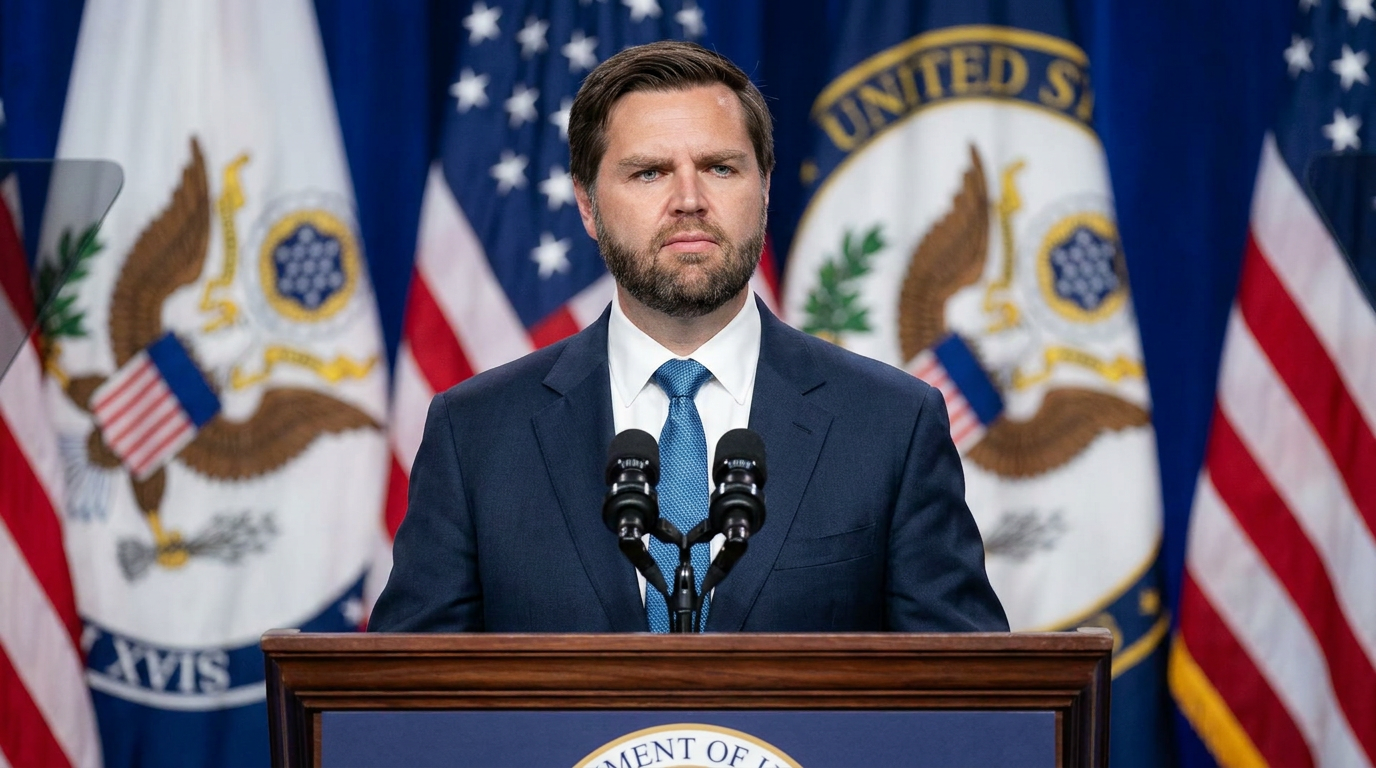
- Vice President JD Vance confirmed the deal includes strict inspections and no US taxpayer money.
- Analysts warn it will take months for US fuel prices to fully normalize.
- Israel announced it will maintain security zones in Lebanon, Syria, and Gaza despite the deal.
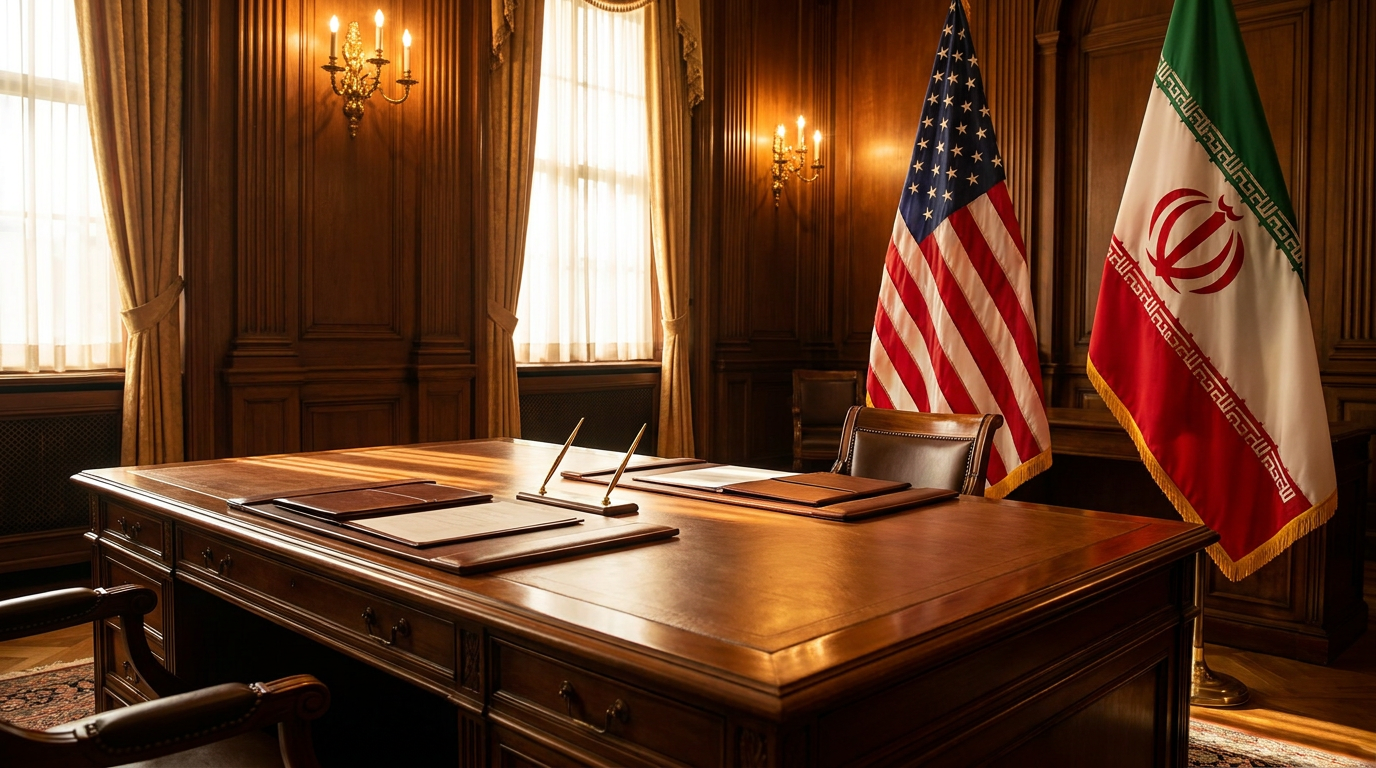
The United States and Iran have reached a landmark peace agreement, halting a conflict that has severely disrupted global energy markets and regional stability. The deal, scheduled for a formal signing ceremony on Friday, effectively ends active military operations between the two nations and paves the way for the reopening of the Strait of Hormuz. The diplomatic breakthrough marks a sudden de-escalation in a war that had drawn in multiple regional actors and threatened to permanently fracture Middle Eastern security architectures.[3][8]
Financial markets reacted immediately and aggressively to the news of a diplomatic resolution. The benchmark S&P 500 rose 1.7 percent on Monday morning, while the tech-heavy Nasdaq jumped 3.1 percent. The rally was driven by widespread investor optimism that the end of the war will curb inflation, restore supply chain predictability, and prevent a deeper global economic contraction.[2]

At the center of the economic relief is the Strait of Hormuz, a critical maritime chokepoint through which roughly a fifth of the world’s oil and liquid natural gas flows. Iran had closed the waterway to most international shipping during the early days of the conflict with the US and Israel, creating a severe bottleneck that sent global energy prices soaring. News of the strait's imminent reopening sent stock markets higher and crude oil prices significantly lower.[3][6]
Despite the drop in global crude prices, consumers will not see immediate relief at the gas pump. Energy analysts caution that it will take "months" for US fuel prices to fully normalize. Producers require significant lead time to ramp up output, and existing port bottlenecks combined with heightened summer demand will keep domestic prices elevated in the near term. The lag between crude price drops and retail fuel costs means the economic benefits will phase in gradually.[4][7]

Despite the drop in global crude prices, consumers will not see immediate relief at the gas pump.
Domestically, the Trump administration is framing the agreement as a decisive victory that protects American interests without financial concessions. Vice President JD Vance emphasized that the deal includes absolutely no US taxpayer money directed to Tehran. He also highlighted that the agreement establishes a "real inspections regime" to ensure Iranian compliance, addressing a frequent criticism of past diplomatic efforts with the nation.[1]
However, the agreement is not without its critics, with some diplomatic observers describing it as a "compromise deal packed with fudges." The specifics of the inspection mechanisms and the exact timeline for sanctions relief remain points of contention. Skeptics argue that the ambiguity in certain clauses could lead to future disputes, raising questions about the long-term durability of the pact once the immediate pressure of war subsides.[3][8]

The cessation of direct US-Iran hostilities does not entirely resolve the broader Middle Eastern conflict. The secretariat of Iran’s supreme national security council indicated that military operations on all fronts, including Lebanon, would cease. Yet, the regional security map remains highly fractured, and local actors are already maneuvering to secure their positions in the post-war environment.[3]
Highlighting this ongoing friction, Israeli Prime Minister Benjamin Netanyahu announced that Israeli forces intend to maintain a "security zone" and will remain in occupied Lebanon, Syria, and Gaza. As the international community looks toward Friday's signing ceremony, focus will shift to the logistical challenges of reopening the Strait of Hormuz, implementing the inspection protocols, and managing the remaining flashpoints that the US-Iran deal leaves unresolved.[3][5]
How we got here
Early War
Iran closes the Strait of Hormuz to most international shipping amid conflict with the US and Israel.
Mid-2026
The closure severely disrupts global energy markets, sending oil prices soaring and fueling inflation.
June 15, 2026
News breaks that the US and Iran have finalized a comprehensive peace agreement.
June 16, 2026
Global stock markets surge in response to the anticipated reopening of shipping lanes.
June 19, 2026
The formal signing ceremony for the peace agreement is scheduled to take place.
Viewpoints in depth
US Administration
The administration views the deal as a major victory that secures American interests without financial compromise.
Trump administration officials are aggressively highlighting the enforcement mechanisms of the new agreement. Vice President JD Vance has been the primary voice emphasizing that the deal avoids the pitfalls of past negotiations by ensuring zero US taxpayer dollars are transferred to Tehran. The administration's framing relies heavily on the implementation of a "real inspections regime," arguing that this strict oversight guarantees Iranian compliance and justifies the cessation of military operations.
Energy Markets
Financial and energy sectors are highly optimistic about the macroeconomic relief but realistic about consumer timelines.
For market analysts, the reopening of the Strait of Hormuz is the single most important outcome of the deal. The unblocking of a waterway that handles a fifth of global oil and liquid natural gas immediately triggered a massive stock market rally. However, industry experts are actively managing public expectations regarding retail fuel costs. They point out that logistical realities—such as port bottlenecks, the time required to ramp up production, and peak summer demand—mean it will take months for the drop in crude prices to translate into cheaper gas at the pump.
Regional Allies
Allied nations in the Middle East remain cautious, prioritizing local security over the broader US-Iran ceasefire.
While the US and Iran step back from direct conflict, regional actors like Israel are signaling that their localized military postures will not change. Prime Minister Benjamin Netanyahu's assertion that Israeli forces will maintain security zones in Lebanon, Syria, and Gaza illustrates a deep-seated skepticism about the deal's ability to pacify Iranian-aligned proxy groups. This perspective underscores a belief that the US-Iran agreement addresses international shipping and direct state-on-state warfare, but leaves the complex, multi-front proxy conflicts largely unresolved.
What we don't know
- The exact timeline for when international shipping companies will feel safe enough to resume full operations through the Strait of Hormuz.
- The specific technical details and enforcement mechanisms of the "real inspections regime" mentioned by the administration.
- How Iranian-aligned proxy groups in the region will respond to the ceasefire and Israel's continued presence in security zones.
Key terms
- Strait of Hormuz
- A vital maritime chokepoint between the Persian Gulf and the Gulf of Oman, through which roughly 20% of the world's oil and liquid natural gas passes.
- Inspections Regime
- A structured system of monitoring and verification to ensure a country is complying with the terms of a diplomatic or arms control agreement.
Frequently asked
Will gas prices drop immediately?
No. Energy experts warn it will take months for US fuel prices to normalize due to port bottlenecks and the time needed to ramp up production.
Does the deal give US taxpayer money to Iran?
According to Vice President JD Vance, the agreement includes no American taxpayer money going to Tehran.
Will the war in the broader Middle East end completely?
Not entirely. While US-Iran hostilities are ending, Israel has stated it will maintain security zones in Lebanon, Syria, and Gaza.
Sources
Source coverage
8 outlets
4 viewpoints surfaced






[1]Fox NewsUS Administration
JD Vance reveals details of US-Iran deal, addresses whether taxpayer money will go to Tehran
Read on Fox News →[2]Al JazeeraRegional Security Hardliners
US stock market climbs as US-Iran deal stirs hopes for end to energy chaos
Read on Al Jazeera →[3]The GuardianDiplomatic Skeptics
Trump news at a glance: Long way to Friday and Iran peace deal signing
Read on The Guardian →US fuel prices to take ‘months’ to normalise after US-Iran deal to end war
Read on Al Jazeera →Netanyahu says Israel will remain in Lebanon, Syria, and Gaza
Read on Al Jazeera →[6]ReutersMarket & Economic Analysts
Oil prices slump as US-Iran peace deal signals Hormuz reopening
Read on Reuters →[7]BloombergMarket & Economic Analysts
Energy markets brace for months of normalization despite Iran deal
Read on Bloomberg →[8]The New York TimesDiplomatic Skeptics
Inside the US-Iran Agreement: Inspections, Fudges, and the Path to Friday's Signing
Read on The New York Times →


Every angle. Every day.
Get news politics stories with full source coverage and perspective breakdowns delivered to your inbox.