
US and Iran Reach Historic Deal to End War and Reopen Strait of Hormuz
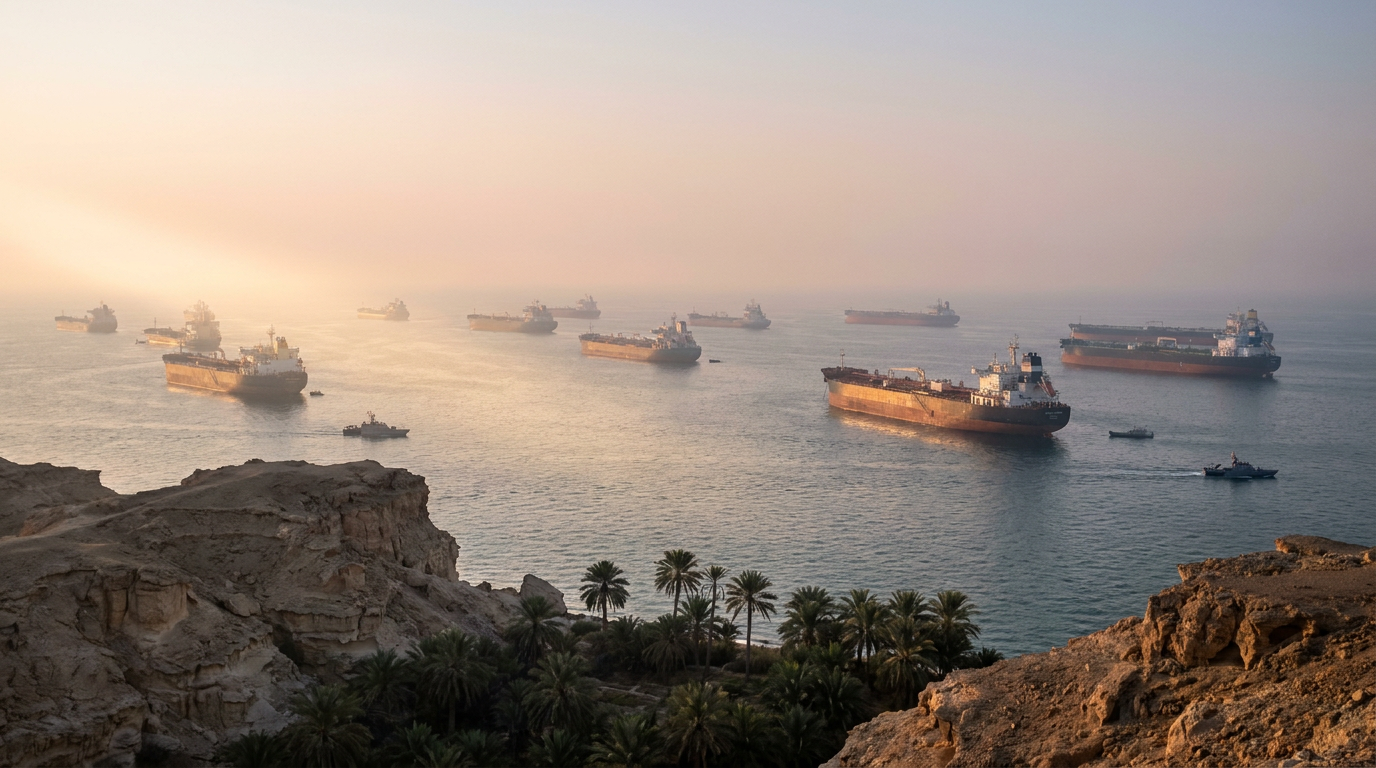
The United States and Iran have agreed to a peace deal ending their 107-day conflict, reopening a critical global shipping lane and sending financial markets to record highs.
By Factlen Editorial Team
- US Administration & Market Optimists
- Focuses on the economic relief, the reopening of the Strait of Hormuz, and the dismantling of Iran's nuclear program.
- Iranian State & Allied Factions
- Views the deal as a victory that forced the US to end its blockade and secures potential sanctions relief.
- Regional Security Skeptics
- Cautious about the deal's enforcement, with Israel refusing to withdraw from Lebanon and Europe worried about maritime tolls.
What's not represented
- · Commercial Shipping Companies
- · Gulf Arab States (e.g., Saudi Arabia, UAE)
Why this matters
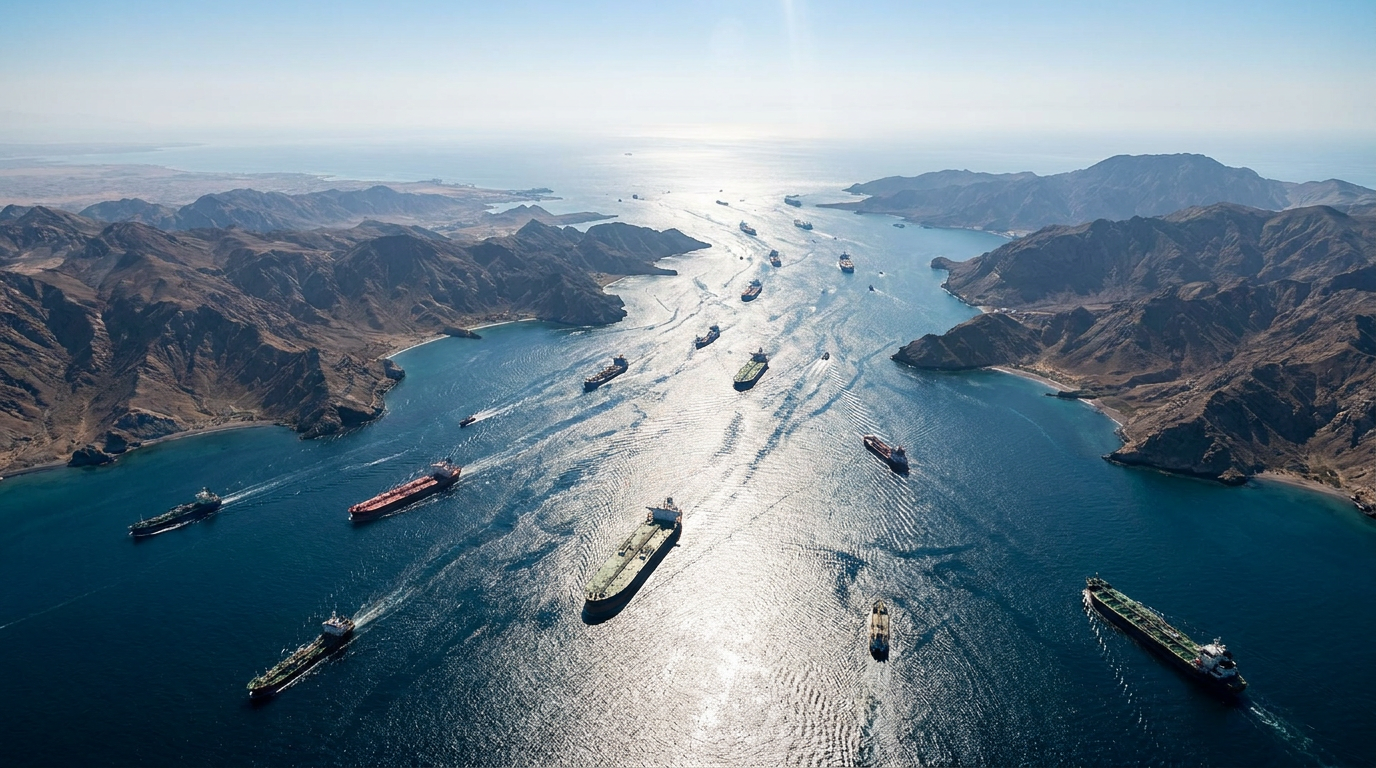
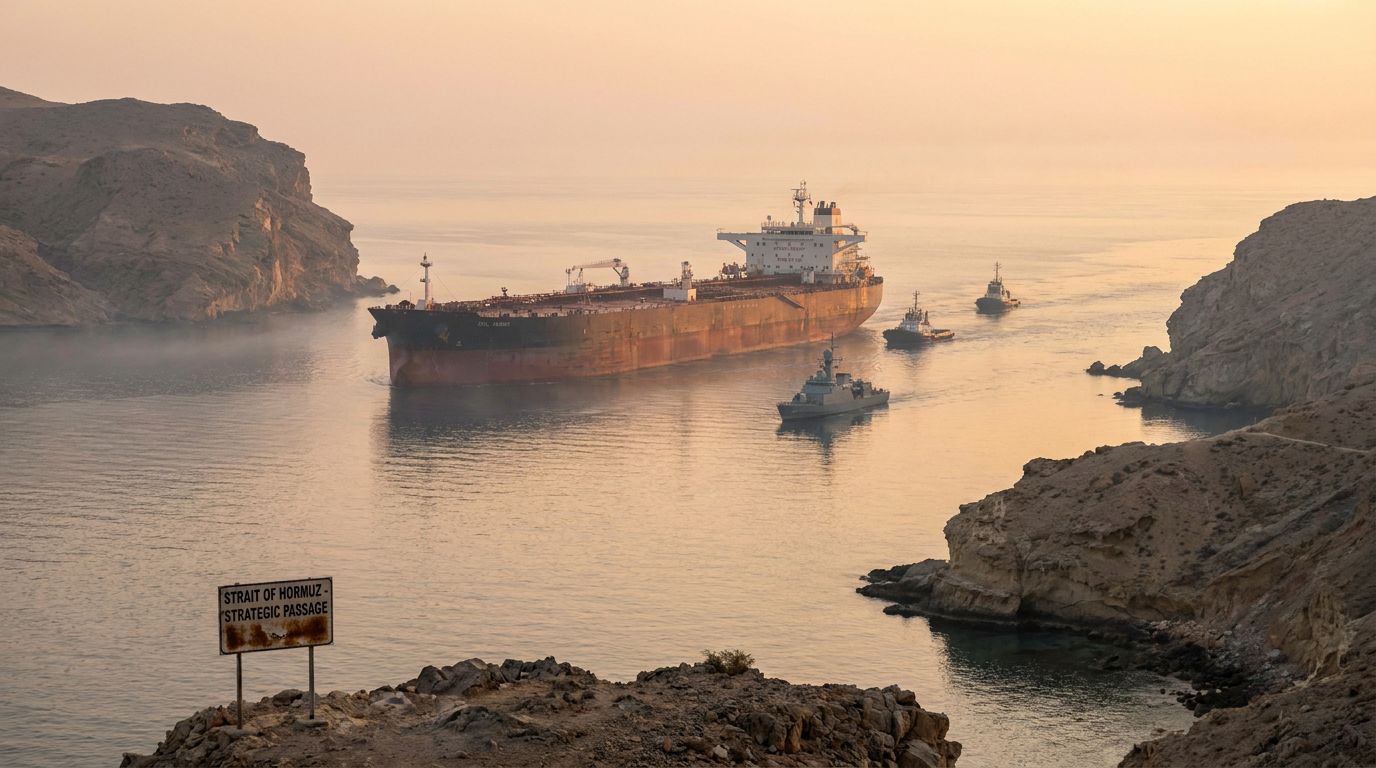
The reopening of the Strait of Hormuz—a choke point for one-fifth of the world's oil—promises to drastically lower global energy prices and ease inflation. However, the fragile nature of the truce means that any misstep could instantly reignite a conflict that has already severely disrupted international shipping and supply chains.
Key points
- The US and Iran will sign a formal peace agreement in Geneva on Friday, ending a 107-day military conflict.
- The deal mandates the immediate reopening of the Strait of Hormuz and the lifting of the US naval blockade on Iran.
- Global markets surged on the news, with the Dow hitting a record high and crude oil prices dropping 5%.
- IAEA inspectors will return to Iran to oversee the down-blending of its 9,000-kilogram enriched uranium stockpile.
- Israel stated it will not withdraw from its security zone in southern Lebanon, highlighting unresolved regional tensions.
- Clearing naval mines and restoring normal commercial shipping traffic through the Strait could take several months.
The United States and Iran have reached a historic memorandum of understanding to end their 107-day conflict, sending global markets soaring as the prospect of a reopened Strait of Hormuz promises relief from a crippling energy crisis.[2][5][7]
The agreement, mediated by Pakistan and slated for a formal signing in Geneva on Friday, mandates an immediate cessation of hostilities across all fronts. In exchange for Iran reopening the vital maritime choke point, the US will lift its naval blockade on Iranian ports.[4][6]
Financial markets reacted with immediate euphoria. The Dow Jones Industrial Average surged to a record high, while the tech-heavy Nasdaq jumped over 3%. Meanwhile, crude oil prices plummeted by 5%, with US West Texas Intermediate dropping to near $80 a barrel—its lowest level since the conflict began in March.[2][5]

Despite the market optimism, logistical hurdles mean energy prices will not normalize overnight. The Strait of Hormuz remains heavily mined, and commercial vessels are awaiting explicit clearance from the US military before attempting transit. Analysts warn that clearing the waterway and resolving port bottlenecks could take months.[4][8]
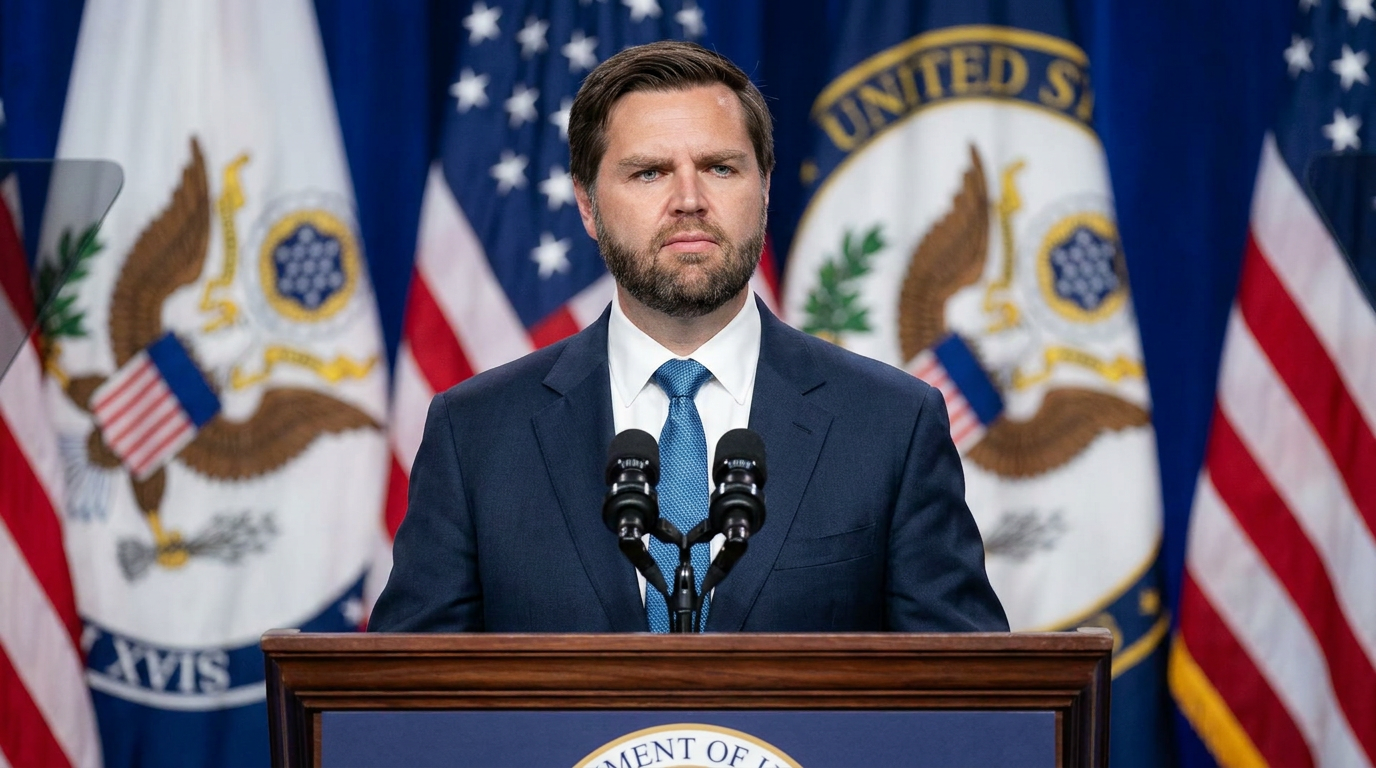
The political stakes are equally complex. Vice President JD Vance, who will lead the US delegation in Switzerland, framed the pact as a "performance-based" victory that permanently dismantles Tehran's nuclear ambitions without releasing American taxpayer funds.[1][7]
Under the terms of the deal, International Atomic Energy Agency (IAEA) inspectors will return to Iran to oversee the down-blending of the country's 9,000-kilogram stockpile of enriched uranium. Vance asserted that the agreement ensures Iran will "never have a nuclear weapon."[6][7]

Vance asserted that the agreement ensures Iran will "never have a nuclear weapon."
However, Iranian officials are projecting a different narrative. State television declared that the US was "forced" to sign the agreement, framing the end of the naval blockade as a major capitulation. Iranian negotiators are also reportedly insisting on the right to charge maritime service fees for vessels transiting the Strait—a move European leaders fear amounts to a tolling system.[3][4]
Regional security remains a significant loose end, particularly concerning Israel and Lebanon. While the pact calls for a halt to hostilities involving Iranian proxies like Hezbollah, Israeli Prime Minister Benjamin Netanyahu stated that Israeli forces will maintain a "security zone" in occupied southern Lebanon regardless of the Geneva signing.[3][6]
Hezbollah, meanwhile, credited Tehran with a "major achievement," suggesting the deal paves the way for the liberation of Lebanese territory and the return of prisoners. The stark contrast between Israeli and Hezbollah interpretations highlights the fragility of the broader regional ceasefire.[6]
As G7 leaders gather in France, European allies are scrambling to shore up the agreement's enforcement mechanisms. French President Emmanuel Macron has proposed deploying a Franco-British maritime task force to escort commercial ships and clear mines, though Iran has preemptively rejected foreign military interference in the Strait.[3]

The next 60 days will be critical as technical negotiations commence over sanctions relief and the unfreezing of Iranian assets. While the immediate threat of a wider war has subsided, the ultimate success of the Geneva pact hinges on whether both sides can navigate the deep mistrust that ignited the conflict 107 days ago.[4][6]
How we got here
March 2026
Hostilities escalate into a direct conflict, leading the US to impose a naval blockade on Iranian ports and halting traffic through the Strait of Hormuz.
April 2026
An initial, fragile ceasefire is reached, though skirmishes and the naval blockade continue.
June 14, 2026
The US and Iran reach a breakthrough Memorandum of Understanding, mediated by Pakistan, to permanently end the war.
June 15, 2026
Global stock markets hit record highs and oil prices plummet as the impending deal is announced.
June 19, 2026
The official signing ceremony is scheduled to take place in Geneva, Switzerland, led by US Vice President JD Vance.
Viewpoints in depth
US Administration
Frames the deal as a decisive victory that neutralizes Iran's nuclear threat and stabilizes the global economy.
Vice President JD Vance and the White House emphasize the "performance-based" nature of the agreement. They argue that the US naval blockade successfully pressured Tehran into accepting stringent IAEA inspections and the down-blending of its enriched uranium stockpile. From Washington's perspective, the immediate drop in oil prices and the stock market rally validate the administration's hardline negotiation tactics, proving that economic leverage can force geopolitical concessions without prolonged military entanglement.
Iranian State Leadership
Views the agreement as a successful resistance effort that broke the US naval blockade.
Iranian state media and government officials are broadcasting the deal as a capitulation by the United States. They highlight the lifting of the blockade and the potential unfreezing of billions in assets as major victories for the Islamic Republic. Furthermore, Tehran is asserting its sovereign right to manage the Strait of Hormuz, floating the idea of charging maritime service fees—a move that signals Iran intends to maintain leverage over global energy choke points even in peacetime.
Regional Security Skeptics
Worries that the core conflicts driving the war remain unresolved despite the maritime ceasefire.
Israeli leadership and European allies at the G7 view the memorandum with deep caution. Prime Minister Benjamin Netanyahu has explicitly stated that Israel is not bound by the US-Iran pact and will not withdraw from its buffer zone in southern Lebanon. Meanwhile, European leaders are concerned that the vague language surrounding the Strait of Hormuz might allow Iran to implement a de facto tolling system on international shipping, replacing a military crisis with an economic hostage situation.
What we don't know
- Whether Iran will successfully implement "maritime service fees" on commercial ships transiting the Strait of Hormuz.
- How quickly the US military and international task forces can clear naval mines to make the waterway safe for tankers.
- Whether the ceasefire will hold in southern Lebanon, given Israel's refusal to withdraw its forces.
- The exact timeline for unfreezing Iran's sanctioned overseas assets.
Key terms
- Strait of Hormuz
- A narrow, strategically critical waterway between the Persian Gulf and the Gulf of Oman through which roughly one-fifth of the world's oil supply passes.
- Naval Blockade
- A military operation in which the US Navy prevented commercial and military vessels from entering or leaving Iranian ports during the 107-day conflict.
- Down-blending
- The process of diluting highly enriched uranium with lower-grade material so that it can no longer be used to create a nuclear weapon.
- Memorandum of Understanding (MOU)
- A formal, written agreement outlining the broad terms of the peace deal before the final, binding treaty is signed in Geneva.
Frequently asked
When will the Strait of Hormuz officially reopen?
While the agreement mandates an immediate reopening, the US military has advised commercial ships to wait for explicit clearance. Clearing naval mines and resolving port bottlenecks could take weeks or months.
Does the deal give American taxpayer money to Iran?
No. Vice President JD Vance confirmed that no US taxpayer funds are involved. The economic relief for Iran will come from unfreezing its own previously sanctioned overseas assets, contingent on compliance.
Will Israel withdraw from Lebanon as part of the deal?
No. Israeli Prime Minister Benjamin Netanyahu stated that Israeli forces will maintain their "security zone" in southern Lebanon, despite the US-Iran agreement calling for an end to hostilities on all fronts.
What happens to Iran's nuclear program?
The agreement requires IAEA inspectors to return to Iran to oversee the down-blending of its 9,000-kilogram stockpile of enriched uranium, effectively dismantling its near-term weapons capability.
Sources
Source coverage
8 outlets
3 viewpoints surfaced







[1]Fox NewsUS Administration & Market Optimists
JD Vance reveals details of US-Iran deal, addresses whether taxpayer money will go to Tehran
Read on Fox News →[2]Al JazeeraIranian State & Allied Factions
US stock market climbs as US-Iran deal stirs hopes for end to energy chaos
Read on Al Jazeera →[3]The GuardianRegional Security Skeptics
Trump news at a glance: Long way to Friday and Iran peace deal signing
Read on The Guardian →[4]PBSRegional Security Skeptics
Iran and U.S. reach an initial deal to extend the ceasefire and open the Strait of Hormuz but challenges remain
Read on PBS →[5]The Economic TimesUS Administration & Market Optimists
Dow ends higher, Nasdaq jumps 3% on US-Iran deal hopes and oil price slide
Read on The Economic Times →[6]Council on Foreign RelationsRegional Security Skeptics
Trump's Iran Deal: What We Know, What's Contested, and What Remains Unresolved
Read on Council on Foreign Relations →[7]NDTVUS Administration & Market Optimists
US-Iran War LIVE Highlights: JD Vance To Lead Delegation For Iran Peace Deal Signing In Switzerland
Read on NDTV →US fuel prices to take ‘months’ to normalise after US-Iran deal to end war
Read on Al Jazeera →

More in news politics
See all 6 stories →US-Iran Relations
US and Iran Reach Tentative Deal to Restore Gulf Shipping and Stabilize Energy Markets
0 sources
Information Ecosystem
The Evidence Behind Crowdsourced Fact-Checking: Why Community Notes Actually Work
0 sources

US-Iran Relations
US and Iran to Sign Peace Deal Ending War, Reopening Strait of Hormuz
0 sources
US-Iran Relations
US and Iran Reach Peace Deal to End Conflict and Reopen Strait of Hormuz
0 sources
Every angle. Every day.
Get news politics stories with full source coverage and perspective breakdowns delivered to your inbox.