
US and Iran Sign Memorandum of Understanding to End War, Reopening Strait of Hormuz
The United States and Iran have electronically signed a peace agreement to end hostilities, lifting the US naval blockade and reopening the critical Strait of Hormuz to global shipping. The deal has triggered a drop in global oil prices but faces strong backlash from Israeli officials.
By Factlen Editorial Team
- US Administration
- Prioritizes ending the military conflict and stabilizing global energy markets through a negotiated compromise.
- Iranian Leadership
- Focuses on the removal of the naval blockade and the resumption of unhindered maritime trade and oil exports.
- Israeli Government
- Views the rapid de-escalation as a security risk and insists on maintaining regional military buffer zones.
- Global Energy Markets
- Reacts with relief to the reopening of the Strait of Hormuz but remains cautious about supply chain bottlenecks.
What's not represented
- · Commercial shipping companies navigating the newly reopened strait
- · Civilians in Lebanon and Gaza affected by Israel's continued military presence
Why this matters
The reopening of the Strait of Hormuz—a crucial chokepoint for a fifth of the world's oil and liquid gas—promises to stabilize global energy markets and lower shipping costs, directly impacting inflation worldwide. However, the sudden geopolitical shift redraws Middle Eastern security alliances, raising the stakes for regional stability as Israel signals it will maintain its military posture.
Key points
- The US and Iran have electronically signed a Memorandum of Understanding to end their military conflict.
- The US has lifted its naval blockade, allowing Iranian vessels to pass through the Strait of Hormuz.
- Global stock markets rallied and oil prices dropped, though US fuel prices may take months to normalize.
- Israel has expressed strong backlash to the deal, with PM Netanyahu stating Israeli forces will remain in Lebanon, Syria, and Gaza.
The United States and Iran have officially signed a Memorandum of Understanding (MoU) to end their military conflict, marking a sudden and historic de-escalation in the Middle East. President Donald Trump announced that the agreement was signed electronically, paving the way for a formal ceremony expected later in the week. The immediate result of the pact is the lifting of the US naval blockade that had severely restricted Iranian maritime movements.[2][8]
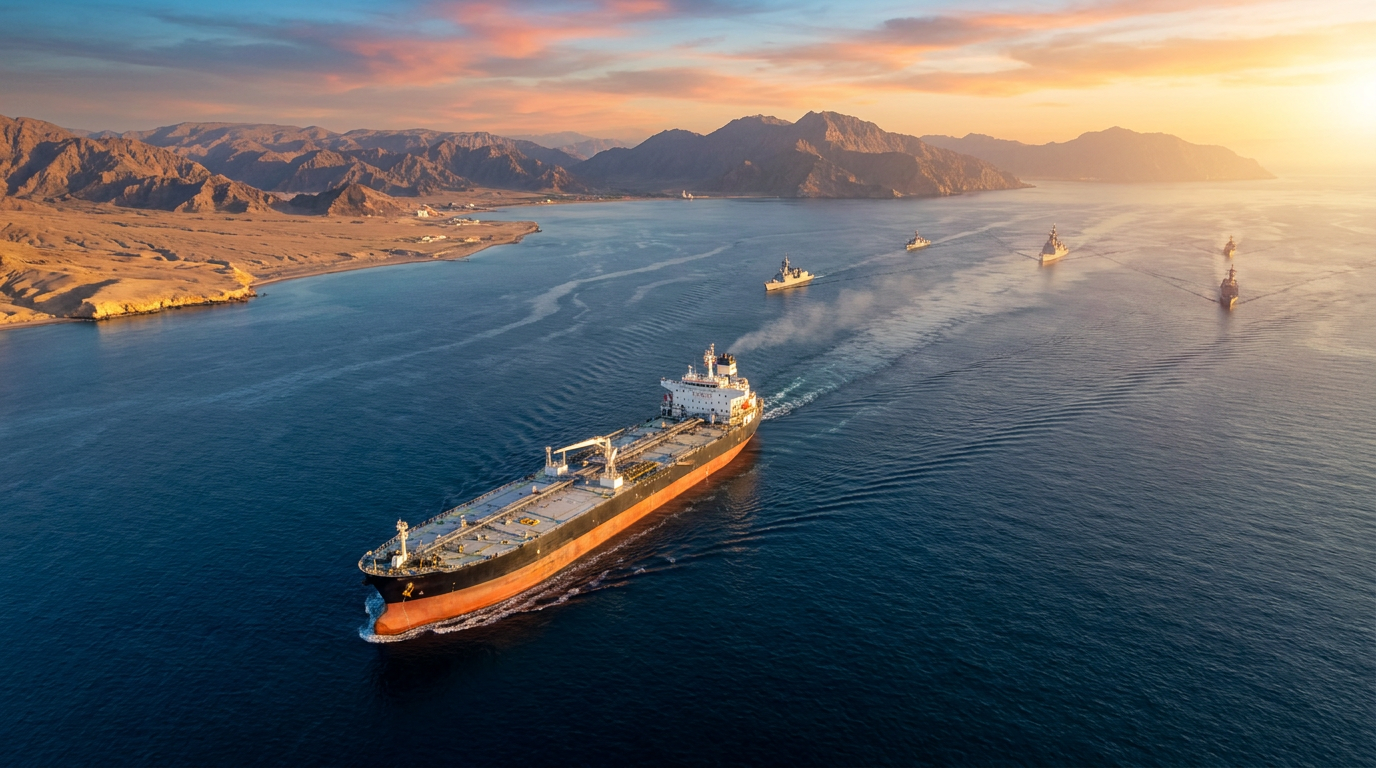
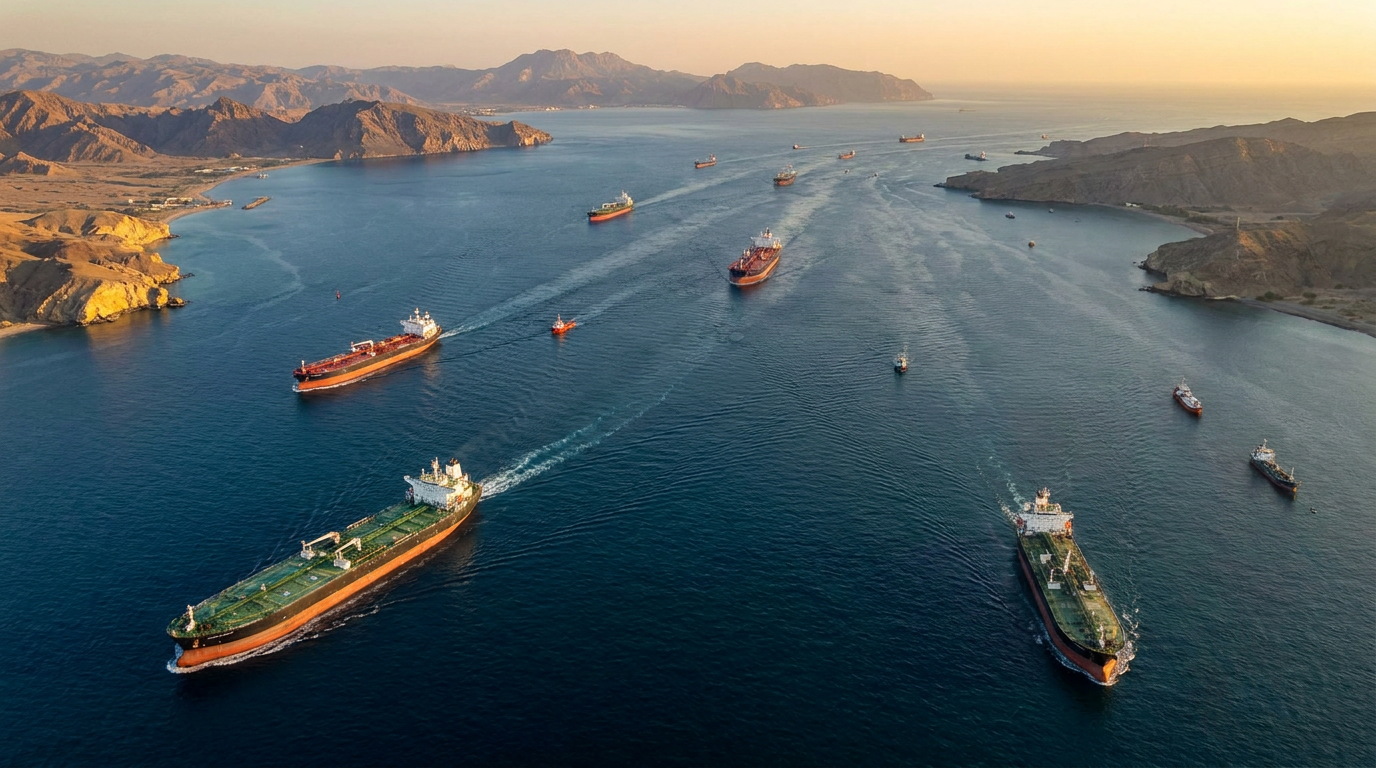
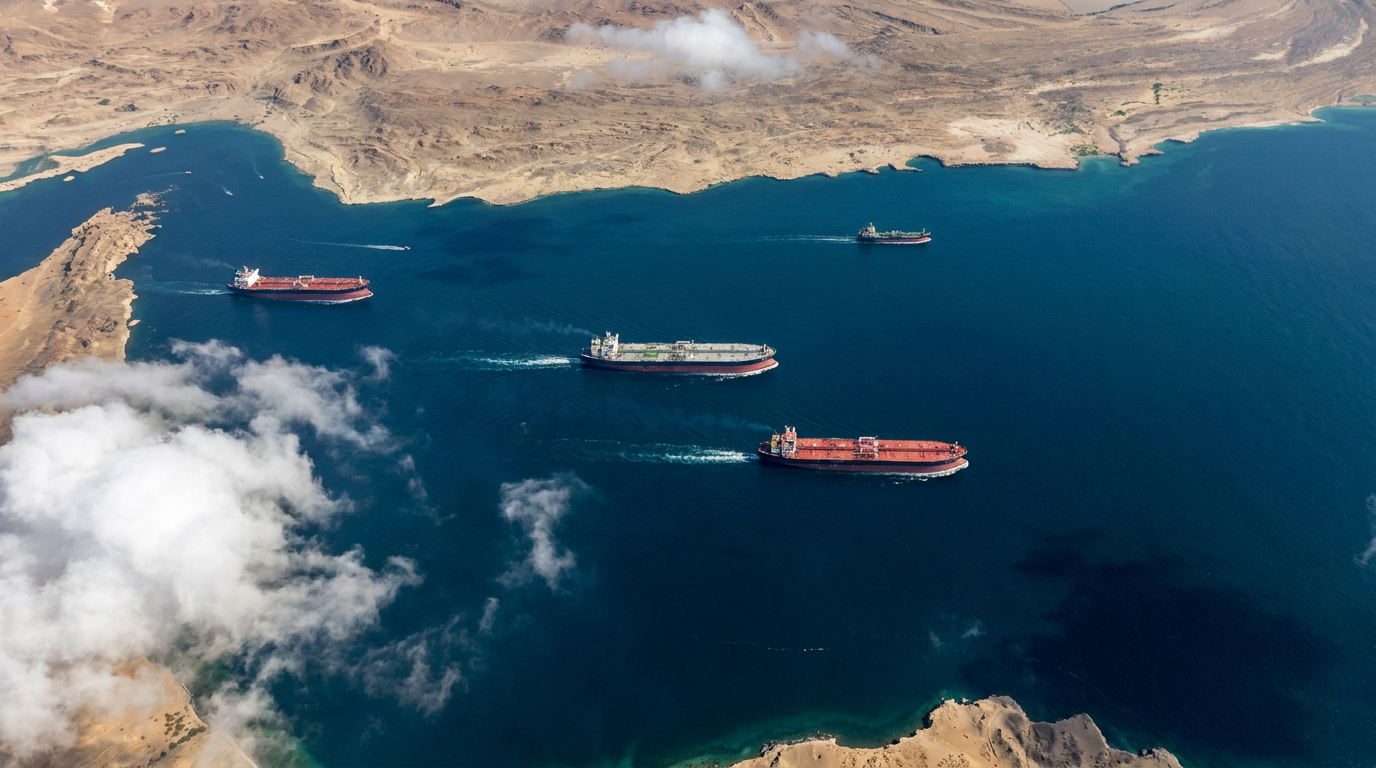
Within hours of the announcement, Iranian vessels began passing through the Strait of Hormuz, signaling the reopening of one of the world's most critical maritime chokepoints. Iran had previously closed the waterway to most shipping during the early days of the war mounted against it by the US and Israel. The resumption of transit through the strait brings immediate relief to the global shipping industry, which had faced crippling reroutes and skyrocketing insurance premiums.[1][2]
The economic reaction was swift and overwhelmingly positive. Global stock markets rallied on Monday morning, while crude oil prices experienced a sharp decline. The Strait of Hormuz is a vital artery for the global economy, with approximately one-fifth of the world's oil and liquid natural gas passing through its narrow waters. The blockade's end removes a massive risk premium that had been priced into energy markets for months.[1][5][6]

Despite the drop in global crude prices, American consumers may not see immediate relief at the pump. Energy analysts warn that US fuel prices will likely take "months" to fully normalize. The delay is attributed to severe port bottlenecks, heightened post-conflict demand, and the time required for global oil producers to ramp up their output and realign supply chains that were fractured during the hostilities.[3]
Despite the drop in global crude prices, American consumers may not see immediate relief at the pump.
The secretariat of Iran’s supreme national security council issued a statement confirming the cessation of hostilities. According to the council, war and military operations on all fronts—including allied operations in Lebanon—will be halted under the terms of the agreement. The Guardian described the MoU as a "compromise deal packed with fudges," suggesting that while the immediate violence has ended, several underlying geopolitical disputes remain unresolved.[1]

The diplomatic breakthrough has exposed deep rifts between the United States and its closest regional ally, Israel. Backlash to the US-Iran deal is growing rapidly within the Israeli government, which views the lifting of the naval blockade and the reopening of Iranian maritime routes as a direct threat to its national security. Israeli officials have expressed alarm that the agreement was reached without sufficient guarantees regarding Iran's long-term military capabilities.[2][7]
Highlighting the divergence in strategy, Israeli Prime Minister Benjamin Netanyahu released a separate statement asserting that Israeli forces will maintain a "security zone" in occupied Lebanon. Netanyahu emphasized that Israel will remain militarily engaged in Lebanon, Syria, and Gaza, signaling that Jerusalem does not intend to scale back its own regional military posture despite the US-brokered ceasefire with Tehran.[4]

The agreement represents a significant pivot in US foreign policy, shifting from a posture of maximum military pressure to a negotiated settlement aimed at stabilizing the global economy. For the Trump administration, securing the MoU electronically serves as a major diplomatic victory ahead of the formal signing on Friday, though critics argue the rapid timeline may have left critical enforcement mechanisms vague.[1][8]
As the week progresses, international observers and energy markets will closely monitor the Strait of Hormuz to ensure that the reopening proceeds without incident. The successful implementation of the MoU will require delicate coordination between US naval forces, Iranian maritime authorities, and commercial shipping companies, all of whom are navigating a waterway that remains one of the most heavily militarized zones on the planet.[1][2][5]
How we got here
Early War
The US and Israel mount a war against Iran, leading to a US naval blockade and Iran closing the Strait of Hormuz.
June 15, 2026
President Trump announces the electronic signing of a Memorandum of Understanding with Tehran.
June 15, 2026
The US lifts its naval blockade, and Iranian vessels resume transit through the Strait of Hormuz.
June 19, 2026
A formal signing ceremony for the peace deal is expected to take place.
Viewpoints in depth
US Administration
Focuses on the economic and diplomatic victory of ending the conflict.
The US administration views the electronic signing of the MoU as a critical step in stabilizing global energy markets and ending a costly military engagement. By lifting the naval blockade, the US aims to lower domestic inflation and restore normal global trade flows, framing the compromise as a necessary pragmatic move.
Iranian Leadership
Emphasizes the lifting of the blockade and the resumption of normal maritime operations.
For Tehran, the agreement represents a successful end to the US naval blockade and a restoration of its sovereign right to navigate the Strait of Hormuz. The supreme national security council's commitment to halting military operations is framed as a victory that allows Iran to resume vital oil exports and stabilize its domestic economy.
Israeli Government
Views the deal with deep skepticism and maintains its own regional military posture.
Israeli officials are highly critical of the US-Iran agreement, viewing the lifting of the naval blockade as a premature concession that endangers Israeli security. Prime Minister Netanyahu's insistence on maintaining security zones in Lebanon, Syria, and Gaza underscores Israel's belief that the underlying threat from Iran and its proxies remains unresolved.
What we don't know
- The specific enforcement mechanisms and long-term conditions embedded within the 'compromise deal'.
- How Israel's continued military presence in Lebanon, Syria, and Gaza will impact the broader regional ceasefire.
- The exact timeline for when global supply chains and port bottlenecks will clear enough to lower consumer fuel prices.
Key terms
- Strait of Hormuz
- A narrow, strategically important waterway between the Persian Gulf and the Gulf of Oman, through which about 20% of the world's oil passes.
- Memorandum of Understanding (MoU)
- A formal agreement between two or more parties that outlines the terms and details of a mutual understanding, often preceding a legally binding treaty.
- Naval Blockade
- The use of naval forces to cut off a specific area, preventing ships from entering or leaving, typically to cripple an opponent's economy or military supply lines.
Frequently asked
Why did oil prices drop after the announcement?
Oil prices dropped because the reopening of the Strait of Hormuz removes a major risk to global energy supplies, as a fifth of the world's oil passes through this chokepoint.
Will gas prices in the US go down immediately?
No. Analysts expect it will take months for US fuel prices to normalize due to port bottlenecks and the time needed for producers to ramp up output.
How is Israel reacting to the peace deal?
Israel is experiencing growing backlash against the deal, with Prime Minister Netanyahu stating that Israeli forces will maintain their security zones in Lebanon, Syria, and Gaza.
Sources
Source coverage
8 outlets
4 viewpoints surfaced






[1]The GuardianIranian Leadership
Trump news at a glance: Long way to Friday and Iran peace deal signing
Read on The Guardian →[2]Al JazeeraIsraeli Government
Iran war live: Trump says MoU with Tehran signed electronically
Read on Al Jazeera →US fuel prices to take ‘months’ to normalise after US-Iran deal to end war
Read on Al Jazeera →Netanyahu says Israel will remain in Lebanon, Syria, and Gaza
Read on Al Jazeera →[5]ReutersGlobal Energy Markets
Oil prices slide as US and Iran sign MoU, reopening Strait of Hormuz
Read on Reuters →[6]BloombergUS Administration
Global markets rally on news of US-Iran peace agreement
Read on Bloomberg →[7]The Times of IsraelIsraeli Government
Backlash grows in Israel as US lifts naval blockade on Iran
Read on The Times of Israel →[8]Fox NewsUS Administration
Trump announces electronic signing of MoU with Tehran to end conflict
Read on Fox News →
More in news politics
See all 6 stories →Electoral Reform
Evidence Pack: Does Ranked-Choice Voting Actually Reduce Political Polarization?
0 sources
US-Iran Deal
US and Iran Reach Historic Deal to End War and Reopen Strait of Hormuz
0 sources
US-Iran Relations
US and Iran Sign Peace Agreement to End War and Reopen Strait of Hormuz
0 sources
US-Iran Deal
US and Iran Reach Deal to End War and Reopen Strait of Hormuz as Israel Vows to Maintain Buffer Zones
0 sources
Every angle. Every day.
Get news politics stories with full source coverage and perspective breakdowns delivered to your inbox.