
Global Weightlifting Standings Reset as Sport Pivots to New LA2028 Weight Classes
Following the conclusion of the Spring continental championships, the international weightlifting landscape is bracing for a seismic shift as athletes adjust to a newly expanded 12-category Olympic format ahead of the 2026 World Championships.
By Factlen Editorial Team
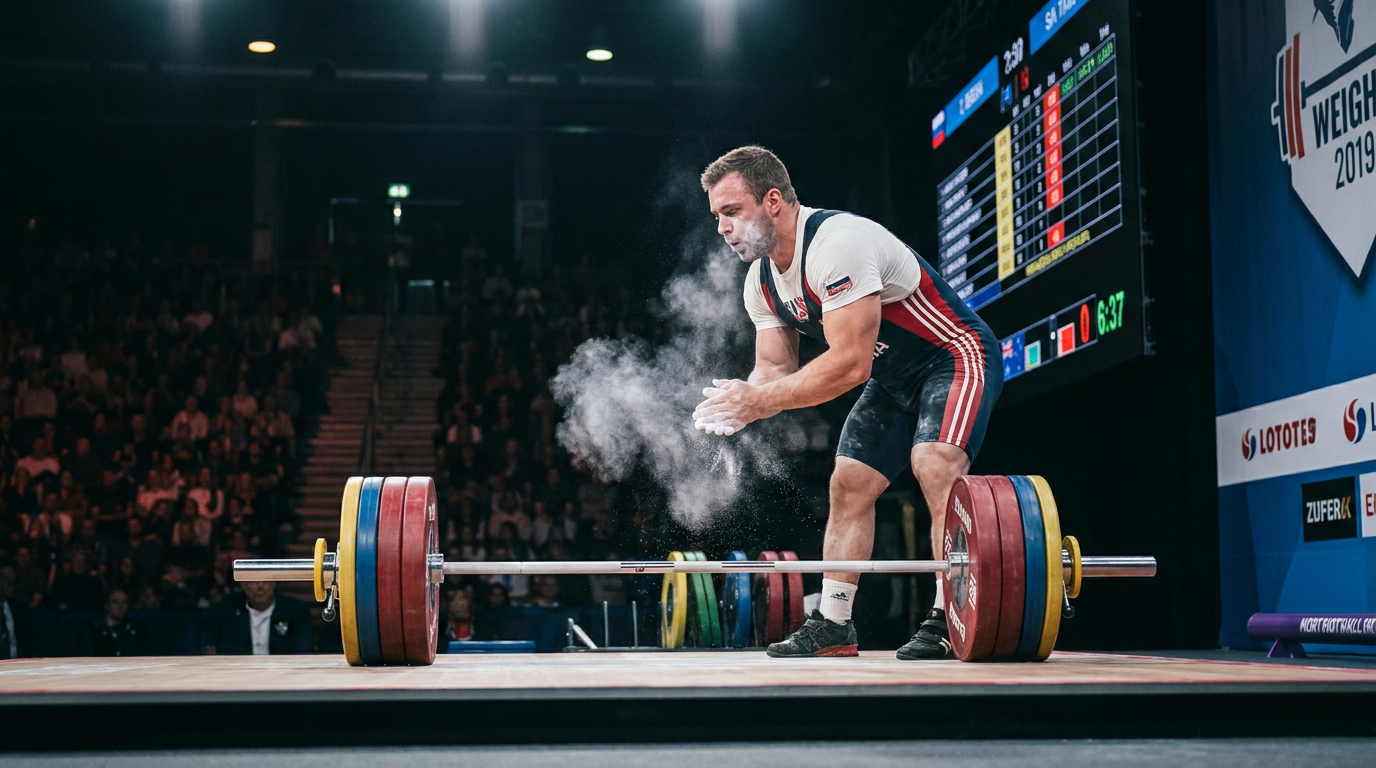
- Athletes and Coaches
- Focused on the physical toll and strategic challenge of adapting to the new weight classes.
- IWF Leadership
- Views the expanded 12-category Olympic slate as a massive victory for athlete health and sport growth.
- National Federations
- Focused on navigating the complex five-event qualification system to maximize their Olympic quota.
What's not represented
- · Medical Professionals
- · Sports Nutritionists
Why this matters
The transition to the new LA2028 weight classes on August 1 will force athletes to either cut weight or bulk up, drastically altering the global rankings and setting the stage for a highly competitive Olympic qualification cycle starting in July.
Key points
- The IWF will transition to 12 new Olympic bodyweight categories on August 1, 2026.
- The expansion aims to improve athlete health by reducing the need for extreme weight cuts.
- The official LA2028 Olympic qualification period begins on July 27, 2026.
- Athletes must compete in a minimum of five mandatory events to qualify for the Games.
- The 2026 IWF World Championships in Ningbo will serve as the first major test of the new standings.
June 2026 marks a quiet but tense transition period in global weightlifting. With the Spring continental championships in Batumi, Georgia, and Gandhinagar, India, officially in the books, the sport is pivoting away from the Paris 2024 cycle and looking directly at the road to Los Angeles.[3][6]
The biggest storyline dominating the global standings isn't just who is lifting the most weight, but what weight they will be lifting. On August 1, the International Weightlifting Federation (IWF) will officially transition all sanctioned competitions to the newly approved bodyweight categories for the LA2028 Olympics.[1][2]
In a major win for athlete health and the sport's growth, the International Olympic Committee approved an expansion from 10 categories to 12. The new Olympic slate features six men's classes (65kg, 75kg, 85kg, 95kg, 110kg, +110kg) and six women's classes (53kg, 61kg, 69kg, 77kg, 86kg, +86kg).[1]

The expansion was heavily championed by the IWF Athletes Commission. By creating a more balanced gap between weight classes, the federation aims to minimize the extreme weight-cutting that has historically plagued the sport and reduce the overall risk of injury, allowing athletes to compete closer to their natural body weights.[1]
The recent European Championships in Batumi served as the final major test under the old system, and the results highlighted the athletes who are primed to dominate the new landscape. Bulgaria's Karlos Nasar, the reigning Olympic and world champion, secured his fourth consecutive European title in the 94kg class with a commanding 386kg total.[3][4]
Bulgaria's Karlos Nasar, the reigning Olympic and world champion, secured his fourth consecutive European title in the 94kg class with a commanding 386kg total.
Nasar, recently named Europe Weightlifter of the Year for the second time, narrowly missed a clean and jerk world record attempt of 223kg. He is widely expected to transition seamlessly into the new 95kg Olympic category, making him the overwhelming favorite as the qualification cycle begins.[4][5]
While Nasar took the gold, Turkey’s Muhammed Furkan Ozbek emerged as the pound-for-pound star in Batumi. Dropping down to the 65kg class, Ozbek claimed the European clean and jerk record and topped the individual points rankings with a 323kg total, signaling his readiness to command the new LA2028 65kg division.[4]

On the women's side, Norway's Solfrid Koanda continued her historic run by securing her fifth consecutive European title. The Paris 2024 gold medallist remains the athlete to beat as she eyes the new 86kg category, setting up a highly anticipated clash with the world's best later this year.[3]
Meanwhile, the Asian Championships showcased the immense depth of the Eastern powerhouses, who currently dominate the global team rankings. Chinese lifters like Li Yan in the +86kg class and Zhao Jinlan in the 53kg class posted massive totals, while North Korea's Ri Won Ju put up a staggering 351kg total in the 71kg division.[6]
The stakes for these athletes are about to skyrocket. The official LA2028 Olympic qualification period begins on July 27, 2026. To punch their tickets to Los Angeles, lifters must compete in a minimum of five mandatory events across two qualifying periods to build their Olympic Qualifying Rankings (OQR).[2]

The first major battleground under the new weight classes will be the 2026 IWF World Championships in Ningbo, China, scheduled for October 27 to November 8. As the premier event of the year, Ningbo will provide the first true look at the reshuffled global standings.[7]
Following Ningbo, athletes will immediately pivot to the first IWF Qualifier for LA2028 in December. With the timeline compressed, coaches and federations are currently finalizing their strategies—deciding whether their borderline athletes should cut down or build muscle to move up. The strategic maneuvering over the next few months will define the sport's hierarchy for the next two years.[2][7]
How we got here
April 2026
The European and Asian Championships conclude, marking the final major events under the old weight classes.
July 27, 2026
The official LA2028 Olympic qualification period begins.
August 1, 2026
The IWF officially transitions all sanctioned competitions to the new LA2028 bodyweight categories.
Oct 27, 2026
The 2026 IWF World Championships kick off in Ningbo, China.
December 2026
The 1st IWF Qualifier for LA2028 takes place, accelerating the qualification race.
Viewpoints in depth
Athletes and Coaches
Focused on the physical toll and strategic challenge of adapting to the new weight classes.
The expansion of weight classes is a welcome relief for many athletes who previously fell between the gaps of the 10-category system. Coaches are currently analyzing the new 12-class structure to determine the optimal path for their lifters. For some, the new categories mean a natural fit without the need for extreme, performance-draining weight cuts. For others, it requires a calculated bulking phase to ensure they aren't undersized in a heavier division. The strategic maneuvering over the summer of 2026 will dictate the competitive landscape for the next two years.
IWF Leadership
Views the expanded 12-category Olympic slate as a massive victory for athlete health and sport growth.
For the International Weightlifting Federation, securing 12 bodyweight categories for the LA2028 Games is a monumental administrative victory. Following years of scrutiny over the sport's Olympic future, the IWF Athletes Commission successfully lobbied the IOC by emphasizing that smaller gaps between weight classes drastically reduce injury risks. Leadership views this expansion as a critical step in modernizing the sport, prioritizing athlete welfare, and ensuring weightlifting remains a core fixture of the Olympic program.
National Federations
Focused on navigating the complex five-event qualification system to maximize their Olympic quota.
National governing bodies are heavily focused on the logistics of the new Olympic Qualifying Rankings (OQR). With the total athlete quota remaining strictly capped at 120 lifters (60 men and 60 women), the competition for the maximum six spots per country is fiercer than ever. Federations must carefully fund and deploy their top lifters across a minimum of five mandatory international events, balancing peak performance with the sheer endurance required to survive the grueling two-year qualification gauntlet.
What we don't know
- How many established champions will choose to move up a weight class versus cutting down to fit the new categories.
- Which specific host cities will be selected for the final three IWF Qualifiers in the LA2028 cycle.
Key terms
- Total
- The combined weight of an athlete's best successful snatch and best successful clean and jerk in a single competition.
- Olympic Qualifying Rankings (OQR)
- The official leaderboard that tracks athlete totals across sanctioned events to determine their eligibility for the Olympic Games.
- Clean and Jerk
- A two-part weightlifting movement where the barbell is first brought to the shoulders and then pushed overhead.
Frequently asked
Why are the Olympic weight classes changing?
The IOC approved an expansion from 10 to 12 categories to provide a more balanced gap between weights, which minimizes extreme weight-cutting and reduces injury risks.
How many weightlifters can a country send to LA2028?
A country can send a maximum of six athletes—three men and three women—spread across different bodyweight categories.
When do the new weight classes take effect?
The new categories will be officially adopted for all IWF-sanctioned competitions starting August 1, 2026.
Sources
Source coverage
7 outlets
3 viewpoints surfaced



[1]International Weightlifting FederationIWF Leadership
IOC approves two additional bodyweight categories for LA2028
Read on International Weightlifting Federation →[2]USA WeightliftingNational Federations
Road to the Los Angeles 2028 Olympic Games
Read on USA Weightlifting →[3]Olympics.comAthletes and Coaches
European Weightlifting Championships 2026: Schedule, stars to watch, and how to follow live
Read on Olympics.com →[4]Weightlifting HouseAthletes and Coaches
European Championships: Nasar wins again but this time Ozbek is the star
Read on Weightlifting House →[5]Radio BulgariaAthletes and Coaches
Karlos Nasar wins Europe Weightlifter of the Year Award for the second time
Read on Radio Bulgaria →[6]Global Sports ArchiveNational Federations
2026 Asian Weightlifting Championships Results
Read on Global Sports Archive →[7]AllSportDBNational Federations
2026 World Weightlifting Championships
Read on AllSportDB →
More in sports
See all 12 stories →Women's Soccer
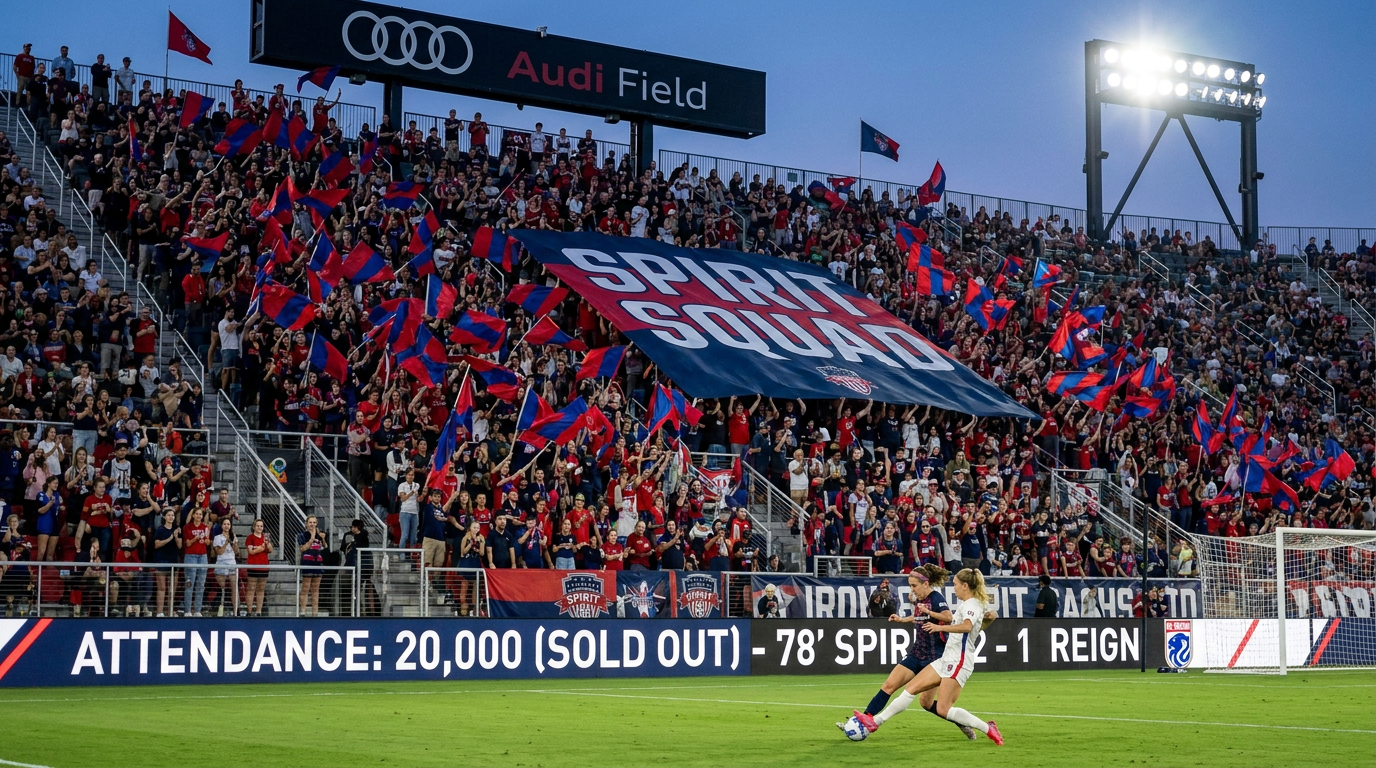
NWSL Awards 2026 Championship to Audi Field Amid Record Global Call-Ups
0 sources
Injury
World Snooker Tour Injury Report: Carrington's Return, Brecel's Recovery, and Latest Player Updates
0 sources
Standings
World Snooker Tour 2026/27 Season Begins: Trump Holds No. 1 as Chinese Stars Surge
0 sources
Injury
From Severed Nerves to the Semi-Finals: Cameron Menzies's Remarkable World Cup of Darts Debut
0 sources
Every angle. Every day.
Get sports stories with full source coverage and perspective breakdowns delivered to your inbox.