
How the U.S.-Iran Peace Framework Will Lower Gas Prices and Global Inflation
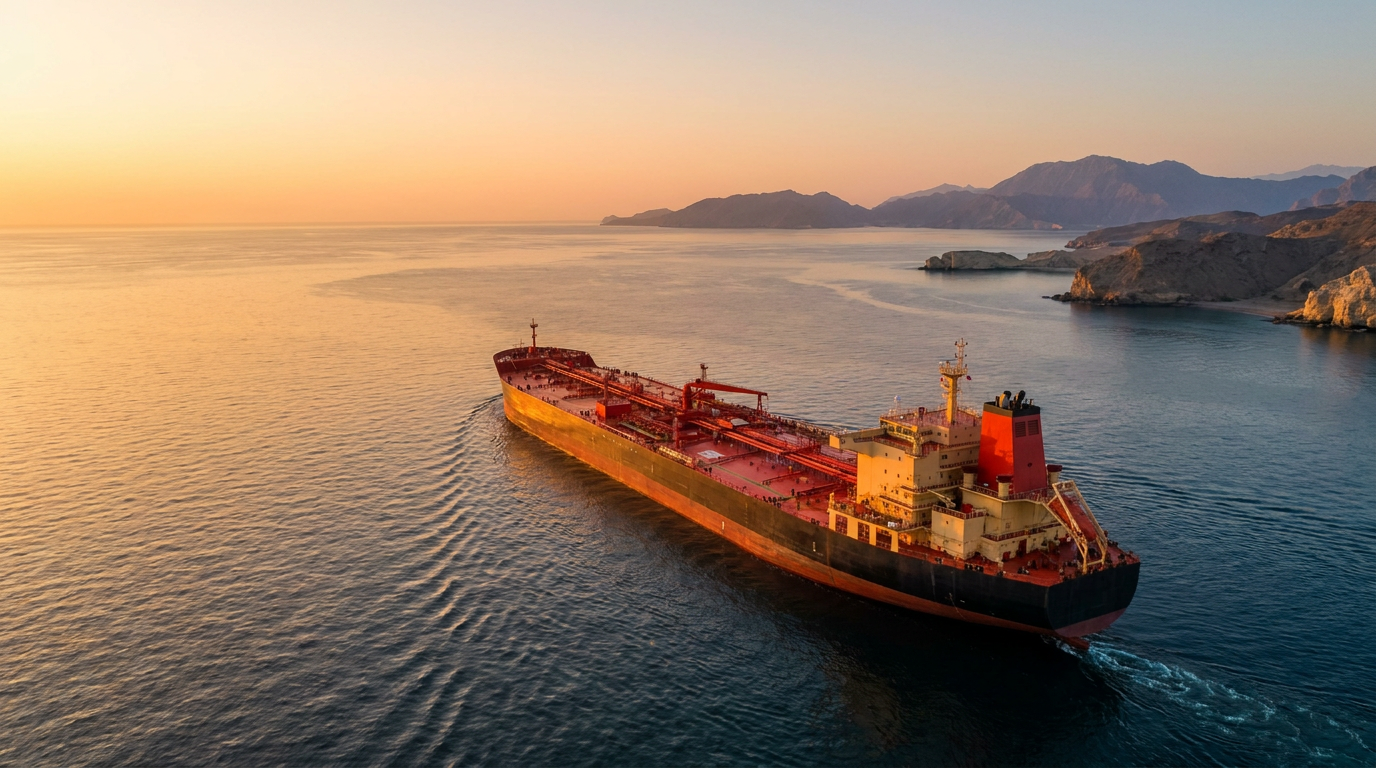
The reopening of the Strait of Hormuz is sending crude oil prices tumbling, setting the stage for cheaper gas at the pump and broader relief across the global supply chain.
By Factlen Editorial Team
- Energy Market Analysts
- Focuses on the unwinding of the geopolitical risk premium and the timeline for physical barrels to start flowing normally again.
- Consumer Advocates
- Focuses on the frustration of the 'rocket and feather' effect, urging patience as wholesale price drops slowly make their way to retail pumps.
- Global Supply Chain Operators
- Focuses on the relief from crushing bunker fuel costs and the stabilization of container freight rates.
What's not represented
- · Environmental advocates pushing to accelerate the green transition to avoid future geopolitical chokepoints
- · Domestic U.S. shale producers who temporarily benefited from the elevated wartime oil prices
Why this matters
The end of the geopolitical conflict removes a massive 'risk premium' from global energy markets. For consumers, this translates directly into cheaper fuel at the pump, lower shipping costs for everyday goods, and a potential green light for central banks to lower interest rates.
Key points
- The U.S. and Iran reached a peace framework that reopens the Strait of Hormuz to commercial shipping.
- Brent crude prices dropped over 4% immediately, erasing the geopolitical risk premium.
- Gas prices are falling below $4 a gallon, but deeper cuts will take weeks due to the 'rocket and feather' effect.
- Lower fuel costs are expected to slash global shipping container rates, which doubled during the conflict.
- Easing inflation gives central banks, including the Federal Reserve, more flexibility to lower interest rates.
The diplomatic breakthrough arrived with a rapid, measurable impact on the global economy. On June 15, 2026, the United States and Iran announced a preliminary peace framework designed to end months of military conflict. For everyday consumers and global markets alike, the most consequential line item in the agreement was the commitment to fully reopen the Strait of Hormuz to commercial shipping. The announcement triggered an immediate recalibration across financial sectors, signaling the beginning of the end for a prolonged period of elevated energy costs that had squeezed household budgets worldwide.[1][3]
Commodity markets reacted before the ink was even dry. Brent crude, the global benchmark for oil prices, plunged 4.57% in a single trading session, settling at $83.34 per barrel. This marked a dramatic retreat from the conflict's peak in May, when the threat of widespread supply disruptions pushed prices to a staggering $126.41. Traders rapidly unwound the geopolitical risk premium—the extra cost baked into every barrel of oil to account for the sheer unpredictability of a war zone.[3]

To understand why a single diplomatic framework can move global markets so violently, one must look at the geography of the Strait of Hormuz. This narrow waterway between Iran and Oman is the world's most critical maritime chokepoint. Under normal conditions, roughly 20% of the globe's total oil consumption passes through its waters, alongside massive volumes of liquefied natural gas. When military blockades and security threats brought traffic to a virtual standstill in early 2026, the global energy supply chain suffered a structural shock.[3][4]
The reopening of the strait acts as a pressure release valve for the global economy. According to energy data, the physical flow of oil is only part of the equation; the mere assurance that the corridor is safe allows shipping companies to normalize their routes and drastically reduce the exorbitant insurance premiums they had been paying to navigate hostile waters. This logistical normalization is the first step in translating diplomatic peace into tangible economic relief.[4][6]

For American drivers, the most pressing question is when this geopolitical shift will show up at the local gas station. The relief has already begun, with the national average for a gallon of regular gasoline dipping back below the psychologically significant $4 mark just hours after the framework was announced. However, energy analysts caution that returning to the pre-war baseline of roughly $3 per gallon will require patience.[1][2]
The delay in consumer relief is driven by an economic phenomenon affectionately known in the energy sector as the "rocket and feather" effect. When crude oil prices spike due to a sudden crisis, retail gasoline prices shoot up like a rocket as gas station owners immediately price in the anticipated cost of their next fuel delivery. But when crude prices plummet, retail prices tend to float down slowly, like a feather.[2]
The delay in consumer relief is driven by an economic phenomenon affectionately known in the energy sector as the "rocket and feather" effect.
This asymmetry happens because local stations are still selling fuel they purchased weeks ago at higher wholesale rates. Furthermore, the U.S. Energy Information Administration notes that the price of crude oil accounts for roughly 50% of the final retail price of gasoline. The remaining half consists of refining costs, distribution, marketing, and taxes—factors that do not drop instantly just because a peace treaty is signed in Switzerland.[2][6]

Beyond the mechanics of retail pricing, the physical restoration of the oil supply chain takes time. While the naval blockades have ceased, energy consultants emphasize that restarting the flow of millions of barrels of oil involves complex logistics. Tankers must be chartered, refinery schedules must be adjusted, and depleted regional inventories must be restocked. It could take several weeks into July before the full weight of the crude price drop is reflected on the illuminated signs of local gas stations.[2][3]
Yet, the economic benefits of the peace framework extend far beyond the gas pump. The conflict had quietly triggered a secondary crisis in global shipping. With the Strait of Hormuz effectively closed, ocean carriers were forced to take longer, more expensive routes, burning significantly more bunker fuel in the process. This dynamic caused the cost of moving a standard shipping container to skyrocket.[5]
Data from maritime consultancies illustrates the severity of the squeeze. The Shanghai Containerized Freight Index, a key benchmark for global shipping costs, effectively doubled between late February and early June. Ocean carriers, facing a 70% jump in bunker fuel costs, passed those expenses directly onto importers. As the strait reopens and fuel costs normalize, these exorbitant freight rates are expected to collapse, removing a massive cost burden from the global supply chain.[5]

This reduction in shipping costs is the hidden engine of broader inflation relief. When it costs less to fuel a cargo ship, a freight train, and a delivery truck, the final price of everyday goods—from imported electronics to grocery store produce—begins to stabilize. For major energy-importing nations like India, the resumption of normal trade routes through the Gulf is expected to significantly narrow current account deficits and ease domestic price pressures across the board.[4][5]
The cascading effect of cheaper energy and lower shipping costs is now capturing the attention of central bankers. For months, the Federal Reserve and its international counterparts have been forced to maintain elevated interest rates to combat the inflationary pressures generated by the conflict. The bond market, which had been taking a cautious wait-and-see approach to the geopolitical turmoil, is now aggressively repricing the economic outlook.[1][3]
With the threat of a prolonged energy shock removed, central banks suddenly have much more room to maneuver. If the drop in crude oil successfully cools broader inflation metrics over the summer, policymakers will face less pressure to keep borrowing costs restrictively high. This dynamic has already sparked optimism across equity markets, as investors anticipate a more constructive economic environment in the second half of 2026.[1][3]
Ultimately, the resolution of the U.S.-Iran conflict serves as a real-time lesson in the interconnectedness of the modern global economy. A diplomatic handshake in Geneva dictates the insurance premiums on a tanker in the Persian Gulf, which determines the fuel surcharge on a container ship bound for Los Angeles, which ultimately decides the price of a gallon of gas in Ohio. While the descent from wartime pricing will be gradual, the trajectory is now firmly pointed toward relief.[1][2][5]
How we got here
Late Feb 2026
Conflict escalates, effectively closing the Strait of Hormuz to commercial shipping and sending oil prices soaring.
May 2026
Brent crude hits a peak of $126.41 per barrel as markets price in maximum geopolitical risk.
June 15, 2026
The U.S. and Iran announce a peace framework, immediately dropping crude prices by over 4%.
Late June 2026
Commercial shipping and oil tankers are expected to gradually resume normal transit through the Strait.
Viewpoints in depth
Energy Market Analysts
Focuses on the unwinding of the geopolitical risk premium and the timeline for physical barrels to start flowing normally again.
Energy analysts emphasize that the immediate drop in crude prices is a psychological reaction to the evaporation of the 'risk premium' rather than a sudden influx of physical oil. They point out that while the diplomatic framework is a massive relief, the actual logistics of chartering tankers, adjusting refinery schedules, and normalizing insurance markets will take months. Their primary focus remains on the structural supply-demand balance, noting that the Strait of Hormuz only needs to recover roughly 70% of its historical throughput to tip global energy balances back into a structural oversupply.
Consumer Advocates
Focuses on the frustration of the 'rocket and feather' effect, urging patience as wholesale price drops slowly make their way to retail pumps.
Consumer advocates are quick to manage expectations regarding relief at the gas pump. They frequently highlight the 'rocket and feather' effect to explain why drivers shouldn't expect pre-war prices overnight. While acknowledging that the national average is finally dipping below the painful $4 mark, these advocates stress that local gas stations are still working through expensive inventory purchased weeks ago. They argue that true relief for household budgets will be a gradual, multi-month process rather than an immediate windfall.
Global Supply Chain Operators
Focuses on the relief from crushing bunker fuel costs and the stabilization of container freight rates.
For the logistics and shipping industry, the peace deal is less about retail gas and entirely about bunker fuel and freight rates. Supply chain operators highlight that the effective closure of the Strait of Hormuz forced ships into longer, highly inefficient routes, causing the Shanghai Containerized Freight Index to double. They argue that the most profound economic impact of the peace deal will be the collapse of these exorbitant shipping costs, which will eventually lower the final retail price of imported goods, electronics, and groceries worldwide.
What we don't know
- Exactly how long it will take for shipping insurance premiums to return to pre-war levels.
- Whether the Federal Reserve will act immediately on the inflation relief or wait for further data.
Key terms
- Strait of Hormuz
- A narrow waterway between the Persian Gulf and the Gulf of Oman, serving as the world's most critical chokepoint for oil transit.
- Risk Premium
- The extra cost added to the price of a commodity to account for the threat of future supply disruptions.
- Rocket and Feather Effect
- An economic phenomenon where retail prices shoot up quickly when wholesale costs rise, but fall slowly when costs drop.
- Brent Crude
- The major trading classification of sweet light crude oil that serves as a benchmark price for purchases worldwide.
- Bunker Fuel
- The heavy, residual fuel oil used to power massive commercial ships and ocean freighters.
Frequently asked
Will gas prices drop immediately because of the peace deal?
Prices are already dipping below $4 a gallon, but deeper cuts will take weeks. Retail prices fall slower than crude oil prices due to the 'rocket and feather' effect.
How does the Strait of Hormuz affect my grocery bill?
Higher fuel costs make shipping and transporting goods more expensive. Reopening the strait lowers global freight costs, which eventually reduces the price of everyday goods.
Will oil prices return to their pre-war levels right away?
No. While the geopolitical risk premium has shrunk, it will take months to fully restore shipping logistics, insurance markets, and refinery schedules.
Sources
Source coverage
6 outlets
3 viewpoints surfaced





[1]MarketWatchConsumer Advocates
Here’s when gas prices will go down now that there’s a deal to end the Iran war
Read on MarketWatch →[2]MorningstarConsumer Advocates
Get ready to pay less at the pump - but how much less, and when?
Read on Morningstar →[3]Discovery AlertEnergy Market Analysts
Oil Prices Plunge 4% on Historic US-Iran Peace Framework to Reopen Strait of Hormuz
Read on Discovery Alert →[4]The HinduGlobal Supply Chain Operators
Reopening of Strait of Hormuz to ease inflation
Read on The Hindu →[5]Lloyd's ListGlobal Supply Chain Operators
Spot container freight rates continue their ascent as ocean carriers pass along much higher fuel costs
Read on Lloyd's List →[6]U.S. Energy Information AdministrationEnergy Market Analysts
Short-Term Energy Outlook
Read on U.S. Energy Information Administration →
Every angle. Every day.
Get finance stories with full source coverage and perspective breakdowns delivered to your inbox.