
The Science of High-Altitude Acclimatization: How Your Body Adapts to Thin Air
As mountain travel surges in popularity, understanding the physiological mechanisms of high-altitude acclimatization is essential for safe ascents. Here is a deep dive into how the human body adapts to hypoxia, the risks of altitude sickness, and evidence-based strategies for prevention.
By Factlen Editorial Team
- Medical Researchers
- Focuses on the cellular and physiological mechanisms of hypoxia and pharmacological interventions.
- Mountaineering Organizations
- Prioritizes practical trail safety, ascent pacing, and symptom recognition for climbers.
- Public Health Officials
- Emphasizes broad travel medicine guidelines and pre-trip preparation for international tourists.
What's not represented
- · Indigenous high-altitude populations
- · Commercial expedition guides
Why this matters
As high-altitude destinations like the Andes, the Himalayas, and the Alps become increasingly accessible, understanding the science of acclimatization is essential for safe travel. Knowing how your body adapts to thin air can prevent life-threatening illnesses and ensure a successful, enjoyable mountain experience.
Key points
- The concentration of oxygen remains at 21% at high altitude, but lower barometric pressure means fewer oxygen molecules per breath.
- The body adapts to hypoxia by increasing breathing rate, heart rate, and eventually producing more red blood cells.
- Acute Mountain Sickness (AMS) affects up to 75% of people who ascend rapidly above 3,000 meters.
- Safe acclimatization requires limiting sleeping elevation gains to 500 meters per day and taking regular rest days.
- Physical fitness does not prevent altitude sickness; in fact, fit individuals often ascend too quickly, increasing their risk.
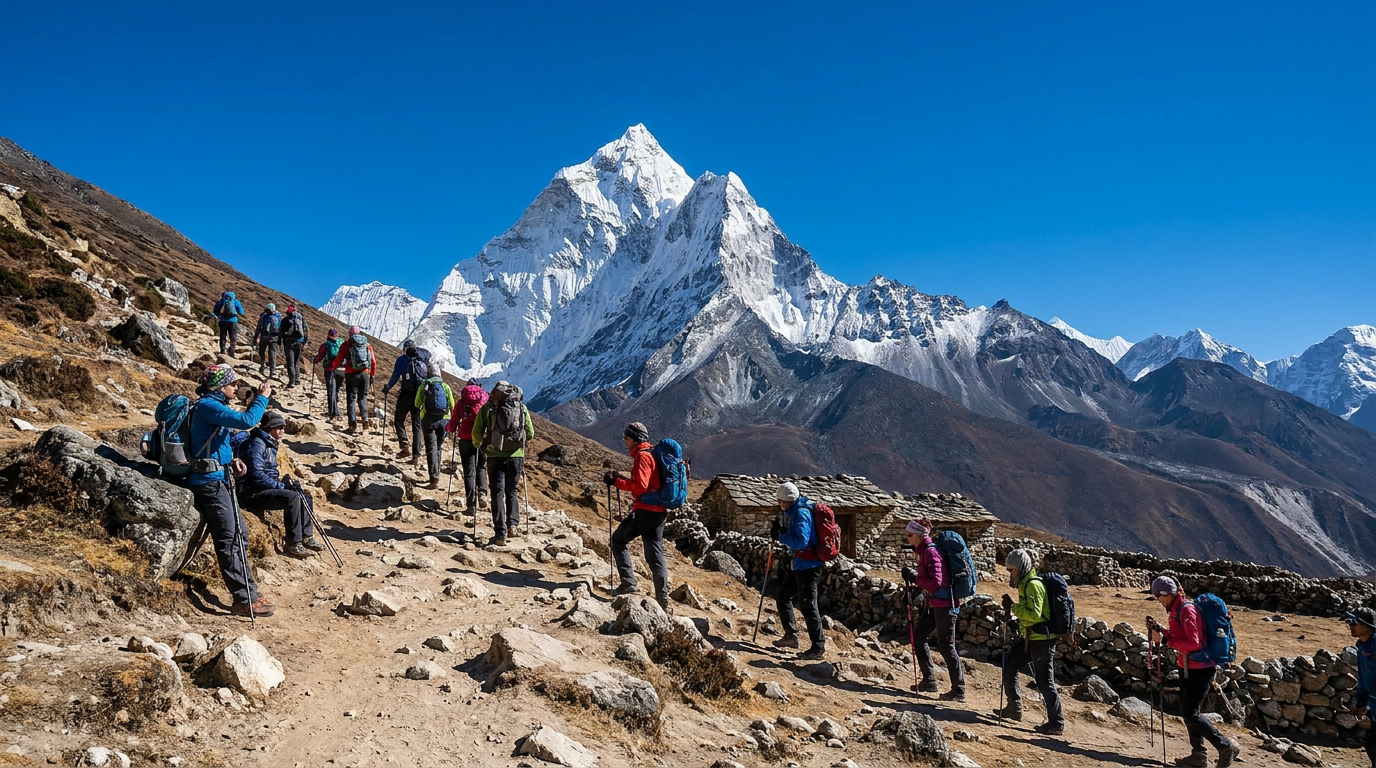
The allure of high-altitude travel is undeniable, drawing millions of adventurers each year to destinations like the Everest Base Camp, the high passes of the Andes, and the rugged trails of the Alps. Yet, as travelers ascend into these breathtaking landscapes, they encounter an invisible and formidable challenge: thin air. Understanding how the human body adapts to this environment is not just a matter of scientific curiosity; it is a critical component of mountain safety.[6]
A common misconception about high altitude is that there is less oxygen in the atmosphere. In reality, the concentration of oxygen remains constant at roughly 21 percent, whether at sea level or at the summit of Mount Everest. What changes is the barometric pressure. As elevation increases, atmospheric pressure drops, meaning that oxygen molecules are spread further apart. Consequently, every breath taken at high altitude delivers fewer oxygen molecules to the lungs, creating a state of oxygen deprivation known as hypoxia.[3][5]
The human body is remarkably adept at sensing this deficit. Specialized chemoreceptors located in the carotid and aortic bodies detect the drop in arterial oxygen saturation. Within seconds of exposure to a hypoxic environment, these receptors signal the brain to initiate the "hypoxic ventilatory response." This automatic reflex causes a person to breathe faster and deeper, attempting to pull more oxygen into the system to compensate for the lower atmospheric pressure.[3][4]

Breathing is only the first line of defense. To distribute the limited oxygen more effectively, the heart rate increases, pumping blood more rapidly through the circulatory system. Simultaneously, the body begins to alter its fluid balance. Blood vessels in the lungs constrict to redirect blood flow to the most oxygen-rich areas, while the kidneys increase bicarbonate excretion to balance the blood's pH, which can become overly alkaline due to the rapid breathing.[4][5]
If a traveler remains at high altitude for an extended period, longer-term adaptations take over. The kidneys release a hormone called erythropoietin, which stimulates the bone marrow to produce more red blood cells. These cells act as the body's oxygen-carrying vehicles. While this increases the blood's oxygen-carrying capacity, it also makes the blood thicker and more viscous, which can eventually place additional strain on the heart.[3][6]
This entire cascade of physiological adjustments is known as acclimatization. It is a gradual process that cannot be rushed. Medical experts note that it typically takes the body one to three days to fully adapt to a specific altitude threshold. If a hiker spends several days at 3,000 meters, their body will acclimatize to that specific elevation. However, if they continue to climb to 4,000 meters, the biological clock resets, and the body must undergo the acclimatization process all over again.[5]
When a traveler ascends faster than their body can adapt, the result is Acute Mountain Sickness (AMS). AMS is incredibly common; studies indicate that at elevations over 3,000 meters (roughly 9,850 feet), up to 75 percent of people will experience at least mild symptoms. These typically manifest within six to twelve hours of arrival at a new altitude and include headaches, dizziness, fatigue, nausea, and a general feeling of malaise that is often compared to a severe hangover.[4][5]

The pathophysiology of AMS is rooted in the body's struggle with hypoxia. The lack of oxygen causes cerebral blood vessels to dilate in an attempt to increase blood flow to the brain. This vasodilation, combined with changes in vascular permeability, allows fluid to leak from the capillaries into the surrounding tissues. The resulting mild swelling in the brain is what triggers the hallmark headache and nausea associated with the condition.[3][4]
The pathophysiology of AMS is rooted in the body's struggle with hypoxia.
While mild AMS is uncomfortable but generally benign, ignoring the symptoms and continuing to ascend can lead to life-threatening complications. High Altitude Cerebral Edema (HACE) occurs when severe brain swelling leads to ataxia, confusion, and altered mental status. High Altitude Pulmonary Edema (HAPE) involves fluid accumulating in the lungs, characterized by extreme breathlessness even at rest. Both conditions require immediate descent and emergency medical intervention.[1][2]
To prevent these outcomes, mountaineering organizations universally preach a simple maxim: "Climb high, sleep low." Because breathing naturally slows down during sleep, hypoxemia is most profound at night. Therefore, the altitude at which a person sleeps is the single most critical factor in acclimatization. Day trips to higher elevations are generally safe and actually aid the adaptation process, provided the traveler returns to a lower elevation to spend the night.[2][5]
Public health guidelines provide strict mathematical rules for safe ascent. Once a traveler reaches an elevation of 3,000 meters (9,850 feet), they should increase their sleeping altitude by no more than 300 to 500 meters (1,000 to 1,600 feet) per day. While climbers can certainly hike higher than this during the day to cross a pass or tag a summit, their final camp for the night must adhere to this strict elevation limit.[1][4]

In addition to limiting daily elevation gains, scheduled rest days are a mandatory component of safe high-altitude travel. The standard medical recommendation is to take one full rest day—where sleeping altitude does not increase at all—for every 1,000 meters (3,300 feet) of elevation gained. These pauses give the body the critical time it needs to catch up on its physiological backlog.[1][2]
For situations where gradual ascent is impossible, pharmacological prophylaxis is often utilized. The most common medication is acetazolamide, widely known by the brand name Diamox. As a carbonic anhydrase inhibitor, acetazolamide forces the kidneys to excrete bicarbonate, creating a mild metabolic acidosis. This tricks the brain into breathing faster and deeper, effectively jump-starting the acclimatization process before the traveler even reaches the mountain.[1][4]
Medication is particularly relevant for tourists flying directly into high-altitude destinations like Cusco, Peru, or La Paz, Bolivia. Because commercial flights transport passengers from sea level to over 3,400 meters in a matter of hours, the risk of AMS in these cities approaches 50 percent. Travel medicine specialists often recommend a low threshold for prescribing acetazolamide in these scenarios, alongside strict advice to avoid alcohol and heavy exertion for the first 48 hours.[1]
Elite athletes and serious mountaineers increasingly rely on pre-acclimatization strategies to mitigate risk. This involves spending four to six days at a moderate altitude (1,500 to 2,500 meters) before tackling higher peaks. Alternatively, some use normobaric hypoxia chambers—tents that simulate high-altitude air—to trigger the body's adaptive mechanisms weeks before a trip. Research shows that step-by-step adaptation combined with hypoxic pre-training can reduce the incidence of AMS by up to 75 percent.[3]

One of the most persistent and dangerous myths in mountain travel is that physical fitness protects against altitude sickness. In reality, there is no correlation between athletic ability and altitude tolerance. In fact, highly fit individuals—such as marathon runners—are sometimes at a higher risk for AMS. Their cardiovascular fitness allows them to ascend the trail much faster than an average hiker, causing them to rapidly outpace their body's ability to acclimatize.[2]
Finally, basic self-care plays a vital role in the adaptation process. The dry, cold air at high altitude causes significant fluid loss through respiration, making dehydration a constant threat. Maintaining a strict hydration regimen and consuming a high-carbohydrate diet provides the rapid energy support the body needs to fuel its increased metabolic rate.[2][3]
The human body possesses a remarkable, evolutionary ability to survive and thrive in extreme environments. The cascade of adaptations that occur at high altitude is a testament to biological resilience. By understanding the science of hypoxia, respecting the strict rules of gradual ascent, and listening closely to their own symptoms, travelers can safely unlock the world's most spectacular alpine landscapes.[6]
Viewpoints in depth
Medical Researchers
Focuses on the cellular and physiological mechanisms of hypoxia and pharmacological interventions.
From a clinical perspective, high-altitude exposure is a stress test on the human cardiovascular and respiratory systems. Medical researchers focus heavily on the pathophysiology of hypoxia, studying how the body's chemoreceptors trigger the hypoxic ventilatory response and how fluid shifts cause cerebral and pulmonary edema. Their primary goal is to understand the exact biological pathways that fail during Acute Mountain Sickness (AMS) and to develop pharmacological interventions, such as acetazolamide and dexamethasone, to mitigate these risks for vulnerable individuals.
Mountaineering Organizations
Prioritizes practical trail safety, ascent pacing, and symptom recognition for climbers.
For mountaineering bodies like the UIAA, the focus shifts from the laboratory to the trail. These organizations emphasize behavioral prevention over medication. Their guidelines are built around the "climb high, sleep low" philosophy and strict mathematical ascent limits (e.g., no more than 500 meters of sleeping elevation gain per day). They argue that proper pacing, scheduled rest days, and the willingness to descend at the first sign of severe symptoms are the most reliable ways to prevent altitude-related fatalities in remote environments.
Public Health Officials
Emphasizes broad travel medicine guidelines and pre-trip preparation for international tourists.
Public health agencies view altitude sickness through the lens of international travel medicine. With millions of tourists flying directly into high-altitude cities like Cusco or La Paz each year, officials focus on pre-travel screening and broad public education. They are particularly concerned with travelers who have pre-existing cardiopulmonary conditions and emphasize the importance of hydration, avoiding alcohol, and utilizing prophylactic medication when gradual ascent is geographically impossible.
What we don't know
- Why certain individuals are highly susceptible to Acute Mountain Sickness while others are naturally resistant, despite similar ascent profiles.
- The exact genetic markers that allow high-altitude populations, such as Tibetans and Andeans, to thrive in hypoxic environments without developing chronic mountain sickness.
- The complete long-term cardiovascular impacts of repeated, extreme high-altitude exposure on elite mountaineers.
Key terms
- Hypoxia
- A state in which the body or a region of the body is deprived of adequate oxygen supply at the tissue level.
- Acclimatization
- The gradual physiological process by which the body adapts to a decrease in oxygen molecules at a specific altitude.
- Acute Mountain Sickness (AMS)
- A common illness caused by rapid exposure to low amounts of oxygen at high elevation, characterized by headaches, nausea, and fatigue.
- Hypoxic Ventilatory Response
- The body's automatic reflex to breathe faster and deeper when it senses low oxygen levels in the blood.
- Acetazolamide
- A prescription medication that stimulates breathing and speeds up acclimatization by altering the blood's acid-base balance.
Frequently asked
Does being physically fit prevent altitude sickness?
No. Physical fitness does not protect against altitude sickness, and fit individuals sometimes face higher risk because they tend to ascend too rapidly.
Why is sleeping altitude so important?
Hypoxemia (low blood oxygen) is most severe during sleep because breathing naturally slows down, making the sleeping elevation the critical factor in acclimatization.
Can I fly directly to a high-altitude city like Cusco?
Flying directly to high altitude increases the risk of Acute Mountain Sickness. Travelers are advised to rest, avoid exertion for 48 hours, or consider preventive medication like acetazolamide.
How long does it take to acclimatize?
It generally takes the body one to three days to fully adapt to a specific altitude threshold. If you climb higher, the process must begin again.
Sources
Source coverage
6 outlets
3 viewpoints surfaced






[1]CDC Yellow BookPublic Health Officials
High-Altitude Travel and Altitude Illness
Read on CDC Yellow Book →[2]UIAA Medical CommissionMountaineering Organizations
Mountain Medical Papers and High Altitude Advice
Read on UIAA Medical Commission →[3]Frontiers in PhysiologyMedical Researchers
Intelligent monitoring and individualized strategies for preventing altitude sickness
Read on Frontiers in Physiology →[4]StatPearlsMedical Researchers
Acute Mountain Sickness
Read on StatPearls →[5]Princeton University Outdoor ActionMountaineering Organizations
Guide to High Altitude: Acclimatization and Illnesses
Read on Princeton University Outdoor Action →[6]Factlen Editorial TeamPublic Health Officials
Synthesis by Factlen editorial team
Read on Factlen Editorial Team →

More in travel
See all 6 stories →Sleep Tourism
The Science of Sleep Tourism: How Hotels Are Re-Engineering Rooms for Perfect Rest
0 sources

Astrotourism
The Rise of Dark Sky Parks: Why Astrotourism is the New National Park Frontier
0 sources

Community Tourism
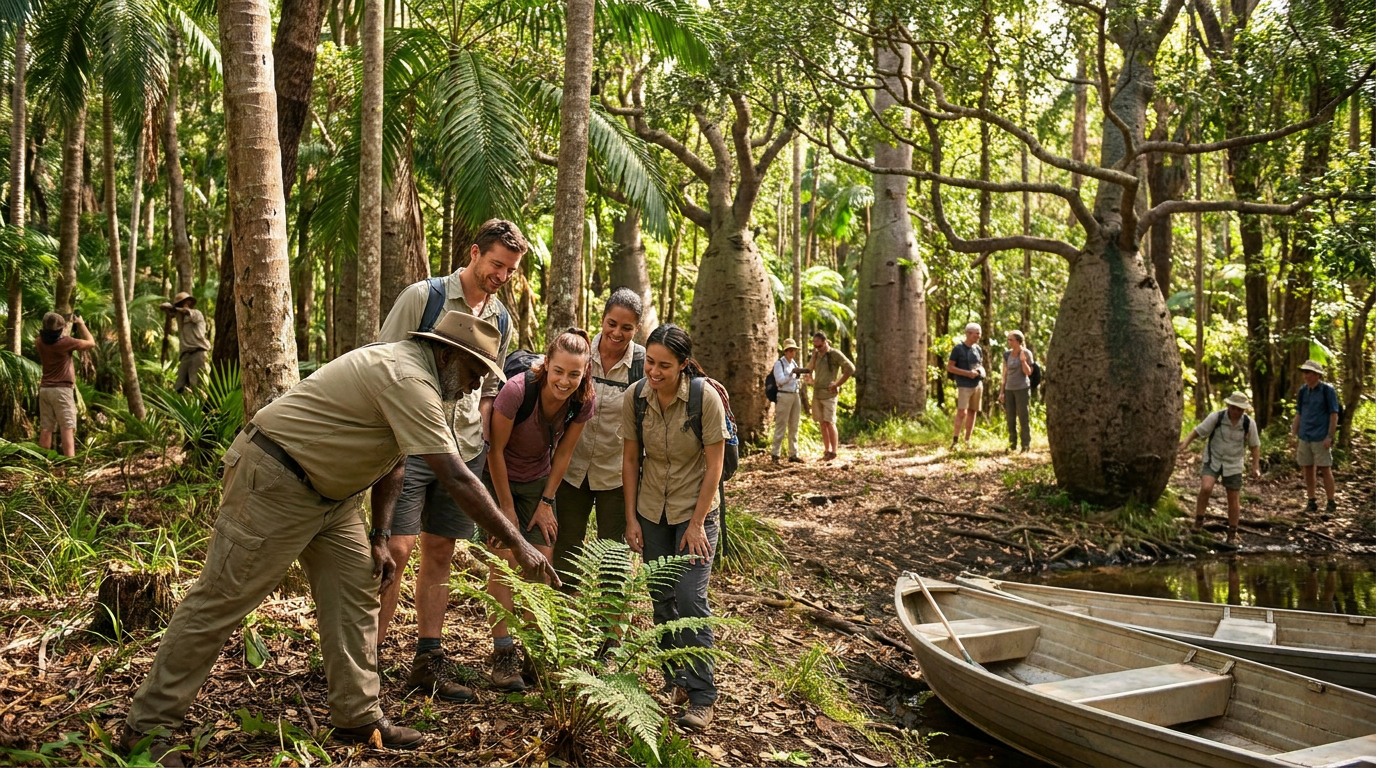
How Community-Based Tourism and Indigenous Guides Are Rewriting the Travel Playbook
0 sources
Smart Tourism
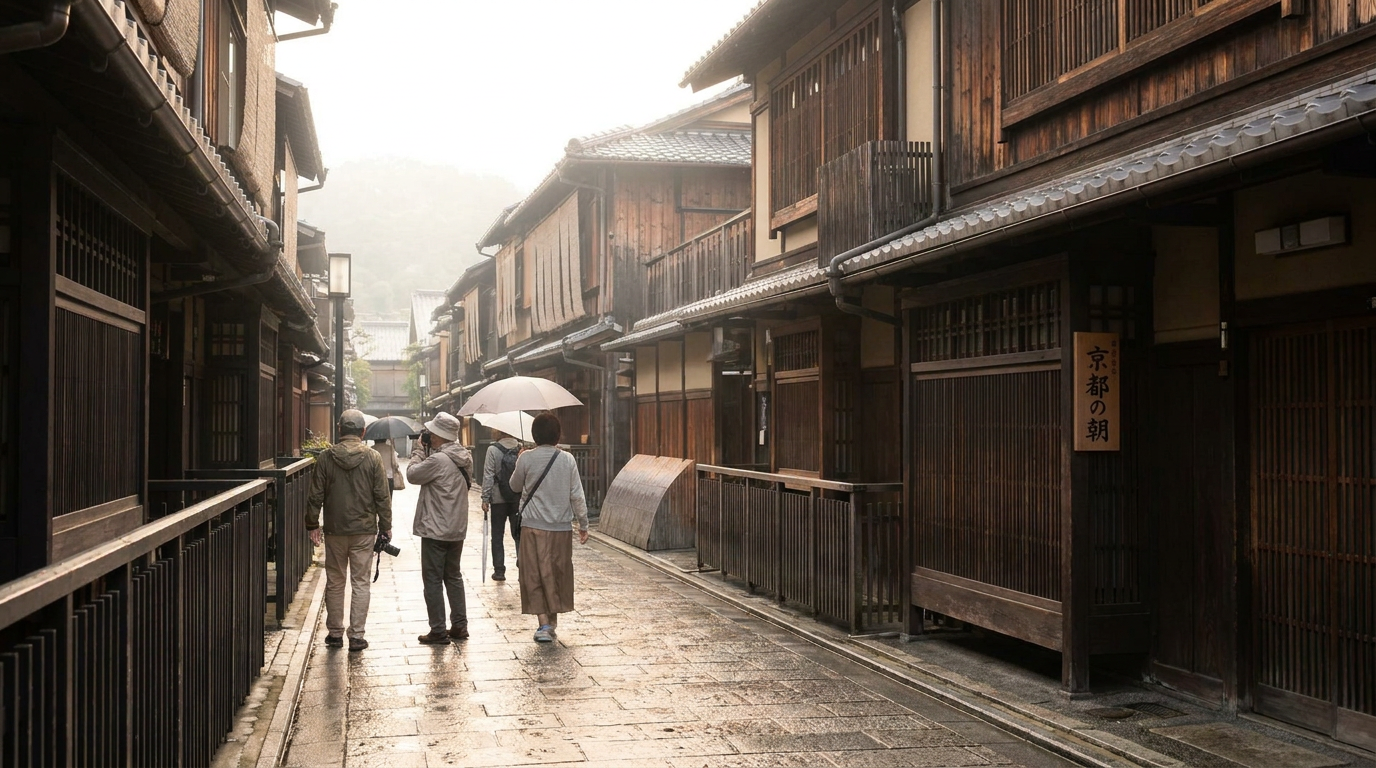
Navigating Kyoto's New Smart Tourism Rules: A Guide for Respectful Travel in 2026
0 sources
Every angle. Every day.
Get travel stories with full source coverage and perspective breakdowns delivered to your inbox.