
US and Iran Reach Deal to End War, Lifting Naval Blockade as Israel Rejects Lebanon Ceasefire
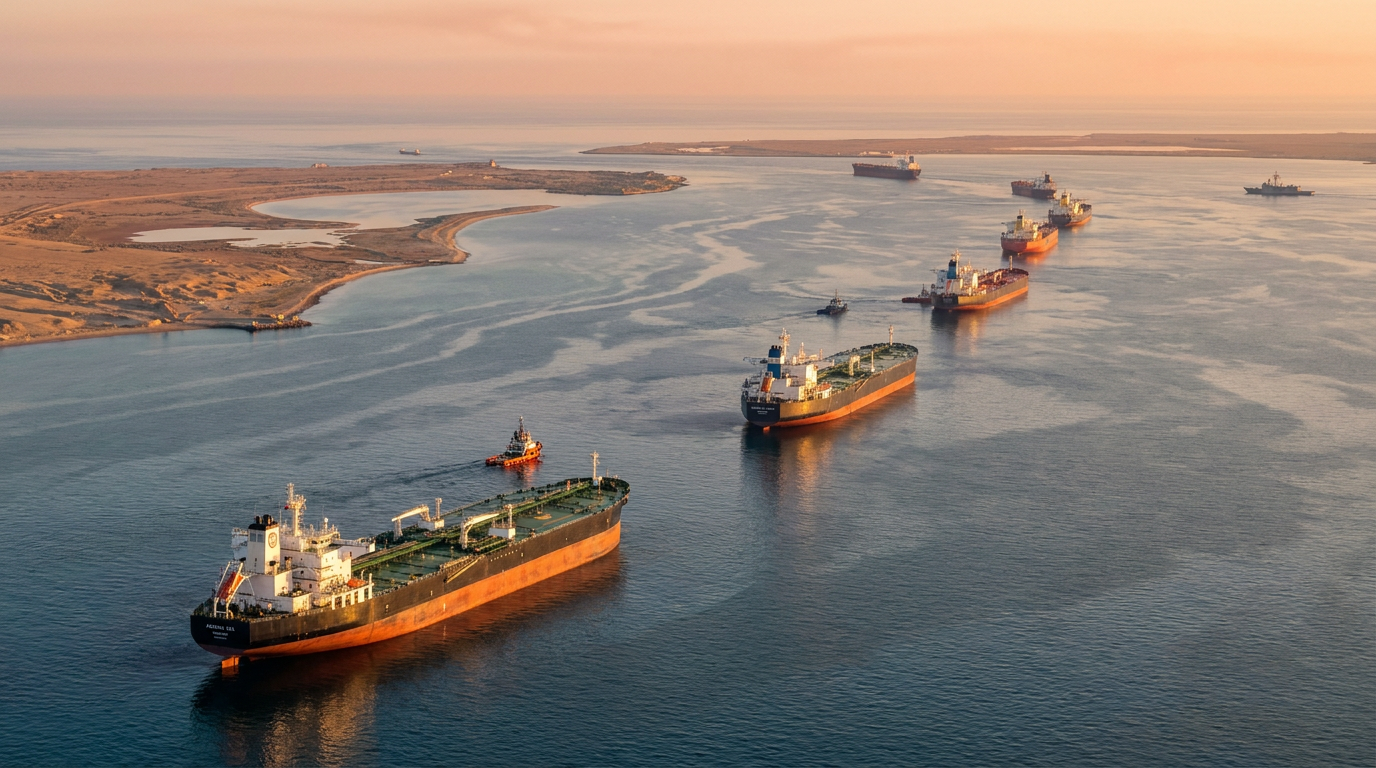
The United States and Iran have agreed to a memorandum of understanding to end their four-month conflict and reopen the Strait of Hormuz. However, the deal faces immediate complications as Israeli Prime Minister Benjamin Netanyahu vowed to maintain military occupations in Lebanon and Syria despite the ceasefire terms.
By Factlen Editorial Team
- US Administration
- Prioritizes ending the war, restoring global shipping, and securing nuclear concessions.
- Israeli Leadership
- Prioritizes immediate border security and the dismantling of hostile proxy forces over regional diplomatic agreements.
- Iranian & Regional Actors
- Prioritizes economic relief from the blockade and the preservation of territorial sovereignty.
What's not represented
- · Lebanese civilians in the occupied south
- · Global shipping insurers
Why this matters
The reopening of the Strait of Hormuz promises immediate relief for global energy markets and supply chains, lowering fuel costs worldwide. However, Israel's refusal to withdraw from Lebanon threatens to keep the region fractured, potentially drawing US diplomatic and military resources into a prolonged proxy standoff.
Key points
- The US and Iran have signed a memorandum of understanding to end their four-month conflict.
- The US has authorized the immediate lifting of its naval blockade and the reopening of the Strait of Hormuz.
- Israel rejected the deal's Lebanon ceasefire provisions, vowing to maintain military buffer zones indefinitely.
- A formal signing ceremony for the peace agreement is scheduled for Friday in Geneva.
The United States and Iran have reached a landmark memorandum of understanding to end their nearly four-month war, prompting President Donald Trump to authorize the immediate lifting of the US naval blockade and the reopening of the Strait of Hormuz.[1][2]
The agreement, brokered with the mediation of Pakistani Prime Minister Shehbaz Sharif, was signed electronically on Sunday by Trump, Vice President JD Vance, and Iranian Parliament Speaker Mohammad Bagher Ghalibaf. A formal signing ceremony is scheduled for Friday, June 19, in Geneva, Switzerland.[1][4]
The diplomatic breakthrough immediately rippled through global markets. Oil futures dropped 4% and equities rallied as the prospect of restored commercial shipping through the world's most critical energy chokepoint became a reality. Trump celebrated the deal on social media, declaring the conflict over and telling the global shipping industry to "start your engines."[1][4]

The US naval blockade, imposed in mid-April following the collapse of earlier ceasefire talks, had severely restricted Iranian oil exports and triggered retaliatory closures of the Strait. While the blockade is officially lifted, US officials cautioned that clearing mines and restoring full commercial traffic could take up to 30 days, depending on the risk tolerance of individual shipping companies.[6]
Domestically, the Trump administration is framing the deal as a permanent victory over Iran's nuclear ambitions. Vice President Vance touted a "two-step verification process" that will allegedly see international inspectors return to Iranian facilities, claiming the agreement will "fundamentally transform the Middle East."[4][5]
Domestically, the Trump administration is framing the deal as a permanent victory over Iran's nuclear ambitions.
However, a major geopolitical fault line emerged immediately regarding the deal's scope. While the agreement reportedly mandates the cessation of military operations on all fronts—including the ongoing conflict in Lebanon—Israel swiftly rejected that provision.[1][5]

In his first press conference following the announcement, Israeli Prime Minister Benjamin Netanyahu declared that Israel is not a party to the US-Iran pact and is not bound by its terms. Netanyahu vowed that Israeli forces would remain in newly established "security buffer zones" in southern Lebanon, Gaza, and Syria indefinitely, insisting the occupations are necessary to protect Israeli citizens.[5][7]
The rift exposes growing daylight between Washington and its closest Middle East ally. Israeli far-right ministers, including National Security Minister Itamar Ben Gvir and Finance Minister Bezalel Smotrich, fiercely criticized the agreement, demanding the complete dismantling of Hezbollah rather than a negotiated ceasefire.[3][8]

Despite the Israeli pushback, regional actors and European allies largely welcomed the de-escalation. UK Prime Minister Keir Starmer called the restoration of navigation in the Strait of Hormuz "hugely important," while Hezbollah indicated it would respect the comprehensive ceasefire provided Lebanon's sovereignty is maintained.[3][5]
As diplomats prepare for Friday's formal signing, the next 60 days will involve intense technical negotiations to finalize the nuclear verification protocols. The success of the broader peace framework now hinges on whether the US can manage the fragile, contested reality on the ground in Lebanon while ensuring the safe flow of global energy.[2][4]
How we got here
Feb 2026
A major escalation in the Middle East triggers a direct military conflict between the US, Israel, and Iran.
April 13, 2026
The US imposes a strict naval blockade on Iranian ports following the collapse of ceasefire talks in Islamabad.
June 14, 2026
The US and Iran electronically sign a memorandum of understanding to end the war and lift the blockade.
June 19, 2026
A formal signing ceremony for the peace agreement is scheduled to take place in Geneva, Switzerland.
Viewpoints in depth
US Administration
The Trump administration views the deal as a historic victory that secures global energy markets and permanently blocks Iran's nuclear program.
Vice President JD Vance and President Trump have framed the memorandum as a definitive end to a costly conflict. They argue that the immediate reopening of the Strait of Hormuz will lower energy costs for Americans, while a strict "two-step verification process" will ensure international inspectors can permanently dismantle Iran's nuclear ambitions. The administration maintains that the economic leverage of the naval blockade successfully forced Tehran to the negotiating table.
Israeli Leadership
The Israeli government rejects the deal's regional ceasefire provisions, viewing the retention of military buffer zones as an existential necessity.
Prime Minister Benjamin Netanyahu and his hardline cabinet ministers argue that the US-Iran agreement fails to address the immediate security threats on Israel's borders. By refusing to withdraw from southern Lebanon, Gaza, and Syria, Israeli leaders assert that they are not bound by Washington's diplomatic timeline. Far-right ministers like Itamar Ben Gvir have gone further, demanding the complete military dismantling of Hezbollah rather than accepting a negotiated pause in hostilities.
Iranian & Regional Actors
Iran and its allies welcome the lifting of the blockade while emphasizing their sovereignty and maintaining deep distrust of US commitments.
Iranian officials have celebrated the end of the US naval blockade and the cessation of military operations, framing the agreement as a necessary step to relieve their battered economy. However, state media and diplomats stress that the deal was drafted in an atmosphere of "continued distrust." Regional allies, including Hezbollah, have signaled a willingness to respect the ceasefire, provided that Lebanon's territorial sovereignty is upheld—a condition directly at odds with Israel's current military posture.
What we don't know
- Whether the US will exert pressure on Israel to withdraw from Lebanon to save the broader peace framework.
- The exact technical details of the 'two-step verification process' for Iran's nuclear facilities.
- How quickly global shipping insurers will clear commercial vessels to return to the Strait of Hormuz.
Key terms
- Strait of Hormuz
- A narrow, strategically vital waterway between the Persian Gulf and the Gulf of Oman through which a significant portion of the world's oil supply passes.
- Naval Blockade
- A military operation in which ships are used to prevent vessels from entering or leaving a country's ports, used by the US to choke off Iran's oil exports.
- Buffer Zone
- A neutral or demilitarized area designed to separate hostile forces; Israel claims it is establishing these zones in Lebanon and Syria for its own security.
- Memorandum of Understanding
- A formal agreement between two or more parties that establishes a framework for cooperation, often preceding a finalized, binding treaty.
Frequently asked
When will the Strait of Hormuz reopen?
President Trump authorized the immediate lifting of the blockade, but US officials estimate it could take up to 30 days to clear mines and fully restore commercial traffic.
Does the deal end the fighting in Lebanon?
The US-Iran agreement mandates a ceasefire on all fronts, including Lebanon. However, Israel has rejected this provision and vowed to maintain its military presence in southern Lebanon.
What happens to Iran's nuclear program?
The initial agreement pauses hostilities, but the two sides have a 60-day window to negotiate technical details, which the US claims will include the return of international nuclear inspectors.
Sources
Source coverage
8 outlets
3 viewpoints surfaced








[1]CBS NewsUS Administration
Trump says U.S. deal with Iran 'is now complete,' authorizes removal of Navy blockade of Strait of Hormuz
Read on CBS News →[2]PBSUS Administration
Deal is reached to end Iran war and Trump orders stop to U.S. naval blockade
Read on PBS →[3]Al JazeeraIranian & Regional Actors
World reacts as Iran and US reach tentative deal to end war
Read on Al Jazeera →[4]Fox NewsUS Administration
Trump touts peace agreement with Iran as Israeli leaders criticize deal
Read on Fox News →[5]The GuardianIsraeli Leadership
Middle East crisis live: JD Vance claims nuclear inspectors will return to Iran as part of deal; Israel says its forces will remain in Lebanon 'buffer zone'
Read on The Guardian →[6]Al-MonitorIranian & Regional Actors
US to begin lifting naval blockade of Iran, Trump says
Read on Al-Monitor →[7]Palestine ChronicleIsraeli Leadership
Netanyahu Vows to Stay in Lebanon, Gaza, Syria as Iran Deal Moves Forward
Read on Palestine Chronicle →[8]The HinduIsraeli Leadership
West Asia highlights: Trump says Hormuz to reopen Friday under U.S.-Iran deal
Read on The Hindu →
More in news politics
See all 6 stories →Strait of Hormuz
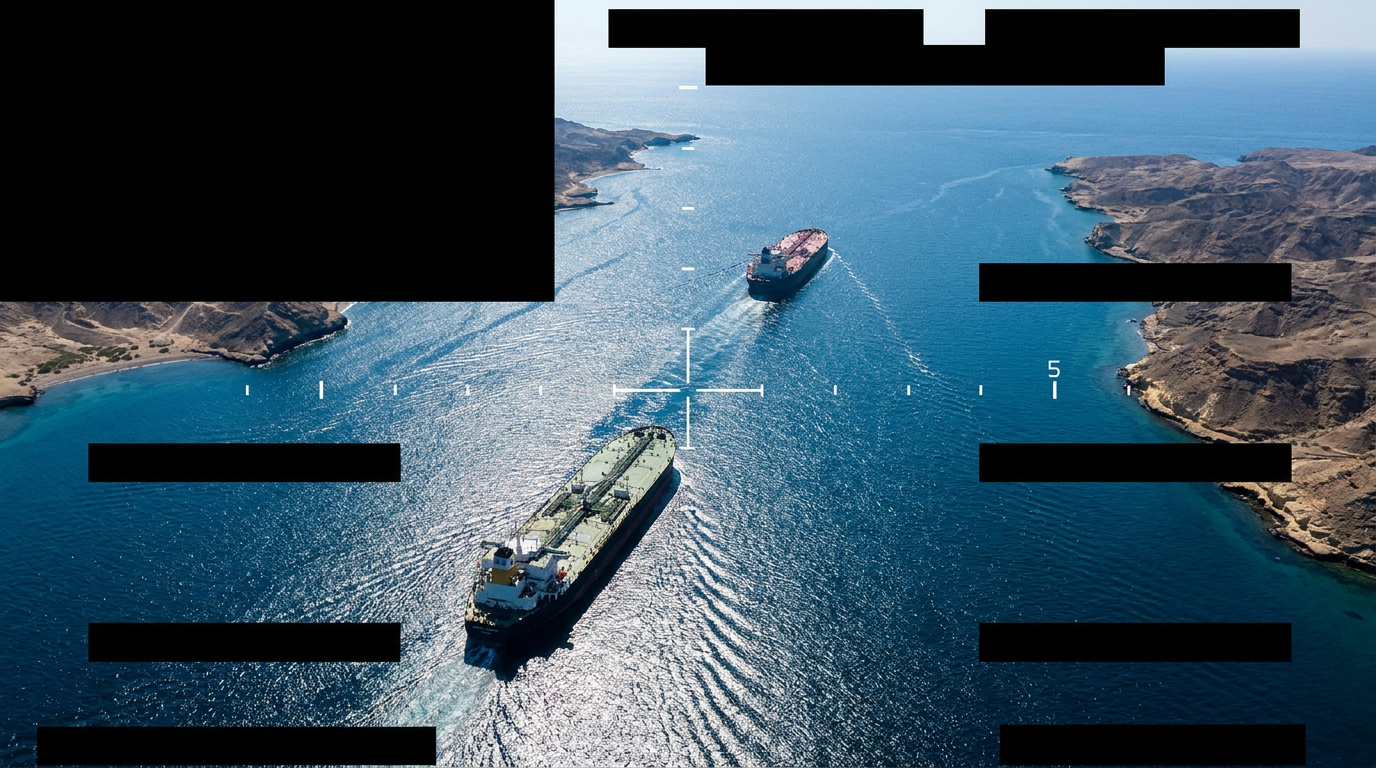
US and Iran Sign Memorandum of Understanding to End War, Reopening Strait of Hormuz
0 sources

Newsom Probe
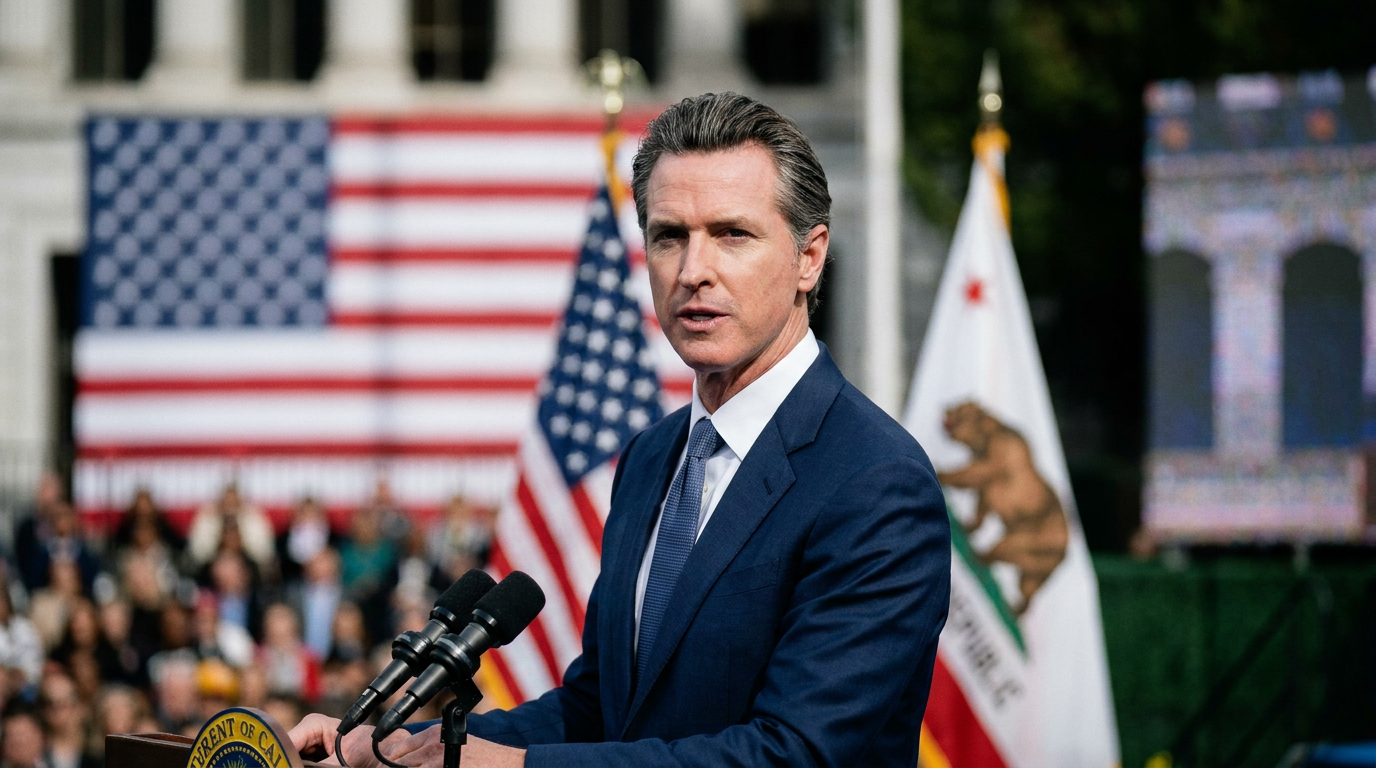
California Gov. Gavin Newsom Announces DOJ Investigation Into His Family, Accuses Trump of Political Retribution
0 sources
Mandatory Detention
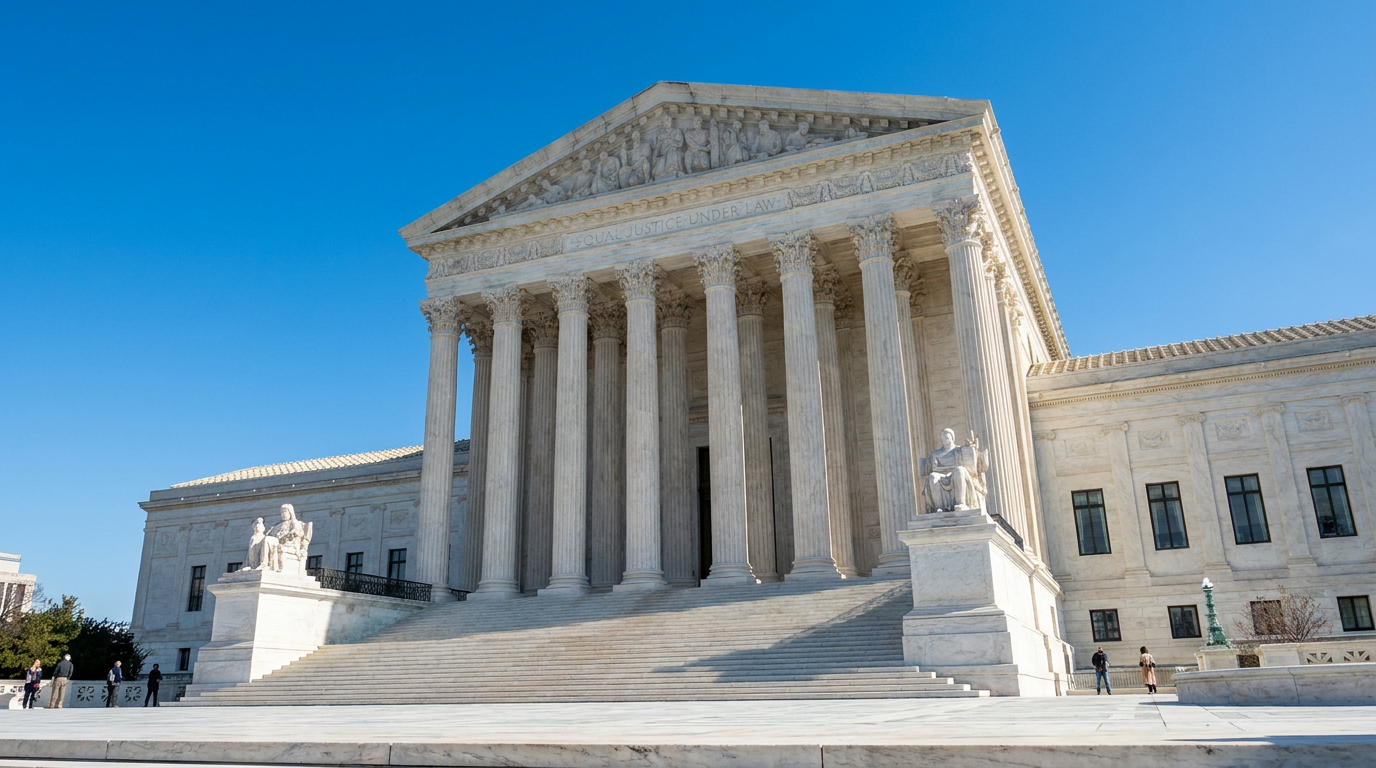
Supreme Court to Decide if Immigrants Can Be Held Indefinitely Without Bond Hearings
0 sources
Student Loans
Major Federal Student Loan Overhaul Takes Effect July 1: What Borrowers Need to Know
0 sources
Every angle. Every day.
Get news politics stories with full source coverage and perspective breakdowns delivered to your inbox.