
Why Enzymatic Cleaners Are Replacing Harsh Chemicals in Homes
By harnessing biological catalysts to dismantle stains at the molecular level, enzymatic cleaners offer a safer, more effective alternative to traditional household chemicals.
By Factlen Editorial Team
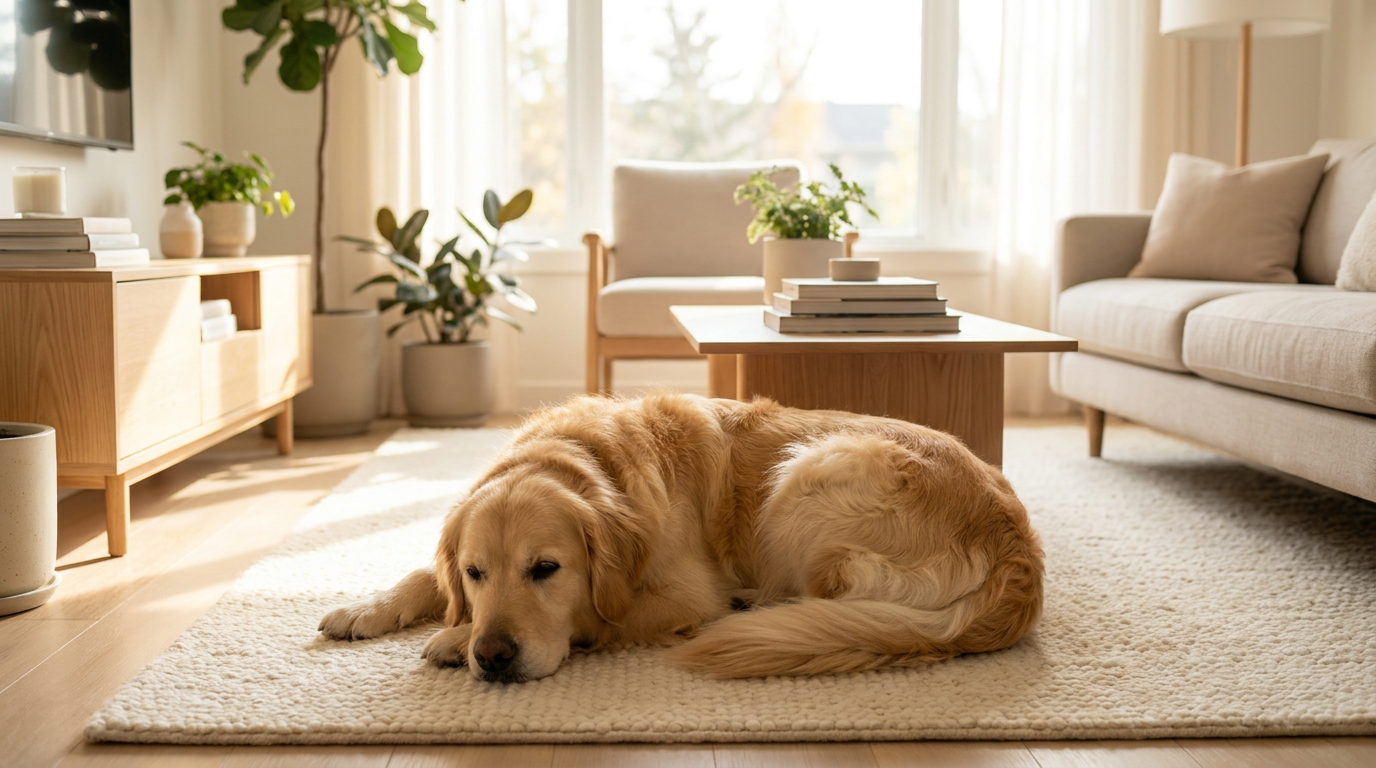
- Biochemical Cleaning Advocates
- Proponents of replacing harsh chemicals with biological catalysts for environmental and health reasons.
- Veterinary & Pet Care Experts
- Professionals focused on animal behavior and household hygiene.
- Professional Carpet Cleaners
- Industry professionals who handle severe, set-in property damage.
What's not represented
- · Traditional Chemical Manufacturers
Why this matters
Traditional cleaning products often rely on harsh chemicals that pollute indoor air and merely mask odors. Understanding how biological enzymes work allows households to permanently eliminate organic stains while reducing their environmental footprint and exposure to toxins.
Key points
- Enzymatic cleaners use biological catalysts to break down organic stains at the molecular level.
- Unlike traditional cleaners, they can dissolve uric acid crystals, permanently eliminating pet odors.
- Different enzymes target specific messes, such as proteases for proteins and lipases for fats.
- They are biodegradable, pH-neutral, and do not release harmful volatile organic compounds.
- Enzymes require a 'dwell time' to work and are not instant disinfectants.
It is a familiar frustration for pet owners and parents: a spill, a stain, a frantic scrub with soapy water, and the inevitable return of the odor days later. For decades, the standard household response to organic messes has been chemical warfare—bleach, ammonia, and heavy detergents.[8]
But a fundamental shift is occurring in how we maintain our living spaces. Instead of relying on corrosive chemicals to burn away stains or synthetic fragrances to mask them, a growing number of consumers and professionals are turning to biology.[8]
Enzymatic cleaners represent a departure from traditional "brute force" cleaning. Rather than simply lifting dirt from a surface, these solutions deploy biological catalysts to dismantle organic matter at the molecular level.[3]
To understand why this matters, it helps to look at how traditional cleaners fail. Most conventional products rely on surfactants, which act like microscopic crowbars to lift dirt and oils away from surfaces so they can be wiped up.[7]

Other traditional cleaners use oxidizing agents, like hydrogen peroxide or bleach, which essentially burn organic matter through a chemical reaction. While effective at removing the visible pigment of a stain, they often damage fabrics and leave behind the invisible, odor-causing compounds.[7]
The most notorious of these lingering compounds is uric acid, the primary culprit in pet urine odors. Uric acid crystals are not water-soluble, meaning no amount of scrubbing with standard soap and water will dissolve them.[1][7]
When the weather gets humid, or the carpet gets damp, these dormant crystals reactivate, releasing a pungent ammonia-like smell. This is why a seemingly clean carpet can suddenly smell like a litter box weeks after an accident.[6]
Enzymatic cleaners solve this problem through a lock-and-key biological mechanism. Enzymes are naturally occurring proteins that speed up chemical reactions without being consumed in the process.[5]
Enzymatic cleaners solve this problem through a lock-and-key biological mechanism.
When applied to a stain, specific enzymes seek out and bind to specific types of organic molecules. Once attached, they catalyze a reaction that shatters the complex molecule into smaller, water-soluble pieces—primarily carbon dioxide and water.[2][5]
Different messes require different biological keys. Protease enzymes are deployed to break down protein-based stains like blood, vomit, and feces. Lipases target fats and oils, making them ideal for kitchen grease. Amylases dismantle starches, while ureases specifically target the urea found in urine.[7]

Many commercial enzymatic formulas pair these enzymes with beneficial, non-pathogenic bacteria. As the enzymes chop the organic waste into bite-sized molecular pieces, the bacteria consume those pieces, multiplying until the "food source" is completely eradicated.[4][6]
Because this process destroys the odor-causing molecules entirely, it provides a behavioral benefit for pet owners. Dogs and cats have highly sensitive noses and will repeatedly mark spots that carry trace amounts of uric acid. By eliminating the scent at the molecular level, enzymatic cleaners break the cycle of repeat accidents.[1][5]
Beyond their efficacy, the environmental and health profiles of enzymatic cleaners are driving their adoption. Traditional chemical cleaners frequently release Volatile Organic Compounds (VOCs) that degrade indoor air quality and can irritate respiratory systems.[4]
Enzymatic solutions, conversely, are typically pH-neutral, biodegradable, and free from harsh fumes. They break down naturally in waterways without contributing to toxic runoff or harming aquatic life.[8]
They also offer a lower carbon footprint. Because enzymes are highly efficient catalysts, they perform exceptionally well in cold water, reducing the energy required for heated cleaning processes in both residential and commercial settings.[8]

However, the biological nature of these cleaners introduces specific limitations that users must understand. The most significant is time. Enzymatic cleaning is not instantaneous; it is a biological process that requires a "dwell time" ranging from 15 minutes to 72 hours, depending on the severity of the stain.[2][4]
Furthermore, while they excel at removing organic matter, standard enzyme cleaners are not disinfectants. They do not kill viruses or sanitize surfaces, meaning they should be paired with proper disinfectants in healthcare settings or when dealing with dangerous pathogens.[4]
Finally, professional carpet cleaners warn that DIY enzymatic sprays are limited by gravity and saturation. If a pet accident has soaked through the carpet, into the padding, and down to the subfloor, a surface-level spray will only neutralize the top layer. The enzymes must physically touch the uric acid crystals to destroy them, which sometimes requires professional sub-surface extraction.[6]
Despite these caveats, the shift toward enzymatic technology represents a maturation in household maintenance. By working with biological processes rather than against them, we can achieve deeper cleanliness without compromising the health of our homes or the environment.[8]
Viewpoints in depth
Biochemical Cleaning Advocates
Proponents of replacing harsh chemicals with biological catalysts.
This camp argues that traditional cleaning relies on an outdated 'brute force' model of chemical warfare against dirt. By shifting to enzymatic solutions, they emphasize that households can achieve superior cleanliness without introducing volatile organic compounds (VOCs) into their indoor air. They point to the environmental benefits of biodegradable formulas that work effectively in cold water, reducing both toxic runoff and energy consumption.
Veterinary & Pet Care Experts
Professionals focused on animal behavior and household hygiene.
For veterinarians and pet trainers, the value of enzymatic cleaners lies in their ability to alter animal behavior. Because dogs and cats possess highly sensitive olfactory receptors, they will repeatedly soil areas that carry even microscopic traces of uric acid. This camp champions enzymatic cleaners because they are the only household products capable of destroying uric acid crystals entirely, thereby breaking the cycle of repeat accidents while remaining non-toxic to the animals.
Professional Carpet Cleaners
Industry professionals who handle severe, set-in property damage.
While acknowledging the scientific efficacy of enzymes, professional cleaners caution against viewing retail sprays as a silver bullet for severe messes. They argue that gravity pulls liquid waste deep into carpet padding and wooden subfloors, areas that a surface-level spray simply cannot reach. From their perspective, while enzymes are the correct chemical tool, they must often be paired with professional sub-surface extraction equipment to physically flush the dissolved contaminants out of the home.
What we don't know
- Whether future enzymatic formulations can be stabilized to work instantly without requiring long dwell times.
- How quickly commercial cleaning industries will fully transition away from legacy chemical surfactants.
Key terms
- Enzyme
- A naturally occurring protein that acts as a biological catalyst to speed up chemical reactions.
- Uric Acid
- A stubborn, non-water-soluble chemical compound found in urine that causes lingering odors.
- Surfactant
- A chemical agent in traditional detergents that reduces surface tension to lift dirt away from materials.
- Volatile Organic Compounds (VOCs)
- Harmful gases emitted by many traditional household cleaning chemicals that can degrade indoor air quality.
- Dwell Time
- The amount of time a cleaning product must remain wet on a surface to effectively break down a stain.
Frequently asked
Can I use enzymatic cleaners on leather furniture?
No. Because leather is an organic, protein-based material, the enzymes can actually break down and damage the leather itself.
Do enzymatic cleaners kill bacteria and viruses?
No. While they remove the organic matter that bacteria feed on, standard enzyme cleaners are not disinfectants and will not kill viruses.
Why does the smell sometimes get worse before it gets better?
As the enzymes break down uric acid crystals, the chemical reaction releases carbon dioxide and off-gases the trapped odors. The smell will dissipate once the area fully dries.
Sources
Source coverage
8 outlets
3 viewpoints surfaced







[1]RoverVeterinary & Pet Care Experts
How Do Enzymatic Pet Cleaners Work? An Expert Explains
Read on Rover →[2]Good HousekeepingProfessional Carpet Cleaners
Best Pet Stain and Odor Removers
Read on Good Housekeeping →[3]Clean ChapsBiochemical Cleaning Advocates
The Science Behind Enzymatic Cleaners
Read on Clean Chaps →[4]Green KultureBiochemical Cleaning Advocates
The Truth About Enzyme Cleaners
Read on Green Kulture →[5]PupfordVeterinary & Pet Care Experts
What's an Enzymatic Cleaner? How It Works
Read on Pupford →[6]Vital CleanProfessional Carpet Cleaners
Understanding the Science: How Enzymatic Cleaners Work
Read on Vital Clean →[7]UseOnaBiochemical Cleaning Advocates
Enzymatic vs Chemical Pet Cleaners: Which Actually Works?
Read on UseOna →[8]Factlen Editorial Team
Synthesis by Factlen editorial team
Read on Factlen Editorial Team →
More in home
See all 26 stories →Neuroaesthetics
How Neuroaesthetics in Interior Design Shapes Brain Chemistry and Mental Health
7 sources

Kitchen Tech
The Science of Induction Cooking: How Magnets Are Revolutionizing the Modern Kitchen
8 sources
Soil Science
The Science of No-Dig Gardening: Why Leaving Soil Undisturbed Yields Better Results
8 sources
Building Science
The Science of the 'Deep Energy Retrofit': How Older Homes Are Achieving Net-Zero
6 sources

Every angle. Every day.
Get home stories with full source coverage and perspective breakdowns delivered to your inbox.