
US and Iran Reach Tentative Truce, but Secret Terms and Strait of Hormuz Fees Raise Questions
The US and Iran have agreed to a short-term truce to halt hostilities, but undisclosed terms regarding nuclear concessions and potential shipping tolls in the Strait of Hormuz have sparked skepticism among intelligence officials and global markets.
By Factlen Editorial Team
- US Administration Skeptics
- Warn that Iran will not make genuine nuclear concessions and is using the truce to buy time.
- Iranian Sovereignty Advocates
- Assert Iran's right to secure its waters, demand sanction relief, and view the truce as a strategic victory.
- Global Trade & Energy Analysts
- Focus on the economic impact of the truce and the legality of potential shipping fees in the Strait of Hormuz.
- Gulf State Observers
- Cautiously optimistic about de-escalation but wary of Iran's long-term regional ambitions.
What's not represented
- · Civilian populations in Iran facing the brunt of economic sanctions
- · Crews of commercial vessels navigating the high-risk waters of the Persian Gulf
Why this matters
A permanent resolution to the US-Iran conflict would stabilize global energy markets and lower consumer gas prices, but the introduction of shipping tolls in the Strait of Hormuz could permanently alter the cost of global trade. The success or failure of the deal will also heavily influence the US economy ahead of the midterm elections.
Key points
- The US and Iran have agreed to a short-term truce, but the specific terms remain undisclosed.
- CIA Director John Ratcliffe has reportedly warned the President that Iran may not make necessary nuclear concessions.
- Iran is reportedly considering charging commercial ships a toll to pass through the Strait of Hormuz.
- Charging a blanket transit fee is illegal under international maritime law, though 'service fees' are a potential loophole.
- The White House is seeking a definitive diplomatic win to boost the US economy ahead of the midterm elections.
The United States and Iran have entered a tentative short-term truce, pausing a volatile period of military escalation that has rattled global markets. But the actual text of the agreement remains closely guarded, leaving allies, energy traders, and intelligence officials guessing about the long-term geopolitical costs. While the immediate cessation of hostilities brings a sigh of relief to the Persian Gulf, the White House's promise of a comprehensive peace deal is already facing intense internal and external scrutiny.[1][5]
Behind closed doors, the administration is grappling with significant skepticism from its own intelligence apparatus. CIA Director John Ratcliffe has reportedly warned President Trump that intelligence suggests Iran has little intention of making the deep nuclear concessions Washington is demanding. These warnings highlight a growing friction point within the administration, as defense and intelligence hardliners—including Secretary of State Marco Rubio—express wariness about giving Tehran breathing room to rebuild its capabilities while negotiations drag on.[2][8]
For the White House, the stakes extend far beyond the Middle East. The President is seeking a definitive diplomatic victory to deliver on promises of a quick economic rebound. The conflict has kept energy prices elevated, creating a severe political headwind just months before the midterm elections. A successful, durable deal could lower gas prices and ease inflation, but the current uncertainty surrounding the secret terms is keeping global markets on edge.[1][6]
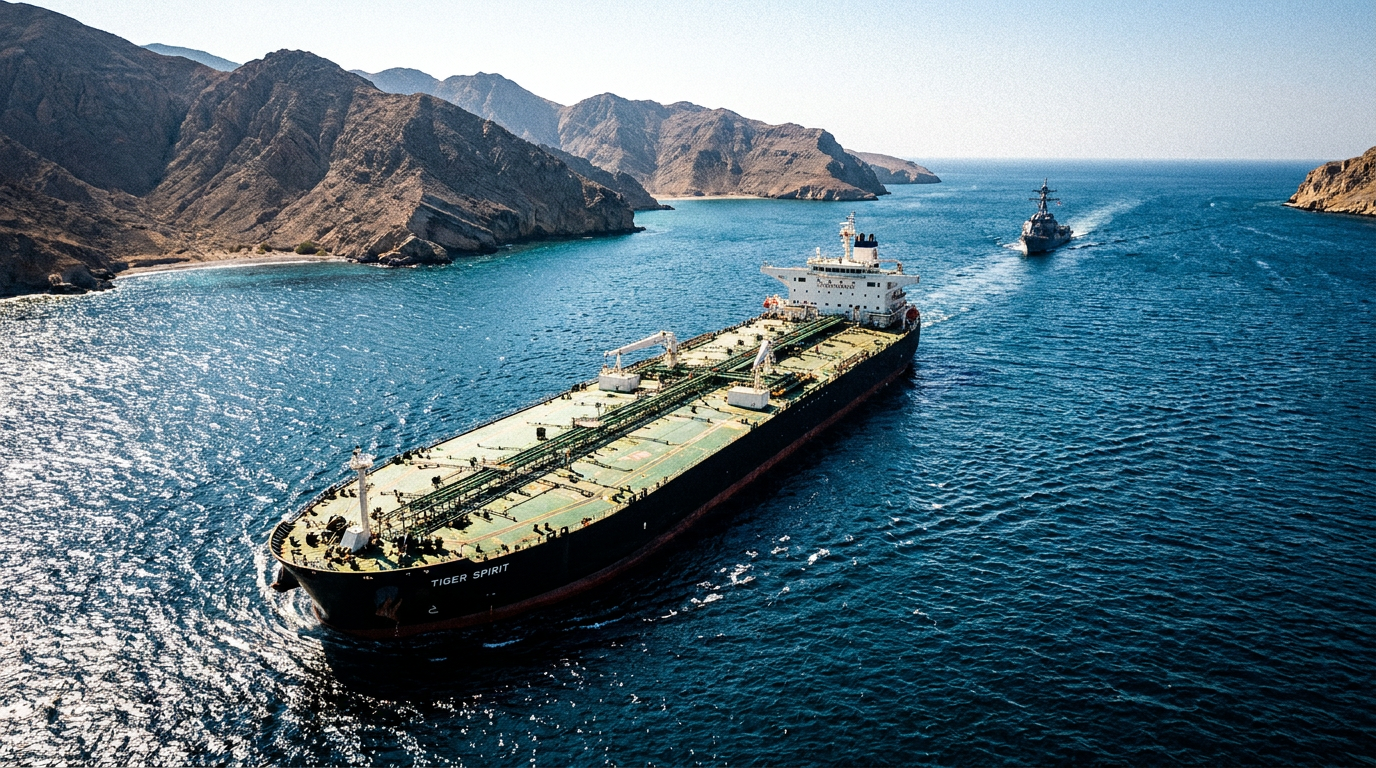
Perhaps the most contentious unresolved issue is the status of the Strait of Hormuz. Through this narrow, strategic waterway flows roughly 20 percent of the world's oil supply. Reports indicate that as part of its negotiating posture, Iran is considering levying fees on commercial ships passing through the strait—a move that would fundamentally alter the economics of global maritime trade and set a highly controversial precedent.[1][3]

Under international maritime law, charging a blanket toll for transit through an international strait is strictly illegal. However, coastal states are permitted to charge fees for specific services rendered, such as pilotage, environmental protection, or search-and-rescue readiness. It remains entirely unclear what services Iran would claim to provide to justify these fees, especially considering that no such tolls were charged prior to the recent outbreak of conflict.[1]
Under international maritime law, charging a blanket toll for transit through an international strait is strictly illegal.
Iranian state media has framed the truce as a victory for national sovereignty, emphasizing Tehran's right to secure its territorial waters and demanding immediate relief from crippling Western economic sanctions. For Iran's leadership, the ability to project authority over the Strait of Hormuz is both a vital strategic lever against the West and a crucial point of domestic pride amid severe economic hardship at home.[7]
Meanwhile, neighboring Gulf states are watching the negotiations with cautious optimism. Nations like Saudi Arabia and the United Arab Emirates desperately desire a de-escalation that protects their own oil export infrastructure from retaliatory strikes. Yet, they remain deeply concerned about any US-brokered agreement that might leave Iran's regional proxy networks and long-term nuclear ambitions unchecked.[4]
The global shipping industry finds itself caught in the middle of this diplomatic tightrope. Insurance premiums for vessels entering the Persian Gulf remain highly elevated due to the lingering threat of conflict. If Iran successfully imposes transit fees—even under the guise of legal "service charges"—shipping companies will be forced to pass those massive costs directly onto consumers, potentially neutralizing the economic benefits of the truce entirely.[3][6]

As the administration navigates these treacherous diplomatic waters, the clock is ticking. The White House needs a tangible, public diplomatic win to reassure domestic voters that the era of overseas conflict is ending and that economic relief is imminent. But rushing a final accord without ironclad verification mechanisms could invite severe backlash from both congressional hawks and international allies who fear a bad deal is worse than no deal.[5][8]
Ultimately, the short-term truce is merely a pause, not a resolution. The coming weeks will test whether the administration can translate a fragile ceasefire into a durable, transparent treaty, or if the secret terms will unravel under the weight of mutual distrust, regional complexities, and the uncompromising realities of global trade.[1][2]
How we got here
Early 2026
Military escalations between the US and Iran disrupt shipping in the Persian Gulf, spiking global energy prices.
Spring 2026
Secret back-channel negotiations begin in an effort to establish a ceasefire and stabilize the region.
June 2026
A short-term truce is reached, pausing hostilities but leaving long-term nuclear and maritime issues unresolved.
Viewpoints in depth
US Intelligence & Defense Hawks
Skeptical of Iran's willingness to make genuine nuclear concessions.
Officials like CIA Director John Ratcliffe argue that Tehran is using the truce to buy time and relieve economic pressure without dismantling its core nuclear infrastructure. They point to historical precedents of Iran stalling international inspectors and warn that a rushed deal to satisfy domestic political timelines could leave the US and its allies vulnerable to a nuclear-armed adversary.
Iranian Leadership
Views the truce as a validation of its regional leverage and demands immediate sanction relief.
From Tehran's perspective, the ability to disrupt global shipping and withstand US military pressure has forced Washington to the negotiating table. Iranian state media emphasizes the nation's sovereign right to control its territorial waters, including the potential levying of transit fees in the Strait of Hormuz, while insisting that any long-term peace must begin with the total removal of Western economic sanctions.
Global Shipping & Energy Markets
Focused on the immediate costs of transit and the legality of potential tolls.
Energy analysts and shipping conglomerates are less concerned with the political optics and more focused on the bottom line. They argue that if Iran is permitted to charge 'service fees' for transit through the Strait of Hormuz, it sets a dangerous precedent that violates international maritime law. This camp warns that such fees, combined with lingering war-risk insurance premiums, will keep global energy prices artificially high regardless of a formal peace treaty.
What we don't know
- The exact text and conditions of the short-term truce agreement.
- Whether Iran will actually attempt to enforce transit fees in the Strait of Hormuz, and how the US Navy would respond.
- The timeline for transitioning this temporary pause into a permanent, comprehensive peace treaty.
Key terms
- Strait of Hormuz
- A narrow waterway between the Persian Gulf and the Gulf of Oman through which roughly a fifth of the world's oil supply passes.
- Transit Passage
- A principle of international maritime law that guarantees the freedom of navigation for all ships through international straits.
- Nuclear Concessions
- Agreements by a nation to limit, dismantle, or allow inspections of its nuclear program in exchange for diplomatic or economic benefits.
Frequently asked
Is the conflict between the US and Iran officially over?
No. The two nations have agreed to a short-term truce to pause hostilities, but a comprehensive, long-term peace deal has not yet been finalized.
Can Iran legally charge ships to use the Strait of Hormuz?
Under international law, charging a blanket toll for transit is illegal. However, coastal states can charge fees for specific services rendered, a loophole Iran may attempt to use.
Why is the CIA Director skeptical of the deal?
CIA Director John Ratcliffe has reportedly warned the White House that US intelligence indicates Iran is unlikely to make the deep nuclear concessions required for a final agreement.
Sources
Source coverage
8 outlets
4 viewpoints surfaced








[1]The New York TimesGlobal Trade & Energy Analysts
The (Mostly) Unanswered Questions at the Heart of a U.S.-Iran Accord
Read on The New York Times →[2]AxiosUS Administration Skeptics
Scoop: CIA director doubts Iran's intentions on deal, sources say
Read on Axios →[3]ReutersGlobal Trade & Energy Analysts
Oil markets brace as US-Iran truce leaves Strait of Hormuz transit fees unresolved
Read on Reuters →[4]Al JazeeraGulf State Observers
US-Iran truce brings cautious optimism to Gulf states amid secret terms
Read on Al Jazeera →[5]Fox NewsUS Administration Skeptics
Trump administration secures Iran truce, but Ratcliffe warns on nuclear concessions
Read on Fox News →[6]BloombergGlobal Trade & Energy Analysts
Trump's Midterm Economic Rebound Hinges on Secret Iran Deal Terms
Read on Bloomberg →[7]Tehran TimesIranian Sovereignty Advocates
Iran asserts sovereignty in Hormuz amid truce talks, demands sanction relief
Read on Tehran Times →[8]PoliticoUS Administration Skeptics
The political gamble of Trump's secret Iran accord
Read on Politico →

Every angle. Every day.
Get news politics stories with full source coverage and perspective breakdowns delivered to your inbox.