
The Stakes of Kharg Island: Why the U.S. is Threatening Iran's Oil Fortress
President Trump threatened to seize Iran's primary oil terminal before pausing strikes for potential peace talks, spotlighting the island that controls 90% of Tehran's crude exports.
By Factlen Editorial Team
- Military Realists
- Caution that occupying an island 20 miles off the Iranian coast is a tactical trap that risks heavy American casualties.
- Maximum Pressure Advocates
- Argue that seizing or threatening Iran's oil infrastructure is the only way to bankrupt the regime and force a definitive end to the war.
- Global Market Watchers
- Focus on the catastrophic economic fallout of removing Iranian crude from the global supply chain.
- Iranian Sovereignty Defenders
- View the threats as illegal acts of war and maintain that Iran will defend its economic lifeline at all costs.
What's not represented
- · Chinese energy importers who rely on Iranian crude
- · Local residents and oil workers stationed on Kharg Island
Why this matters
Kharg Island is the beating heart of Iran's economy, processing almost all of its crude exports. A U.S. military seizure or strike would not only cripple Tehran's revenue but could trigger a massive shock to global energy markets, driving up gasoline prices worldwide and potentially expanding the ongoing war.
Key points
- President Trump threatened to seize Kharg Island before pausing strikes for peace talks.
- Kharg Island handles 90% of Iran's crude oil exports, making it the country's economic lifeline.
- The island's deep waters are essential for supertankers, as Iran's mainland coast is too shallow.
- Military experts warn that occupying the island would leave U.S. troops vulnerable to mainland attacks.
- A disruption at Kharg Island could trigger a massive shock to global energy markets and fuel prices.
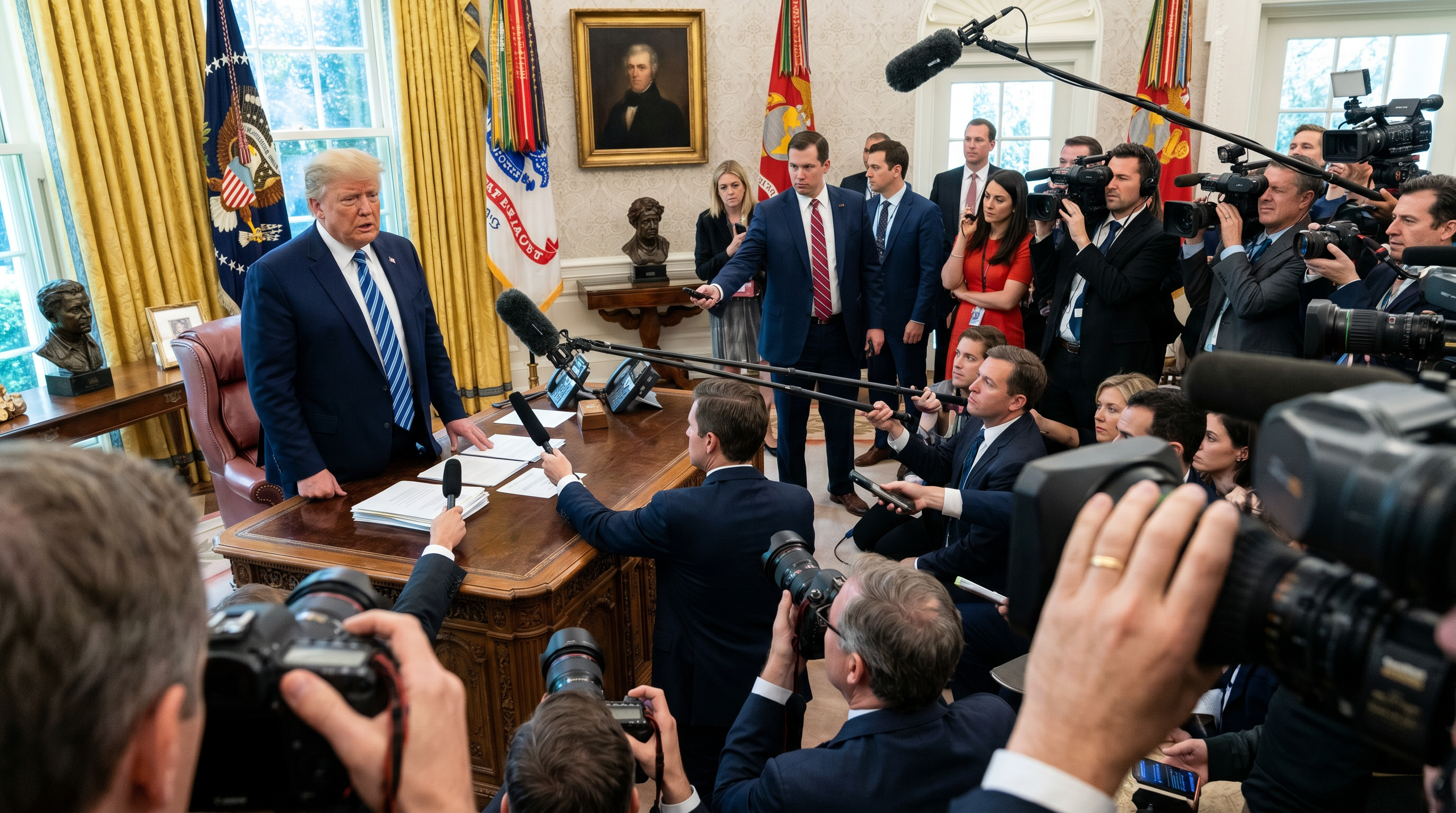
The escalating conflict between the United States and Iran reached a new flashpoint on June 11, when President Donald Trump threatened to seize the undisputed crown jewel of Iran's energy infrastructure: Kharg Island. In a fiery post on Truth Social, the president declared that the U.S. military would hit Iran "VERY HARD" and that American forces would soon be taking Kharg Island and other critical oil infrastructure points. The goal, he stated, was to "assume total control" of Iran's oil and gas markets, drawing a direct comparison to U.S. policy in Venezuela. The threat marked a dramatic escalation in the war that began in late February, signaling a potential shift from targeting military assets to directly dismantling the economic engine of the Islamic Republic.[2][6]
Hours after the initial threat, the immediate crisis appeared to pause. Trump walked back the imminent military strikes, announcing that a "great settlement" had been reached with regional powers and that a formal signing could take place within days. However, the situation remains highly volatile. Iranian officials quickly pushed back, stating that no final decision had been made regarding any peace agreement. The whiplash of maximum-pressure threats followed by diplomatic overtures has left the international community on edge, with the fate of Kharg Island hanging in the balance as the ultimate bargaining chip in the ongoing negotiations.[2][4]
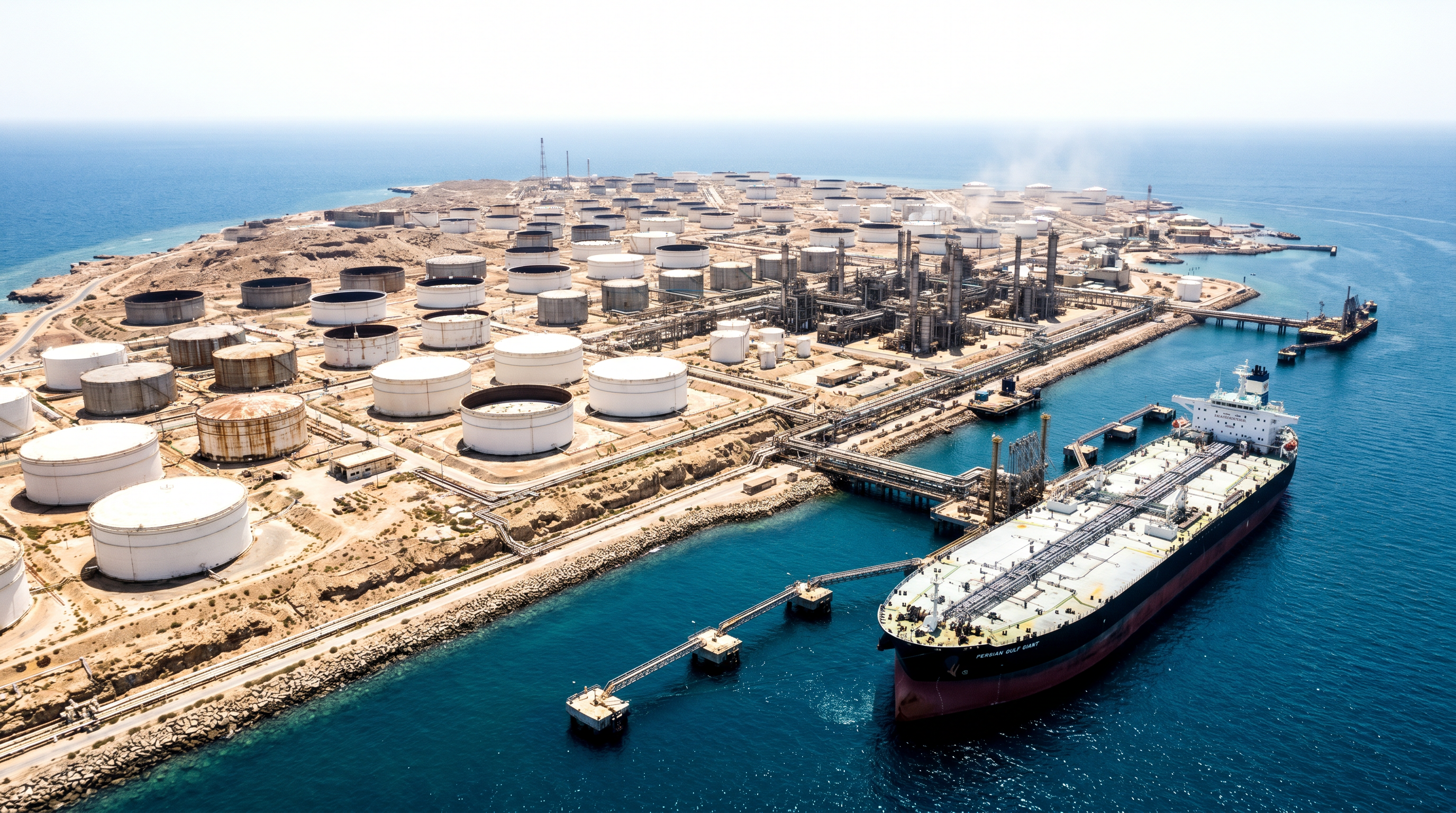
Even with a temporary pause in hostilities, the spotlight remains firmly fixed on Kharg Island, a 22-square-kilometer coral outcrop that serves as the undisputed economic backbone of the Iranian state. Known to many Iranians as the "Forbidden Island" due to its intense secrecy and strict military control, the landmass is a unique blend of ancient history and modern industrial might. Beneath the scorching sun of the Persian Gulf, millions of barrels of crude oil rush through a complex network of subsea pipelines, vibrating against ancient coral rock. It is a place where millennia of diverse human history quietly coexist with the beating heart of Iran's modern energy empire.[4]
The island's strategic value is inextricably linked to its geography. Situated approximately 20 miles off Iran's northern Gulf coast, Kharg Island possesses a natural advantage that the Iranian mainland lacks: deep surrounding waters. Iran's coastal waters are generally too shallow to accommodate the massive drafts of modern supertankers. By routing its oil to Kharg Island, Tehran can safely dock these colossal vessels, allowing them to load up on crude before navigating through the Persian Gulf and the critical chokepoint of the Strait of Hormuz. Without this deep-water terminal, Iran's ability to export oil at scale would be physically impossible.[2][5]

The economic scale of the operations on Kharg Island is staggering. The terminal processes roughly 90 percent of the nation's total oil exports, handling approximately 950 million barrels every single year. It receives crude from major offshore fields—including Aboozar, Forouzan, and Dorood—which is then transported via subsea pipelines to onshore processing facilities before being stored in massive tanks or shipped to global markets. Oil revenue remains one of the Islamic Republic's most vital sources of funding, meaning the island effectively bankrolls the Iranian government and its regional military operations.[2][4]
Because of this immense concentration of infrastructure, the global energy implications of a U.S. strike or seizure would be catastrophic. If Kharg Island's loading facilities were knocked out, Iran's ability to export oil would collapse almost immediately. Removing millions of barrels of Iranian crude from the global supply chain would trigger a massive shock to energy markets, inevitably driving up gasoline prices worldwide. For the United States and its allies, the economic fallout of soaring fuel prices is a major deterrent, complicating the strategic calculus of targeting the island.[2][3]

Beyond the economic risks, the military reality of seizing Kharg Island presents a daunting challenge. While Trump suggested the U.S. could easily take over the facility, the Pentagon reportedly views occupying the island as a final "endgame" option fraught with extreme peril. Military officials have cautioned that capturing the oil hub would require a massive deployment of ground forces and could result in heavy American casualties. The operation would demand not only an initial amphibious or airborne assault but also a sustained, long-term occupation of hostile territory.[3][6]
Beyond the economic risks, the military reality of seizing Kharg Island presents a daunting challenge.
The primary danger to American troops stems from the island's extreme proximity to the Iranian mainland. Sitting just 20 miles off the coast, any U.S. forces stationed on Kharg Island would be well within range of Iran's formidable arsenal of ballistic missiles, artillery, and suicide drones. Experts warn that troops would be highly vulnerable to camera-wielding "first-person view" drones—similar to those used extensively in Ukraine—which have proven lethal against conventional military formations. Defending a stationary target so close to enemy shores would be a logistical and tactical nightmare.[3][5]
Logistical sustainment would be another massive hurdle. While a combination of Marines, Army airborne troops, and special operations forces could likely seize the island relatively quickly, keeping them supplied and protected would require a continuous naval and aerial lifeline. Every supply ship and transport helicopter approaching the island would have to run a gauntlet of Iranian anti-ship missiles and air defenses. Military analysts argue that the resources required to hold Kharg Island would far outweigh the tactical benefits, tying down significant U.S. assets in a highly vulnerable position.[3][7]

Rather than forcing a quick Iranian surrender, experts warn that a seizure could dramatically expand the war. An occupation of Kharg Island would likely provoke Iran and its proxy network to intensify retaliatory strikes across the Middle East. Tehran could respond by laying mines in the Strait of Hormuz, launching swarm attacks on commercial shipping, or striking energy infrastructure in neighboring Gulf Arab states. Instead of delivering a decisive victory, the operation could ignite a broader regional conflagration that draws the U.S. deeper into a prolonged conflict.[3][7]
The concept of attacking Kharg Island is not without historical precedent. During the brutal Iran-Iraq War in the 1980s, Iraqi dictator Saddam Hussein recognized the island's critical importance and sent aircraft to repeatedly bomb the terminal in an attempt to choke off Tehran's oil revenue. While the facilities sustained heavy damage during the "Tanker War" phase of that conflict, Iran continuously repaired the infrastructure, ensuring that oil exports never completely stopped. That historical resilience is a point of pride for the Iranian government and a warning to modern military planners.[2]
Learning from the vulnerabilities exposed in the 1980s, Tehran has spent the last four decades heavily fortifying the island. Today, Kharg is guarded by the elite Islamic Revolutionary Guard Corps and is ringed with advanced air defense systems. The island features hardened infrastructure and massive underground storage depots designed specifically to keep oil flowing even under sustained aerial bombardment. While Iran cannot match the conventional military might of the United States, it has spent decades preparing for exactly this kind of asymmetric warfare, turning the island into a formidable fortress.[2][4]
The U.S. military has already tested these defenses during the current conflict. In March and April of 2026, American forces carried out precision strikes against Kharg Island, successfully obliterating several military targets, radar installations, and air defense sites. However, the Trump administration deliberately chose to spare the oil infrastructure at that time, explicitly citing the need to protect global energy markets and maintain leverage over Tehran. The fact that the U.S. can strike the island at will has been established; the question is whether it is willing to cross the threshold of destroying the oil terminal.[3][5]

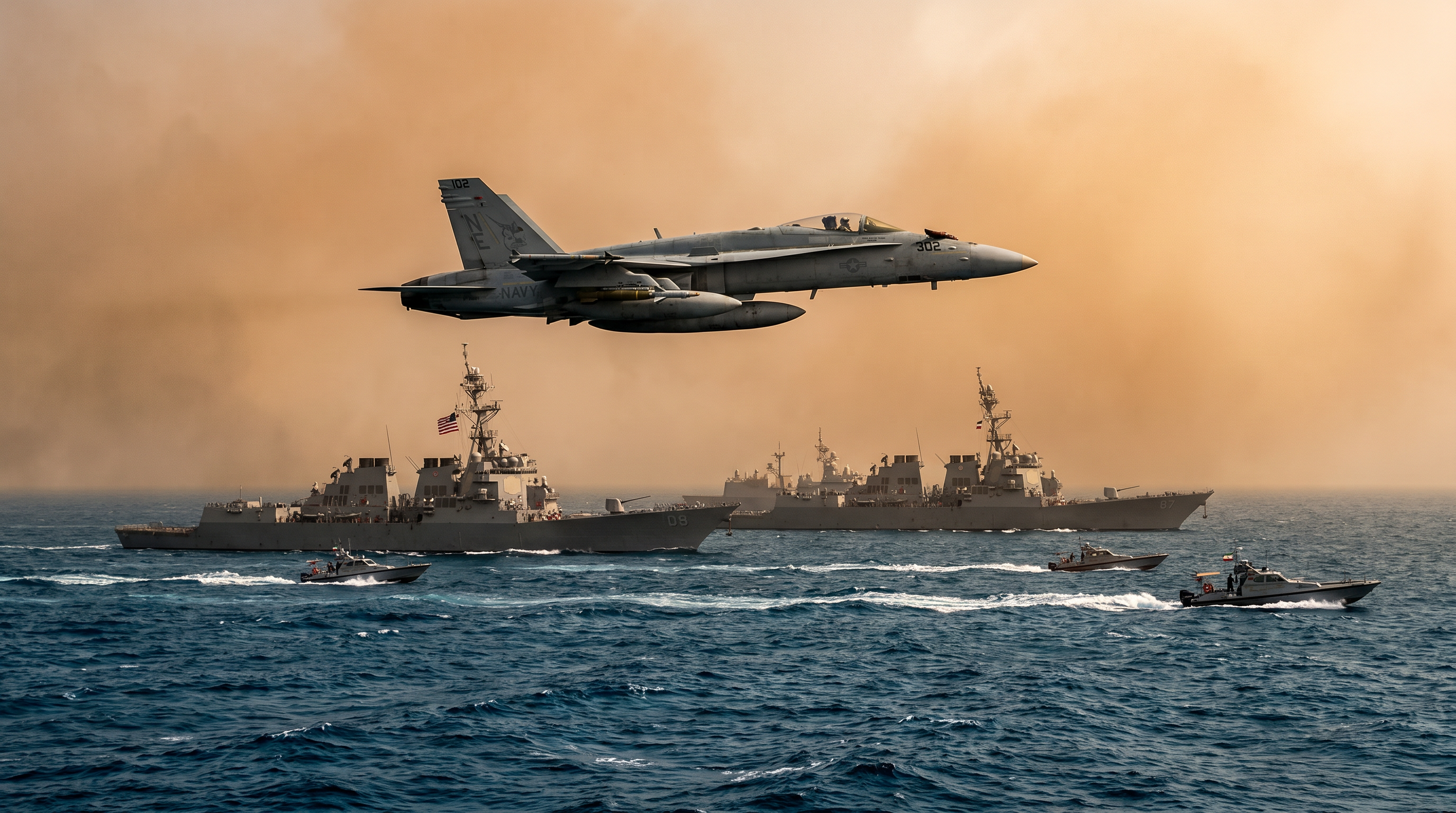
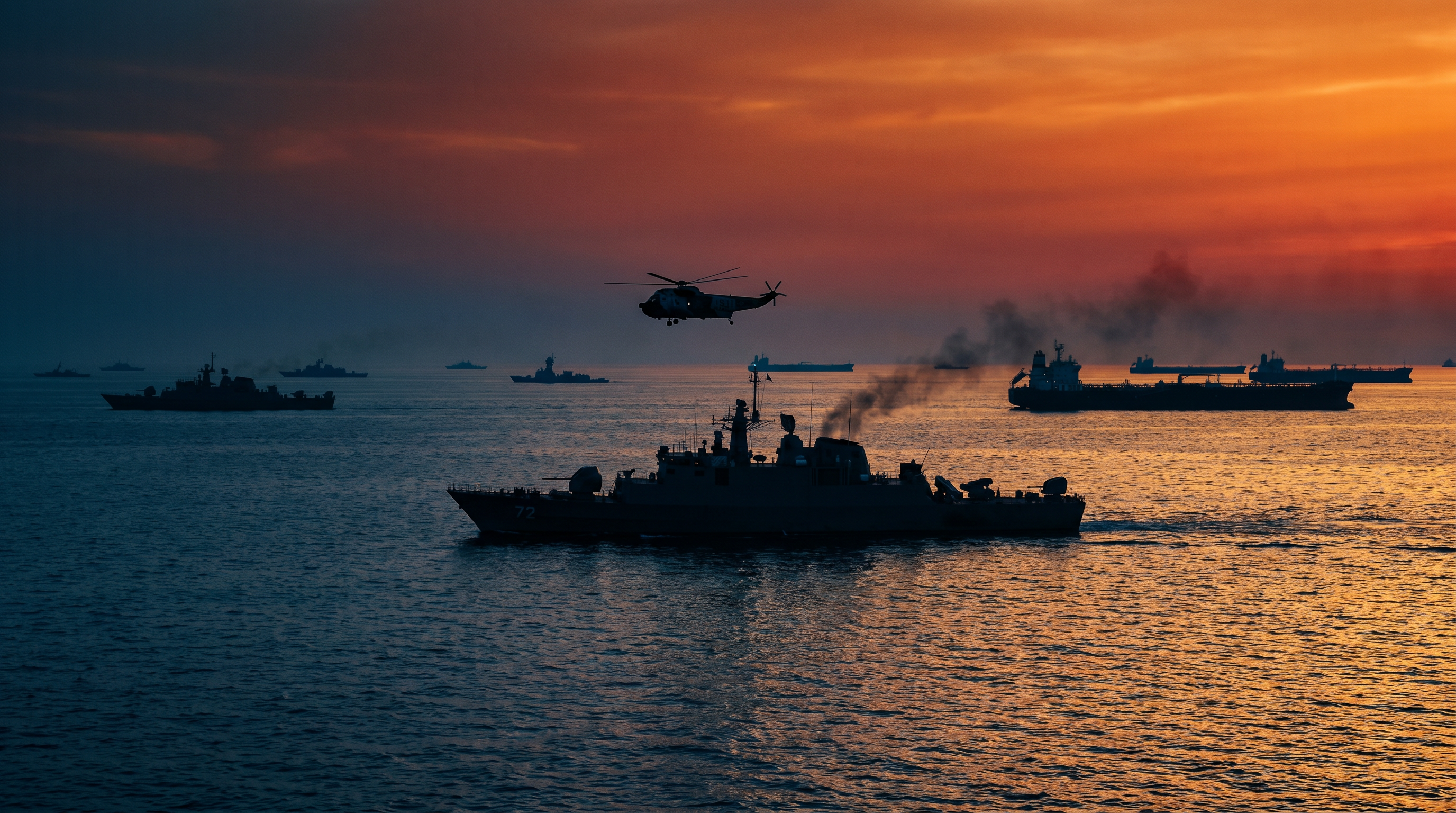
In the absence of a ground invasion, the United States has relied on a strict naval blockade to squeeze Iran's economy. The U.S. military's Central Command recently escalated enforcement of this cordon, firing Hellfire missiles to disable a merchant tanker attempting to transport Iranian oil in defiance of American orders. This blockade has severely curtailed Iran's export volumes, but it has also led to dangerous confrontations at sea, with multiple vessels disabled and casualties reported among international sailors caught in the crossfire.[5]
The debate over how to handle Kharg Island reflects deeper political divisions within Washington. The U.S. coalition is currently split between foreign policy hawks who demand maximum pressure to curb Iranian influence, and isolationist voices who are deeply wary of a prolonged Middle Eastern occupation. Trump himself acknowledged this tension, noting in a television interview that while his preference was to take the island, he was unsure if the American public had the "stomach" or "appetite" for the casualties and costs associated with such a massive military undertaking.[6]
As the world waits to see if the tentative peace settlement holds, Kharg Island remains the ultimate flashpoint. It is a fragile fortress where the fate of the U.S.-Iran war, the stability of the global economy, and the future of the Middle East intersect. Whether it becomes the site of a devastating military escalation or the leverage that finally forces a diplomatic breakthrough, the "Forbidden Island" will continue to dictate the course of the conflict in the weeks to come.[2][6]
How we got here
Feb 28, 2026
The United States and Israel launch joint military operations against Iran.
March 2026
U.S. forces strike military targets on Kharg Island but spare the oil infrastructure.
Mid-April 2026
A tenuous ceasefire is negotiated but quickly begins to fray.
June 11, 2026
President Trump threatens to seize Kharg Island, then pauses strikes citing a potential peace deal.
Viewpoints in depth
The U.S. Administration
Advocates for maximum pressure, using the threat of seizing the island to force Iran into a peace settlement.
The Trump administration views Kharg Island as the ultimate leverage point in the ongoing war. By threatening to seize the terminal and 'assume total control' of Iran's oil markets, the administration aims to bankrupt the Iranian government and force a definitive end to the conflict. Proponents of this view argue that as long as Iran can fund its military through oil exports, the war will continue indefinitely, making the economic strangulation of Kharg Island a necessary, albeit drastic, measure.
Military & Defense Analysts
Warn that occupying the island is a logistical nightmare that would leave U.S. troops highly vulnerable.
Defense experts and military strategists caution that while capturing Kharg Island might be achievable, holding it would be a tactical disaster. Sitting just 20 miles off the Iranian coast, the island is well within range of Tehran's ballistic missiles, artillery, and drone swarms. Analysts argue that the massive logistical effort required to protect and supply an occupying force would tie down significant U.S. assets, potentially resulting in heavy American casualties and expanding the war rather than ending it.
The Iranian Government
Views the island as an existential economic lifeline, heavily fortified to withstand asymmetric warfare.
For Tehran, Kharg Island is the beating heart of the nation's economy and a symbol of national resilience. Having survived repeated bombings during the Iran-Iraq War, the government has spent decades transforming the island into a heavily guarded fortress. Iranian officials view U.S. threats against the terminal as illegal acts of war and have signaled that any attempt to seize or destroy the facility would be met with overwhelming retaliation, potentially including the mining of the Strait of Hormuz and attacks on neighboring Gulf states.
What we don't know
- Whether the tentative peace settlement announced by the U.S. will be formally signed by Iran.
- How global oil markets will react long-term to the ongoing naval blockade and threats to Kharg Island.
- Whether the U.S. military has finalized contingency plans for a ground invasion if talks collapse.
Key terms
- Kharg Island
- A 22-square-kilometer coral island in the Persian Gulf that serves as Iran's primary oil export terminal.
- Strait of Hormuz
- A critical shipping chokepoint between the Persian Gulf and the Gulf of Oman, through which a significant portion of the world's oil passes.
- Naval Blockade
- A military operation in which ships are used to prevent vessels from entering or leaving a country's ports, currently enforced by the U.S. against Iran.
Frequently asked
Why is Kharg Island so important to Iran?
It processes roughly 90% of Iran's crude oil exports, making it the primary source of revenue for the Iranian government.
Could the U.S. easily capture the island?
While initial capture might be quick, military analysts warn that holding the island would be extremely difficult and leave troops vulnerable to attacks from the Iranian mainland just 20 miles away.
Has the island been attacked before?
Yes, it was repeatedly bombed by Iraq during the Iran-Iraq War in the 1980s, and the U.S. struck military targets there earlier in 2026.
How would this affect global gas prices?
Taking Kharg Island offline would remove millions of barrels of oil from the global market, likely causing a severe spike in worldwide energy and gasoline prices.
Sources
Source coverage
7 outlets
4 viewpoints surfaced







[1]Fox NewsMaximum Pressure Advocates
Five American weapons that could bring Iran’s oil fortress to its knees
Read on Fox News →[2]CBS NewsGlobal Market Watchers
Why is Kharg Island important? What to know about the Iranian island Trump says U.S. may seize
Read on CBS News →[3]The Times of IsraelMilitary Realists
US takeover of Iran's Kharg Island might be quick but would pose risks to troops, experts say
Read on The Times of Israel →[4]Al JazeeraIranian Sovereignty Defenders
The petroleum nerve centre: Kharg Island
Read on Al Jazeera →[5]PBSGlobal Market Watchers
Trump threatens to deploy ground troops to seize Iran's Kharg Island
Read on PBS →[6]Military TimesMaximum Pressure Advocates
Trump threatens to seize Kharg Island as he escalates pressure on Tehran
Read on Military Times →[7]Foundation for Defense of DemocraciesMilitary Realists
Seizing Kharg Island Would Expand the War
Read on Foundation for Defense of Democracies →
More in news politics
See all 61 stories →Diplomatic Settlement
US Cancels Strikes on Iran as Trump Announces 'Great Settlement' to End War
8 sources
Media Verification
Evidence Pack: The Science of Verifying Political Media in 2026
7 sources

US-Iran Conflict
Trump Announces 'Great Settlement' to End US-Iran War, Canceling Planned Strikes
8 sources
US-Iran Relations
US and Iran Reach 'Great Settlement' as Trump Cancels Military Strikes
8 sources
Every angle. Every day.
Get news politics stories with full source coverage and perspective breakdowns delivered to your inbox.