
US Cancels Strikes on Iran as Trump Announces 'Great Settlement' to End War
President Trump called off planned military strikes against Iran, claiming the two nations have reached a conceptual agreement to reopen the Strait of Hormuz and negotiate nuclear limits. Iranian officials caution that a final decision has not yet been made.
By Factlen Editorial Team
- US Administration
- Argues that maximum military pressure and the threat of seizing oil assets successfully forced Iran to accept a comprehensive peace settlement.
- Iranian Leadership
- Maintains a cautious public stance, denying that a final decision has been made while prioritizing economic relief and the lifting of the naval blockade.
- Regional Allies
- Supports the containment of Iran's nuclear ambitions but remains vigilant about the specifics of the deal and the ongoing threat of Iranian proxy groups.
- Global Markets
- Views the diplomatic breakthrough primarily through the lens of economic stability, reacting positively to the averted disruption of global energy supplies.
What's not represented
- · Iranian Civilians
- · Global Shipping Companies
Why this matters
This diplomatic breakthrough averts a massive regional escalation that threatened to disrupt global energy markets and draw the US deeper into a Middle Eastern war. If finalized, the deal will reopen critical shipping lanes and reshape the geopolitical balance of the Persian Gulf.
Key points
- President Trump canceled planned military strikes on Iran, announcing a conceptual peace agreement.
- The proposed deal would reopen the Strait of Hormuz and lift the US naval blockade on Iranian ports.
- Iranian officials denied that a final decision has been reached, though mediators report narrowed gaps.
- The agreement includes a 60-day window to negotiate strict limits on Iran's nuclear program.
- Financial markets rallied on the news, with the S&P 500 jumping 1.3% as the threat to oil supplies receded.
US President Donald Trump abruptly canceled planned military strikes against Iran on Thursday, announcing that the two nations had reached a "great settlement" to end their ongoing war.[2][4]
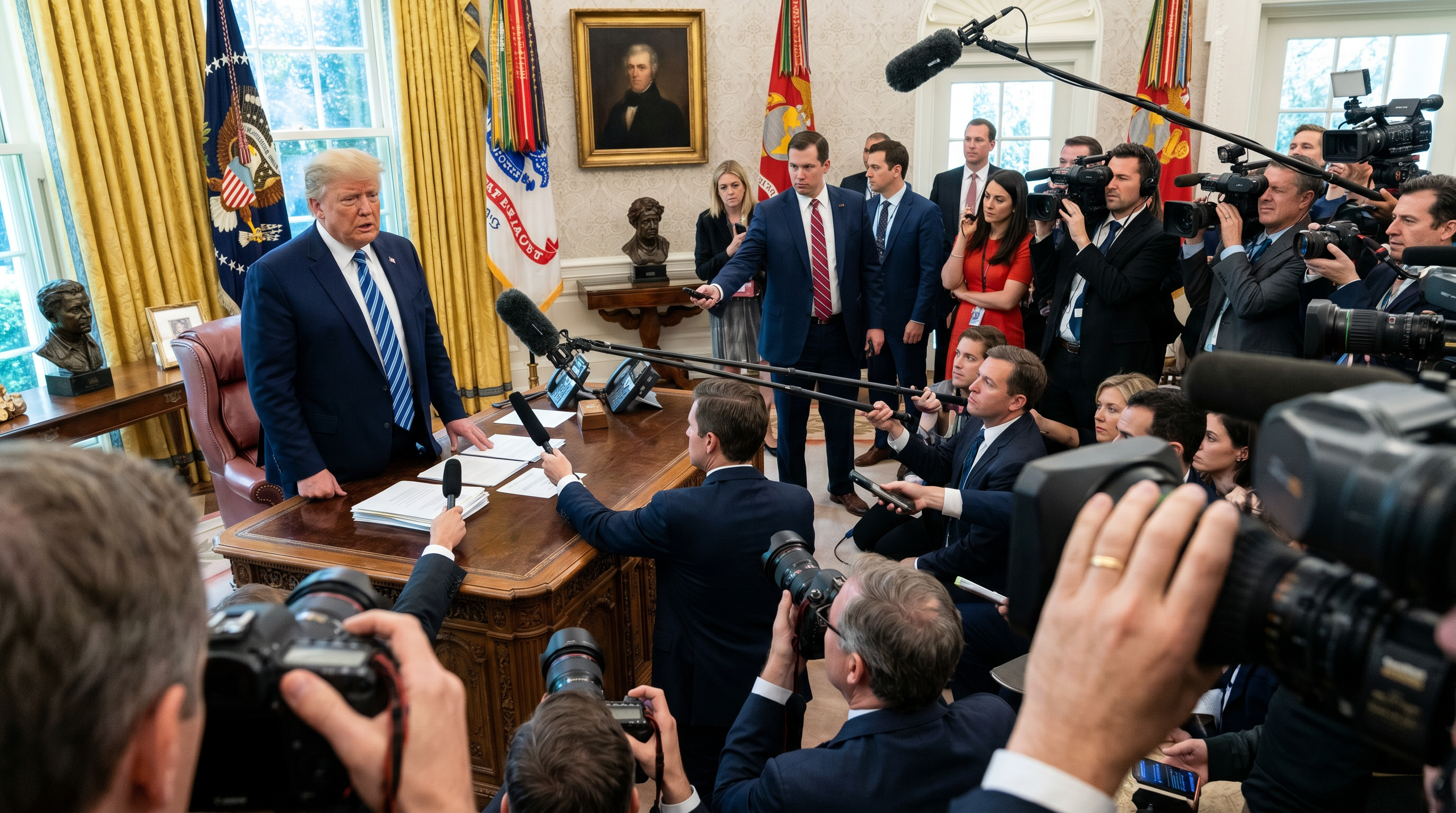
The announcement, delivered from the Oval Office, marked a dramatic reversal just hours after Trump had threatened to launch "very hard" attacks and seize control of Iran's critical oil infrastructure. Instead, the president claimed that a comprehensive peace agreement had been approved at the highest levels of Iranian leadership, including Supreme Leader Ayatollah Mojtaba Khamenei.[5][6][8]
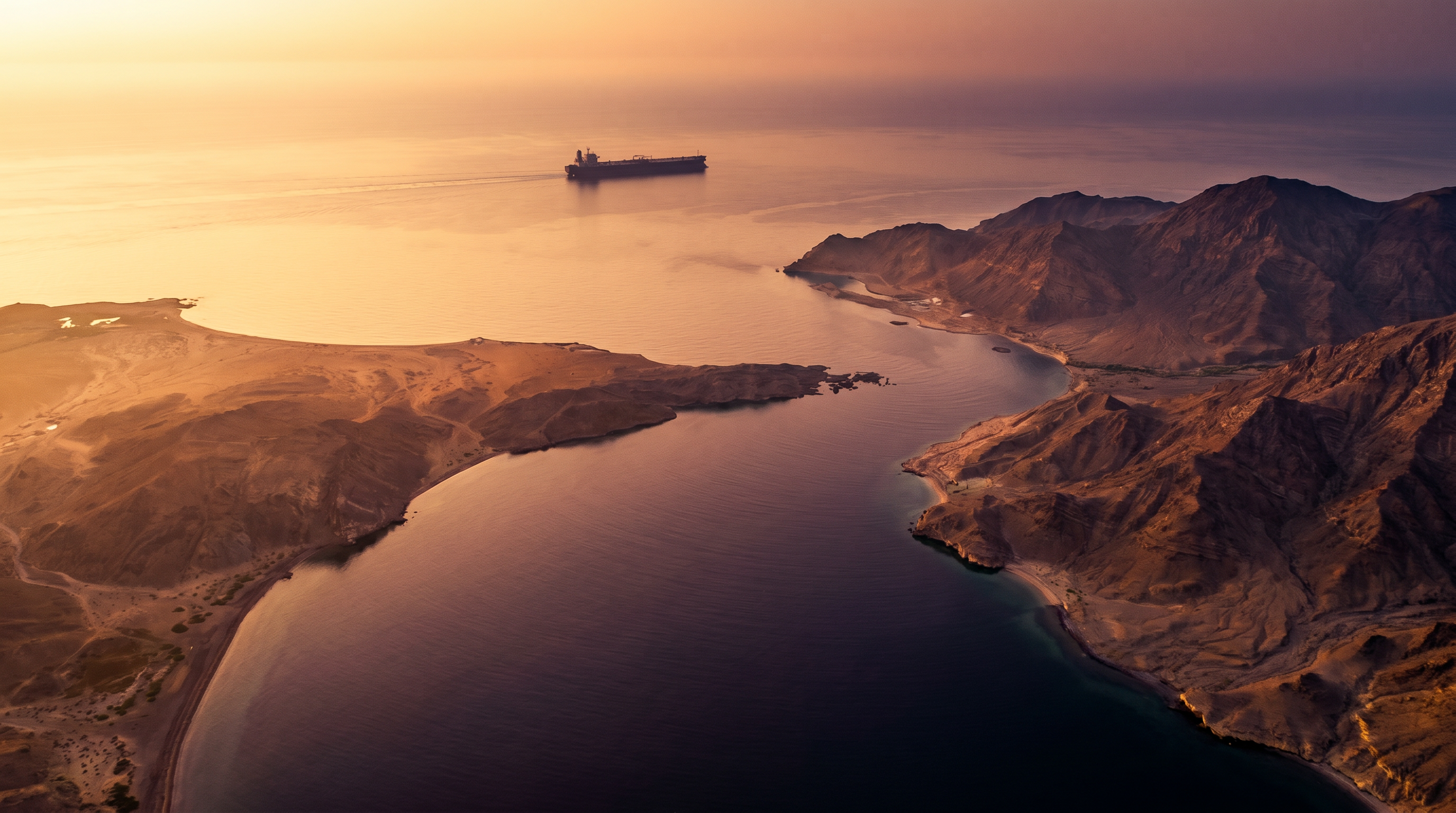
If finalized, the memorandum of understanding would represent a historic diplomatic breakthrough, halting a conflict that began with US and Israeli strikes on February 28. The proposed framework centers on reopening the Strait of Hormuz—a vital global shipping choke point—in exchange for the United States lifting its naval blockade on Iranian ports.[2][4][7][8]

However, the reality on the ground remains deeply contested. While the White House projects absolute certainty, Iranian officials have pushed back against the narrative that a deal is fully complete. Iran's Foreign Ministry spokesperson Esmaeil Baqaei stated that Tehran has "not reached a final conclusion," while semi-official Iranian news agencies urged the public to dismiss Trump's claims until a formal announcement is made in Tehran.[2][4][7]
Despite the public denials, diplomatic backchannels suggest genuine momentum. Qatari mediators have reportedly helped narrow key gaps between Washington and Tehran in recent days. The core of the emerging compromise appears to be a sequenced de-escalation: an immediate extension of the fragile April ceasefire, followed by a 60-day window to negotiate the specifics of Iran's nuclear program.[5][7]
The nuclear question remains the most complex pillar of the settlement. Trump asserted that the agreement ensures Iran "will never have a nuclear weapon," though he conceded the current draft addresses the issue "conceptually." The president argued that recent US military operations had already neutralized much of the threat, claiming that Iranian nuclear material is now "buried under a mountain" following targeted bunker-buster strikes.[5][8]
The nuclear question remains the most complex pillar of the settlement.
The sudden diplomatic pivot averted what would have been a massive regional escalation. Earlier on Thursday, Trump had publicly weighed seizing Kharg Island, the nerve center of Iran's oil export economy located in the northern Persian Gulf. Taking control of the island would have effectively handed the US control over Iran's oil and gas markets, a move Trump likened to US actions in Venezuela.[2][4][6]

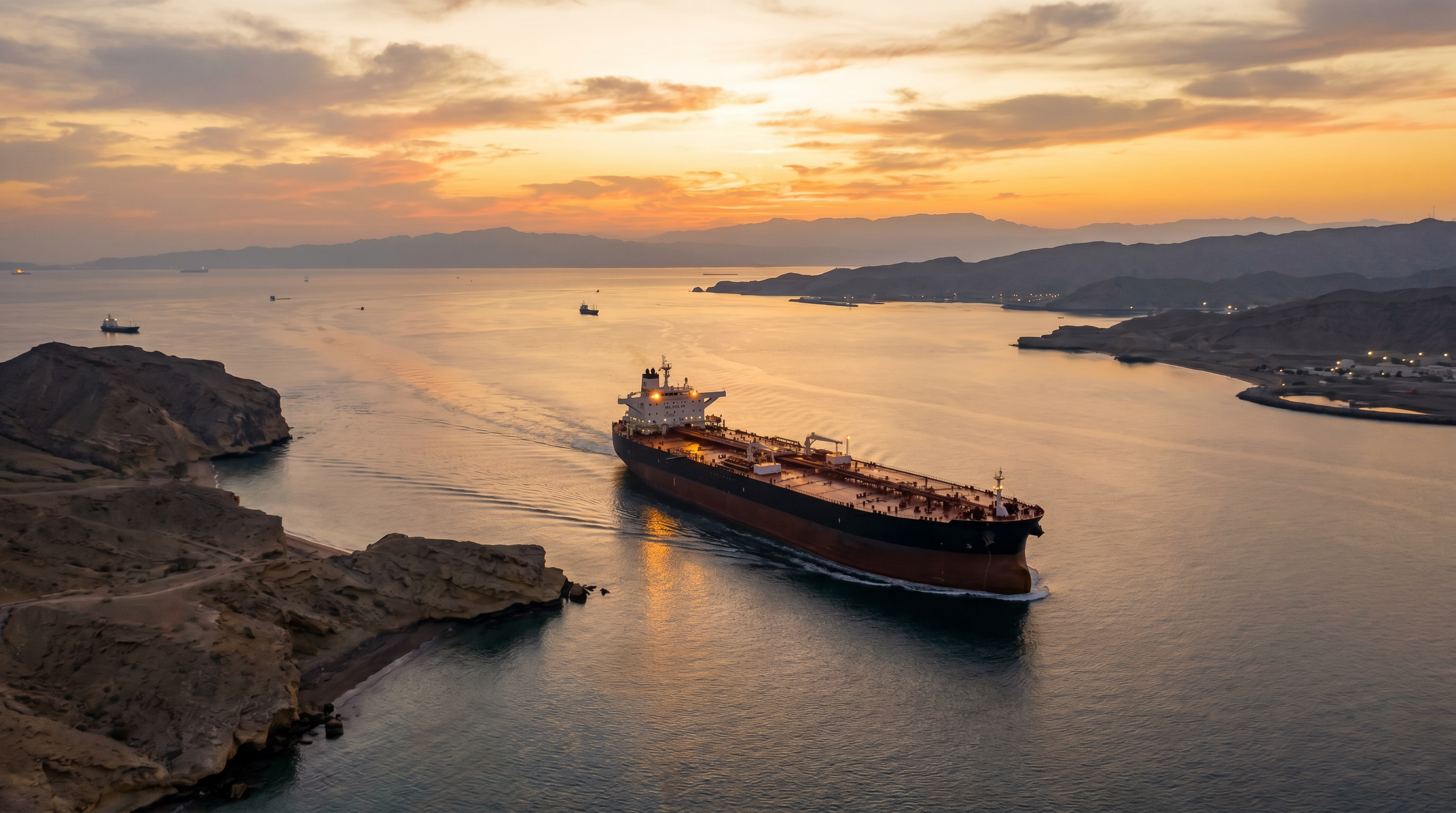
The threat against Kharg Island followed a breakdown in the temporary ceasefire. In the days leading up to the announcement, US Central Command struck an oil tanker in the Gulf of Oman and targeted Iranian air defense and water-storage facilities. Iran retaliated by launching drones and missiles at US military installations in Kuwait and Bahrain.[2][3][6]
The proposed settlement attempts to untangle this immediate military tit-for-tat while addressing broader geopolitical concerns. According to the White House, the deal has been reviewed and conceptually approved by a coalition of regional partners, including Saudi Arabia, the United Arab Emirates, Qatar, and Turkey.[2][5]
Israel, a central player in the broader conflict, is notably not a direct party to the emerging memorandum of understanding. However, Israeli Prime Minister Benjamin Netanyahu praised the diplomatic effort after a phone call with Trump, emphasizing that any final agreement must include the dismantling of uranium enrichment infrastructure and a cessation of Iranian support for regional proxy groups.[3][5]
The mechanics of implementing the deal present significant logistical hurdles. The agreement reportedly includes a timeline for demining the Strait of Hormuz, a process during which the US naval blockade will remain strictly enforced. Only after the waterway is secured and the documents are formally signed will the blockade be lifted, allowing Iranian maritime commerce to resume.[2][4][8]

Financial markets reacted with immediate relief to the prospect of a stabilized Persian Gulf. The S&P 500 jumped 1.3%, while the Dow Jones Industrial Average and Nasdaq composite posted similar gains, driven by the sudden evaporation of a major threat to global energy supplies. The war had previously pushed global inflation to a three-year high as oil prices spiked.[4][5]
The timeline for finalizing the historic accord remains fluid. Trump indicated that a formal signing ceremony could take place "maybe over the weekend in Europe," with Vice President JD Vance and special envoys Steve Witkoff and Jared Kushner slated to attend on behalf of the United States.[5][8]
Yet, seasoned diplomats warn that the agreement still faces a precarious path. With deep mutual suspicion, ongoing proxy conflicts in Lebanon, and the sheer complexity of verifying nuclear compliance, the transition from a "conceptual" memorandum to a durable peace treaty is fraught with potential spoilers. For now, the region waits to see if the canceled strikes mark the true end of the war, or merely a brief pause in a volatile standoff.[3][4][7]
How we got here
Feb 28, 2026
The United States and Israel launch initial military strikes against Iran, beginning the war.
April 2026
A fragile temporary ceasefire is agreed upon between the warring parties.
Early June 2026
The ceasefire breaks down as the US strikes Iranian infrastructure and Iran attacks US bases in the Gulf.
June 11, 2026 (Morning)
President Trump threatens to launch 'very hard' strikes and seize Iran's Kharg Island oil terminal.
June 11, 2026 (Evening)
Trump abruptly cancels the strikes, announcing a 'great settlement' has been conceptually approved by Iranian leadership.
Viewpoints in depth
The US Administration's view
Maximum pressure and military threats successfully forced Tehran to the negotiating table.
From the perspective of the White House, the sudden diplomatic breakthrough is a direct validation of a maximum-pressure military strategy. US officials argue that the credible threat of seizing Kharg Island—which would have effectively dismantled Iran's oil-exporting economy—was the catalyst that forced Iranian leadership to accept the terms. President Trump and his envoys view the conceptual agreement as a total victory that secures the Strait of Hormuz while neutralizing Iran's nuclear ambitions without requiring a prolonged ground war.
The Iranian Leadership's view
Cautious engagement focused entirely on economic relief and lifting the blockade.
Tehran is approaching the proposed settlement with extreme public caution, actively downplaying the finality of the deal to manage expectations and appease domestic hardliners. For Iranian negotiators, the primary objective is not a grand geopolitical realignment, but immediate economic survival. Their focus remains squarely on lifting the crippling US naval blockade and unfreezing assets, viewing the 60-day nuclear negotiation window as a necessary concession to achieve immediate relief rather than a finalized surrender of their sovereignty.
Regional Allies' view
Supportive of de-escalation but highly skeptical of Iran's long-term compliance.
Israel and Gulf Arab states are expressing cautious optimism about the averted escalation, but their support is heavily caveated. While regional leaders praise the effort to dismantle Iran's uranium enrichment infrastructure, they remain deeply concerned about the 'conceptual' nature of the agreement. Allies worry that the current framework does not adequately address Iran's network of proxy militias across Lebanon, Syria, and Yemen, fearing that Tehran will use the lifted blockade to rearm its regional forces even if its nuclear program is temporarily paused.
What we don't know
- Whether Iran's Supreme Leader Ayatollah Mojtaba Khamenei has formally signed off on the memorandum of understanding.
- How the agreement will address Iran's network of regional proxy groups, particularly in Lebanon.
- The exact timeline and verification mechanisms for demining the Strait of Hormuz.
Key terms
- Strait of Hormuz
- A narrow, strategically critical waterway between the Persian Gulf and the Gulf of Oman through which a significant portion of the world's oil supply passes.
- Kharg Island
- Iran's main oil export terminal located in the northern Persian Gulf, serving as the nerve center for the country's energy economy.
- Naval Blockade
- A military operation in which the US Navy prevents maritime vessels from entering or leaving Iranian ports.
- Memorandum of Understanding (MOU)
- A formal agreement between two or more parties that outlines the terms and details of an understanding, often serving as the foundation for a binding treaty.
Frequently asked
Is the war between the US and Iran officially over?
Not yet. While President Trump announced a 'great settlement' and canceled military strikes, Iranian officials state that a final consensus has not been reached.
What happens to the Strait of Hormuz under this deal?
The agreement reportedly includes a timeline to demine and reopen the Strait of Hormuz to global shipping, after which the US will lift its naval blockade on Iranian ports.
Did Iran agree to give up its nuclear program?
Trump claims the deal ensures Iran will never obtain a nuclear weapon, though he noted the current draft addresses the nuclear issue 'conceptually,' with a 60-day negotiation period expected to follow.
Why did Trump threaten to seize Kharg Island?
Kharg Island is Iran's primary oil export terminal. Seizing it would have given the US effective control over Iran's oil economy, a threat Trump used to pressure Tehran before announcing the settlement.
Sources
Source coverage
8 outlets
4 viewpoints surfaced








[1]Al JazeeraIranian Leadership
Iran war live: Trump claims Tehran deal ‘approved’, cancels new strikes
Read on Al Jazeera →[2]CBS NewsUS Administration
Live Updates: Trump says 'settlement' reached on Iran, signing could be as soon as this weekend
Read on CBS News →[3]The National NewsRegional Allies
Trump says US and Iran are nearing 'great settlement' to end war
Read on The National News →[4]The GuardianGlobal Markets
Trump claims US and Iran on verge of signing peace agreement
Read on The Guardian →[5]The Times of IsraelRegional Allies
Trump calls off strikes on Iran, claiming agreement reached
Read on The Times of Israel →[6]ForbesUS Administration
Trump Cancels Strikes On Iran, Claims Peace Deal Will Be Signed 'Shortly'
Read on Forbes →[7]AxiosIranian Leadership
Trump claims Iran deal reached, Tehran says no 'final decision'
Read on Axios →[8]Al-MonitorGlobal Markets
Trump claims 'great' deal with Iran, signing expected in Europe
Read on Al-Monitor →

More in news politics
See all 67 stories →Electoral Reform
Evidence Pack: Fact-Checking the Biggest Claims About Ranked-Choice Voting
7 sources

US-Iran Conflict
U.S. Halts Strikes on Iran as Trump Claims Peace Deal is Reached, Though Tehran Urges Caution
7 sources
Capital Punishment
Supreme Court Blocks Alabama From Executing Inmate Using Nitrogen Gas
8 sources
US-Iran Conflict
Trump Cancels Strikes on Iran, Citing Imminent Peace Deal as Markets Surge
7 sources
Every angle. Every day.
Get news politics stories with full source coverage and perspective breakdowns delivered to your inbox.