
How Neuroaesthetics is Turning Interior Design into a Science of Well-Being
Advancements in brain-scanning technology are revealing how architecture and interior design directly impact our nervous systems. The emerging field of neuroaesthetics is shifting design from a purely visual art to an evidence-based practice for improving mental health.
By Factlen Editorial Team
- Clinical Researchers
- Views the built environment as a biological intervention that should be regulated by empirical health data.
- Architectural Designers
- Focuses on translating scientific metrics into functional, aesthetically pleasing spatial layouts.
- Commercial & Residential Implementers
- Champions neuroaesthetics as an accessible tool for everyday mental health and workplace productivity.
- Editorial Synthesis
- Provides a holistic overview connecting clinical data to everyday design applications.
What's not represented
- · Low-income housing developers
- · Traditional decorators relying solely on intuition
Why this matters
Because we spend the vast majority of our lives indoors, the physical spaces we inhabit silently dictate our stress levels, focus, and emotional baseline. Understanding how to optimize your environment can tangibly improve your daily mental health and productivity.
Key points
- Neuroaesthetics uses brain-scanning technology to measure how interior design affects human biology.
- Curvilinear shapes, natural light, and biophilic elements actively lower cortisol and blood pressure.
- Hospitals and schools are adopting these principles to accelerate healing and improve cognitive development.
- The industry is shifting from intuition-based decorating to evidence-based design for mental health.
- A major future challenge is scaling these health-boosting designs into affordable and public housing.
For decades, interior designers and architects have relied on intuition, aesthetic training, and client feedback to create spaces that feel "right." When a person walks into a room and experiences an immediate sense of calm, the success of that space has traditionally been attributed to an elusive mix of good taste and spatial harmony. However, a rapidly growing scientific discipline is proving that this phenomenon is not merely subjective or magical—it is deeply biological. The built environment directly interacts with the human nervous system, triggering measurable physiological responses before conscious thought even registers the surroundings.[3][7]
This intersection of brain science and the built environment is known as neuroaesthetics. Originally rooted in the study of how the brain processes fine art and music, the field has expanded to encompass architecture and interior design. By utilizing advanced brain-scanning technologies like functional magnetic resonance imaging (fMRI) and biometric sensors, researchers can now observe exactly what happens to the human body when it encounters specific spatial designs. The findings are transforming the architecture, engineering, and construction industries, shifting the focus from purely visual appeal to documented health outcomes.[2][3][5]
At the core of neuroaesthetics is the understanding that human beings are constantly, subconsciously processing their environments. The brain's sensory-motor, knowledge-meaning, and emotion-valuation networks work in tandem to interpret a room's physical features. When a space is poorly designed—plagued by harsh lighting, chaotic layouts, or unpredictable noise—it can trigger the sympathetic nervous system, elevating cortisol levels and maintaining a heightened state of stress. Conversely, thoughtfully designed environments activate the parasympathetic nervous system, lowering blood pressure, slowing the heart rate, and increasing the release of serotonin and dopamine.[3][4][6]

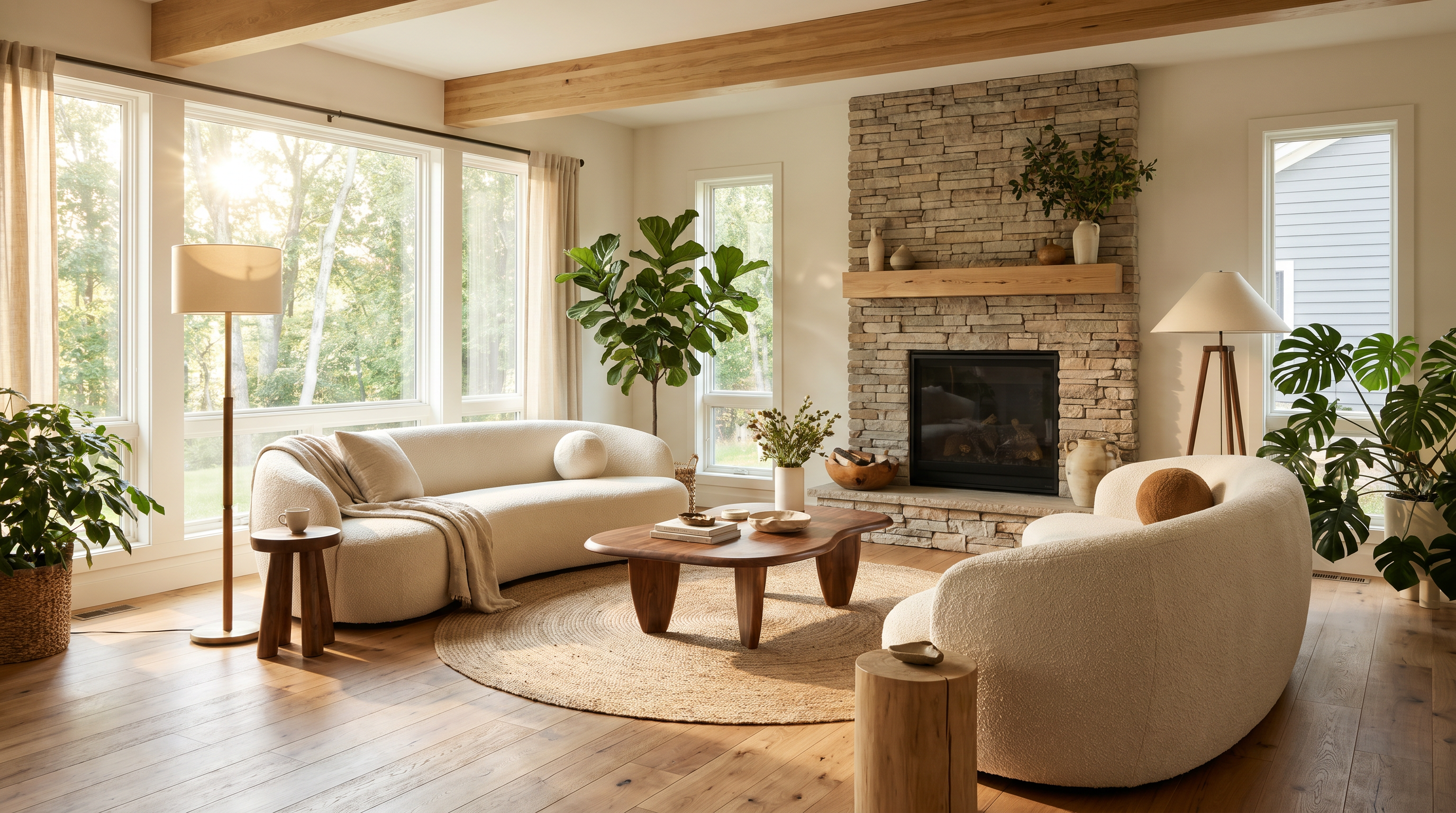
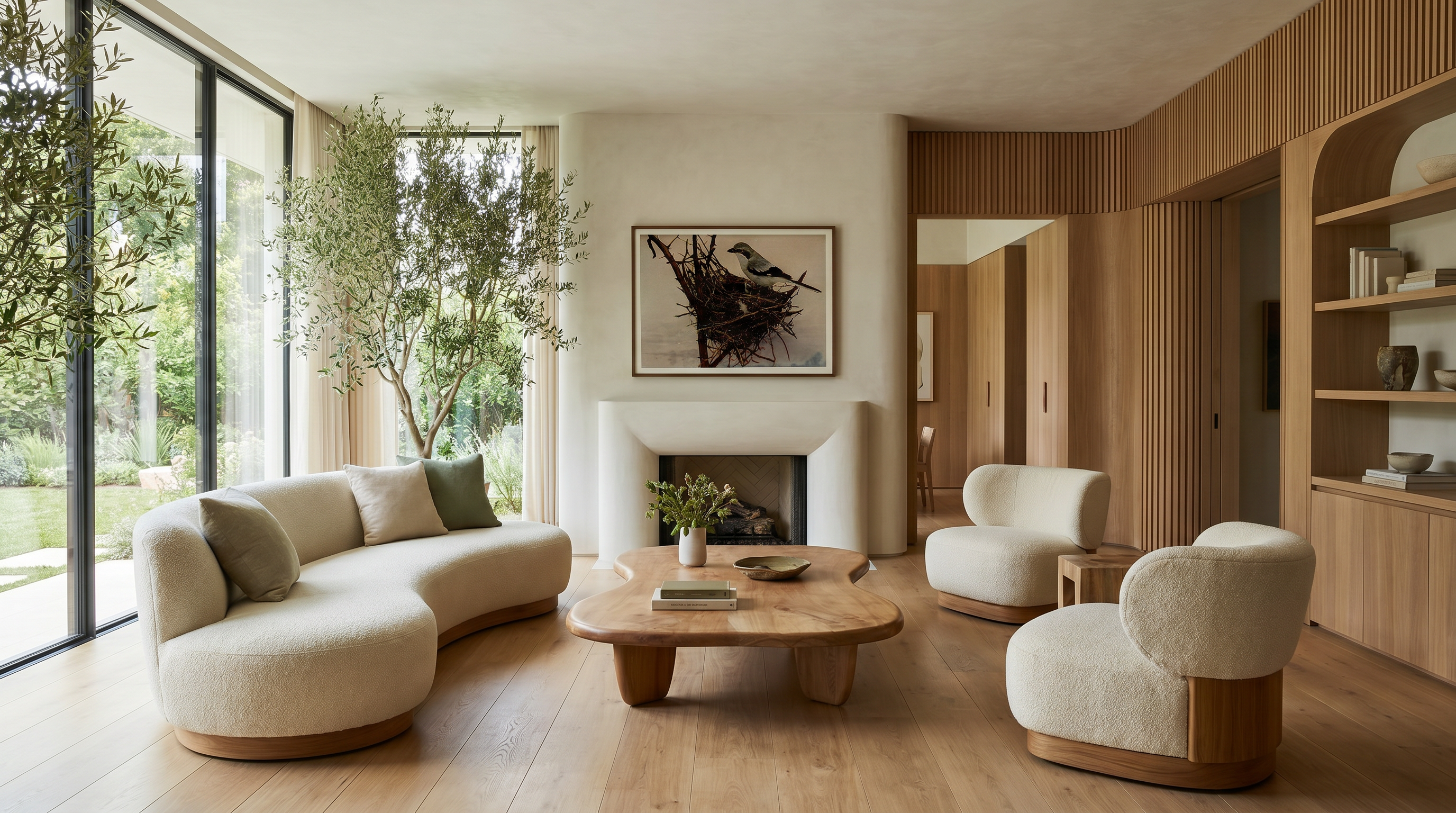
One of the most studied aspects of neuroarchitecture is the brain's response to shape and contour. Evolutionary psychology suggests that humans are naturally averse to sharp, jagged edges, which our ancestors associated with danger. Modern fMRI studies support this, revealing that curvilinear rooms and rounded furniture activate the anterior cingulate cortex—a region of the brain heavily involved in processing emotion and pleasure. Spaces that incorporate curved lines and balanced negative space have been shown to promote cognitive calm and reduce mental fatigue, making them highly effective in both residential and high-stress commercial settings.[1][6]
Lighting is another critical lever in neuroaesthetic design. The human circadian rhythm is deeply tethered to the natural progression of daylight. Environments that maximize natural light or utilize dynamic, tunable lighting systems that mimic the sun's trajectory help regulate the body's internal clock. Exposure to natural light in workspaces has been associated with significant reductions in stress hormones and notable increases in cognitive performance and productivity. In the home, the strategic use of warm, dimmable lighting in the evening signals the brain to begin melatonin production, facilitating better sleep architecture.[3][4][6]
Biophilic design—the practice of integrating natural elements into the built environment—is perhaps the most universally effective neuroaesthetic tool. The human brain is hardwired to seek out nature, a concept known as the biophilia hypothesis. Visual access to greenery, indoor plants, or even representations of natural fractal patterns can significantly lower anxiety and improve working memory. The brain does not necessarily require these inputs to be living plants; artificial greenery, natural motifs, and organic materials can deliver similar neurological benefits by providing the subconscious with an evolutionary sense of refuge.[1][6]

The tactile and acoustic dimensions of a room are equally vital to its psychological impact. The somatosensory cortex, which processes touch, responds positively to natural textures like wood, stone, and woven fabrics, generating feelings of warmth and belonging. Meanwhile, unpredictable or echoing acoustics can severely disrupt concentration and elevate stress markers. Implementing sound-absorbing materials, such as acoustic panels or soft flooring, minimizes auditory distractions and allows the brain's cognitive networks to function without the constant strain of filtering out background noise.[3][4][6]
The tactile and acoustic dimensions of a room are equally vital to its psychological impact.
Researchers categorize the successful neurological processing of a space into three main factors: coherence, fascination, and hominess. Coherence refers to how easily the brain can visually and mentally organize a setting; spaces that are too complex or cluttered require excessive cognitive load to decode. Fascination involves the gentle arousal of curiosity without overwhelming the senses, often achieved through subtle art or architectural details. Hominess is the degree to which an environment suggests comfort, security, and belonging, signaling to the brain that it is safe to drop its defensive vigilance.[7]
The practical applications of these findings extend far beyond luxury residential design. In the healthcare sector, hospitals are increasingly adopting neuroarchitectural principles to optimize patient recovery. Environments designed to reduce clinical staff fatigue and provide psychological comfort to patients have been linked to accelerated healing times and reduced reliance on pain medication. Similarly, educational institutions are utilizing these evidence-based strategies to create classrooms that improve student concentration, cognitive development, and knowledge retention.[1][3]
In the corporate world, companies are leveraging neuroaesthetics to rethink the modern office. As businesses compete to attract talent and boost productivity, the physical workspace is being reimagined as a tool for cognitive enhancement. Multi-sensory environments that balance collaborative zones with quiet, acoustically controlled areas cater to different modes of working. By prioritizing human-centric design, organizations can foster creativity and reduce the burnout associated with sterile, fluorescent-lit cubicle farms.[4][5]

The rise of remote and hybrid work has also brought neuroaesthetics into the spotlight for residential interiors. The home is no longer just a place of rest; it must simultaneously function as a workspace, a learning environment, and a sanctuary. This overlapping of functions increases the cognitive load on inhabitants. By applying neuroaesthetic principles—such as demarcating functional zones through textural transitions, controlling acoustics, and optimizing daylight—designers can help individuals navigate these multifaceted demands without succumbing to chronic environmental stress.[4][6][7]
Despite the robust scientific backing, the field of neuroaesthetics faces challenges, particularly regarding neurodiversity. Because human brains are wired differently, a sensory input that is calming to one person might be overwhelming to another. Inclusive design requires acknowledging this spectrum of sensory sensitivities. Architects and designers must create adaptable spaces that allow users to control their environments—such as adjustable lighting, modular furniture, and varied acoustic zones—ensuring that the built environment serves the full spectrum of human neurology.[5][7]
Another pressing challenge is equity and accessibility. Currently, the implementation of neuroaesthetic design is largely concentrated in premium hospitality, luxury real estate, and well-funded corporate headquarters. Industry leaders argue that access to psychologically supportive environments should not be a luxury. The next frontier for neuroarchitecture involves embedding these evidence-based principles into public policy, affordable housing, and community infrastructure, ensuring that marginalized populations also benefit from spaces designed to reduce stress and elevate well-being.[5][7]

As artificial intelligence and digital tools become more integrated into the architectural process, the deeply human focus of neuroaesthetics becomes even more critical. While algorithms can optimize structural efficiency and energy usage, they cannot 'feel' a space or experience the emotional resonance of a sunlit room. The synthesis of scientific data and empathetic design ensures that the built environment remains fundamentally aligned with human biology.[5][7]
Ultimately, neuroaesthetics represents a paradigm shift in how we conceive of the spaces we inhabit. Buildings are no longer viewed as passive shelters or mere aesthetic statements; they are active participants in our physical and mental health. By translating the complex language of the brain into the tangible elements of light, texture, and geometry, the design industry is moving toward a future where every room has the potential to heal, inspire, and comfort.[2][3][7]
How we got here
Late 1990s
Advancements in brain-scanning technology like fMRI allow researchers to measure physiological responses to beauty in real-time.
2003
The Academy of Neuroscience for Architecture (ANFA) is founded to bridge the gap between brain research and building design.
2013
Publication of 'The Aesthetic Brain' by Dr. Anjan Chatterjee brings the evolutionary biology of beauty into mainstream focus.
2020–Present
The global shift to remote work accelerates demand for residential neuroaesthetics to combat cognitive overload at home.
Viewpoints in depth
Clinical Researchers
Views the built environment as a massive, untapped public health tool.
For neuroscientists and clinical researchers, the built environment is a biological intervention. They emphasize the hard data—fMRI scans showing amygdala activation, cortisol swab tests, and heart rate variability monitors. From this viewpoint, design is not an art but a medical necessity. They argue that just as we regulate air and water quality, we must begin regulating spatial design based on its neurological impact, particularly in high-stakes environments like hospitals and schools.
Architectural Designers
Focuses on translating clinical data into functional, beautiful physical reality.
Architects and designers view neuroaesthetics as a powerful new framework that validates their intuitive practices while challenging them to be more intentional. They are tasked with the complex job of translating clinical data into physical reality. For this camp, the challenge lies in balancing the rigid metrics of neuroscience with the fluid, creative demands of spatial harmony. They advocate for a holistic approach where evidence-based design does not compromise the artistic soul or cultural context of a building.
Wellness & Lifestyle Advocates
Centers on the everyday human experience and the home as a sanctuary.
This perspective centers on the everyday human experience, arguing that the modern world places unprecedented cognitive load on individuals. Wellness advocates champion neuroaesthetics as a necessary antidote to burnout, screen fatigue, and chronic stress. They focus heavily on residential applications, teaching homeowners how to reclaim their spaces through accessible interventions like circadian lighting and biophilia, viewing the home as the ultimate interface for daily mental health.
What we don't know
- How to perfectly standardize neuroaesthetic metrics across diverse populations with varying sensory sensitivities.
- The long-term, multi-generational neurological impacts of living in highly optimized vs. poorly designed urban environments.
- How to effectively scale these evidence-based interventions into low-income and affordable housing without prohibitive costs.
Key terms
- Neuroaesthetics
- The scientific study of how the brain processes and responds to beauty, art, and design.
- Biophilic Design
- An architectural approach that connects building occupants more closely to nature through plants, natural light, and organic materials.
- Somatosensory Cortex
- The part of the brain that processes tactile sensations like touch and texture.
- Sympathetic Nervous System
- The body's rapid involuntary response to dangerous or stressful situations, often called the 'fight or flight' response.
- Parasympathetic Nervous System
- The network of nerves that relaxes the body after periods of stress, promoting rest and digestion.
Frequently asked
Do I need a large budget to apply neuroaesthetics to my home?
No. While high-end architecture uses these principles, anyone can apply them affordably by maximizing natural light, adding indoor plants, reducing clutter, and using warm, dimmable lighting in the evening.
How is this different from regular interior design?
Traditional interior design relies heavily on intuition and visual trends. Neuroaesthetics uses empirical data and brain science to understand exactly why certain designs improve biological health.
Can a room really lower my blood pressure?
Yes. Studies show that environments utilizing biophilic elements, natural light, and acoustic control can trigger the parasympathetic nervous system, leading to measurable drops in heart rate and blood pressure.
Sources
Source coverage
7 outlets
4 viewpoints surfaced







[1]ArchDailyArchitectural Designers
Neuroesthetics: The Influence of Design on Human Experience
Read on ArchDaily →[2]Johns Hopkins University IAM LabClinical Researchers
Building the Field of Neuroarchitecture
Read on Johns Hopkins University IAM Lab →[3]Science in DesignClinical Researchers
Neuroaesthetics for Interior Designers
Read on Science in Design →[4]ModulyssCommercial & Residential Implementers
The Science of Neuroaesthetics: Design for Well-Being
Read on Modulyss →[5]BIFMAArchitectural Designers
Designing for the Mind: How Neuroaesthetics is Reshaping the Built Environment
Read on BIFMA →[6]CG HunterCommercial & Residential Implementers
The Science of Style: Neuroaesthetics in Interior Design
Read on CG Hunter →[7]Factlen Editorial TeamEditorial Synthesis
Synthesis by Factlen editorial team
Read on Factlen Editorial Team →
More in home
See all 20 stories →Kitchen Tech
Induction vs. Gas Stoves: The Science Behind the Kitchen's Biggest Shift
7 sources
Biophilic Design
The Science of Biophilic Design: How Architecture is Rewiring Our Brains for Calm
7 sources
Neuroarchitecture
How Neuroaesthetics is Rewiring Interior Design for Brain Health
6 sources
Kitchen Tech
The Science of Induction: Why Magnetic Cooking is Taking Over the 2026 Kitchen
7 sources

Every angle. Every day.
Get home stories with full source coverage and perspective breakdowns delivered to your inbox.