
Trump Claims 'Great Settlement' With Iran as US Prepares to Deport Iranian Asylum Seekers to Central African Republic
President Trump announced an imminent peace deal to end the three-month war with Iran, abruptly canceling planned military strikes. Simultaneously, the administration is readying controversial flights to deport protected Iranian dissidents to the Central African Republic.
By Factlen Editorial Team
- US Administration
- Focuses on ending the war, stabilizing oil markets, and enforcing immigration law via third-country deals.
- Iranian Leadership
- Maintains that no final deal is signed and refuses to compromise on core red lines.
- Immigration Advocates
- Warns that deporting protected asylum seekers to a volatile nation violates human rights.
- Regional Observers
- Reports on the diplomatic whiplash and regional reactions without taking a firm stance.
What's not represented
- · Central African Republic Government
- · The Deportees
Why this matters
This dual development signals a massive shift in US foreign policy, potentially ending a conflict that has spiked global oil prices while simultaneously establishing a controversial new precedent for how the US handles protected asylum seekers.
Key points
- President Trump canceled imminent military strikes on Iran, announcing a 'great settlement' is near.
- The proposed deal would reopen the Strait of Hormuz and lift the US naval blockade.
- Iranian officials state that no final decision has been made and negotiations continue.
- Concurrently, the US is preparing to deport Iranian asylum seekers to the Central African Republic under a new third-country agreement.
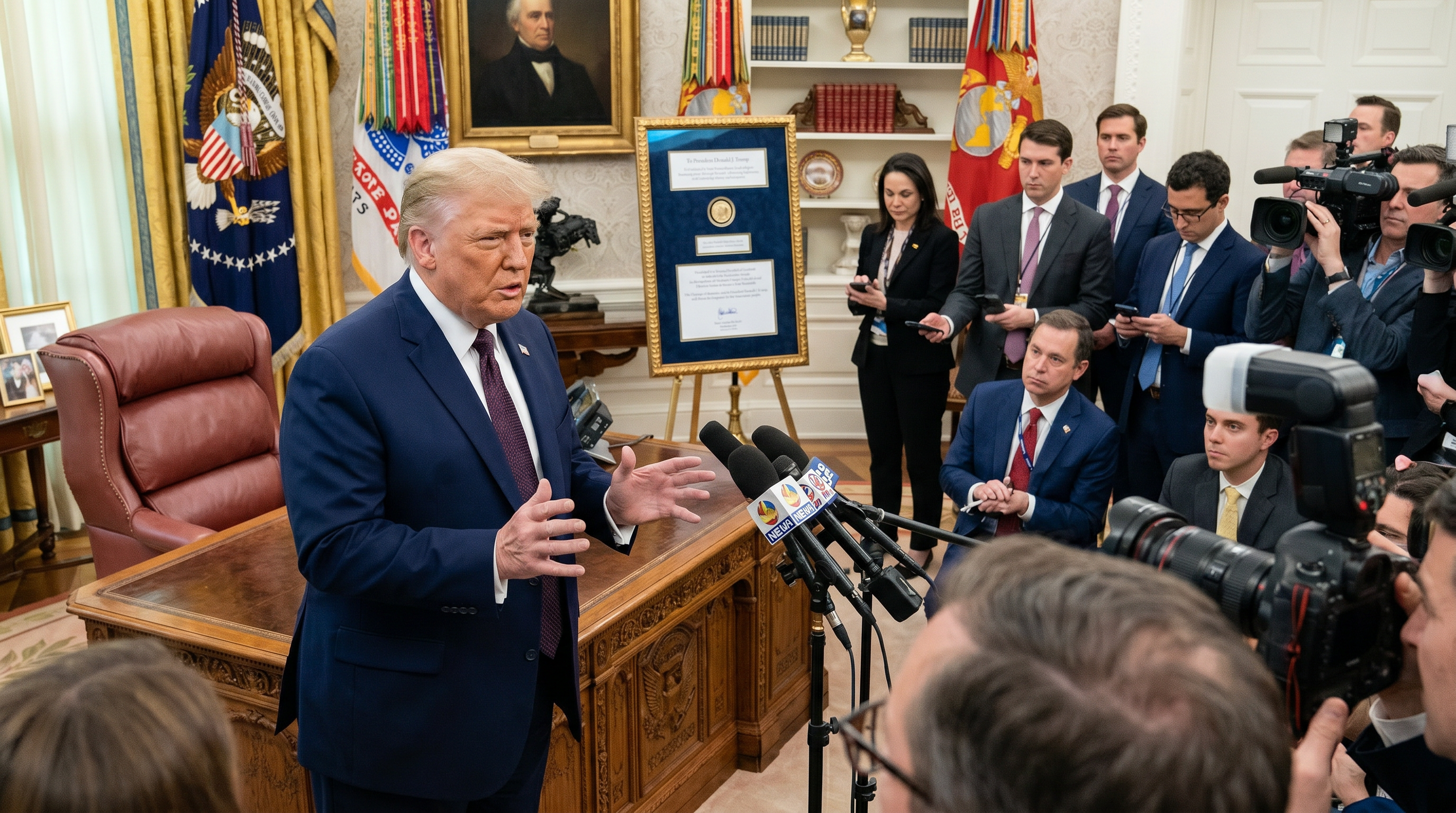
In a sudden and dual-pronged shift in US policy toward Tehran, President Donald Trump announced that a "great settlement" has been reached to end the three-month war with Iran, abruptly canceling a wave of imminent military strikes.[1][5]
Yet, even as the White House touted a historic diplomatic breakthrough, simultaneous reports revealed a hardline domestic maneuver: the Trump administration is preparing to deport Iranian asylum seekers to the Central African Republic (CAR) under a newly established third-country agreement.[2][4]
The juxtaposition of ending a foreign conflict while expelling dissidents to a volatile African nation highlights the complex, multi-front nature of Washington's current Iran strategy. The developments carry massive implications for global energy markets, Middle Eastern security, and international asylum law.[1][4]

The diplomatic pivot occurred rapidly. On Wednesday, Trump had threatened to launch "very hard" strikes against Iran, specifically targeting Kharg Island—a vital Iranian oil and gas infrastructure hub—and assuming control of the country's oil markets.[1][6]
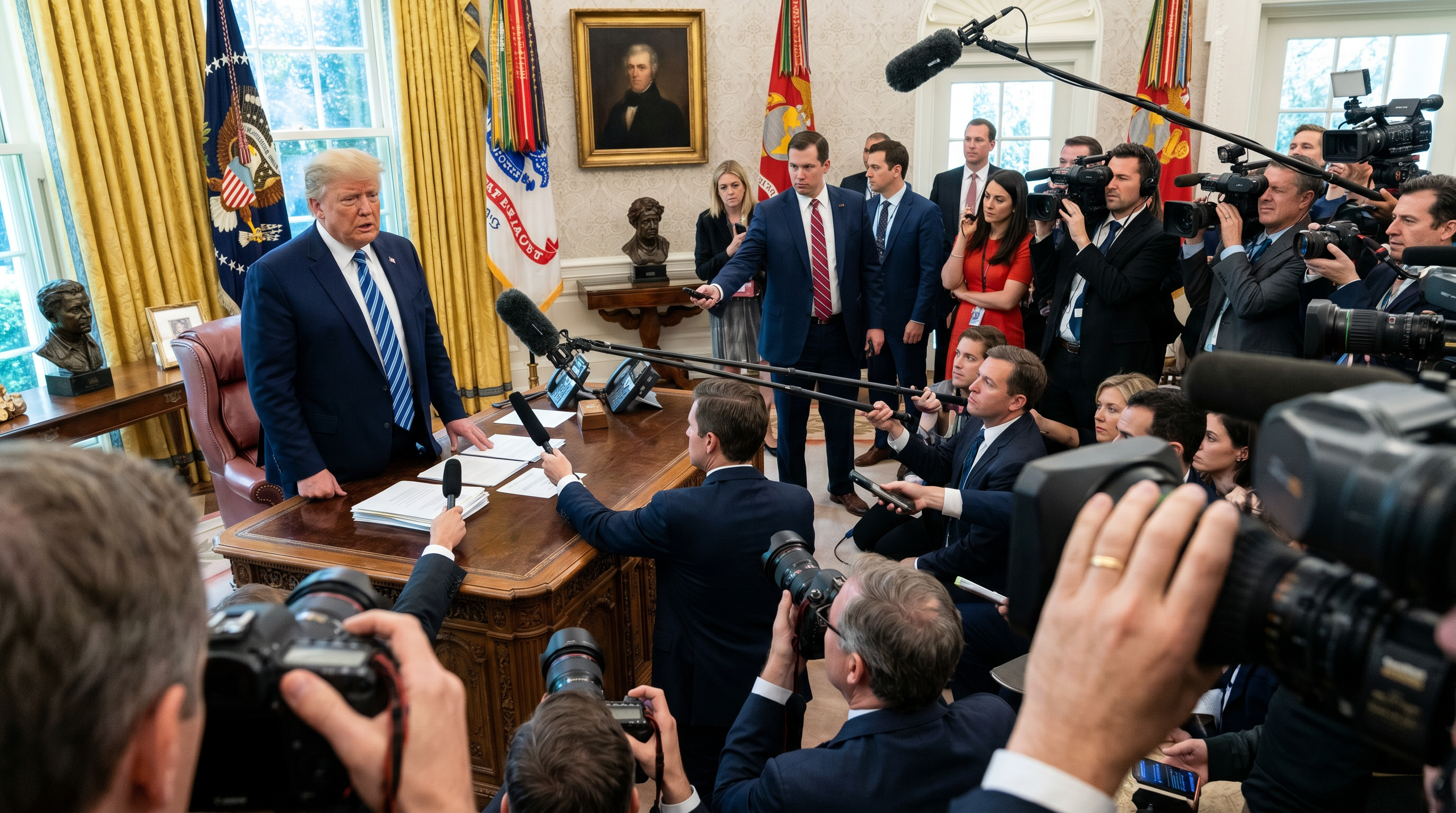
By Thursday, those strikes were called off. Speaking from the Oval Office, Trump claimed that discussions had been brought to the highest levels of Iranian leadership and approved. He stated that the documents were subject to finalization but expected a signing ceremony in Europe within days.[1][5]
The proposed settlement reportedly includes the immediate reopening of the Strait of Hormuz and the lifting of the US naval blockade on Iran's ports. Trump asserted the deal would ensure Iran never obtains a nuclear weapon, though the initial memorandum of understanding is expected to only "conceptually" address Tehran's highly enriched uranium stockpiles.[5][6]

However, the reality on the ground remains contested. Iranian Foreign Ministry spokesperson Esmaeil Baghaei quickly pushed back, stating that while a large portion of the text is finalized, Tehran has not reached a final conclusion. He accused the US of repeatedly changing its positions and insisted Iran would not compromise on its red lines.[1][5]
He accused the US of repeatedly changing its positions and insisted Iran would not compromise on its red lines.
The diplomatic ambiguity is underscored by recent violence; just hours before the announcement, US and Iranian forces exchanged strikes, with Iran launching missiles at bases housing US troops in Kuwait and Bahrain in retaliation for American attacks.[6][7]
Meanwhile, a different facet of the US-Iran dynamic is unfolding on American soil. The Department of Homeland Security is readying its first deportation flight to the Central African Republic, a deal reportedly finalized during a US delegation visit to Bangui in May.[2][4]
The flight is expected to carry roughly 20 migrants who cannot be legally repatriated to their home countries, including individuals from Syria, Afghanistan, Turkey, and Iran.[2][4]
Among the deportees are two Iranian women who arrived in the US in November 2024. According to their legal counsel, one is a Christian convert and the other a pro-democracy activist. Both had successfully secured "withholding of removal" status from a US immigration judge.[2][4]

This specific legal protection is granted when a judge determines there is a greater than 50 percent chance the individual will face torture or severe persecution if returned to their native country. Because US law prohibits sending them back to Iran, the administration is utilizing the CAR agreement to remove them from American territory entirely.[4]
Immigration advocates have raised severe alarms about the destination. The Central African Republic is a chronically unstable nation that has endured decades of political violence, armed insurgencies, and extreme poverty. Its government currently relies heavily on Russian security contractors to maintain authority.[2][4]
The Trump administration has increasingly leaned on these opaque third-country deportation frameworks—including a previous arrangement with the Democratic Republic of the Congo—defending them as a lawful mechanism to enforce immigration removals when direct repatriation is impossible.[2][4]

Back in the Middle East, regional allies are navigating the sudden whiplash. Israeli Prime Minister Benjamin Netanyahu was reportedly caught off guard by the settlement announcement. While clarifying that Israel is not a party to the US-Iran memorandum, Netanyahu expressed support for the broader goal of nuclear containment.[5][7]
As the weekend approaches, the international community faces two looming deadlines: the potential signing of a landmark peace accord in Europe, and the departure of a highly controversial deportation flight to Bangui. Both will test the legal and diplomatic boundaries of the administration's foreign policy.[1][4]
How we got here
Late Feb 2026
The United States and Israel launch a war against Iran.
April 2026
A fragile ceasefire is agreed upon but quickly falters amid renewed hostilities.
May 2026
A US delegation visits Bangui to finalize a third-country deportation agreement with the Central African Republic.
June 10, 2026
US and Iranian forces exchange strikes; President Trump threatens to seize Kharg Island.
June 11, 2026
Trump cancels the strikes, announces a 'great settlement,' and reports emerge of the imminent CAR deportation flight.
Viewpoints in depth
US Administration
The White House views the settlement as a historic victory and defends the deportations as lawful.
President Trump and his administration argue that the imminent peace deal will stabilize global energy markets and successfully contain Iran's nuclear ambitions. Simultaneously, the Department of Homeland Security defends third-country deportation agreements as a necessary and lawful tool to enforce immigration removals when migrants cannot be legally returned to their native countries.
Iranian Leadership
Tehran maintains that negotiations are ongoing and refuses to concede to US pressure.
Iranian officials, including the Foreign Ministry, emphasize that no final agreement has been signed. They accuse the US of repeatedly shifting its negotiating positions and insist that Iran will not compromise on its core 'red lines,' pushing back against Washington's narrative of a finalized capitulation.
Immigration Advocates
Legal and human rights groups warn the deportations violate international protection standards.
Attorneys representing the asylum seekers argue that deporting individuals with 'withholding of removal' status to a chronically unstable nation like the Central African Republic circumvents the spirit of international non-refoulement laws. They warn that the deportees, including Christian converts and democracy activists, remain highly vulnerable in a country plagued by armed insurgencies.
Regional Observers
Middle Eastern allies are cautiously optimistic but wary of the sudden diplomatic shift.
Allies like Israel and the Gulf states were reportedly caught off guard by the abrupt cancellation of US strikes and the announcement of a settlement. While they support the overarching goal of neutralizing Iran's nuclear capabilities, there is underlying anxiety about the specific concessions made in the memorandum and the durability of the peace framework.
What we don't know
- Whether Iran's Supreme Leader will formally sign the memorandum of understanding this weekend.
- How the US courts will respond to last-minute legal challenges regarding the CAR deportation flights.
- The specific mechanisms the settlement will use to address Iran's highly enriched uranium stockpiles.
Key terms
- Withholding of Removal
- A US immigration protection granted when a judge determines there is a greater than 50 percent chance an individual will face persecution or torture in their home country.
- Third-Country Deportation
- The practice of deporting a migrant to a nation that is not their country of origin, typically established through bilateral agreements.
- Kharg Island
- A crucial Iranian island in the Persian Gulf that serves as the country's primary oil export terminal.
- Strait of Hormuz
- A highly strategic waterway between the Persian Gulf and the Gulf of Oman through which a significant portion of the world's oil passes.
Frequently asked
What is a third-country deportation deal?
It is an agreement where the US deports migrants to a nation other than their home country, often used when direct repatriation is legally or practically impossible.
Why are Iranian asylum seekers being sent to the Central African Republic?
Because they secured legal protection preventing their return to Iran due to a high risk of torture, the US is using the CAR agreement to remove them from American soil.
What are the terms of the US-Iran settlement?
While documents are still being finalized, the proposed deal includes reopening the Strait of Hormuz, lifting the US naval blockade, and a conceptual agreement on Iran's nuclear material.
Sources
Source coverage
7 outlets
4 viewpoints surfaced







[1]CBS NewsRegional Observers
Trump claims 'great settlement' reached with Iran, calls off strikes
Read on CBS News →[2]Fox NewsUS Administration
Trump plans to deport Iranians to violence-plagued central African nation in new deal
Read on Fox News →[3]Al JazeeraIranian Leadership
Trump says US and Iran have reached a ‘great settlement’
Read on Al Jazeera →[4]ReutersImmigration Advocates
US plans to deport Iranians to Central African Republic, sources say
Read on Reuters →[5]The Times of IsraelRegional Observers
Trump says 'great settlement' almost reached with Iran; Netanyahu says Israel not party to deal
Read on The Times of Israel →[6]Investing.comUS Administration
Trump claims 'great settlement' with Iran, says oil blockade to end
Read on Investing.com →[7]The NationalRegional Observers
Trump says US and Iran are nearing 'great settlement' to end war
Read on The National →
More in news politics
See all 64 stories →US-Iran Conflict
Trump Cancels Strikes on Iran, Citing Imminent Peace Deal as Markets Surge
7 sources
US-Iran Conflict
Trump Cancels Iran Strikes, Claims Peace Deal to Reopen Strait of Hormuz is Imminent
7 sources

US-Iran War
Trump Cancels Strikes on Iran, Claims 'Great Settlement' Reached as Tehran Cites Unfinished Deal
8 sources
Diplomatic Settlement
US Cancels Strikes on Iran as Trump Announces 'Great Settlement' to End War
8 sources
Every angle. Every day.
Get news politics stories with full source coverage and perspective breakdowns delivered to your inbox.