
The 2026 E-Bike Buying Guide: Motors, Batteries, and the New Safety Rules
As electric bicycles replace car trips for millions, navigating the 2026 market requires understanding new fire-safety mandates, motor architectures, and battery metrics.
By Factlen Editorial Team
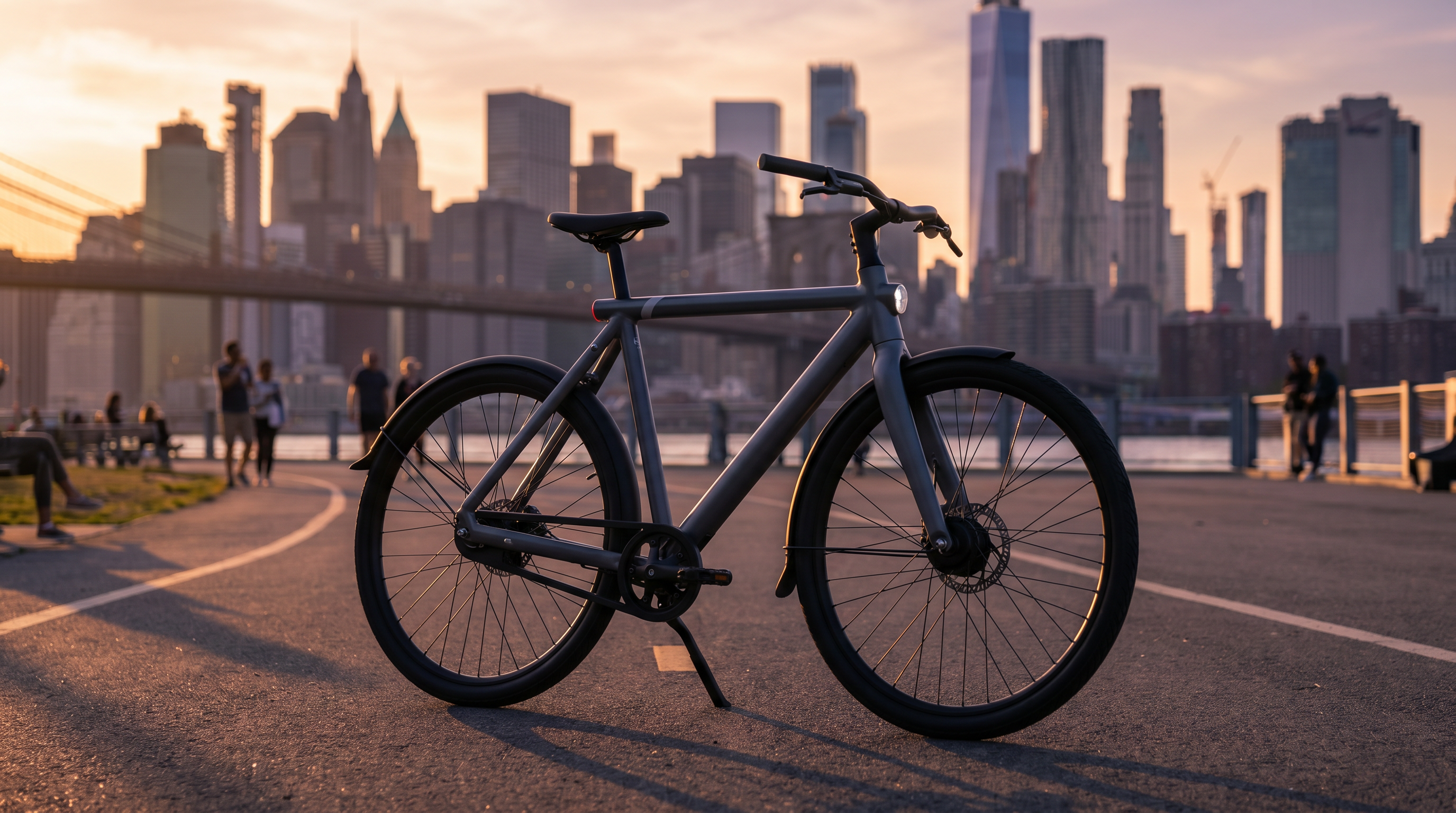
- Urban Commuters
- Focuses on replacing car trips with fast, low-maintenance transit.
- Mountain & Trail Riders
- Prioritizes natural handling and technical off-road performance.
- Cargo & Family Haulers
- Demands maximum torque and structural stability for heavy loads.
- Safety Regulators
- Focuses on eliminating fire risks in dense residential areas.
What's not represented
- · Traditional acoustic bicycle purists
- · Local bike shop mechanics repairing direct-to-consumer models
Why this matters
Purchasing an e-bike is a significant financial investment that can transform your daily commute, health, and carbon footprint. Understanding the latest safety standards and motor technologies ensures you buy a reliable, fire-safe vehicle tailored to your needs rather than an expensive garage ornament.
Key points
- UL 2849 full-system safety certification is now the essential baseline to prevent battery fires.
- Hub motors are affordable and low-maintenance, making them ideal for flat city commuting.
- Mid-drive motors leverage the bike's gears, providing necessary torque for steep hills and heavy cargo.
- Torque sensors offer a much more natural, responsive ride feel compared to basic cadence sensors.
- Battery capacity should be judged by Watt-hours (Wh), not just volts or amp-hours.
- Buyers must choose between Class 1, 2, or 3 models based on local path regulations and speed needs.
Electric bicycles have fundamentally transformed urban transit and outdoor recreation, evolving from niche gadgets into primary vehicles for millions of riders. By 2026, the technology has matured remarkably, offering unprecedented range, reliability, and power. However, this boom has also flooded the market with an overwhelming array of options, making the purchasing process feel more like an electrical engineering exam than a trip to the local bike shop. For consumers looking to replace car trips, haul groceries, or conquer mountain trails, choosing the wrong configuration can result in a heavy, frustrating machine that gathers dust in the garage.[1][8]
The stakes of this decision are higher than ever, both financially and practically. A quality e-bike represents a significant investment, typically ranging from $1,500 to well over $5,000. Beyond the sticker price, the specific combination of motor architecture, battery capacity, and sensor technology dictates whether the bike will feel like a natural extension of the rider's legs or a cumbersome motorized scooter. Navigating this landscape requires looking past flashy marketing metrics and understanding the mechanical realities of how these components interact under real-world stress.[1][4]
The most critical shift in the 2026 e-bike market has nothing to do with speed or styling, but rather with fire safety. Following a series of highly publicized lithium-ion battery fires in previous years, the industry and regulators have aggressively pivoted toward stringent safety certifications. The gold standard—and increasingly, the legal baseline—is UL 2849. Unlike older certifications that only tested the battery cells in isolation, UL 2849 evaluates the entire electrical drive system as a single, integrated unit.[2][8]
This system-level approach is vital because a safe battery can still fail if paired with an incompatible charger or a faulty motor controller. Under UL 2849, the battery pack, battery management system, wiring, motor, and charger are subjected to rigorous abuse testing, including drop simulations, thermal cycling, and overcharge scenarios. The standard ensures that a single-cell thermal runaway will not cascade into a catastrophic full-pack fire, providing buyers with essential peace of mind when storing these vehicles inside their homes or apartments.[2]

This certification is no longer just a recommendation; it is rapidly becoming a legal requirement. Bellwether regions like New York City and California have implemented strict laws mandating that all new e-bikes sold within their jurisdictions comply with UL 2849 or equivalent standards. Retailers face massive fines for selling uncertified models, and many property managers now require proof of certification before allowing e-bikes to be parked in residential buildings. When shopping in 2026, verifying full-system UL 2849 certification is the non-negotiable first step.[2][8]
Once safety is assured, the most defining characteristic of any e-bike is its motor architecture. Every electric bike on the market utilizes either a hub motor or a mid-drive motor, and this single engineering choice dictates how the bike climbs, accelerates, and handles. Understanding the distinction between these two systems is the most important factor in matching a bike to a rider's specific environment and intended use case.[3][4]
Hub motors are the older, simpler, and more affordable technology, dominating the entry-level and mid-range commuter markets. Housed entirely within the center of the front or rear wheel, a hub motor pushes the bike forward independently of the pedals and the chain. Because it drives the wheel directly, it operates outside of the bike's traditional gearing system. This creates a distinctive, tug-like sensation, as the motor applies raw rotational force to the axle regardless of which gear the rider has selected.[3][4]
Hub motors are the older, simpler, and more affordable technology, dominating the entry-level and mid-range commuter markets.
For flat-city commuting and casual riding, hub motors are exceptionally practical. They are mechanically simple, boasting fewer moving parts than their mid-drive counterparts, which translates to high long-term reliability and lower maintenance costs. If a chain breaks on a hub-motor bike, the rider can often still use the throttle to get home. However, their major limitation becomes apparent on steep inclines; because they cannot leverage the bike's gears, hub motors lose efficiency and can overheat when forced to grind slowly up long, heavy climbs.[3][7]
Mid-drive motors, conversely, are positioned at the bike's bottom bracket, directly between the pedals. Instead of driving the wheel, a mid-drive motor drives the chain, meaning its power is routed through the bike's rear cassette and derailleur. This allows the motor to utilize the bike's mechanical gearing just as a human rider does. When approaching a steep hill, shifting into a lower gear allows the mid-drive motor to spin at a high, efficient RPM while the rear wheel turns slowly, multiplying the torque delivered to the ground.[3][4]

This mechanical advantage makes mid-drive systems the undisputed choice for mountain biking, heavy cargo hauling, and navigating cities with severe elevation changes. They also offer superior weight distribution, keeping the bike's center of gravity low and centered, which vastly improves handling on technical trails. The trade-off is a higher upfront cost and increased wear on the drivetrain; routing hundreds of watts of electrical power through a standard bicycle chain requires more frequent maintenance and component replacement.[4][7]
Beyond where the motor is placed, how the motor decides to deliver power is governed by the bike's sensor technology. Entry-level e-bikes typically rely on cadence sensors, which simply detect whether the pedals are turning. When the sensor registers movement, it tells the motor to deliver a predetermined amount of power based on the selected assist level. This often feels like an on/off switch—pedal lightly, and the motor suddenly surges forward, which can feel jerky and less intuitive for experienced cyclists.[6][8]
Premium e-bikes, and virtually all mid-drive models, utilize torque sensors instead. A torque sensor measures exactly how much physical force the rider is applying to the pedals and commands the motor to amplify that specific effort in real-time. If you pedal gently, the motor provides a gentle hum; if you stand up and mash the pedals to sprint through an intersection, the motor instantly delivers maximum thrust. This creates a seamless, bionic sensation that feels like riding a normal bicycle with superhuman legs.[6][8]
Powering these motors requires understanding battery capacity, a metric often obscured by confusing terminology. While marketing materials frequently highlight voltage or amp-hours, the only number that truly matters for comparing range is watt-hours. Calculated by multiplying volts by amp-hours, the watt-hour rating represents the total volume of energy stored in the battery pack. A standard commuter bike in 2026 typically features a 500Wh battery, while long-range cargo or touring models may push past 750Wh.[6]
However, buyers should view advertised range estimates with intense skepticism. A manufacturer claiming an 'up to 60-mile range' is usually basing that figure on a lightweight rider using the lowest assist setting on perfectly flat pavement with no wind. In real-world conditions—utilizing higher assist levels, carrying groceries, and tackling hills—that range can easily be cut in half. Riders planning long daily commutes should always purchase a battery with at least 30 percent more capacity than their round-trip mileage demands.[1][6]

Finally, navigating the e-bike market requires understanding the legal classification system, which dictates where a bike can be ridden. In the United States, the industry has largely standardized around a three-class system. Class 1 e-bikes provide motor assistance only when the rider is pedaling, and the assistance cuts off at 20 miles per hour. These are the most universally accepted models, legally permitted on almost all traditional bike paths and multi-use trails.[5]
Class 2 e-bikes also cap out at 20 miles per hour but include a throttle, allowing the bike to move without any pedaling effort. While popular for commuting and utility, Class 2 models face increasing restrictions on natural surface trails and pedestrian-heavy greenways. Class 3 e-bikes are built for speed, providing pedal-assist up to 28 miles per hour. These are ideal for riders replacing long car commutes on shared roadways, but they are frequently banned from dedicated bike paths due to their high top speeds.[5]

Ultimately, buying an e-bike in 2026 is an exercise in matching the machine to the mission. A rider looking to cruise flat beach boardwalks on weekends will be perfectly served by an affordable, hub-driven Class 2 cruiser. Conversely, a parent hauling two children up steep suburban hills needs the gear-leveraging torque of a mid-drive cargo bike. By prioritizing UL 2849 safety certification, understanding motor architectures, and ignoring inflated range claims, consumers can confidently invest in a vehicle that genuinely transforms their daily mobility.[1][4][8]
How we got here
2020–2023
E-bike sales surge globally, but a lack of regulation leads to an influx of cheap, uncertified batteries entering the market.
2024
High-profile battery fires prompt intense scrutiny from fire departments and consumer protection agencies.
2025
New York City implements Local Law 39, banning the sale of e-bikes lacking UL 2849 or equivalent certification.
Jan 2026
California's SB 1271 takes effect, mandating strict third-party safety certifications for all new e-bikes sold in the state.
Viewpoints in depth
Urban Commuters' view
Focuses on replacing car trips with fast, low-maintenance transit.
For the daily commuter, the e-bike is a utility vehicle meant to bypass traffic and eliminate parking costs. This camp strongly favors Class 3 models capable of 28 mph to safely integrate with road traffic, paired with reliable, low-maintenance hub motors. They prioritize practical features like integrated lighting, fenders, and rear racks over raw climbing torque, viewing the bike primarily as a cost-effective car alternative.
Mountain & Trail Riders' view
Prioritizes natural handling and technical off-road performance.
Off-road enthusiasts view the e-bike as an extension of traditional mountain biking, allowing them to ride further and climb steeper terrain without relying on ski lifts. This group universally demands mid-drive motors and highly sensitive torque sensors, which provide the nuanced power delivery required to navigate technical rock gardens and loose dirt. They are willing to accept higher maintenance costs and drivetrain wear in exchange for perfect weight distribution and gear-leveraged climbing power.
Cargo & Family Haulers' view
Demands maximum torque and structural stability for heavy loads.
Parents and delivery professionals rely on e-bikes to move substantial weight, fundamentally changing the mechanical requirements of the vehicle. This camp requires the highest-torque mid-drive motors available—often exceeding 85 Nm—to get a heavy bike moving from a dead stop at a traffic light. Because they are carrying precious cargo, they are also the most vocal advocates for rigorous UL 2849 safety certifications and high-capacity batteries that won't die halfway through a school run.
Safety Regulators' view
Focuses on eliminating fire risks in dense residential areas.
Following a surge in lithium-ion battery fires linked to cheap, uncertified mobility devices, city officials and fire departments have taken a hardline stance. Regulators view the e-bike market not just as a transportation shift, but as a potential public safety hazard if left unchecked. They argue that voluntary compliance is insufficient, pushing for strict municipal and state laws that ban the sale of any e-bike lacking full-system UL 2849 certification to protect high-density housing.
What we don't know
- Whether federal legislation will eventually unify the patchwork of state and municipal e-bike safety laws.
- How emerging solid-state battery technology will impact e-bike weight and range in the coming years.
- If insurance companies will begin offering specialized, affordable policies tailored specifically for high-value e-bikes.
Key terms
- UL 2849
- A rigorous safety standard that tests an e-bike's entire electrical system—battery, motor, and charger—to prevent fires and thermal runaway.
- Hub Motor
- An electric motor housed inside the center of the bicycle's front or rear wheel that pushes the bike directly without using the chain.
- Mid-Drive Motor
- A motor positioned at the pedals that drives the bicycle's chain, allowing it to use the bike's mechanical gears for better hill climbing.
- Torque Sensor
- A device that measures exactly how hard the rider is pedaling and smoothly amplifies that physical effort in real-time.
- Watt-hour (Wh)
- A measurement of total battery capacity that accurately indicates how far an e-bike can travel on a single charge.
Frequently asked
Do I need a license or insurance to ride an e-bike?
In most regions, Class 1, 2, and 3 e-bikes are legally classified as bicycles. This means they do not require a driver's license, vehicle registration, or mandatory insurance.
How long do e-bike batteries last before needing replacement?
A high-quality lithium-ion e-bike battery typically lasts between 3 to 5 years, or roughly 500 to 1,000 full charge cycles, before its capacity significantly degrades.
Can I ride an electric bike in the rain?
Yes, most modern e-bikes from reputable brands feature water-resistant electrical components designed to handle rain and puddles, though they should never be fully submerged or pressure-washed.
Is a 750W motor always better than a 250W motor?
Not necessarily. A 250W mid-drive motor that uses the bike's gears can often climb steep hills more efficiently than a 750W hub motor that cannot gear down.
Sources
Source coverage
8 outlets
4 viewpoints surfaced






[1]Factlen Editorial Team
Synthesis by Factlen editorial team
Read on Factlen Editorial Team →[2]TST EbikeSafety Regulators
UL 2849 Certified Cargo Ebikes: 2026 Safety Standards
Read on TST Ebike →[3]ClipClop BikeCargo & Family Haulers
What Actually Moves an E-Bike: A Motor Deep Dive
Read on ClipClop Bike →[4]Bike-EVCargo & Family Haulers
Mid-Drive vs Hub Motor E-Bikes: The 2026 Guide
Read on Bike-EV →[5]Bicycle ColoradoSafety Regulators
E-Bike Buying Guide
Read on Bicycle Colorado →[6]BikeLineUrban Commuters
The Beginner's E-Bike Buying Guide
Read on BikeLine →[7]HPC BikesMountain & Trail Riders
Mid-Drive vs. Hub Motor: Which is Better in 2026?
Read on HPC Bikes →[8]HovscoUrban Commuters
Complete E-Bike Buying Guide: Don't Waste Money in 2026
Read on Hovsco →
More in shopping
See all 54 stories →Luggage Choice
Travel Backpack vs. Rolling Carry-On: Which Luggage Fits Your Trip?
7 sources

Summer Sales
The 2026 Summer Retail Price War: Amazon, Walmart, and Target Launch Massive June Sales Events
7 sources

E-Bike Tech
The 2026 E-Bike Buying Guide: Motors, Batteries, and Finding Your Perfect Ride
8 sources
EV Transition
EV vs. PHEV in 2026: The Complete Cost and Lifestyle Comparison
7 sources
Every angle. Every day.
Get shopping stories with full source coverage and perspective breakdowns delivered to your inbox.