
The Rise of 'Slow Dating': How Intentionality is Replacing the Swipe-Right Culture
As dating app burnout reaches record highs, singles are rejecting gamified romance in favor of a slower, scientifically backed approach to building lasting connections.
By Factlen Editorial Team
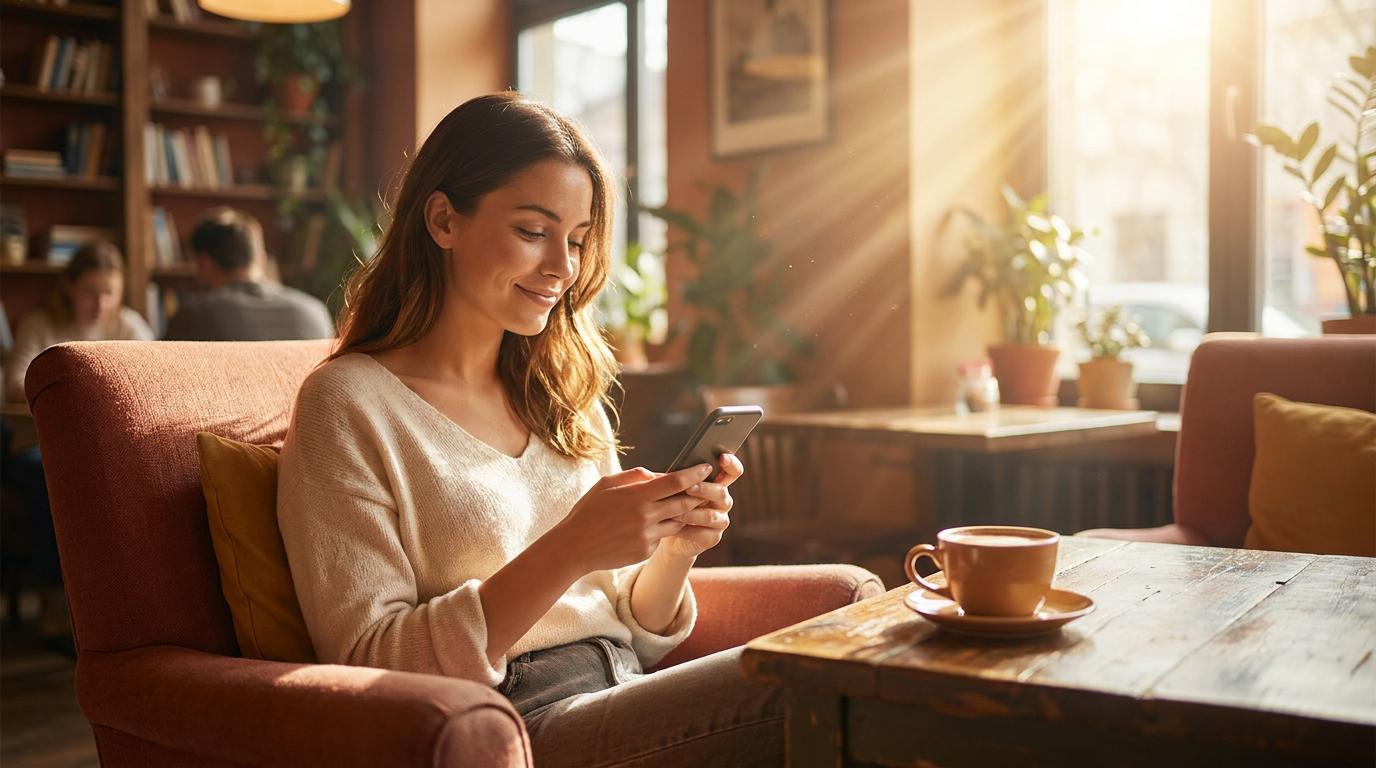
- Mental Health Professionals
- Argue that slowing down protects against decision fatigue, dopamine addiction, and emotional burnout.
- Dating App Developers
- Adapting to the trend by introducing features that limit daily matches and encourage deeper prompts to retain users.
- Intentional Daters
- Users who prioritize emotional compatibility and shared values, rejecting the gamified swipe culture.
What's not represented
- · Individuals in rural or low-population areas where limiting matches may severely restrict dating pools.
- · Asexual or aromantic communities whose approach to intentional connection often falls outside traditional dating app metrics.
Why this matters
As dating app burnout reaches record highs, the shift toward 'slow dating' offers a scientifically backed blueprint for healthier relationships. By understanding the psychology behind intentional dating, singles can protect their mental health, bypass the exhaustion of endless swiping, and build deeper, more sustainable connections.
Key points
- A staggering 78% of users now report experiencing 'dating app burnout' from the gamified swipe culture.
- Singles are increasingly adopting 'slow dating,' a mindful approach that prioritizes emotional compatibility over match volume.
- Psychologists note that reducing dating options helps combat decision fatigue and fosters genuine neurological attachment.
- Major dating platforms are responding by introducing features that limit daily matches and encourage deeper, intentional conversations.
For the better part of a decade, the search for romance was defined by the swipe. Gamified dating applications promised endless options, turning courtship into a high-speed exercise in split-second judgments. But as the novelty of infinite choice has worn off, a profound cultural shift is taking place. Singles are increasingly rejecting the high-volume, dopamine-driven approach to romance in favor of something far more deliberate.[7]
This emerging movement is known as 'slow dating,' and it represents a fundamental rewiring of modern courtship. Rather than juggling dozens of superficial conversations or rushing to meet as many people as possible, intentional daters are drastically reducing their volume. They are prioritizing emotional compatibility, shared values, and a natural pace of connection over the immediate gratification of a match.[7][8]
The shift is largely a response to a documented psychological crisis within the digital dating ecosystem. According to recent survey data, a staggering 78% of users now report experiencing 'dating app burnout'—a state of emotional and mental exhaustion stemming from prolonged, unfulfilling use of these platforms. The cycle of matching, messaging, and ghosting has left a generation of singles feeling depleted rather than hopeful.[3]

This exhaustion is particularly acute among younger demographics. Research indicates that 62% of Generation Z users find dating apps to be more stressful than enjoyable. For many, the process has begun to feel less like a romantic adventure and more like a grueling second job, prompting a mass reevaluation of how technology should facilitate human connection.[4]
Psychologists point to 'decision fatigue' as the primary culprit behind this widespread burnout. The human brain is simply not wired to evaluate hundreds of potential partners in a single sitting. When faced with an overwhelming number of choices, the quality of our decision-making deteriorates, leading to increased stress and a paradoxical sense of dissatisfaction.[6]
This phenomenon, often referred to as the paradox of choice, actually hinders the formation of real relationships. Studies have shown that when individuals are exposed to a higher volume of potential partners, they make fewer actual date proposals and become more likely to rely on superficial characteristics to filter their options. By artificially limiting choice, slow dating helps restore cognitive bandwidth.[1]
The neurological mechanics of slow dating also differ significantly from the swipe-right culture. Fast-moving, app-driven relationships often trigger the brain's reward system, releasing spikes of dopamine that mimic the 'high' of addictive substances. While exhilarating, this chemical rush is fleeting and can obscure a lack of genuine compatibility.[8]
The neurological mechanics of slow dating also differ significantly from the swipe-right culture.
In contrast, taking things slowly engages entirely different neural pathways. By gradually building trust and intimacy, slow dating activates the parts of the brain associated with calmness, safety, and emotional balance. This steady progression aligns closely with established psychological frameworks, such as attachment theory, which suggests that our nervous systems require time to adjust to new emotional bonds.[8]
A core tenet of this approach is 'progressive vulnerability.' Rather than oversharing on a first date or maintaining a facade of perfection, intentional daters reveal their experiences, values, and fears in gradual layers. This paced disclosure creates a safe environment for both individuals, ensuring that emotional intimacy grows in tandem with mutual trust.[8]
The dating industry itself is being forced to adapt to this new reality. Major platforms are recognizing that their traditional metrics of success—daily active users and total swipes—are no longer aligned with what their customers actually want. Internal data from Hinge reveals that two out of three users actively want to change the way they date, moving away from past habits.[5]

Similarly, Bumble reports that 53% of its user base now explicitly prefers slow dating, opting to take significantly more time to get to know someone before meeting in person. In response, apps are introducing features designed to slow users down, such as daily match limits, audio prompts, and 'hardballing' tags that allow users to state their long-term intentions upfront.[2]
Beyond the apps, the slow dating philosophy is reshaping how people behave once they actually meet. There is a growing preference for low-pressure, activity-based first dates—such as taking a walk, visiting a farmer's market, or grabbing a quick coffee. These environments foster organic conversation without the heavy expectations of a formal dinner or drinks.[8]
This measured approach also offers significant protective benefits for mental health. For individuals navigating anxiety or recovering from past relationship trauma, the rapid pace of traditional modern dating can be deeply triggering. Slow dating provides the necessary space to maintain personal boundaries, evaluate red flags, and ensure that a new partner respects their emotional pacing.[8]

However, the movement is not without its potential pitfalls. A common critique of slow dating is the risk of 'pen-pal syndrome,' where two people engage in deep, prolonged digital conversations but continually delay meeting in the real world. Without the anchor of in-person chemistry, these virtual connections can easily become idealized fantasies that collapse upon actual contact.[7]
To counter this, relationship experts emphasize that 'slow' does not mean stagnant. True intentional dating requires a deliberate, forward-moving trajectory. It involves setting clear timelines for transitioning from text to video calls, and from video calls to in-person meetings, ensuring that the relationship is actually progressing, albeit at a healthier speed.[8]

The rise of slow dating is also inextricably linked to the broader post-pandemic cultural landscape. The prolonged isolation of recent years forced a collective introspection, leading many to reprioritize their mental health and emotional well-being over societal pressures to couple up quickly. Singles are increasingly comfortable with their own solitude, refusing to compromise their peace for the sake of a mismatched relationship.[5]
Ultimately, the shift toward intentionality represents a maturing of the digital dating age. After years of treating romance as a numbers game, singles are reclaiming their agency. By choosing depth over breadth, and connection over convenience, the slow dating movement is proving that when it comes to finding lasting love, the most effective strategy might simply be to take a breath and slow down.[7]
How we got here
Early 2010s
The rise of gamified dating apps introduces the 'swipe' mechanic, prioritizing volume and speed in digital courtship.
2020–2021
Pandemic lockdowns force a pause in physical dating, leading to a surge in video dates and deeper, more intentional conversations.
2022–2024
'Dating app fatigue' becomes a widely documented psychological phenomenon as users burn out from endless options and ghosting.
2025–2026
Slow dating emerges as the dominant counter-trend, with users and platforms shifting toward low-volume, high-quality matchmaking.
Viewpoints in depth
Mental Health Professionals
Focusing on the neurological and psychological benefits of pacing romantic connections.
Psychologists and therapists emphasize that the human brain is not equipped to handle the sheer volume of choices presented by modern dating apps. This overexposure leads to decision fatigue, where daters default to superficial judgments rather than assessing true compatibility. By slowing down, individuals can bypass the fleeting dopamine hits of gamified swiping and instead engage the neural pathways associated with safety, trust, and long-term attachment. This approach is particularly advocated for those with anxious attachment styles, as it provides a predictable and secure environment for intimacy to develop.
Dating App Developers
Pivoting platform designs to accommodate the demand for quality over quantity.
Recognizing the threat of widespread user burnout, major dating platforms are actively redesigning their interfaces to encourage intentionality. Features that once promoted endless swiping are being replaced or supplemented by daily match limits, mandatory audio prompts, and compatibility algorithms that prioritize deep shared values. Industry data reveals that users are demanding these changes; platforms that fail to facilitate meaningful, slow-paced connections risk losing their user base to 'dating app fatigue.' The business model is shifting from maximizing daily interactions to maximizing successful, long-term matches.
Intentional Daters
Reclaiming agency by setting strict boundaries and prioritizing shared values.
For the users themselves, slow dating is a form of self-preservation and boundary-setting. After years of treating romance as a numbers game, many singles are choosing to protect their peace by engaging with fewer people but on a much deeper level. This camp values 'hardballing'—being completely upfront about relationship goals and dealbreakers from the very first interaction. They view the reduction in total dates not as a loss of opportunity, but as a necessary filter to ensure that their time and emotional energy are only invested in connections with genuine long-term potential.
What we don't know
- Whether the shift toward slow dating will permanently alter the revenue models of major dating apps, which have historically relied on high daily engagement.
- How the integration of AI matchmakers will impact the authenticity of early-stage digital courtship.
- If the reduction in total dates will lead to a long-term increase in successful, lasting marriages among Gen Z and Millennials.
Key terms
- Slow Dating
- A mindful approach to courtship that prioritizes emotional connection and intentionality over the speed and volume of matches.
- Decision Fatigue
- The deteriorating quality of decisions made by an individual after a long session of evaluating options, common in endless swiping.
- Progressive Vulnerability
- The psychological process of gradually sharing personal experiences and fears at a pace that builds trust and intimacy.
- Pen-Pal Syndrome
- A potential pitfall of online dating where two people message endlessly without ever transitioning to an in-person meeting.
- Hardballing
- The practice of being completely upfront about one's relationship goals, expectations, and dealbreakers from the very beginning.
Frequently asked
Is slow dating just a way to avoid commitment?
No. Psychologists note that slow dating is about building a stronger foundation for commitment, not avoiding it. It focuses on long-term compatibility rather than immediate gratification.
Do I have to delete my dating apps to practice slow dating?
Not necessarily. Many intentional daters still use apps but set strict boundaries, such as limiting swipe time or only engaging with a few matches at once.
How do I avoid getting stuck in the 'talking phase' forever?
Experts recommend setting a clear timeline for moving from text to a video call or a low-pressure in-person date, ensuring the connection is progressing.
Sources
Source coverage
8 outlets
3 viewpoints surfaced








[1]Psychology TodayMental Health Professionals
Does Slow Equal Better?
Read on Psychology Today →[2]EsquireDating App Developers
Slow Dating: Why People Are Now Taking Their Time Before Committing
Read on Esquire →[3]Forbes HealthIntentional Daters
Dating App Fatigue: How to Find Love Online
Read on Forbes Health →[4]Pew Research CenterIntentional Daters
The State of Online Dating in 2024
Read on Pew Research Center →[5]Hinge LabsDating App Developers
The Rise of Intentional Dating
Read on Hinge Labs →[6]American Psychological AssociationMental Health Professionals
Decision Fatigue and Modern Burnout
Read on American Psychological Association →[7]Factlen Editorial TeamIntentional Daters
Synthesis by Factlen editorial team
Read on Factlen Editorial Team →[8]CBT Therapist NantesMental Health Professionals
Slow Dating: 5 Ways to Build Deeper Connections
Read on CBT Therapist Nantes →
More in lifestyle
See all 35 stories →Future of Work
The Four-Day Workweek Is No Longer a Theory: What the Global Data Actually Shows
8 sources
Aquascaping
The Science of Aquascaping: How Underwater Gardens Are Rewiring Mental Health
9 sources
Everyday Awe
The Science of Awe: How Everyday Wonder Rewires the Brain and Body
6 sources
Sourdough Science
The Science of Sourdough: How Wild Yeast and Bacteria Transform Flour and Water
6 sources
Every angle. Every day.
Get lifestyle stories with full source coverage and perspective breakdowns delivered to your inbox.