
The Race to Hangzhou: Young Stars Disrupt BWF World Tour Standings at Mid-Season
Following thrilling upsets at the Indonesia and Australian Opens, a new generation of shuttlers has surged up the BWF Race to Finals rankings, shaking up the traditional badminton hierarchy.
By Ryder James
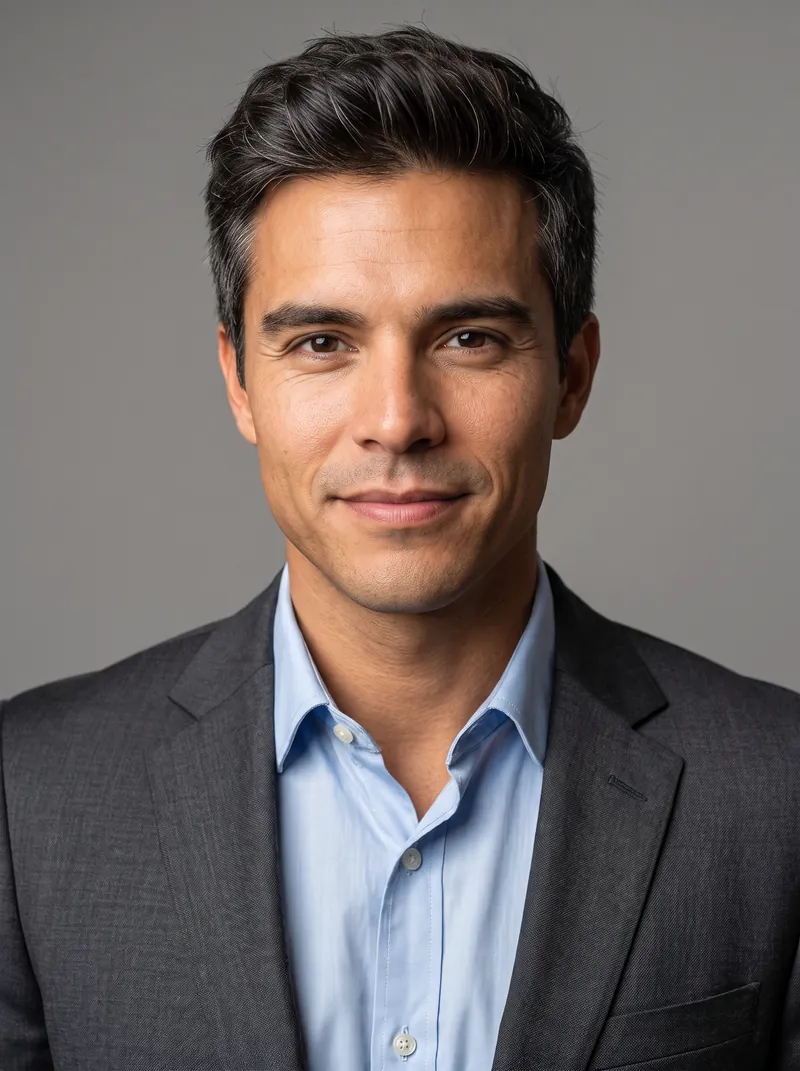
The 2026 BWF World Tour has reached a pivotal juncture as the grueling Southeast Asian and Oceania swings conclude. With the dust settling from back-to-back high-stakes tournaments in Jakarta and Sydney, the "Race to Finals" standings have undergone a dramatic reshuffle, setting the stage for a thrilling second half of the season.[1]
The Race to Finals—a cumulative points leaderboard tracking performance exclusively within the current calendar year—determines the elite eight players and pairs who will qualify for December's lucrative World Tour Finals in Hangzhou, China. Unlike the rolling 52-week world rankings, the Race heavily rewards immediate form and consistency.[1][6]
Nowhere is this volatility more apparent than in the men's singles division. A wave of fearless young talent has crashed the top tier of the standings, displacing several seasoned veterans who usually dominate the qualification spots by the mid-June mark.[3]
Indonesia's 21-year-old Alwi Farhan has been the primary beneficiary of this mid-season chaos. Fresh off a commanding 21-13, 21-13 victory over Dong Tianyao at the Super 500 Australian Open on June 14, Farhan has vaulted into the upper echelon of the Race standings.[2]
Farhan's triumph in Sydney marked his second title of the year, adding to his Indonesian Masters crown from January. He now sits just behind India's Lakshya Sen in the overall Race to Finals leaderboard, boasting over 42,000 points and firmly establishing himself as a frontrunner for the Hangzhou finale.[1][3]
But Farhan isn't the only breakout star rewriting the standings. Just a week prior at the Super 1000 Indonesia Open, Victor Lai delivered the upset of the season by defeating hometown favorite Jonatan Christie to claim the prestigious men's singles title.[2]
Lai's historic victory in Jakarta earned him a massive 12,000 ranking points in a single swoop. For players hovering on the qualification bubble, a Super 1000 win is often the mathematical difference between securing a ticket to the World Tour Finals and watching from home.[1][2]
While the men's circuit has been defined by unpredictability, the women's singles race remains a clash of established titans. The fierce rivalry between reigning Olympic champion An Se Young and three-time world champion Akane Yamaguchi continues to dictate the top of the leaderboard.[2]
An Se Young successfully defended her Indonesia Open title on June 7, outlasting Yamaguchi in a grueling 23-21, 21-12 final to secure her ninth Super 1000 crown. The victory solidified An's position at the absolute pinnacle of the women's standings.[2]
However, Yamaguchi quickly exacted a measure of revenge on the tour, capturing the Australian Open title just days later. Her victory in Sydney marked her second crown in four consecutive finals appearances, ensuring the Japanese star remains neck-and-neck with An in the cumulative points race.[2]
As the tour pivots to the Super 300 Macau Open starting June 16, the strategic calculus for players begins to shift. With many top European players returning home to rest before the upcoming American leg, the Macau draw offers a crucial opportunity for mid-ranked players to harvest valuable points.[4]
For pairs like China's world No. 2 mixed doubles team Jiang Zhen Bang and Wei Ya Xin, who are resuming their partnership in Macau after a three-month hiatus, the pressure is on to quickly accumulate Race points to avoid slipping down the standings.[5]
The duality of the BWF ranking systems means fans often see a disconnect between a player's perceived status and their actual qualification chances. A top-five player in the 52-week world rankings can easily find themselves outside the top eight in the Race to Finals if they miss key events or suffer unexpected early exits.[6]
With the lucrative $3 million prize pool of the World Tour Finals looming in December, every match from Macau to Calgary carries compounding weight. The established stars must now fend off a fearless new generation eager to claim their spots on badminton's most exclusive stage.[3]
Key points
- The BWF "Race to Finals" standings have seen significant movement following the Indonesia and Australian Opens.
- Young stars like Alwi Farhan and Victor Lai have surged into the top tier of the men's singles rankings.
- An Se Young and Akane Yamaguchi continue their dominant rivalry atop the women's singles leaderboard.
- Only the top eight players in the cumulative yearly standings qualify for the lucrative World Tour Finals in December.
How we got here
January 2026
The 2026 BWF World Tour season begins, resetting the Race to Finals leaderboard to zero.
June 7, 2026
Victor Lai and An Se Young capture the Super 1000 Indonesia Open titles, securing massive points hauls.
June 14, 2026
Alwi Farhan and Akane Yamaguchi win the Super 500 Australian Open, further shaking up the standings.
December 2026
The top eight players in the final standings will compete at the World Tour Finals in Hangzhou, China.
- Rising Challengers
- Younger players leveraging momentum to climb the cumulative leaderboard.
- Established Veterans
- Top-ranked players focusing on peaking for the highest-tier events.
- Tour Strategists
- Coaches and analysts navigating the mathematics of the ranking systems.
Perspectives this story doesn't cover
- Tournament Organizers
- Local Fanbases
Sources
Source coverage
6 outlets
3 viewpoints surfaced





- [1]BWF World TourTour Strategists
Rankings | 2026 TOURNAMENTS - HSBC Race to Finals
Read on BWF World Tour → - [2]Olympics.comEstablished Veterans
BWF Australian Badminton Open 2026: Alwi Farhan and Yamaguchi Akane top podiums in Sydney
Read on Olympics.com → - [3]BolasportRising Challengers
Ranking Race to Finals 2026 - Alwi Farhan Teratas Pimpin Indonesia
Read on Bolasport → - [4]Badminton EuropeTour Strategists
Macau Open, next stop on the World Tour
Read on Badminton Europe → - [5]BWF World Tour NewsTour Strategists
Macau Open: Jiang, Wei Resume Partnership
Read on BWF World Tour News → - [6]WikipediaTour Strategists
BWF World Ranking
Read on Wikipedia →
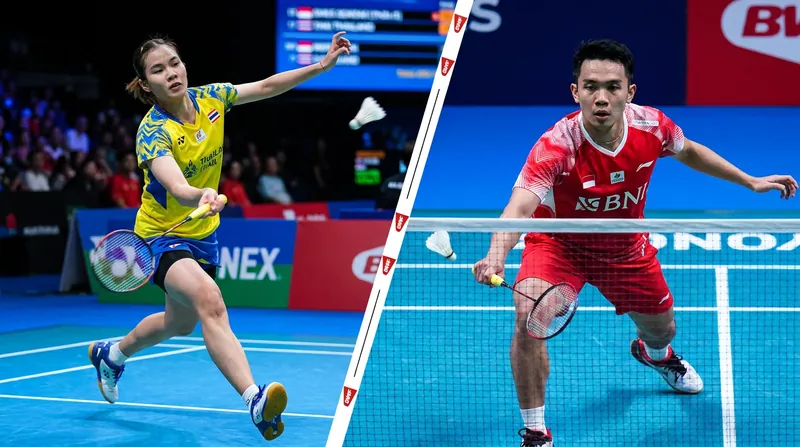
More in Sports
See all →BWF World Tour
Top Seeds Feng Yan Zhe and Huang Dong Ping Advance at Japan Open, Defeating India's Kapoor and Shivani
4 sources
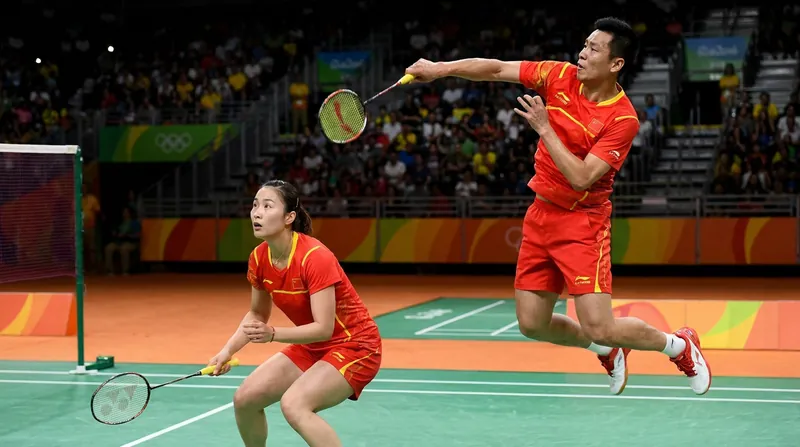
Injury
Satwiksairaj Rankireddy and Chirag Shetty Return from Injury to Lead India at Japan Open
3 sources
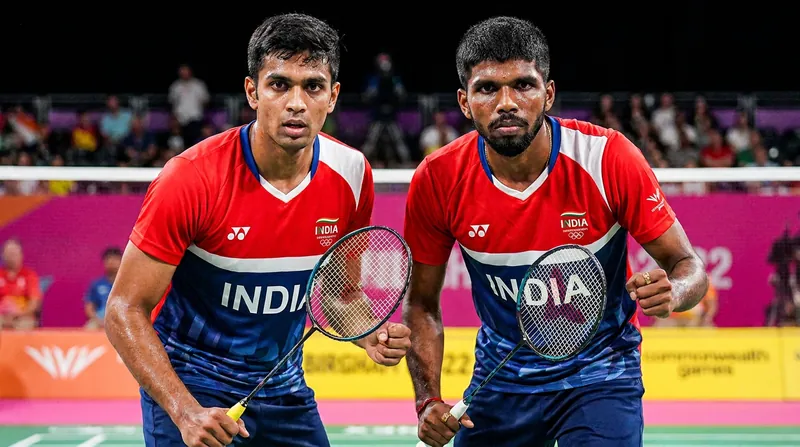
Standings
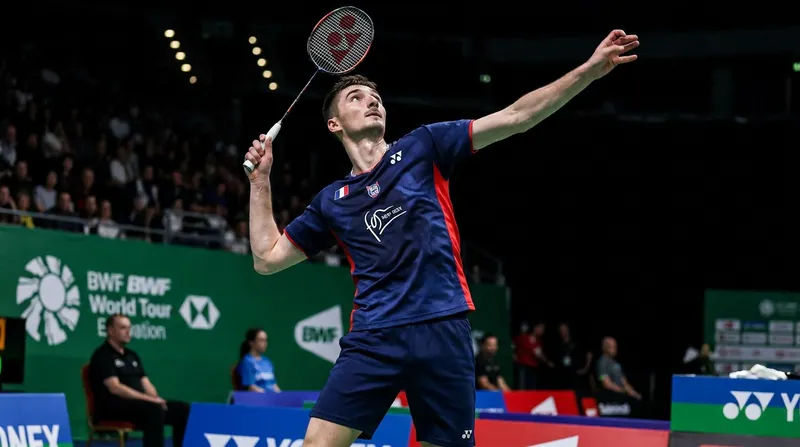
French Trio Surges in BWF Standings as Christo Popov Cracks Top 5 Ahead of Japan Open
5 sources
Standings
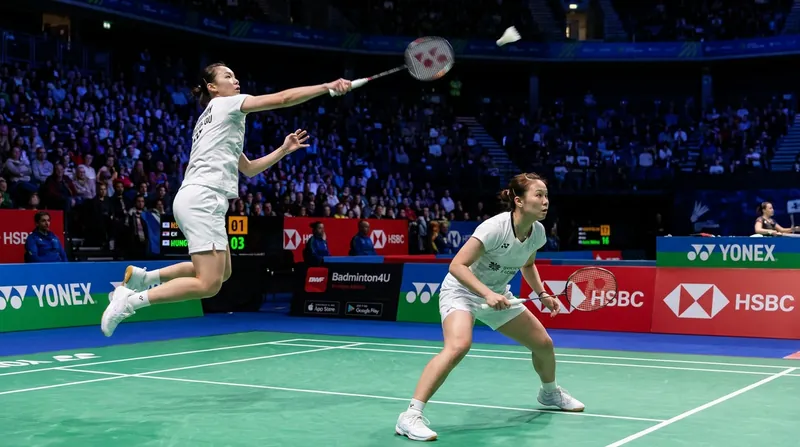
Hsieh Pei-shan and Hung En-tzu Surge Into Top 5 of BWF Race to Finals Standings
6 sources
Comments
Every angle. Every day.
Get Sports stories with full source coverage and perspective breakdowns, free every day.