
Sleep and Exercise Can Reprogram Mutant Blood Cells to Prevent Heart Disease, Study Finds
A landmark Nature study reveals that healthy lifestyle habits can selectively turn off the inflammatory programming of pre-cancerous mutant cells, mitigating genetic cardiovascular risk.
By Factlen Editorial Team
- Cardiovascular Researchers
- Focus on the precise neuroimmune pathways that connect behavior to cellular reprogramming.
- Public Health Advocates
- Emphasize the clinical application of using lifestyle as a targeted therapy for genetic risk.
- Evidence Analysts
- Highlight the limitations of translating murine mechanistic data to human clinical outcomes.
What's not represented
- · Patients living with DNMT3A mutations
- · Pharmacologists developing CH-targeted drugs
Why this matters
This discovery proves that genetic mutations are not always biological destiny. By showing that daily habits can literally reprogram mutant cells to behave healthily, it offers a powerful, actionable way for aging populations to protect their hearts.
Key points
- Clonal hematopoiesis (CH) is an age-related condition where mutant white blood cells drive inflammation and heart disease.
- A new study reveals that sufficient sleep and exercise can selectively turn off the harmful programming of these mutant cells.
- The lifestyle interventions successfully mitigated cardiovascular risk for Jak2 and Tet2 mutations, but not for Dnmt3a.
- Exercise works by activating brain neurons that release noradrenaline, which directly signals the mutant cells to stop causing inflammation.
For decades, the medical consensus has treated genetic mutations as irreversible biological destiny. Once a cell's DNA is altered, its resulting behavior was thought to be locked in. However, a landmark study published in Nature fundamentally challenges this assumption, presenting robust evidence that daily habits like sleep and exercise can literally reprogram mutant, pre-cancerous blood cells to behave like healthy ones.[1][6]
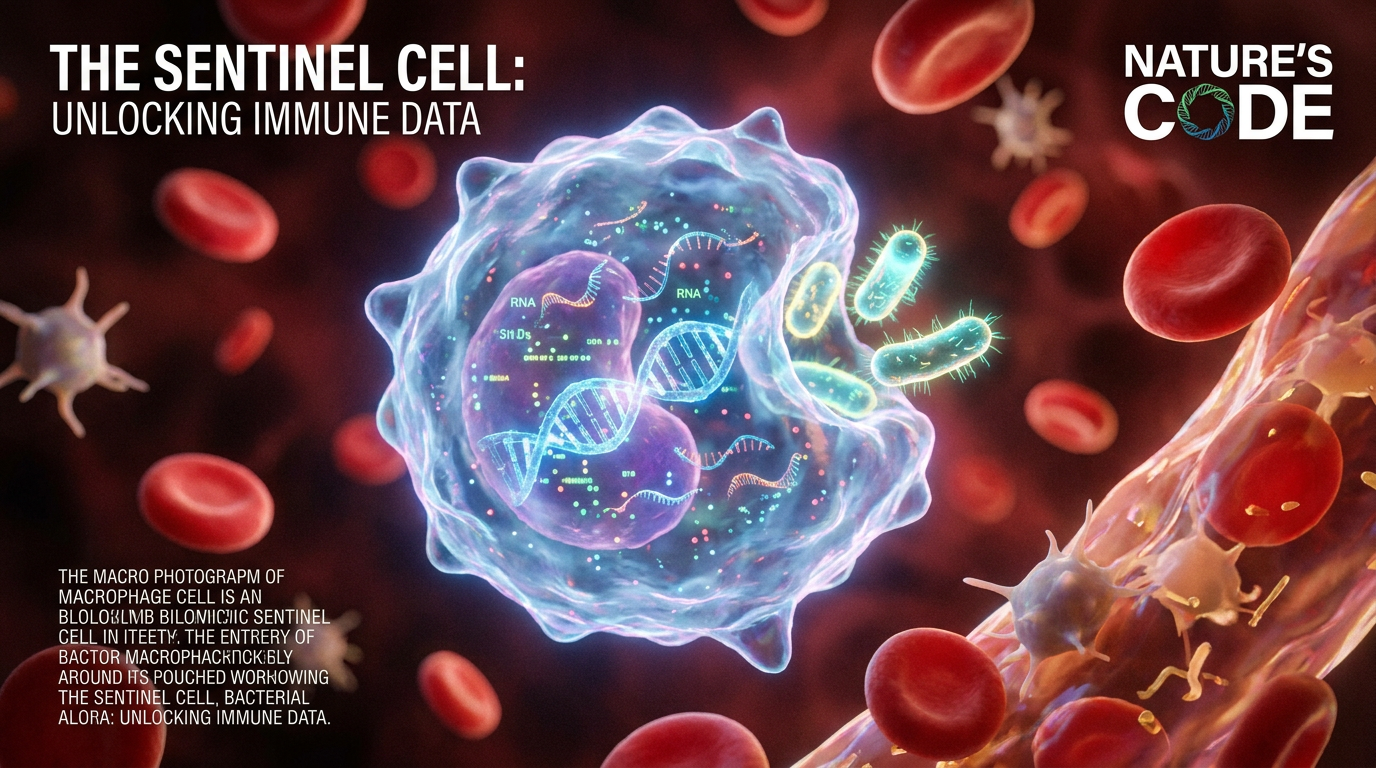
The research investigates clonal hematopoiesis (CH), an age-related phenomenon where hematopoietic stem cells in the bone marrow acquire spontaneous somatic mutations. These mutated cells multiply rapidly, creating clones that produce hyper-inflammatory white blood cells, specifically macrophages and monocytes.[1][2][4]
The epidemiological evidence shows that clonal hematopoiesis is remarkably common, affecting approximately 25 percent of individuals over the age of 70 and half of those over 80. While not a full-blown cancer, CH acts as a massive accelerant for cardiovascular disease, driving the formation of atherosclerotic plaques and increasing the risk of fatal strokes and heart attacks by 30 to 40 percent.[2][3][4]

The core claim of the new research, led by scientists at the Icahn School of Medicine at Mount Sinai, is that the pathogenic programming of these mutant cells is highly malleable. To support this, researchers analyzed human data from nearly 83,000 participants in the UK Biobank and over 8,000 from the NIH's All of Us dataset, finding a striking inverse correlation between moderate-to-vigorous physical activity and the prevalence of CH clones.[2][5]
However, the human data revealed a crucial boundary to this claim: the protective effect of lifestyle is strictly mutation-dependent. The epidemiological cohorts demonstrated that exercise was associated with a lower prevalence of CH driven by specific mutations, but it offered no apparent protection against clones driven by the DNMT3A mutation.[1][5]
To move from correlation to causation, the researchers engineered atherogenic mice with four distinct CH mutations: Jak2, Tet2, Trp53, and Dnmt3a. The mice were fed a high-cholesterol diet to induce heart disease, with some given access to running wheels and others subjected to a sweeping bar that disrupted their sleep every few minutes.[1][3][5]
The experimental evidence in the murine models confirmed the human observations. In mice harboring Jak2 or Tet2 mutations, both uninterrupted sleep and consistent exercise effectively curtailed the expansion of the mutant clones and significantly reduced the size of atherosclerotic lesions. Conversely, the lifestyle interventions failed to halt disease progression in mice with the Dnmt3a mutation.[1][5]
The experimental evidence in the murine models confirmed the human observations.
The study provides a granular, molecular map of exactly how these behavioral cues alter cellular function, mapping the mechanism of sleep to the suppression of inflammatory pathways. Uninterrupted sleep was shown to blunt CLEC4E-dependent inflammasome activation specifically in Jak2 mutant macrophages, preventing them from releasing the inflammatory proteins that build arterial plaque.[1][4]

The evidence for the exercise mechanism points to a complex neuroimmune axis. Physical activity activates PAC1+ neurons in the brain's locus coeruleus, which in turn raises peripheral levels of noradrenaline. This neurotransmitter signals through the ADRB2 receptor on the surface of the mutant macrophages, selectively repressing their inflammatory programming.[1][4][6]
Crucially, the data shows that these lifestyle interventions did not alter the behavior of cohabitant wild-type, or healthy, cells. The sleep and exercise signals selectively targeted the mutant cells, effectively turning off their detrimental effects and forcing them to operate as if they had never mutated.[1][2][4][5]
Despite the robust findings, transparent uncertainties remain regarding the translation of this data. The most significant limitation is the reliance on murine models for the mechanistic proof. While the human epidemiological data strongly correlates with the mouse findings, proving that the exact locus coeruleus-to-macrophage signaling pathway operates identically in humans will require extensive clinical trials.[3][6]
Furthermore, the non-responsiveness of the Dnmt3a mutation presents a significant clinical challenge. Because DNMT3A mutations are among the most common drivers of clonal hematopoiesis in humans, a sizable portion of the aging population may not receive the same cardiovascular protection from exercise and sleep as those with Jak2 or Tet2 variants.[3][6]

If validated in human trials, these findings open the door to a new era of precision lifestyle medicine. Genetic screening for specific CH mutations could allow physicians to prescribe highly targeted behavioral interventions, knowing exactly which patients will benefit most from rigorous sleep hygiene or specific exercise regimens.[5][6]
Additionally, mapping these neuroimmune pathways provides novel targets for pharmacological intervention. If researchers can develop drugs that safely mimic the ADRB2 signaling induced by exercise, or the CLEC4E suppression induced by sleep, they could potentially offer the cardiovascular benefits of these habits to patients who are unable to exercise or achieve restorative sleep.[1][6]
Ultimately, the evidence presented by this research fundamentally rewrites our understanding of host-environment interactions. It proves that our daily habits possess a profound molecular specificity, capable of reaching into the bone marrow to selectively rein in pathogenic, pre-cancerous cells and steer the immune system back toward health.[2][5]
How we got here
2017
Researchers establish a definitive link between clonal hematopoiesis (CH) and a significantly increased risk of atherosclerotic cardiovascular disease.
2020s
Epidemiological data begins to show that lifestyle factors influence cardiovascular outcomes, but the cellular mechanisms regarding mutant clones remain unknown.
June 2026
Mount Sinai researchers publish a landmark Nature paper proving that sleep and exercise can selectively reprogram specific CH mutant cells.
Viewpoints in depth
Molecular Biologists
Focus on the precise neuroimmune pathways that connect behavior to cellular reprogramming.
For researchers focused on cellular mechanisms, the breakthrough is the discovery of the PAC1+ neuron to ADRB2 receptor pathway. This proves that lifestyle doesn't just create a generalized 'healthy environment,' but rather triggers highly specific signaling cascades that can selectively target and alter the transcription of mutant cells without affecting healthy neighboring cells.
Preventative Cardiologists
Emphasize the clinical application of using lifestyle as a targeted therapy for genetic risk.
Cardiovascular specialists view these findings as a paradigm shift in preventative care. Instead of treating atherosclerosis solely with lipid-lowering drugs, physicians could use genetic screening to identify patients with Jak2 or Tet2 mutations and prescribe strict sleep and exercise regimens as primary, mutation-specific medical interventions to halt plaque formation before it starts.
Evidence Analysts
Highlight the limitations of translating murine mechanistic data to human clinical outcomes.
While praising the study's depth, analysts point out the translational gap. The human data is purely epidemiological, proving correlation but not causation. The precise 'reprogramming' mechanism was only observed in genetically engineered mice subjected to forced exercise and artificial sleep disruption. Proving this exact molecular switch operates identically in humans will require complex, long-term clinical trials.
What we don't know
- Whether the exact neuroimmune signaling pathways observed in mice operate identically in humans.
- Why the common Dnmt3a mutation is completely unresponsive to the anti-inflammatory effects of sleep and exercise.
- If pharmacological drugs can be developed to safely mimic the ADRB2 signaling induced by exercise in patients unable to work out.
Key terms
- Clonal hematopoiesis (CH)
- A condition where a single mutated stem cell in the bone marrow multiplies to create a large population of identical, often inflammatory, blood cells.
- Macrophage
- A type of white blood cell that engulfs and digests cellular debris and pathogens, but can also drive inflammation and arterial plaque buildup when mutated.
- Atherosclerosis
- The buildup of fats, cholesterol, and inflammatory cells in and on the artery walls, which can restrict blood flow and cause heart attacks.
- Somatic mutation
- A genetic alteration acquired by a cell that can be passed to the progeny of the mutated cell in the course of cell division, but is not inherited from parents.
- Locus coeruleus
- A nucleus in the brainstem involved with physiological responses to stress and panic, identified in this study as a key relay for exercise-induced immune signaling.
Frequently asked
What is clonal hematopoiesis (CH)?
It is an age-related condition where blood-forming stem cells acquire genetic mutations and multiply rapidly, producing inflammatory white blood cells that increase the risk of heart disease.
How does exercise affect these mutant cells?
Exercise activates specific neurons in the brain that release noradrenaline, which signals the mutant immune cells to turn off their inflammatory programming.
Does sleep and exercise fix all CH mutations?
No. The study found that lifestyle interventions successfully suppressed the harmful effects of Jak2 and Tet2 mutations, but had no effect on the common Dnmt3a mutation.
Can these mutant cells be completely cured?
The mutations themselves are not erased from the DNA, but healthy habits can 'reprogram' the cells to behave as if they were healthy, mitigating the disease risk.
Sources
Source coverage
6 outlets
3 viewpoints surfaced






[1]NatureCardiovascular Researchers
Mutation-dependent responses to sleep and exercise in clonal haematopoiesis
Read on Nature →[2]Mount SinaiCardiovascular Researchers
Healthy Sleep and Regular Exercise Can Mitigate the Genetic Cardiovascular Risk of Mutant White Blood Cells
Read on Mount Sinai →[3]Science NewsCardiovascular Researchers
Sleep and exercise may dampen genetic drivers of heart disease
Read on Science News →[4]Respiratory TherapyPublic Health Advocates
Sleep, Exercise Mitigate Cardiovascular Risk From Blood Mutations
Read on Respiratory Therapy →[5]Bioengineer.orgPublic Health Advocates
Mutation-Driven Sleep and Exercise Responses Explored
Read on Bioengineer.org →[6]Factlen Editorial TeamEvidence Analysts
Synthesis by Factlen editorial team
Read on Factlen Editorial Team →

More in science
See all 43 stories →Carbon Budget
Global Carbon Budget for 1.5°C Will Be Exhausted in Three Years, Major Climate Assessment Warns
7 sources

Longevity Science
How Sleep and Exercise Reprogram Aging Blood Cells to Prevent Heart Disease
4 sources

Cellular Aging
Sleep and Exercise Can Reprogram Mutant Blood Cells to Prevent Heart Disease
7 sources

Quantum Computing
Microsoft and Quantinuum Achieve 800-Fold Reduction in Quantum Error Rates
6 sources
Every angle. Every day.
Get science stories with full source coverage and perspective breakdowns delivered to your inbox.