
How 'Psychobiotics' and Gut Bacteria Are Reshaping Mental Health Treatment
Emerging research reveals that specific dietary fibers and fermented foods actively produce mood-regulating molecules in the gut, offering a powerful new adjunct for mental health.
By Factlen Editorial Team
- Microbiome Researchers
- Focus on the biological mechanisms of gut-brain signaling and short-chain fatty acid production.
- Nutritional Psychiatrists
- Focus on utilizing diet and targeted probiotics as clinical adjuncts for treating mood disorders.
- Integrative Health Analysts
- Focus on translating complex microbiome science into actionable, daily lifestyle interventions.
What's not represented
- · Gastroenterologists treating severe functional gut disorders
- · Patients with severe clinical depression unresponsive to dietary changes
Why this matters
Understanding the gut-brain connection empowers individuals to actively support their cognitive resilience and emotional well-being through accessible, daily dietary choices.
Key points
- The gut-brain axis is a bidirectional communication network linking the digestive tract and the central nervous system.
- Gut bacteria ferment dietary fiber into short-chain fatty acids (SCFAs), which reduce neuroinflammation and stimulate brain-derived neurotrophic factor.
- A landmark Stanford study found that a diet high in fermented foods rapidly increases microbiome diversity and lowers inflammatory proteins.
- Recent clinical reviews confirm that targeted probiotic interventions offer consistent, moderate benefits for alleviating symptoms of major depressive disorder.
Mental health is traditionally viewed through the lens of brain chemistry and psychological trauma. But a paradigm shift in neuroscience is moving the focus downward—to the trillions of microbes residing in the human digestive tract.[6]
This emerging field centers on "psychobiotics," a term coined to describe live microorganisms, prebiotic fibers, and fermented foods that actively interact with the gut-brain axis to confer mental health benefits.[1]
The gut-brain axis is a bidirectional communication network that links the enteric nervous system of the gastrointestinal tract with the central nervous system. This connection relies on the vagus nerve, immune system pathways, and a constant stream of microbial metabolites.[4]
The most critical of these microbial messengers are short-chain fatty acids (SCFAs). When gut bacteria ferment indigestible dietary fiber, they produce SCFAs—primarily butyrate, acetate, and propionate—which account for the vast majority of metabolic signaling molecules in the colon.[4]

These fatty acids are far more than local digestive aids. SCFAs strengthen the intestinal barrier, preventing inflammatory compounds from leaking into the bloodstream, and can even cross the blood-brain barrier to directly influence neuroinflammation and gene expression.[4]
Crucially, SCFAs stimulate the production of brain-derived neurotrophic factor (BDNF). Often described as fertilizer for the brain, BDNF is a protein that promotes the growth of new neurons and enhances synaptic plasticity, a process essential for emotional regulation and cognitive flexibility.[1][4]
This biological mechanism recasts dietary fiber from a simple digestive regulator into a vital neurological fuel. A diet deficient in diverse plant fibers effectively starves beneficial gut bacteria, leading to a drop in SCFA production and a subsequent rise in systemic inflammation.[6]
This biological mechanism recasts dietary fiber from a simple digestive regulator into a vital neurological fuel.
The clinical impact of feeding the microbiome was powerfully demonstrated in a landmark clinical trial conducted by Stanford Medicine researchers. The study tracked healthy adults who significantly increased their intake of fermented foods like kimchi, kefir, and kombucha.[2]
Over a 10-week period, the fermented food cohort experienced a rapid and reproducible increase in overall microbiome diversity. More importantly, blood tests revealed a marked decrease in 19 different inflammatory proteins.[2]

Among the suppressed proteins was interleukin-6, an inflammatory marker heavily implicated in chronic stress, rheumatoid arthritis, and the pathophysiology of major depressive disorder.[2][6]
Recent epidemiological studies are confirming these biological mechanisms in real-world populations. A 2025 study published in PNAS Nexus examined the gut microbiomes and dietary habits of a subclinical population of mothers.[3]
The researchers found that higher relative abundances of specific butyrate-producing bacteria, such as Lachnospira and Faecalibacterium, were significantly associated with lower scores for depressive mood and better overall sleep quality.[3]
A comprehensive umbrella review of clinical trials further supports the therapeutic potential of these interventions. The analysis concluded that targeted probiotic supplementation demonstrates consistent, albeit moderate, benefits in alleviating symptoms of major depressive disorder.[5]
The clinical data regarding anxiety is more nuanced, with effects varying widely based on the specific bacterial strains used. However, certain well-characterized strains of Lactobacillus and Bifidobacterium have shown promise in dampening the cortisol response to acute psychological stress.[1][5]
Despite the enthusiasm, researchers caution against viewing psychobiotics as a standalone cure for severe psychiatric conditions. They are currently best utilized as a complementary lifestyle intervention, as their efficacy is highly dependent on an individual's baseline microbiome, dosage, and intervention length.[1][6]

The findings highlight a hidden cost of the standard Western diet, which is typically high in saturated fats and heavily processed foods but severely lacking in fermentable fibers. This dietary pattern actively depletes SCFA-producing bacteria, potentially exacerbating the modern mental health crisis through chronic, low-grade neuroinflammation.[4][6]
As the science of the gut-brain axis matures, the age-old adage that "food is medicine" is gaining rigorous empirical backing. By intentionally cultivating a diverse microbiome through fiber and fermented foods, individuals have a tangible, daily opportunity to support their cognitive resilience from the bottom up.[6]
How we got here
2004
Early germ-free mice studies show that gut bacteria influence the development of the mammalian stress response.
2013
The term "psychobiotics" is coined to describe live organisms that confer mental health benefits.
2019
Major scientific reviews establish Short-Chain Fatty Acids (SCFAs) as the primary chemical messengers between the gut and brain.
2021
Stanford Medicine publishes a landmark trial showing fermented foods rapidly decrease systemic inflammation in healthy adults.
2025
Large-scale human studies link specific SCFA-producing bacteria to lower rates of depressive mood in subclinical populations.
Viewpoints in depth
Microbiome Researchers
Focus on the biological mechanisms of gut-brain signaling and short-chain fatty acid production.
Microbiome scientists view the gut as a highly modifiable endocrine organ. Their research focuses on the precise biochemical pathways through which specific bacterial strains ferment dietary fiber into short-chain fatty acids (SCFAs). They emphasize that these metabolites are capable of crossing the blood-brain barrier to actively reduce neuroinflammation and stimulate the production of brain-derived neurotrophic factor (BDNF), effectively altering brain structure and function from the bottom up.
Nutritional Psychiatrists
Focus on utilizing diet and targeted probiotics as clinical adjuncts for treating mood disorders.
Clinicians in this emerging field advocate for prescribing dietary interventions—specifically prebiotic fibers and fermented foods—as a low-risk, high-reward adjunct therapy. While they acknowledge that diet alone cannot cure severe psychiatric illness, they argue that optimizing the gut microbiome can significantly improve a patient's baseline resilience, dampen the physiological stress response, and potentially enhance the efficacy of traditional antidepressants and psychotherapy.
Public Health Advocates
Focus on the societal implications of the gut-brain connection and the impact of the Western diet.
Public health experts argue that the modern Western diet's severe lack of fermentable fiber is a systemic driver of the current mental health crisis. They point out that ultra-processed foods actively starve beneficial SCFA-producing bacteria, leading to chronic, low-grade inflammation across the population. This camp pushes for broader access to whole foods and widespread education on how dietary patterns directly influence cognitive resilience.
What we don't know
- The exact dosages and specific bacterial strains required to reliably treat clinical anxiety.
- How individual genetic differences influence the way the gut microbiome responds to dietary fiber.
- The long-term mental health impacts of maintaining a high-fermented food diet over multiple years.
Key terms
- Psychobiotics
- Probiotics, prebiotics, or fermented foods that confer mental health benefits by interacting with the gut-brain axis.
- Short-Chain Fatty Acids (SCFAs)
- Metabolites produced when gut bacteria ferment dietary fiber, crucial for reducing inflammation and signaling the brain.
- Gut-Brain Axis
- The bidirectional communication network linking the gastrointestinal tract and the central nervous system.
- Brain-Derived Neurotrophic Factor (BDNF)
- A protein stimulated by gut metabolites that promotes the survival and growth of neurons, essential for learning and mood regulation.
- Vagus Nerve
- The longest cranial nerve, acting as the primary physical "highway" for signals traveling between the gut and the brain.
Frequently asked
Can eating fermented foods replace my antidepressant medication?
No. Researchers emphasize that psychobiotics should be viewed as a complementary lifestyle intervention, not a replacement for prescribed psychiatric treatments.
How quickly can diet change the gut microbiome?
Clinical trials show that significant changes in microbiome diversity and reductions in inflammatory markers can occur in as little as 10 weeks of consistent dietary changes.
Do fiber supplements work as well as whole foods for gut health?
While supplements can help, whole foods provide a complex matrix of different fiber types and polyphenols that nourish a wider diversity of beneficial gut bacteria.
What are the best foods to increase short-chain fatty acids?
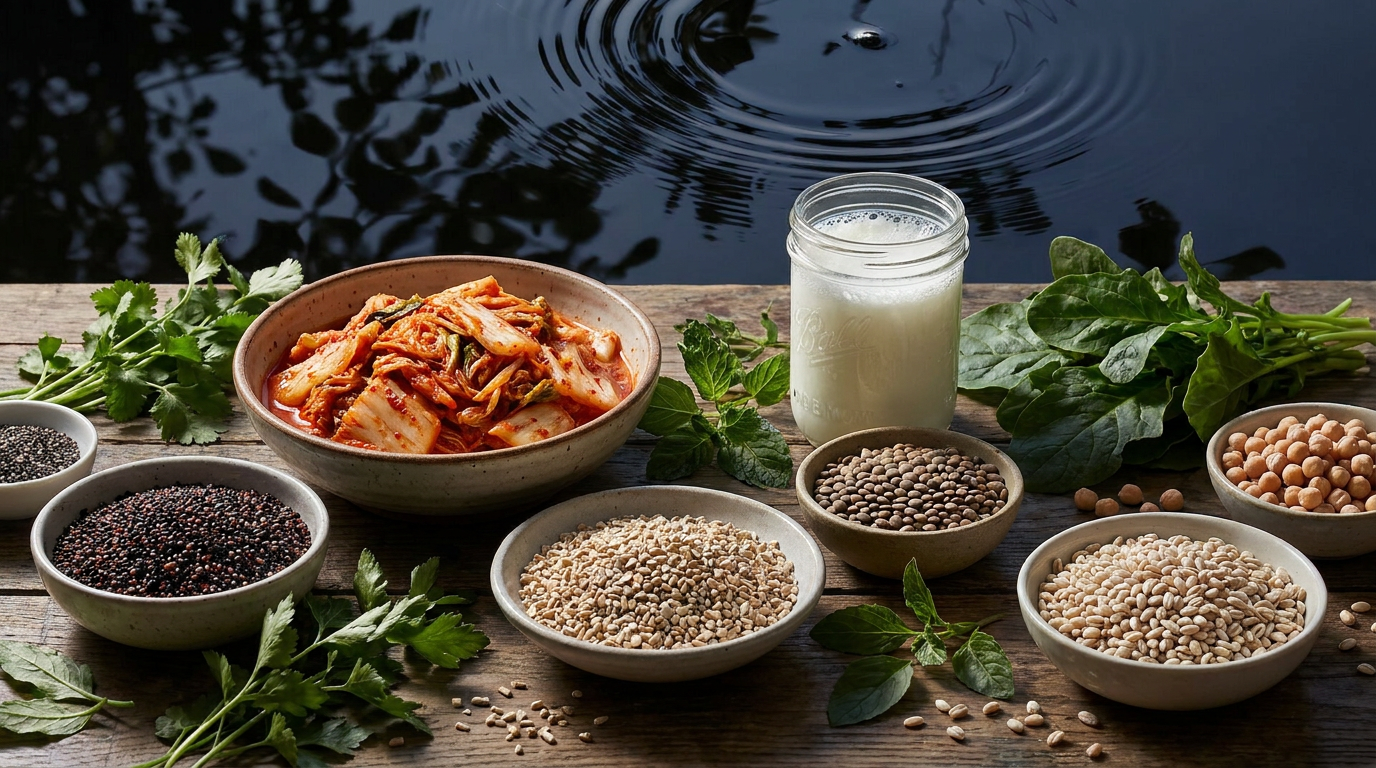
Foods rich in soluble fiber, such as oats, beans, lentils, apples, and flaxseeds, are the best fuel for the gut bacteria that produce short-chain fatty acids.
Sources
Source coverage
6 outlets
3 viewpoints surfaced






[1]Experimental PhysiologyNutritional Psychiatrists
Psychobiotics and the microbiota-gut-brain axis: Emerging paradigms in mental health modulation
Read on Experimental Physiology →[2]Stanford MedicineMicrobiome Researchers
Fermented-food diet increases microbiome diversity, decreases inflammatory proteins, study finds
Read on Stanford Medicine →[3]PNAS NexusNutritional Psychiatrists
Association of short-chain fatty acid–producing gut microbiota and dietary habits with maternal depression
Read on PNAS Nexus →[4]Nature Reviews Gastroenterology & HepatologyMicrobiome Researchers
The role of short-chain fatty acids in microbiota–gut–brain communication
Read on Nature Reviews Gastroenterology & Hepatology →[5]PubMed CentralNutritional Psychiatrists
“Attacking” the Gut–Brain Axis with Psychobiotics: An Umbrella Review of Depressive and Anxiety Symptoms
Read on PubMed Central →[6]Factlen Editorial TeamIntegrative Health Analysts
Synthesis by Factlen editorial team
Read on Factlen Editorial Team →


Every angle. Every day.
Get health stories with full source coverage and perspective breakdowns delivered to your inbox.