
U.S. and Iran Reach Historic Peace Agreement, Reopening Strait of Hormuz Amid $300 Billion Dispute
President Trump has finalized a landmark peace agreement with Iran that reopens the critical Strait of Hormuz to global shipping, concluding months of regional conflict. The deal faces intense domestic and international scrutiny over a $300 billion financial component and its long-term security implications.
By Factlen Editorial Team
- Pragmatic Stabilizers
- Argue that securing the Strait of Hormuz and preventing a wider war justifies the imperfect financial concessions.
- Security Hawks
- Argue that the massive financial release appeases a hostile state and funds future regional instability.
- Iranian Sovereignty Advocates
- Argue the deal rightfully ends punishing sanctions and restores Iran's access to its own national wealth.
What's not represented
- · Global Shipping Industry Executives
- · Iranian Civilian Opposition Groups
Why this matters
The reopening of the Strait of Hormuz immediately stabilizes global energy markets, lowering oil prices and shipping costs that drive inflation. However, the $300 billion financial concession fundamentally reshapes the Middle East's balance of power, directly impacting regional security and future diplomatic relations.
Key points
- The U.S. and Iran have signed a peace agreement ending recent hostilities.
- The deal immediately reopens the Strait of Hormuz to global shipping.
- Iran will receive access to $300 billion in structured financial relief and unfrozen assets.
- Global oil prices have stabilized following the restoration of the maritime chokepoint.
- Regional allies have expressed deep concern over the influx of capital to Tehran.
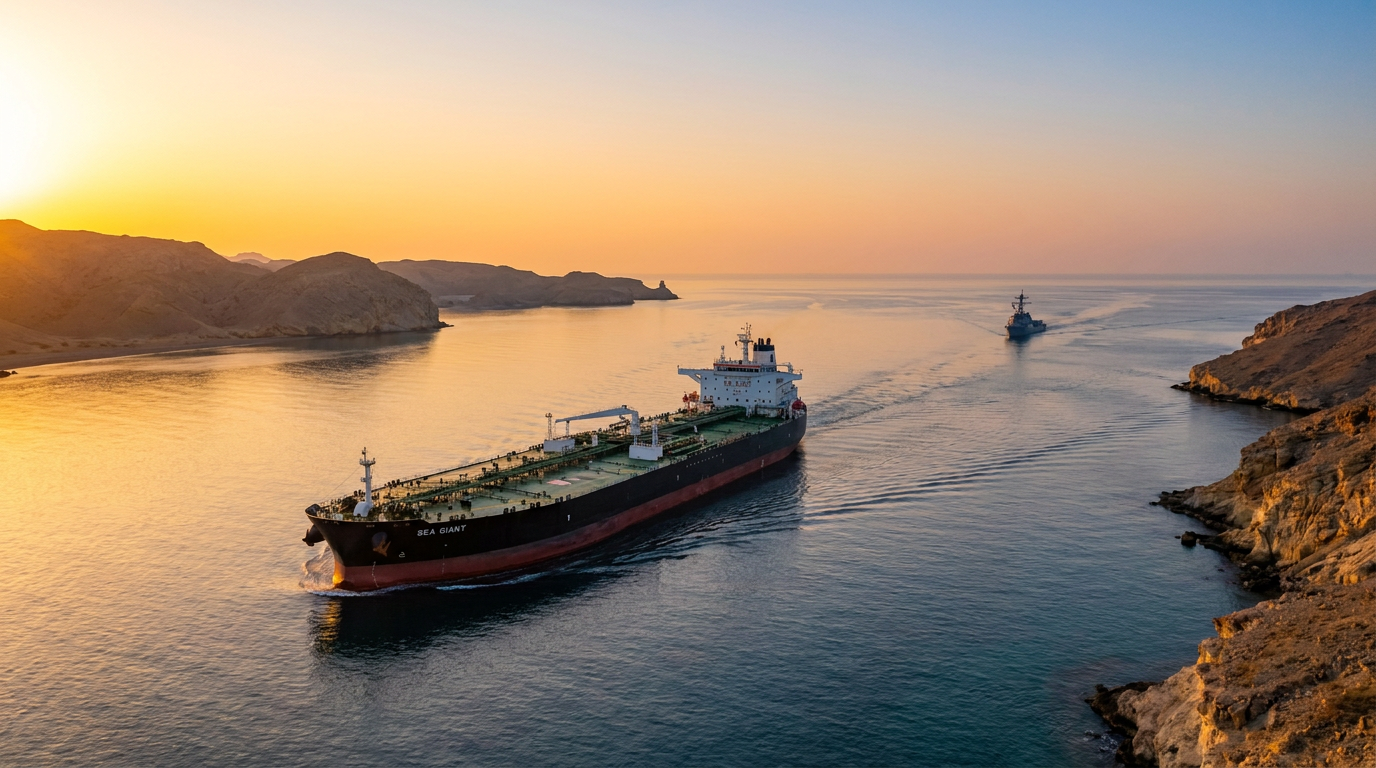
The United States and Iran have officially signed a sweeping peace agreement, bringing an end to a year of intense regional conflict and immediately reopening the Strait of Hormuz to global commercial shipping. President Donald Trump defended the landmark accord during a marathon press conference at the G7 summit, framing it as a necessary step to restore global economic stability and prevent a wider war. The reopening of the strait, a critical maritime chokepoint, marks a sudden de-escalation in a crisis that had severely disrupted international trade and global energy markets.[1][8]
The most contentious element of the agreement is a massive financial component, widely reported as a $300 billion concession to Tehran. During his press conference, President Trump engaged in a semantic debate over the nature of the funds, arguing that the money represents unfrozen Iranian assets and structured economic relief rather than a direct taxpayer payout. Despite the administration's framing, the sheer scale of the financial transfer has triggered immediate backlash from political opponents and regional allies who fear it will embolden Iran's regional ambitions and military capabilities.[1][6]
The immediate economic fallout from the deal has been overwhelmingly positive for global markets. The Strait of Hormuz facilitates the transit of roughly 20% of the world's oil supply, and its reopening has already caused crude prices to stabilize after months of extreme volatility. Financial analysts note that the resumption of safe passage will significantly lower shipping insurance premiums and alleviate supply chain bottlenecks that have contributed to persistent global inflation. In the UK, the resolution of the "Iran war" uncertainty is expected to further influence central bank decisions on interest rates and broader economic recovery.[3][4][6]

In the Middle East, the diplomatic breakthrough has been met with a complex mix of relief and profound anxiety. Israeli officials have expressed deep reservations about the agreement, warning that the $300 billion influx of capital will inevitably be funneled into Iran's proxy networks across Lebanon, Syria, and Gaza. The Trump administration has attempted to assuage these concerns, with the President dedicating a significant portion of his G7 address to reaffirming the United States' ironclad commitment to Israel's security and regional defense architecture.[1][7]
In the Middle East, the diplomatic breakthrough has been met with a complex mix of relief and profound anxiety.
Conversely, the mood in Tehran has been described as triumphant. Iranian state media and government officials are framing the accord as a historic diplomatic victory that successfully broke the back of Western sanctions without compromising the nation's core sovereignty. The unfreezing of assets is expected to provide a massive injection of capital into Iran's struggling domestic economy, potentially stabilizing the currency and easing widespread public discontent that has simmered over the past several years of economic isolation.[5]
Back in Washington, the agreement has ignited a fierce partisan battle. Critics argue that the deal represents a capitulation to Iranian pressure tactics and rewards hostile behavior in a vital international waterway. Late-night hosts and cultural commentators have already begun satirizing the sheer size of the financial concession, reflecting a broader public skepticism about the terms of the arrangement. However, some foreign policy analysts argue that the deal, while imperfect, was the only viable off-ramp to avoid a catastrophic, full-scale regional war that would have drawn in American forces.[1][2][6]
The mechanics of the $300 billion transfer remain complex and heavily structured. According to diplomatic sources, the funds will not be delivered as a lump sum but will instead be released in tranches, tied to strict, verifiable compliance metrics regarding maritime security and nuclear enrichment caps. International monitors will be tasked with ensuring that the Strait of Hormuz remains fully accessible to all commercial and military vessels, with immediate "snapback" sanctions triggered by any Iranian harassment of shipping or deviation from the agreed-upon protocols.[4][6][8]

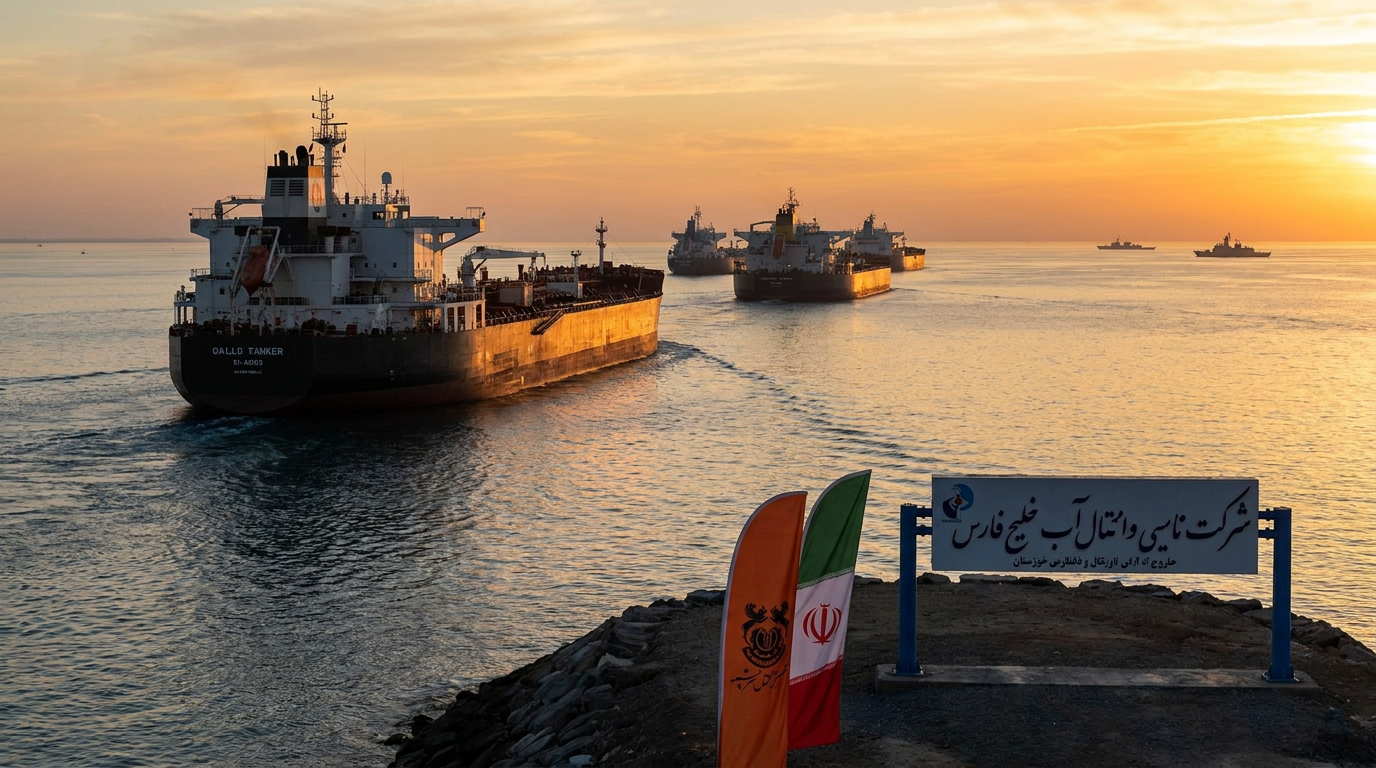
As the first oil tankers begin to navigate the newly secured Strait of Hormuz under international observation, the focus now shifts to implementation and enforcement. The coming weeks will test the durability of the ceasefire, as regional proxies adjust to the new diplomatic reality and the U.S. Congress prepares to heavily scrutinize the administration's financial mechanisms. Whether this accord serves as a permanent reset in U.S.-Iran relations or merely a temporary pause in a decades-long rivalry remains the central question for global policymakers moving forward.[2][6][7][8]
How we got here
Mid-2025
Tensions escalate in the Persian Gulf, leading to severe disruptions in the Strait of Hormuz.
Late 2025
A de facto blockade drastically impacts global oil supply chains and shipping costs.
Early 2026
Secret backchannel negotiations begin between U.S. and Iranian diplomats.
June 2026
President Trump announces the finalized peace agreement and financial unfreezing at the G7 summit.
Viewpoints in depth
U.S. Administration's View
The deal is a necessary pragmatic step to restore global economic stability and prevent a wider war.
The administration argues that reopening the Strait of Hormuz was paramount to preventing a global energy crisis. They frame the $300 billion not as a payout, but as the release of Iran's own frozen assets, heavily conditioned on strict behavioral compliance and maritime security guarantees.
Israeli and Regional Security View
The massive financial concession poses an existential threat by funding Iranian proxy networks.
Regional allies, particularly Israel, view the $300 billion capital injection as a dangerous miscalculation. They argue that regardless of the structured release, the funds will fungibly support militant groups across the Middle East, ultimately destabilizing the region further despite the temporary maritime peace.
Iranian Government's View
The agreement is a diplomatic triumph that rightfully ends illegal economic strangulation.
Tehran frames the deal as a victory of endurance against Western pressure. The unfreezing of assets is viewed as the rightful return of Iranian wealth, essential for domestic economic recovery, while maintaining their strategic posture in the Persian Gulf.
What we don't know
- The exact timeline and specific compliance triggers for the release of the $300 billion in tranches.
- How Iran will allocate the newly available funds between domestic economic recovery and regional proxy support.
- Whether the agreement includes unpublicized caps on Iran's nuclear enrichment program.
Key terms
- Strait of Hormuz
- A narrow, strategically critical waterway between the Persian Gulf and the Gulf of Oman through which roughly 20% of the world's oil passes.
- Unfrozen Assets
- Funds belonging to a country or entity that were previously blocked by international sanctions, now made accessible.
- Snapback Sanctions
- A mechanism where lifted economic sanctions are automatically reimposed if a party violates the terms of an agreement.
Frequently asked
Why is the Strait of Hormuz so important?
It is the world's most critical oil transit chokepoint; its closure severely disrupts global energy markets and drives up inflation.
Is the U.S. giving Iran $300 billion of taxpayer money?
No, the funds primarily consist of Iran's own overseas assets that were frozen under international sanctions, though the scale of the release is highly controversial.
How does this affect Israel?
Israeli officials are deeply concerned that the financial relief will allow Iran to increase funding to proxy groups like Hezbollah and Hamas, posing a direct security threat.
Sources
Source coverage
8 outlets
3 viewpoints surfaced








[1]Fox NewsSecurity Hawks
Trump defends war deal in marathon presser, using semantics on why Iran is getting $300 billion
Read on Fox News →[2]The New York TimesPragmatic Stabilizers
Trump’s Iran Deal Isn’t Perfect. It Doesn’t Need to Be.
Read on The New York Times →[3]The Guardian
UK unemployment rate falls to 4.9% and wages grow more than expected
Read on The Guardian →[4]ReutersPragmatic Stabilizers
Oil prices stabilize as U.S.-Iran pact reopens Strait of Hormuz to commercial transit
Read on Reuters →[5]Al JazeeraIranian Sovereignty Advocates
Tehran celebrates diplomatic victory as crippling sanctions lift under new US accord
Read on Al Jazeera →[6]The Wall Street JournalSecurity Hawks
Markets Rally on Hormuz Reopening, But $300 Billion Iran Payout Draws Congressional Ire
Read on The Wall Street Journal →[7]The Times of IsraelSecurity Hawks
Jerusalem expresses deep reservations over Washington's $300 billion concession to Tehran
Read on The Times of Israel →[8]BBC NewsPragmatic Stabilizers
Global shipping resumes through Hormuz as US and Iran sign comprehensive peace deal
Read on BBC News →

Every angle. Every day.
Get news politics stories with full source coverage and perspective breakdowns delivered to your inbox.