
Inside the 14-Point US-Iran Peace Agreement and the Reopening of the Strait of Hormuz
The United States and Iran have signed a 14-point agreement to end their 111-day conflict, reopening the critical Strait of Hormuz and triggering a drop in global oil prices. However, the deal's $300 billion financial component has sparked intense domestic and international debate over its long-term security implications.
By Factlen Editorial Team
- Global Energy Markets
- Focused primarily on the immediate relief to global supply chains and the stabilization of crude oil prices.
- US Administration
- Argues the deal successfully ended a crippling 111-day war and restored global energy flows without direct taxpayer cost.
- Security Skeptics
- Warns that the massive financial unfreezing lacks sufficient oversight and will inevitably fund future regional destabilization.
- Iranian Leadership
- Views the 14-point plan and the unfreezing of assets as a necessary economic concession by the West to secure regional transit.
What's not represented
- · Commercial Shipping Insurers
- · Neighboring Gulf States (UAE, Saudi Arabia)
Why this matters
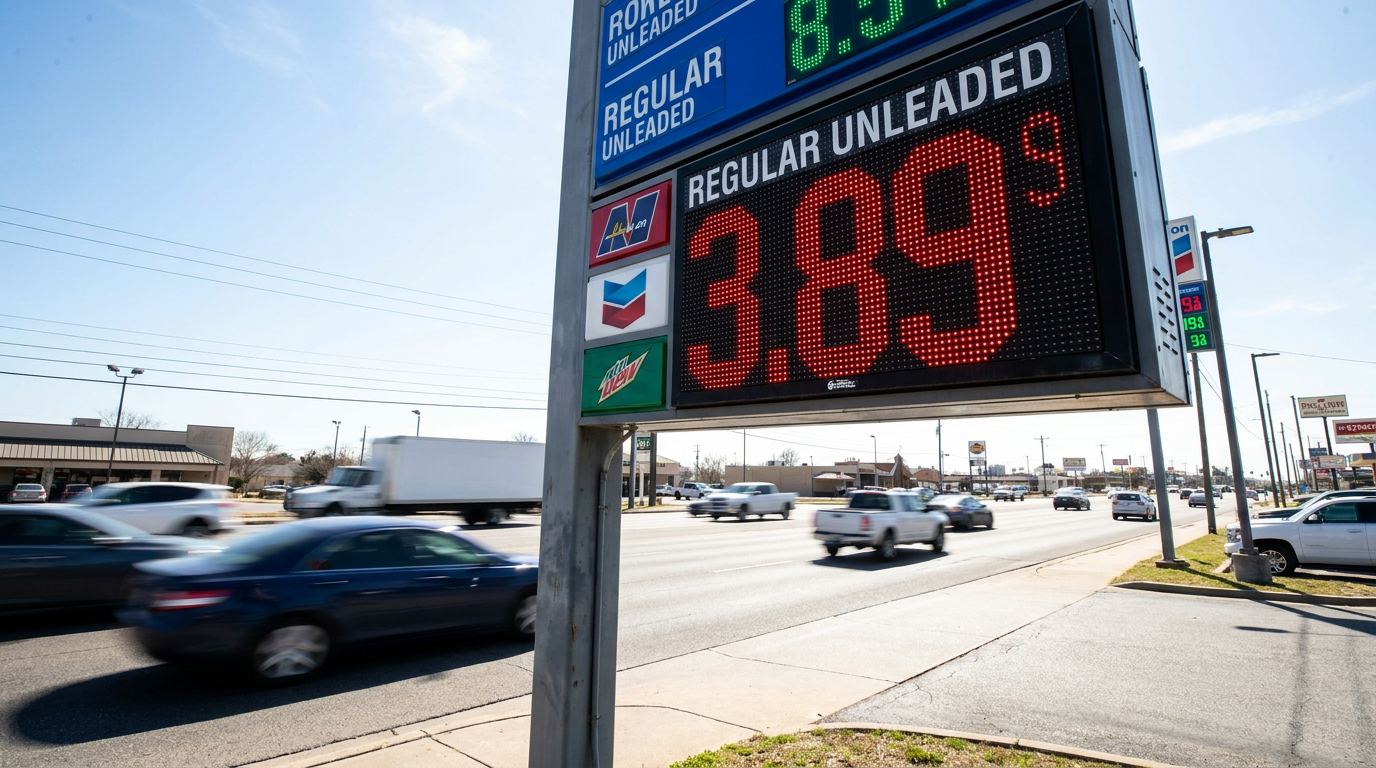
The reopening of the Strait of Hormuz immediately lowers global energy costs, bringing US gas prices below $4 a gallon. But the $300 billion financial arrangement reshapes Middle Eastern geopolitics, potentially funding future regional conflicts even as it secures short-term peace.
Key points
- The US and Iran have implemented a 14-point peace plan, ending a 111-day military standoff.
- The agreement immediately reopened the Strait of Hormuz, causing US gas prices to drop below $4 a gallon.
- A central pillar of the deal is a $300 billion financial arrangement involving unfrozen Iranian assets.
- Critics argue the funds are fungible and could be used to finance regional proxy groups.
- The funds are reportedly being held in third-party escrow accounts to ensure they are used only for approved imports.
The 111-day conflict between the United States and Iran has officially paused, with both nations initiating a comprehensive 14-point peace plan. The agreement, finalized this week, marks a sudden de-escalation in a war that had choked global shipping, spiked energy markets, and threatened to pull neighboring Gulf states into a broader regional conflagration.[2]
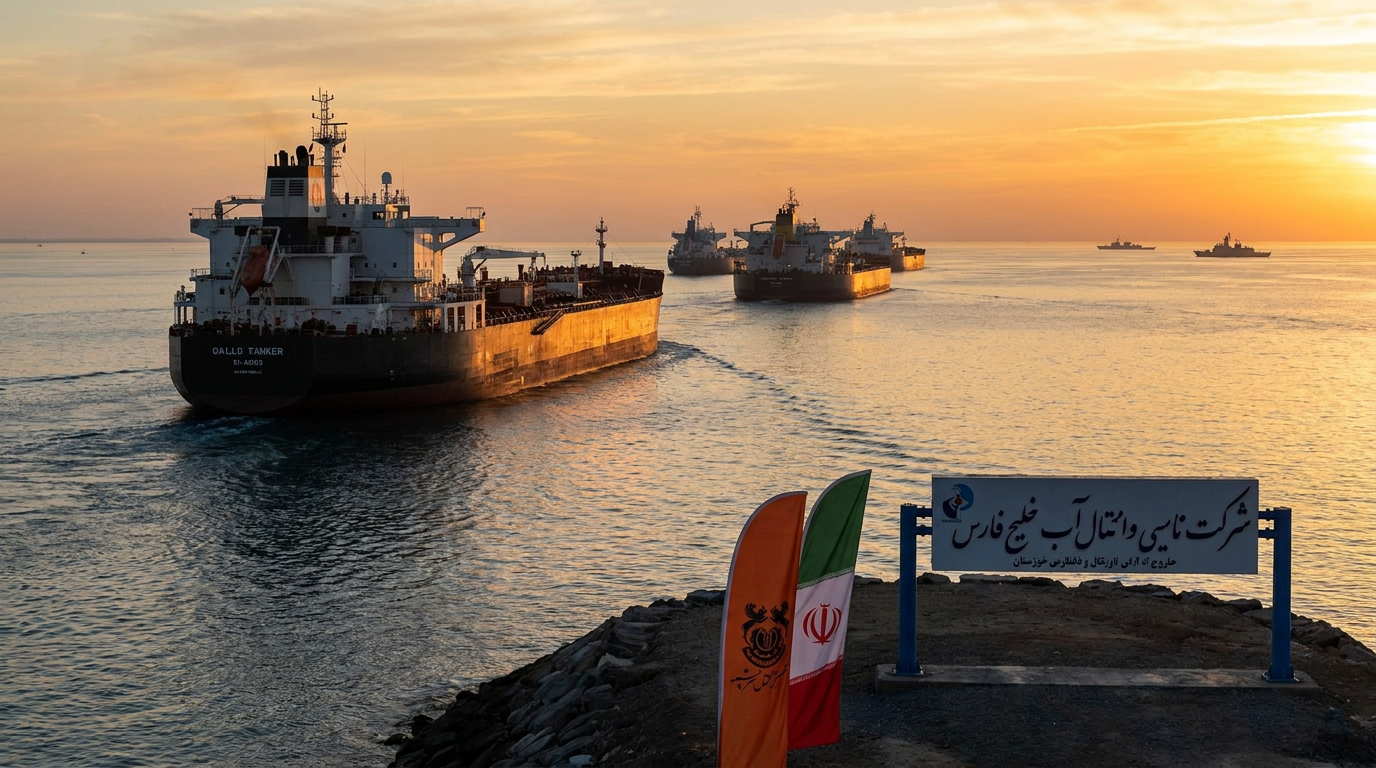
At the center of the immediate global relief is the reopening of the Strait of Hormuz. This narrow waterway between the Persian Gulf and the Gulf of Oman is the world's most important oil chokepoint, historically handling roughly a fifth of global petroleum liquids consumption. Its closure over the past three months had effectively severed a vital artery of the global economy.[1][5]
The economic mechanism of the reopening was instantaneous. Within hours of the agreement taking effect and naval blockades lifting, global crude benchmarks tumbled. In the United States, the average price of gasoline fell below $4 a gallon for the first time in months, offering immediate relief to consumers who had borne the brunt of the geopolitical standoff.[1]

European markets also reacted swiftly. In the UK, the Bank of England is closely monitoring the drop in oil prices, which could alter their inflation forecasts and interest rate decisions following a period of unexpected wage growth and economic strain exacerbated by the Middle East conflict.[4]
However, the diplomatic mechanism that secured this economic relief is proving highly controversial. The 14-point plan includes a massive financial component, widely reported as a $300 billion concession to Tehran. This figure has become the focal point of intense scrutiny from both security analysts and political opponents.[3][6]
The exact nature of this $300 billion is fiercely debated. During a marathon press conference at the G7 summit, President Trump defended the arrangement, engaging in what critics called "semantics" to explain the financial transfer. The administration argues these are largely unfrozen Iranian assets and structured credit facilities held in third-party nations, rather than direct US taxpayer payouts.[3][6]

The administration argues these are largely unfrozen Iranian assets and structured credit facilities held in third-party nations, rather than direct US taxpayer payouts.
Regardless of the accounting, the sheer scale of the capital injection has alarmed regional allies and domestic critics. Lawmakers in Washington have questioned whether the funds will be fungible. Even if technically earmarked for humanitarian or infrastructure use, critics argue that freeing up $300 billion allows Iran to redirect its domestic revenue to recapitalize its military or support proxy networks.[3][7]
Tehran, meanwhile, has issued its own warnings regarding the implementation of the 14-point plan. Iranian officials state that the deal is strictly contingent on the immediate lifting of specific banking sanctions and the uninterrupted flow of the promised funds. They have signaled that any delay in the financial unfreezing will be viewed as a breach of the agreement.[2]
The 14-point framework itself is a complex phased approach. Phase one, currently underway, involves the mutual stand-down of naval assets in the Gulf, the cessation of drone strikes, and the resumption of commercial transit under international observation.[2][5]
Phase two addresses the financial architecture. The $300 billion is reportedly held in escrow accounts in neutral third-party nations, such as Oman and Qatar. These funds are slated to be disbursed in tranches, theoretically tied to Iran's continued compliance with the demilitarization of the shipping lanes.[6]

Yet, evidence of strict enforcement mechanisms remains sparse. Skeptics point to the speed at which the deal was brokered, suggesting that the auditing protocols for the escrow accounts are vaguely defined. The uncertainty surrounding who exactly verifies the end-use of these funds is the primary vulnerability of the diplomatic pact.[6][7]
For the global energy market, the immediate crisis has passed, but the structural vulnerability remains exposed. Energy analysts note that the 111-day closure forced a rapid realignment of supply chains. While tankers are returning to the Strait, insurance premiums remain elevated, reflecting a lingering trust deficit in the region's stability.[5]
Ultimately, the success of the 14-point plan hinges on a fragile sequence of reciprocal actions. If the US faces domestic pressure to delay the financial unfreezing, or if Iran resumes even low-level harassment of commercial vessels, the agreement could collapse, plunging the region back into a conflict that the global economy can ill afford.[2][6]
How we got here
111 Days Ago
Conflict escalates, leading to the effective closure of the Strait of Hormuz to commercial shipping.
Last Week
Negotiators finalize the framework for the 14-point peace plan.
This Week
The agreement takes effect; naval blockades are lifted, and global oil prices plummet.
Thursday
President Trump defends the $300 billion financial component of the deal at the G7 summit.
Viewpoints in depth
The US Administration's View
Focuses on the immediate economic victory of restoring global trade without deploying ground troops.
The administration frames the 14-point plan as a masterclass in high-stakes negotiation. By leveraging frozen assets rather than new taxpayer money, they argue they have secured the reopening of the world's most vital energy artery without capitulating to Tehran's broader demands. Officials emphasize that the $300 billion is heavily restricted and monitored, viewing the drop in domestic gas prices as the ultimate vindication of their strategy.
Tehran's View
Frames the agreement as a successful pressure campaign that forced the West to release vital economic resources.
Iranian leadership portrays the 111-day standoff as a necessary demonstration of their control over the Strait of Hormuz. They view the $300 billion not as a concession from the US, but as the rightful return of their own sovereign wealth that had been illegally frozen. Tehran has made it clear that their continued compliance with the demilitarization of the shipping lanes is strictly tied to the frictionless transfer of these funds.
Security Skeptics' View
Warns that the massive influx of capital will inevitably destabilize the Middle East in the long term.
Defense analysts and bipartisan critics argue that the concept of 'restricted escrow' is a diplomatic fiction. Because money is fungible, they assert that allowing Iran to pay for infrastructure and humanitarian goods with the $300 billion frees up an equivalent amount of domestic revenue. Skeptics warn this newly available capital will be funneled directly into military modernization and the arming of proxy networks across the region, setting the stage for a more severe conflict in the future.
What we don't know
- Exactly how the international auditing mechanism will verify the end-use of the $300 billion.
- Whether commercial shipping insurers will lower premiums to pre-conflict levels given the lingering tensions.
- How neighboring Gulf states will adjust their own security postures in response to Iran's financial windfall.
Key terms
- Strait of Hormuz
- A narrow waterway between the Persian Gulf and the Gulf of Oman, serving as the world's most critical chokepoint for global oil shipments.
- Fungible Assets
- Funds or resources that can be easily interchanged; in this context, the fear that money earmarked for humanitarian use will free up other Iranian funds for military use.
- Escrow Account
- A financial arrangement where a third party holds and regulates payment of the funds required for two parties involved in a given transaction.
Frequently asked
What is the 14-point plan?
It is a phased diplomatic agreement between the US and Iran that ends their 111-day conflict, reopens the Strait of Hormuz, and establishes a framework for unfreezing Iranian financial assets.
Why did US gas prices drop?
The reopening of the Strait of Hormuz, which handles about 20% of the world's oil transit, immediately lowered global crude benchmarks and reduced shipping insurance costs.
Is the US giving Iran $300 billion in cash?
No. The $300 billion largely consists of previously frozen Iranian assets held in foreign banks, which are now being moved to escrow accounts in neutral countries for approved imports.
Sources
Source coverage
7 outlets
4 viewpoints surfaced







[1]NYTGlobal Energy Markets
Average U.S. Gasoline Price Falls Below $4 for First Time in Months
Read on NYT →[2]Al JazeeraIranian Leadership
Iran war day 111: Tehran warns US as 14-point plan takes effect
Read on Al Jazeera →[3]Fox NewsUS Administration
Trump defends war deal in marathon presser, using semantics on why Iran is getting $300 billion
Read on Fox News →[4]The GuardianGlobal Energy Markets
UK unemployment rate falls to 4.9% and wages grow more than expected
Read on The Guardian →[5]ReutersGlobal Energy Markets
Oil markets stabilize as Strait of Hormuz resumes full commercial transit
Read on Reuters →[6]Wall Street JournalSecurity Skeptics
Inside the $300 Billion Escrow: How the US-Iran 14-Point Plan Works
Read on Wall Street Journal →[7]PoliticoSecurity Skeptics
Bipartisan skepticism mounts over enforcement of Iran financial concessions
Read on Politico →
More in news politics
See all 7 stories →Russia-Ukraine War
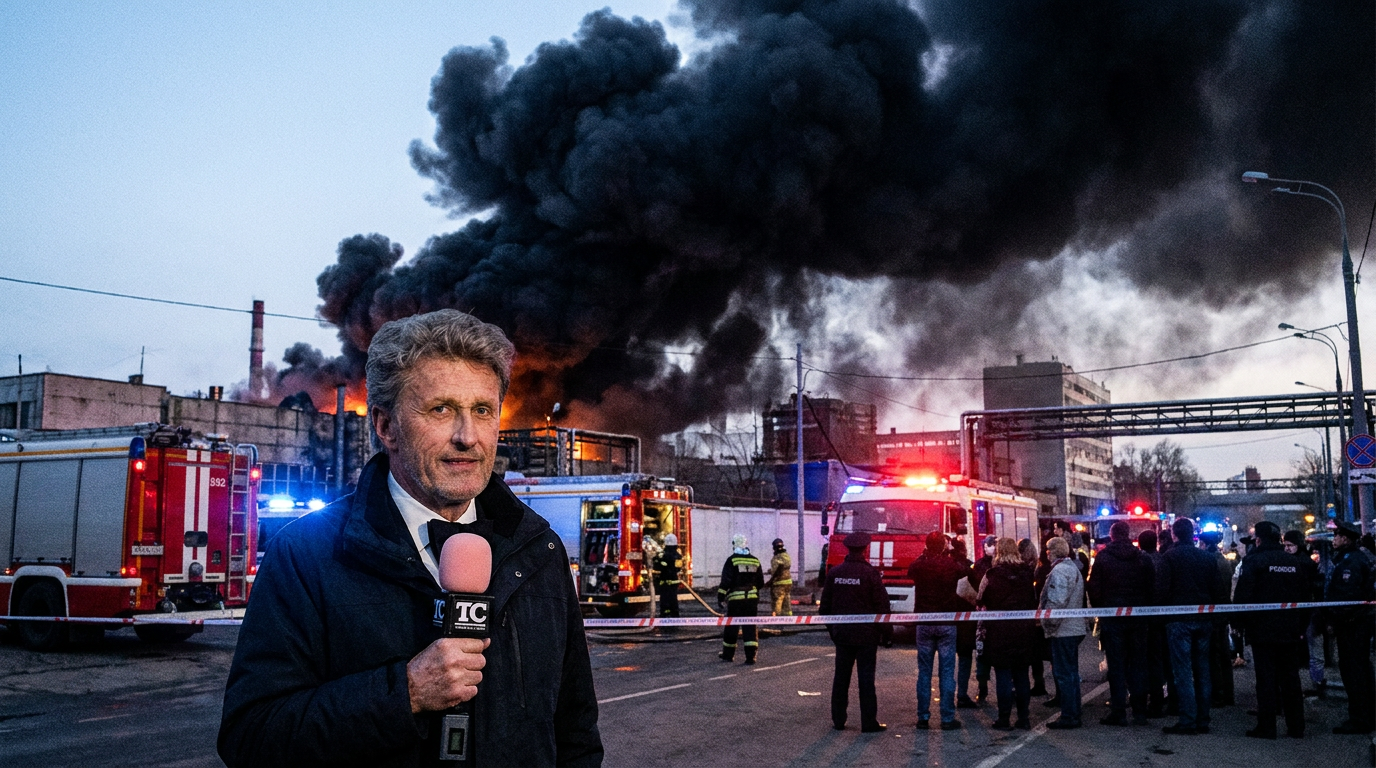
Ukraine Launches Largest Drone Strike on Moscow Since War Began, Hitting Refinery and Halting Flights
8 sources
U.S.-Iran Deal
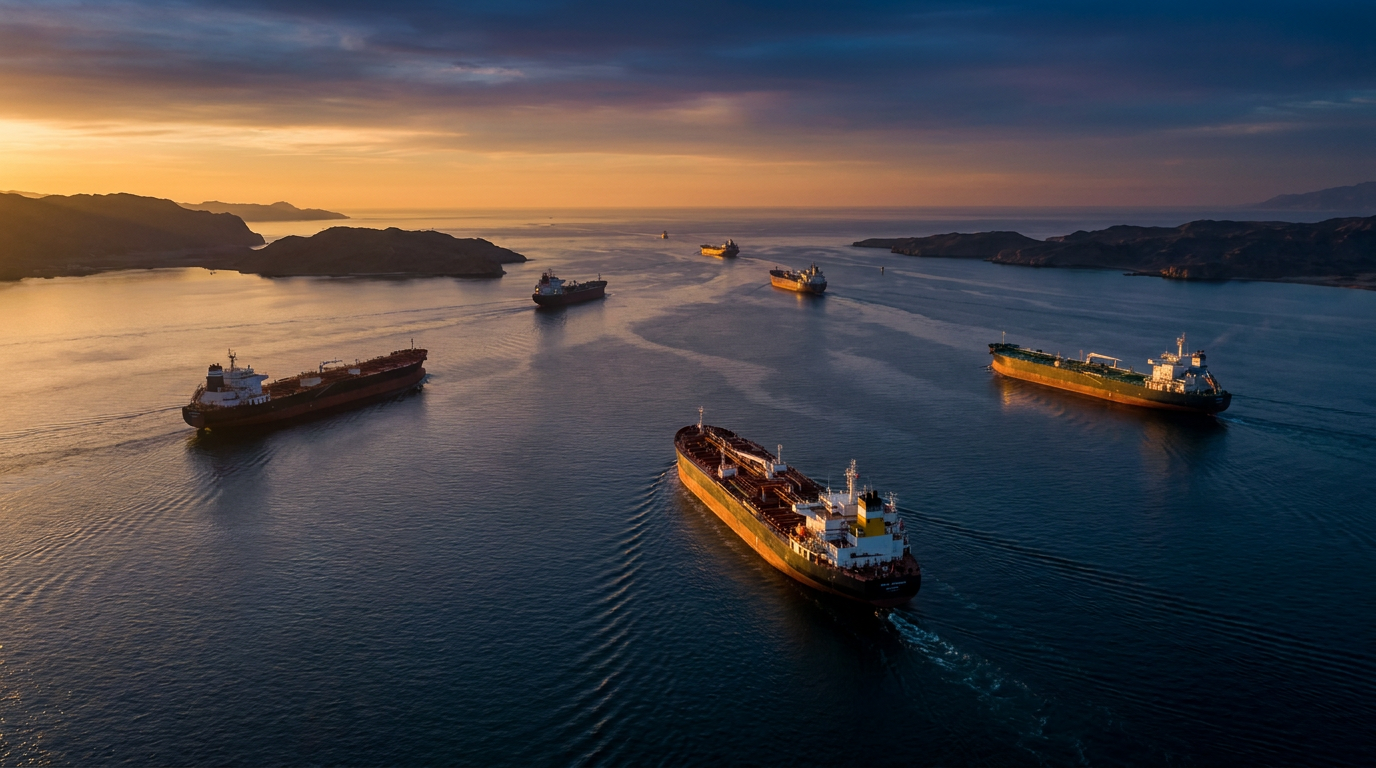
U.S. and Iran Sign 14-Point Agreement to End 110-Day War and Reopen Strait of Hormuz
8 sources
Ceasefire Agreement
U.S. and Iran Sign Historic Ceasefire Deal to End War and Reopen Strait of Hormuz
8 sources
NATO Reboot
U.S. Announces Review of Forces in Europe, Demands Shift to 'NATO 3.0'
7 sources
Every angle. Every day.
Get news politics stories with full source coverage and perspective breakdowns delivered to your inbox.