
U.S. Gas Prices Fall Below $4 as Washington Navigates the New Iran Deal
The national average for gasoline has dropped below $4 a gallon following the newly signed U.S.-Iran agreement, easing economic pressure even as lawmakers debate the long-term security implications of the deal.
By Factlen Editorial Team
- Consumer & Economic Analysts
- Focuses on the immediate relief to supply chains and household budgets as energy markets stabilize.
- Defense & Security Hawks
- Argues the conflict exposed U.S. vulnerabilities and demands an immediate surge in military spending to prepare for future escalations.
- Administration Defenders
- Views the deal as a necessary and successful diplomatic maneuver to prevent a broader war and stabilize the global economy.
What's not represented
- · Iranian civilian reactions
- · European allied leadership
Why this matters
The resolution of the U.S.-Iran conflict is immediately lowering the cost of everyday commuting and shipping, but the political and security commitments made to secure the deal will reshape American foreign policy and defense spending for years.
Key points
- The U.S. national average for gasoline has dropped below $4 following the U.S.-Iran agreement.
- Airlines are unlikely to immediately pass fuel savings onto consumers due to locked-in contracts and high demand.
- Republican defense hawks are using the aftermath of the conflict to push for a surge in military spending.
- The U.S. State Department maintains warnings for American travelers regarding ongoing volatility in the Middle East.
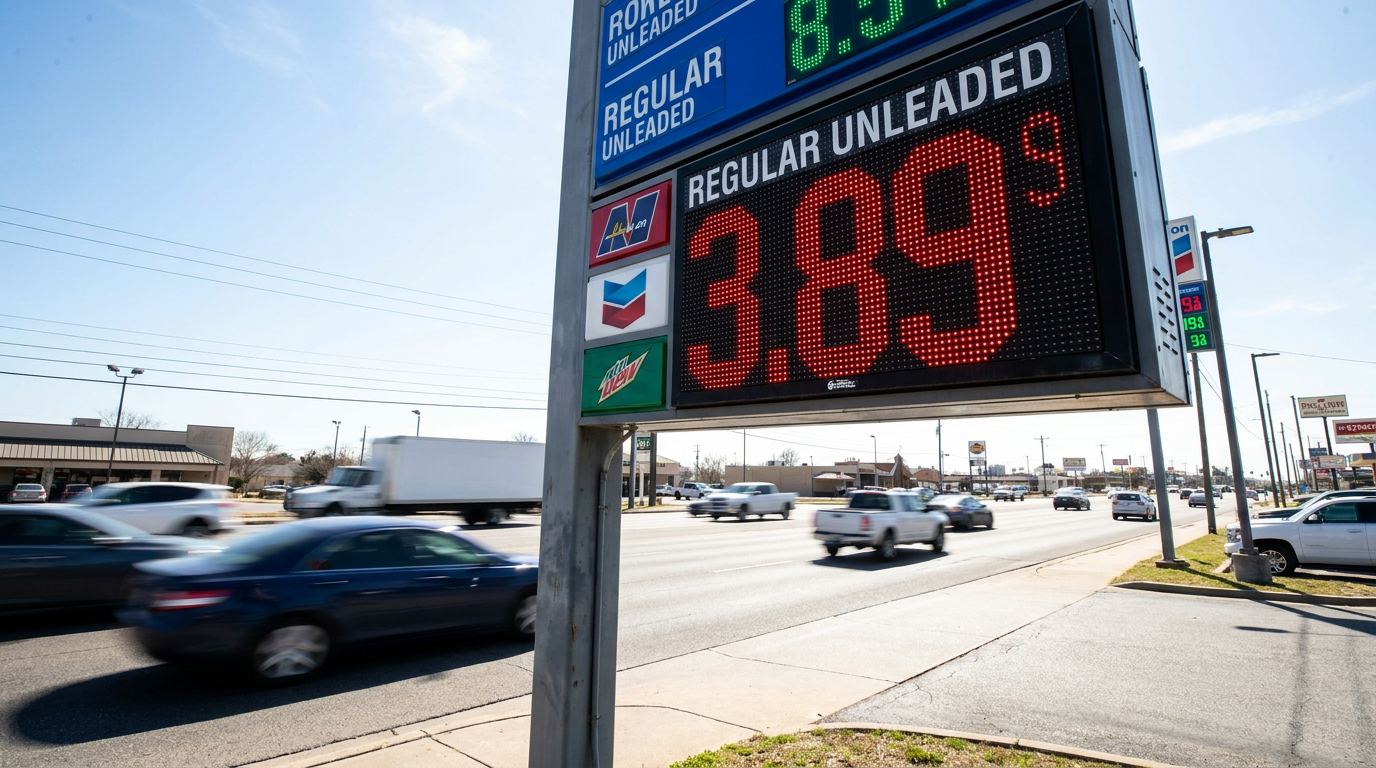
The immediate economic relief of the newly signed U.S.-Iran deal is showing up at the pump, with the national average for a gallon of gasoline dropping below $4 for the first time in months. The drop marks a significant easing of the financial pressure that had battered the global economy as the conflict squeezed oil traffic through the critical Strait of Hormuz.[1][2][7]
During the height of the hostilities, energy markets priced in severe disruption risks, sending crude oil soaring and passing the pain directly to American consumers. With the diplomatic agreement now signed, crude prices have retreated sharply, allowing retail gas stations to adjust their boards downward just as the summer driving season accelerates.[1][7]

However, while drivers are seeing immediate benefits, the broader travel industry may take longer to adjust. Airlines, which locked in higher jet fuel prices during the peak of the crisis through financial hedging, are unlikely to drop ticket prices immediately. Industry analysts note that robust consumer demand gives carriers little incentive to pass fuel savings onto passengers in the short term.[3]
Beyond the economic ripple effects, the political ramifications of the deal are dominating Washington. The administration's agreement has drawn both praise for halting the conflict and intense scrutiny over its long-term viability. Vice President JD Vance has reportedly staked significant political capital on the agreement's success, challenging critics to present a viable alternative to the negotiated settlement.[4]

Beyond the economic ripple effects, the political ramifications of the deal are dominating Washington.
The administration's defense of the deal centers on the immediate de-escalation of a conflict that threatened to spiral into a broader regional war. By securing terms that reopened critical shipping lanes, the White House has delivered a tangible economic win, though skeptics question whether the underlying geopolitical tensions have truly been resolved or merely paused.[4][7]
Conservative defense hawks are already pivoting to the next phase of the strategic rivalry. Leading Republican voices are calling for a massive surge in defense spending, arguing that the recent hostilities exposed critical vulnerabilities in American missile defense and allied support networks.[5]
This push to rebuild and modernize the military underscores a prevailing view on the right that the deal is a tactical maneuver rather than a permanent peace. Advocates for increased military budgets insist that Washington must use this diplomatic window to rapidly rearm and prepare for future escalations.[5]

Meanwhile, the security situation on the ground remains highly volatile. The U.S. State Department has issued updated guidance warning American travelers of ongoing risks in the Middle East, noting that regional tensions could still flare despite the diplomatic breakthrough in Washington and Tehran.[6]
As the administration works to implement the agreement's terms, the dual tracks of domestic economic relief and heightened national security vigilance will likely define the political landscape. The coming months will test whether the lower prices at the pump can sustain public support for a foreign policy pivot that remains deeply contested on Capitol Hill.[1][4][5]
How we got here
Early 2026
Tensions escalate in the Middle East, threatening shipping lanes in the Strait of Hormuz.
Spring 2026
Gas prices soar as global crude oil markets react to the prolonged conflict.
June 17, 2026
The U.S. and Iran officially sign a diplomatic agreement to ease hostilities.
June 18, 2026
U.S. national average gas prices drop below $4 a gallon for the first time in months.
Viewpoints in depth
Economic Optimists
Focuses on the immediate relief to consumers and supply chains as energy markets stabilize.
For economic analysts and consumer advocates, the deal's most important metric is the price of crude oil. By securing the safe passage of tankers through the Strait of Hormuz, the agreement removes a massive risk premium that had been suffocating global supply chains. Proponents argue that this immediate deflationary pressure will boost consumer confidence and provide the Federal Reserve with more breathing room on interest rates.
Defense Hawks
Argues the deal exposes U.S. vulnerabilities and demands an immediate surge in military spending.
Conservative lawmakers and defense analysts view the diplomatic resolution not as a permanent peace, but as a tactical pause. They point to the recent hostilities as proof that American missile defense systems and regional allied support networks are stretched dangerously thin. This camp is aggressively lobbying for a surge in the defense budget, arguing that Washington must use this window of calm to rapidly modernize its military capabilities before the next inevitable escalation.
Travel & Aviation Industry
Cautious about passing savings to consumers due to locked-in fuel contracts and high demand.
While drivers see immediate relief at the pump, the aviation sector operates on a longer timeline. Airlines frequently use financial hedging to lock in jet fuel prices months in advance, meaning they are currently burning fuel purchased at the height of the crisis. Combined with robust post-pandemic travel demand, industry executives have signaled that ticket prices will remain elevated through the summer, prioritizing margin recovery over immediate fare reductions.
What we don't know
- Whether the diplomatic agreement includes undisclosed long-term concessions from either Washington or Tehran.
- How quickly the broader travel and shipping industries will adjust their pricing models to reflect the drop in crude oil.
- If the push for increased U.S. defense spending will gain bipartisan traction in Congress.
Key terms
- Strait of Hormuz
- A crucial shipping chokepoint between the Persian Gulf and the Gulf of Oman, through which a significant portion of the world's oil passes.
- Jet Fuel Hedging
- A financial strategy used by airlines to lock in fuel prices in advance, protecting against spikes but delaying the benefits of price drops.
Frequently asked
Why are gas prices dropping?
The resolution of the conflict with Iran has eased fears of oil supply disruptions through the Strait of Hormuz, causing global crude prices to fall.
Will my flight tickets get cheaper?
Not immediately. Airlines often purchase jet fuel months in advance at locked-in prices, and high travel demand means they have little incentive to lower fares right away.
Is it safe to travel to the Middle East now?
The U.S. State Department continues to warn Americans of volatile security conditions in the region, advising caution despite the recent diplomatic agreement.
Sources
Source coverage
7 outlets
3 viewpoints surfaced




[1]AxiosConsumer & Economic Analysts
Gas dips below $4 a gallon after months of pump pain
Read on Axios →[2]AAAConsumer & Economic Analysts
National Average Gas Prices
Read on AAA →[3]The New York TimesAdministration Defenders
Why Flight Prices Might Not Fall After the U.S.-Iran Deal
Read on The New York Times →Will the Iran Deal Last? JD Vance Is Betting His Future on It.
Read on The New York Times →[5]Fox NewsDefense & Security Hawks
MORNING GLORY: GOP’s top job now is rebuilding America’s defenses fast
Read on Fox News →US State Department warns Americans of growing security risks in historic region
Read on Fox News →U.S. and Iran sign agreement to ease hostilities
Read on Axios →

Every angle. Every day.
Get news politics stories with full source coverage and perspective breakdowns delivered to your inbox.