
US and Iran Reach Interim Agreement to Secure Strait of Hormuz and Ease Sanctions
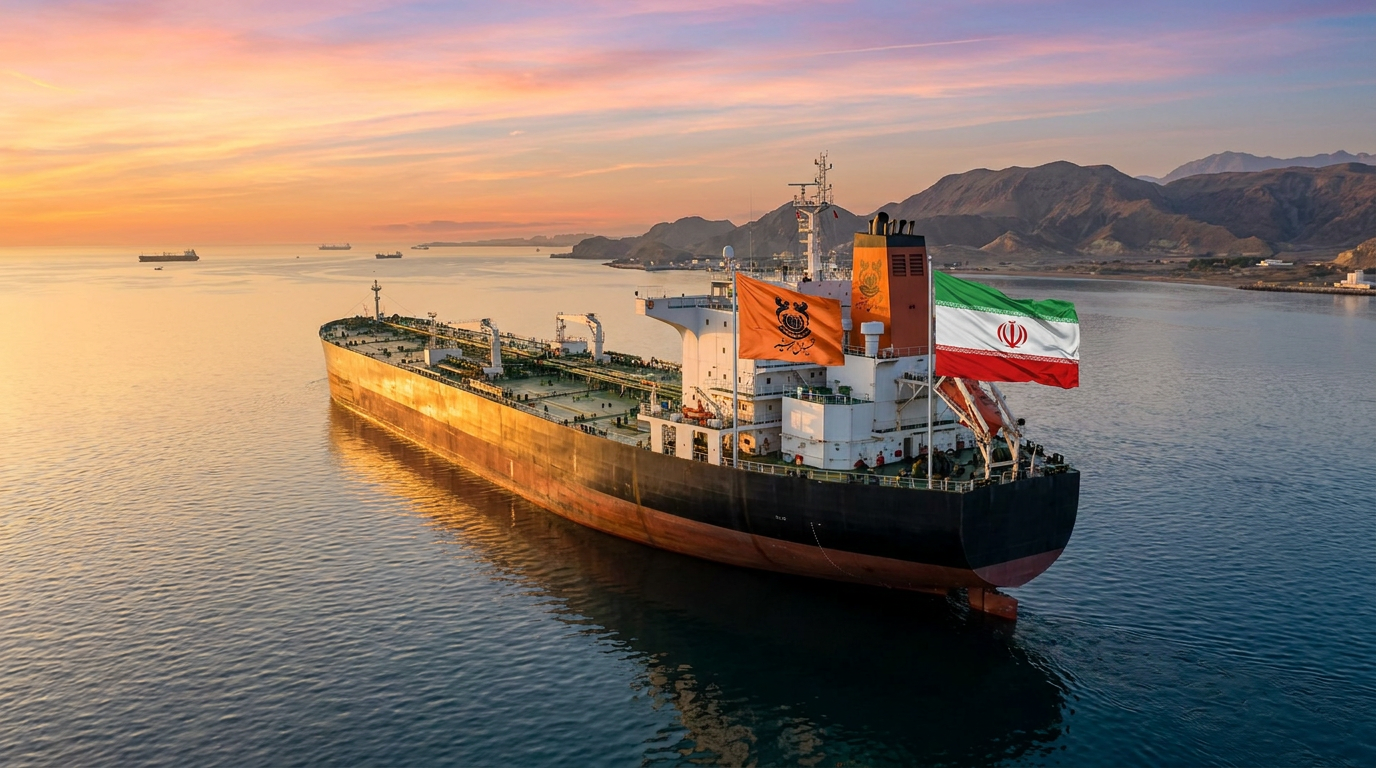
The United States and Iran have signed an initial diplomatic agreement that lifts key economic sanctions on Tehran in exchange for halting disruptions to global oil traffic through the Strait of Hormuz. The deal has immediately lowered global energy prices, though critics warn it offers Iran significant financial relief without securing long-term nuclear concessions.
By Factlen Editorial Team
- US Administration & Pragmatists
- Argues that stabilizing the global economy and securing the Strait of Hormuz was an urgent necessity that creates a foundation for future nuclear talks.
- Security Hawks & Critics
- Views the deal as a dangerous capitulation that surrenders economic leverage and funds Iranian proxy networks without dismantling nuclear infrastructure.
- Market Analysts
- Focuses purely on the macroeconomic relief, celebrating the removal of the geopolitical risk premium that had artificially inflated global energy costs.
- Iranian Leadership
- Frames the sanctions relief as a major victory for their resistance strategy, proving that economic pressure in the Gulf forces Western concessions.
What's not represented
- · Gulf Cooperation Council (GCC) member states
- · Commercial shipping and maritime insurance syndicates
Why this matters
The reopening of the Strait of Hormuz directly lowers the cost of gasoline, shipping, and consumer goods worldwide, ending months of economic strain. However, the influx of billions in unfrozen capital to Tehran fundamentally alters the balance of power in the Middle East, potentially funding regional proxies and setting the stage for future geopolitical conflicts.
Key points
- The US and Iran signed an interim deal trading sanctions relief for maritime security.
- Iran agreed to stop harassing commercial vessels in the Strait of Hormuz.
- The US will unfreeze billions in Iranian assets and allow limited oil exports.
- Global oil prices and US gas prices dropped immediately following the announcement.
- Critics argue the deal surrenders leverage without addressing Iran's nuclear program.
- The agreement defers comprehensive nuclear negotiations to a later 'phase two'.
After months of escalating military tensions and severe disruptions to global shipping, the United States and Iran have finalized an interim diplomatic agreement. The pact, signed after weeks of backchannel negotiations in Oman, immediately de-escalates the military standoff in the Strait of Hormuz, a vital artery for the global energy supply. By establishing a framework for maritime security in exchange for targeted economic relief, the agreement marks a significant, albeit narrow, breakthrough in Middle Eastern diplomacy.[1][3]
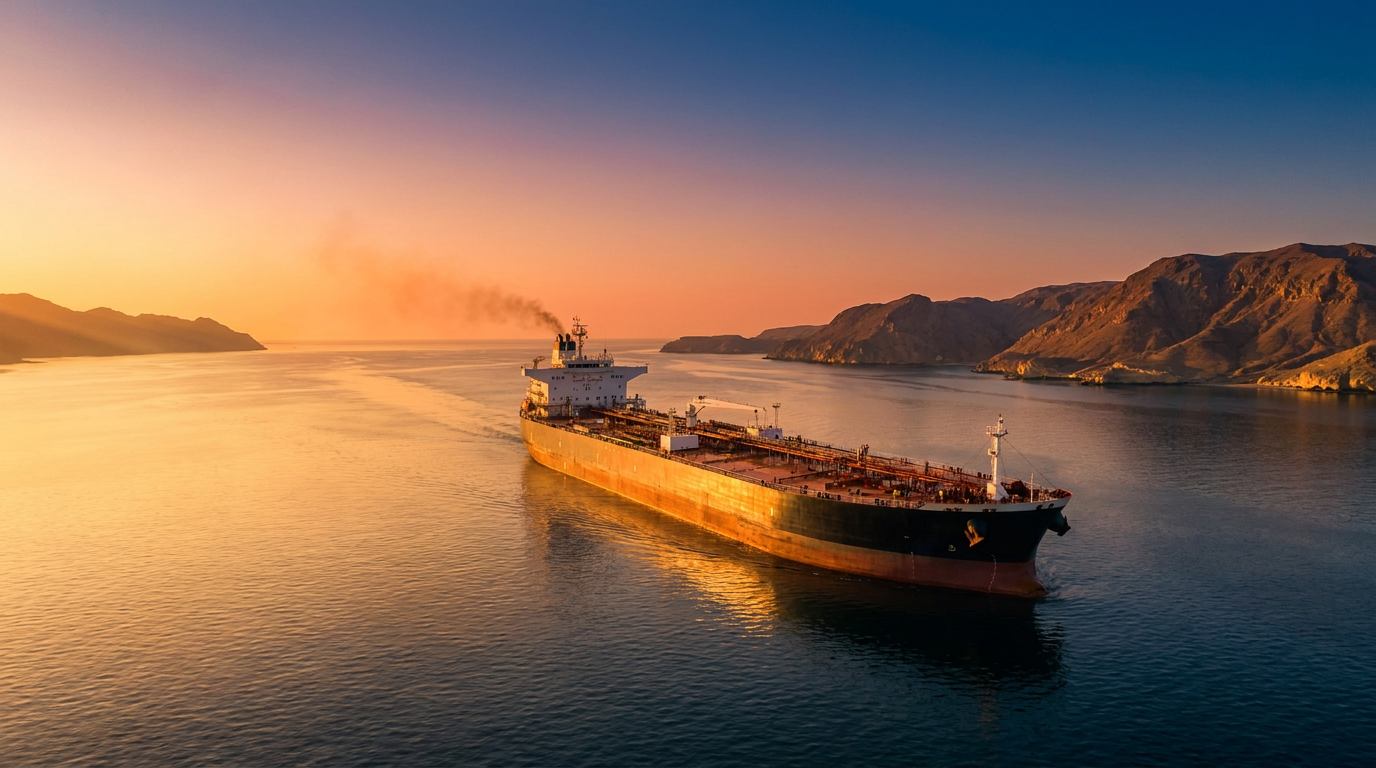
The core mechanism of the interim deal relies on a direct, transactional trade-off: guaranteed maritime security for immediate financial liquidity. Under the terms of the agreement, Iran has committed to ceasing all harassment, boarding operations, and drone surveillance of commercial oil tankers and cargo vessels passing through the Strait. This chokepoint, which handles roughly one-fifth of the world's daily oil consumption, had become a flashpoint that threatened to drag the region into a broader conflict.[3][7]
In return for this cessation of hostilities at sea, the United States administration is lifting a specific tranche of secondary economic sanctions. This critical concession effectively unfreezes billions of dollars in Iranian state assets that had been trapped in foreign banks across Asia and Europe. Furthermore, the deal allows Tehran to resume limited, legally sanctioned oil exports to specific international buyers without triggering punitive measures from the US Treasury Department.[1][5]
The immediate macroeconomic impact of the signing has been profound and instantaneous. Global energy markets, which had spent the spring pricing in a persistent "Hormuz risk premium" due to the threat of a closed strait, reacted swiftly to the de-escalation. Brent crude prices, the international benchmark, tumbled dramatically to $78 a barrel within hours of the official announcement, erasing months of inflation-driving gains.[6]

For American consumers, this geopolitical shift translates to immediate, tangible relief at the gas pump. The national average for a gallon of regular gasoline has dipped below the psychological threshold of $4 for the first time in several months. This sudden drop eases a major inflationary pressure on the broader US economy, lowering transportation costs for goods and providing households with unexpected disposable income heading into the summer driving season.[2][6]
However, the structural details and sequencing of the agreement have sparked intense, polarized debate in Washington and allied capitals. The text of the initial deal focuses almost entirely on maritime security and immediate economic lifelines, deliberately deferring the far more intractable issue of Iran's nuclear enrichment program. Negotiators have effectively decoupled the immediate shipping crisis from the long-term non-proliferation goals.[1][7]
However, the structural details and sequencing of the agreement have sparked intense, polarized debate in Washington and allied capitals.
Critics of the administration argue that this sequencing represents a catastrophic strategic error. By granting Tehran significant financial relief upfront—estimated by some analysts to be as high as $15 billion in newly accessible capital—opponents claim the US has surrendered its primary economic leverage. They argue this capital injection occurs without dismantling a single nuclear centrifuge or securing binding commitments on uranium enrichment levels.[4][7]

Administration officials and diplomatic defenders counter that the immediate threat of a global recession, driven by the prospect of $120-a-barrel oil, required urgent geopolitical triage. They frame the interim pact not as a comprehensive treaty, but as a necessary "freeze" that stops the bleeding in the global energy sector. In their view, stabilizing the Strait of Hormuz creates the necessary diplomatic runway and baseline trust required for a comprehensive "phase two" nuclear negotiation.[3][8]
In Tehran, the agreement is being broadcast across state media as a decisive victory for the government's "resistance economy" strategy. Iranian officials have highlighted the sudden influx of foreign currency as proof that their aggressive pressure campaign in the Persian Gulf successfully forced Western powers to fold. The narrative being presented domestically is one of vindication, portraying the sanctions relief as a right reclaimed rather than a concession granted.[5]
European allies, who have borne the brunt of the shipping disruptions and elevated energy costs, have offered cautious, pragmatic support for the deal. Diplomatic statements from London, Paris, and Berlin emphasize profound relief over the de-escalation of maritime hostilities. However, these same statements uniformly urge all parties to immediately commence the deferred nuclear talks, warning that the current arrangement is too fragile to serve as a permanent status quo.[8]

The practical mechanism for enforcing the maritime truce relies on a newly established, indirect joint de-confliction channel. Commercial vessels will now transit the Strait of Hormuz under a monitored protocol, with both US Naval Forces Central Command and the Islamic Revolutionary Guard Corps Navy agreeing to a standardized, verifiable standoff distance to prevent accidental escalations or miscalculations at sea.[3][7]
To address concerns about Iranian compliance, the agreement includes stringent "snapback" provisions. If intelligence confirms that Iran has resumed tanker harassment or violated the standoff protocols, the waived sanctions are designed to automatically reimpose. However, financial analysts and sanctions experts note that once billions in liquid funds are transferred to Tehran's control, retrieving or freezing them again becomes a near-impossible logistical challenge.[1][6]
Regional security partners, particularly in the Gulf Cooperation Council and Israel, view the sudden influx of cash to Tehran with deep, existential apprehension. There is widespread, vocal concern that the unfrozen assets will not be used for domestic infrastructure, but will instead be funneled directly to proxy militia networks operating across Lebanon, Yemen, Iraq, and Syria, further destabilizing the Middle East.[4][7]

Ultimately, the historical legacy of this interim deal hinges entirely on whether it serves as a ceiling or a foundation. If it merely buys a temporary pause in maritime hostilities while enriching Tehran and funding regional proxies, it may ultimately accelerate long-term instability. Conversely, if it successfully bridges the gap to a broader, verifiable non-proliferation treaty, it could mark a historic, stabilizing pivot in modern Middle Eastern diplomacy.[1][7][8]
How we got here
Early 2026
Iran escalates drone surveillance and harassment of commercial tankers in the Strait of Hormuz.
March 2026
Global oil prices spike due to shipping disruptions, pushing US gas prices near $5 a gallon.
May 2026
Secret backchannel negotiations between US and Iranian diplomats begin in Oman.
June 17, 2026
The interim agreement is officially signed, unfreezing assets and securing the maritime chokepoint.
June 18, 2026
Global oil prices plummet and US gas drops below $4 a gallon in response to the deal.
Viewpoints in depth
US Administration & Pragmatists
Argues that stabilizing the global economy and securing the Strait of Hormuz was an urgent necessity.
Proponents of the deal argue that the immediate threat of a global recession, driven by the prospect of $120-a-barrel oil, required urgent geopolitical triage. They frame the interim pact not as a comprehensive treaty, but as a necessary "freeze" that stops the bleeding in the global energy sector. In their view, stabilizing the Strait of Hormuz creates the necessary diplomatic runway and baseline trust required for a comprehensive "phase two" nuclear negotiation.
Security Hawks & Critics
Views the deal as a dangerous capitulation that surrenders economic leverage.
Critics argue that this sequencing represents a catastrophic strategic error. By granting Tehran significant financial relief upfront—estimated at $15 billion in newly accessible capital—opponents claim the US has surrendered its primary economic leverage. They argue this capital injection occurs without dismantling a single nuclear centrifuge, and warn that the unfrozen funds will inevitably be diverted to regional proxy networks in Lebanon, Yemen, and Syria.
Iranian State Media & Leadership
Frames the sanctions relief as a major victory for their resistance strategy.
In Tehran, the agreement is being broadcast as a decisive victory for the government's "resistance economy" strategy. Iranian officials have highlighted the sudden influx of foreign currency as proof that their aggressive pressure campaign in the Persian Gulf successfully forced Western powers to fold. The narrative being presented domestically portrays the sanctions relief as a right reclaimed rather than a concession granted.
Market Analysts
Focuses purely on the macroeconomic relief and the removal of the geopolitical risk premium.
Financial and energy analysts view the deal primarily through the lens of supply chain stability. They note that global markets had spent months pricing in a persistent "Hormuz risk premium" due to the threat of a closed strait. With the de-escalation formalized, that premium vanished overnight, leading to the immediate drop in Brent crude prices and providing a much-needed deflationary shock to the global economy.
What we don't know
- Whether the 'phase two' nuclear negotiations will actually commence or if the interim deal will become the permanent status quo.
- Exactly how Iran will allocate the $15 billion in unfrozen assets across domestic infrastructure versus regional proxy funding.
- How strictly the US will enforce the 'snapback' provisions if minor maritime incidents occur in the Strait.
Key terms
- Strait of Hormuz
- A vital maritime chokepoint between the Persian Gulf and the Gulf of Oman, through which roughly 20% of the world's daily oil consumption passes.
- Secondary Sanctions
- US penalties applied to foreign entities or countries that do business with a sanctioned nation, effectively cutting them off from the US financial system.
- Snapback Provisions
- Clauses in an international agreement that allow for the immediate reinstatement of penalties or sanctions if one party violates the agreed-upon terms.
Frequently asked
Does this deal stop Iran from building a nuclear weapon?
No. The interim agreement focuses exclusively on maritime security and economic relief, deliberately deferring nuclear negotiations to a later date.
Why did gas prices drop so quickly?
Energy markets had priced in a "risk premium" due to the threat of oil shipments being blocked. With the Strait of Hormuz secured, that premium vanished, lowering crude prices.
How much money is Iran receiving?
Estimates suggest the lifting of secondary sanctions will unfreeze approximately $15 billion in Iranian state assets held in foreign accounts.
Sources
Source coverage
8 outlets
4 viewpoints surfaced







[1]NYTUS Administration & Pragmatists
Iran Gets Major Economic Lifeline for Minimal Concessions in Initial Deal
Read on NYT →[2]AxiosUS Administration & Pragmatists
Gas dips below $4 a gallon after months of pump pain
Read on Axios →[3]ReutersMarket Analysts
Oil prices tumble as US-Iran interim agreement secures Strait of Hormuz transit
Read on Reuters →[4]Fox NewsSecurity Hawks & Critics
Critics slam administration's 'weak' Iran deal as a massive financial giveaway to Tehran
Read on Fox News →[5]Al JazeeraIranian Leadership
Tehran celebrates diplomatic victory as crippling economic sanctions ease
Read on Al Jazeera →[6]BloombergMarket Analysts
Global markets rally on Hormuz de-escalation, Brent crude drops to $78
Read on Bloomberg →[7]Council on Foreign RelationsSecurity Hawks & Critics
The Strategic Implications of the 2026 Interim Iran Agreement
Read on Council on Foreign Relations →[8]BBCUS Administration & Pragmatists
European allies cautiously welcome US-Iran de-escalation pact
Read on BBC →
More in news politics
See all 5 stories →Strait of Hormuz
US and Iran Sign 60-Day Ceasefire Deal to Reopen Strait of Hormuz
8 sources
US-Iran Deal
U.S. and Iran Sign 14-Point Agreement to Reopen Strait of Hormuz and Extend Ceasefire
7 sources
US-Iran Deal
US and Iran Sign Preliminary Deal to End 110-Day Conflict and Reopen Strait of Hormuz
7 sources
Every angle. Every day.
Get news politics stories with full source coverage and perspective breakdowns delivered to your inbox.