
The Rise of 'Slow Dating': How Singles Are Beating Swipe Fatigue in 2026
Exhausted by endless swiping and superficial connections, singles are embracing "slow dating"—a movement prioritizing intentionality, fewer matches, and deeper emotional bonds over algorithmic speed.
By Factlen Editorial Team

- Intentional Daters
- Singles prioritizing their mental health by limiting app time and focusing on fewer, deeper connections.
- Relationship Psychologists
- Mental health professionals advocating for slower pacing to build secure attachments and reduce decision fatigue.
- Platform Operators
- Tech companies balancing user demands for meaningful connection with business models that rely on high engagement.
What's not represented
- · Asexual and aromantic individuals navigating a highly romanticized dating culture.
- · Older generations (Gray Daters) adapting to digital platforms for the first time.
Why this matters
As dating app burnout reaches record highs, the shift toward 'slow dating' offers a healthier, more sustainable blueprint for finding connection. By prioritizing intentionality over algorithms, singles are reclaiming their mental health and forcing the multi-billion-dollar matchmaking industry to evolve.
Key points
- 78% of dating app users report feeling burnt out by endless swiping and ghosting.
- Singles are embracing 'slow dating' by limiting app time and focusing on fewer matches.
- The trend of 'loud looking' involves being radically upfront about relationship goals.
- Apps like Hinge are adapting by limiting daily likes to encourage thoughtful messaging.
- Psychologists say slowing down reduces decision fatigue and builds secure attachments.
Modern romance in 2026 has hit an algorithmic wall. For years, the promise of digital dating was scale: the ability to browse thousands of potential partners from a smartphone. But that volume has birthed a profound sense of emotional exhaustion. According to recent survey data, a staggering 78 percent of dating app users now report feeling burnt out by the process. The cycle of endless swiping, superficial interactions, and abrupt ghosting has transformed what was once an exciting pursuit into a draining, gamified chore.[1][2]
In response to this widespread swipe fatigue, a counter-movement has taken hold across the dating landscape: "slow dating." Rather than treating romance as a numbers game, singles are deliberately hitting the brakes. Slow dating is a conscious rejection of the high-speed, high-volume mechanics of modern apps. It emphasizes getting to know fewer people at the same time, allowing individuals to stay present and thoroughly evaluate the quality of a connection before moving forward.[4][6]
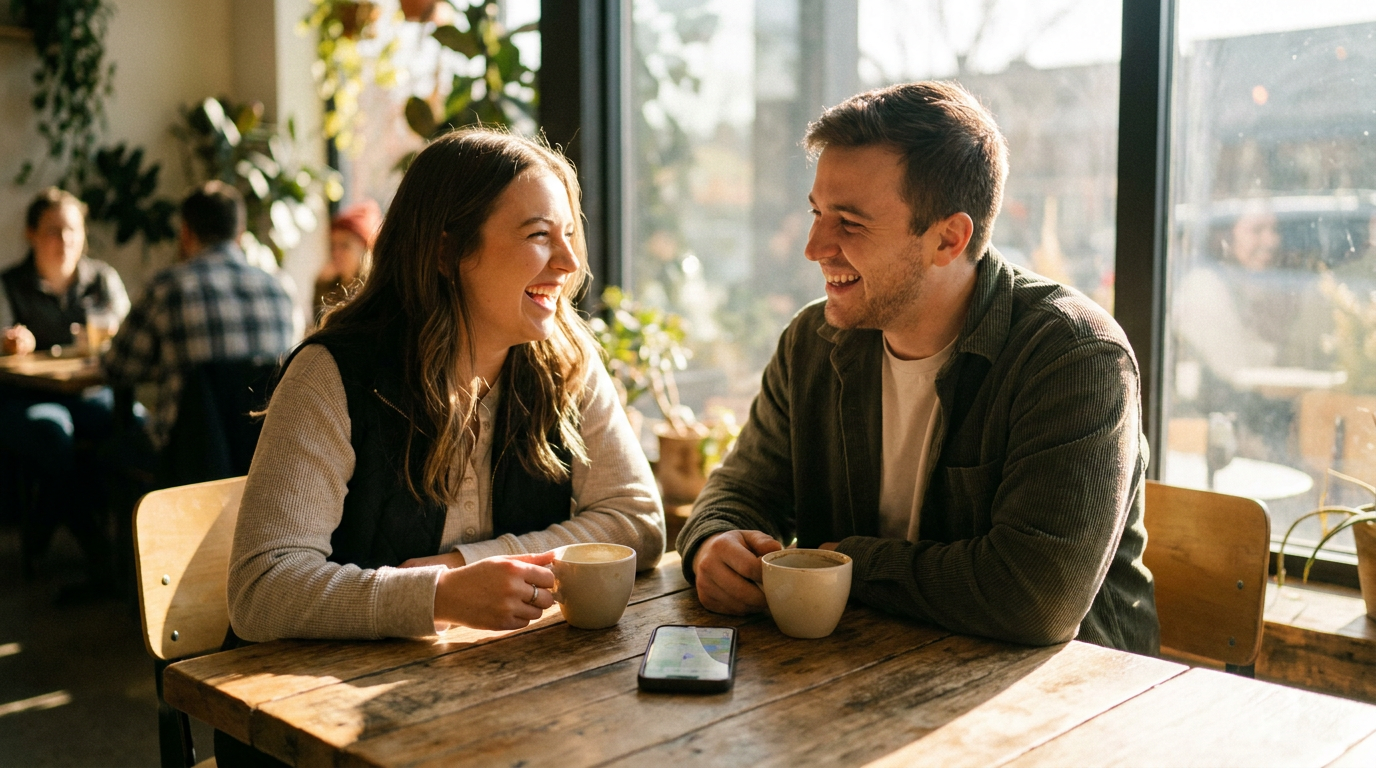
The mechanics of slow dating represent a fundamental shift in user behavior. Practitioners are setting strict boundaries, often limiting their app usage to just 20 or 30 minutes a day to prevent the psychological toll of infinite scrolling. Instead of juggling a dozen text threads, they are focusing on one or two matches at a time. The initial vetting process has also evolved, with singles increasingly relying on voice notes and video calls to establish a genuine baseline of chemistry before committing to an in-person date.[2][5]

Psychologists note that this deceleration directly addresses the "paradox of choice." When presented with endless options, the human brain experiences decision fatigue, making it increasingly difficult to commit to any single person. By artificially restricting their dating pool, individuals remove the anxiety of second-guessing their choices. This slower pace allows for the development of secure attachment styles, as partners take the time to understand each other's values and emotional landscapes before introducing the complexities of physical intimacy.[1][5]
A core component of this movement is a trend industry experts call "loud looking." In the past, daters often kept their true relationship goals vague to avoid scaring off potential matches. Today, singles are unapologetically upfront about their intentions from the very first interaction. Whether they are seeking a lifelong partnership, a structured polyamorous dynamic, or simply a meaningful friendship, stating these goals clearly acts as an immediate filter. It saves time, reduces stress, and ensures that emotional energy is only invested in highly compatible matches.[5]
Today, singles are unapologetically upfront about their intentions from the very first interaction.
This behavioral shift is creating a fascinating structural tension within the dating app industry. Platforms like Tinder and Bumble were fundamentally designed around high-volume engagement and rapid turnover. Their business models rely on monthly active sessions and the continuous churn of users returning to the app after failed matches. If a growing segment of the user base is actively choosing to match less, swipe less, and spend more time off-app developing single connections, it threatens the very engagement metrics these companies monetize.[3]

Some platforms are attempting to adapt to—or at least co-opt—the slow dating ethos. Hinge, which has long marketed itself as the app "designed to be deleted," has leaned heavily into this trend. The platform deliberately limits free users to just eight likes per day, a structural friction designed to force selectivity and encourage users to actually read profiles. By restricting volume, the app attempts to shift the user's focus from mindless swiping to sending thoughtful, personalized messages.[6]
Recent data from Hinge's 2026 demographic reports underscores just how deeply this desire for intentionality runs. Among LGBTQIA+ daters, for instance, there is a marked rejection of grand, performative romantic gestures in favor of what researchers term "private displays of consistency." An overwhelming 86 percent of these users report that consistent, reliable communication is the primary factor in reducing their dating anxiety. They are looking for partners who remember small details and follow through on their words, traits that can only be demonstrated over time.[3]

Despite these platform tweaks, a growing number of singles are bypassing algorithms entirely. Matchmaking services, once viewed as a niche luxury, are seeing a resurgence among millennials and Gen Z daters who are willing to pay a premium to have the vetting process handled by a human. Similarly, there is a noticeable return to in-person, activity-based dating. Run clubs, cooking classes, and volunteer organizations are increasingly serving as the primary venues for singles who want to observe a potential partner's character in a natural, low-pressure environment before declaring romantic interest.[4][5]
What remains uncertain is whether the broader tech industry can genuinely reconcile its revenue models with this demand for deceleration. If the slow dating movement continues to gain momentum, publicly traded dating conglomerates may be forced to rethink how they define success, shifting from daily active users to metrics that track long-term relationship formation. Until then, singles are taking matters into their own hands, proving that in an era of instant gratification, the most radical choice is simply taking your time.[3][7]
How we got here
2012–2014
Tinder and Bumble launch, popularizing the gamified, high-speed swipe mechanic.
2020–2021
Pandemic lockdowns force singles to rely on video dates and slower pacing out of necessity.
2022–2023
A post-pandemic surge in app usage leads to widespread reports of dating burnout and ghosting.
2024–2025
The 'slow dating' movement gains mainstream traction as users actively limit their screen time and matches.
2026
Apps begin adapting to user demands for intentionality, while offline matchmaking sees a major resurgence.
Viewpoints in depth
Intentional Daters
Singles who are prioritizing their mental health by rejecting the gamification of romance.
For many singles, the decision to slow down is an act of self-preservation. After years of treating dating like a second job, intentional daters argue that limiting app time and focusing on fewer matches leads to more authentic, lasting connections. They value 'loud looking'—stating their needs upfront—to avoid the emotional drain of situationships and mismatched expectations.
Platform Operators
Tech companies balancing user demands for meaningful connection with business models that rely on high engagement.
Dating app developers face a unique structural dilemma. Their platforms were built to monetize high-volume swiping and user retention, meaning a successful match that takes a user off the app is technically a lost customer. As the slow dating movement grows, operators are experimenting with premium features and artificial friction—like limiting daily likes—to provide the intentionality users want without entirely sacrificing their engagement metrics.
Relationship Psychologists
Mental health professionals who advocate for slow dating as a clinical necessity.
Psychologists view the shift toward slow dating as a necessary correction to the 'paradox of choice.' They emphasize that the human brain is not wired to process thousands of potential romantic partners. By artificially restricting options, singles lower their baseline anxiety, prevent decision fatigue, and create the necessary emotional space to foster secure attachment styles.
What we don't know
- Whether major dating conglomerates will permanently alter their algorithms to prioritize long-term connection over daily engagement metrics.
- How the rise of AI matchmakers will intersect with the desire for slower, more human-centric dating.
- If the trend of returning to in-person, activity-based dating will scale enough to threaten the dominance of digital platforms.
Key terms
- Slow Dating
- A mindful approach to romance that emphasizes getting to know fewer people at a time to thoroughly evaluate the quality of a connection.
- Swipe Fatigue
- The emotional exhaustion and burnout caused by endless scrolling, superficial interactions, and ghosting on dating apps.
- Loud Looking
- The practice of being radically transparent about relationship goals and intentions upfront to save time and emotional energy.
- Private Displays of Consistency
- Small, reliable actions—like checking in or remembering details—that build trust over time, favored over grand romantic gestures.
- Decision Fatigue
- The psychological toll of having too many options, which makes it harder for the brain to commit to one choice.
Frequently asked
What exactly is slow dating?
Slow dating is the practice of getting to know fewer people at a time, prioritizing emotional connection, shared values, and consistent communication over rapid matching and physical intimacy.
How can I practice slow dating on apps?
Experts recommend limiting app usage to 20-30 minutes a day, focusing on one or two matches at a time, and moving to voice or video calls early to establish genuine chemistry.
Does slow dating mean waiting to be physically intimate?
Not necessarily, but it often involves prioritizing emotional connection and ensuring shared values align before introducing the complexities of physical intimacy.
What does 'loud looking' mean?
Loud looking is the trend of being unapologetically upfront about your relationship goals and intentions from the very first interaction to filter out mismatches early.
Sources
Source coverage
7 outlets
3 viewpoints surfaced






[1]Forbes HealthRelationship Psychologists
The Psychological Toll Of Dating App Fatigue
Read on Forbes Health →[2]Psychology TodayRelationship Psychologists
Dating App Burnout: Reassessing Your Motivation for Intentional Dating
Read on Psychology Today →[3]Dating Industry InsightsPlatform Operators
Hinge's LGBTQIA+ Report: The Slow Dating Revolution Apps Can't Ignore
Read on Dating Industry Insights →[4]The KnotIntentional Daters
How to Combat Dating Fatigue and Protect Your Mental Health
Read on The Knot →[5]Maclynn InternationalRelationship Psychologists
Reclaiming Romance: Intentional Dating in a Culture of Swiping
Read on Maclynn International →[6]SwipeStatsPlatform Operators
Hinge vs Bumble: Which Dating App Is Best for You in 2026?
Read on SwipeStats →[7]Factlen Editorial TeamIntentional Daters
Synthesis by Factlen editorial team
Read on Factlen Editorial Team →
Every angle. Every day.
Get lifestyle stories with full source coverage and perspective breakdowns delivered to your inbox.