
U.S. and Iran Sign 14-Point Memorandum to End Conflict and Reopen Strait of Hormuz
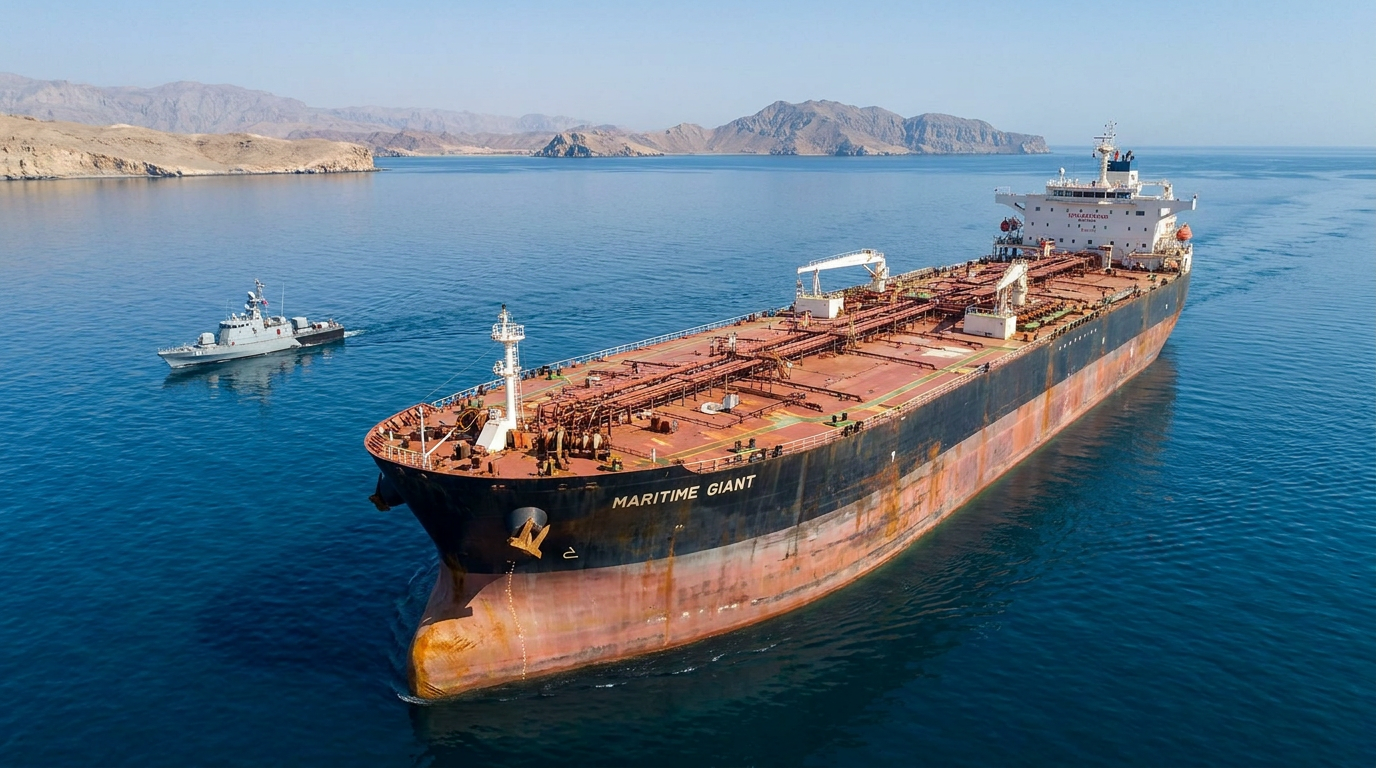
The United States and Iran have agreed to a 60-day ceasefire and a framework to end their three-month conflict, reopening the critical Strait of Hormuz to global shipping.
By Factlen Editorial Team
- U.S. Administration
- Focuses on halting military hostilities, capping Iran's nuclear program, and restoring the free flow of global energy.
- Iranian Leadership
- Views the deal as a victory that forces the lifting of the U.S. naval blockade and secures massive economic reconstruction funds.
- Global Markets & Central Banks
- Relieved by the drop in oil prices and reduced stagflation risks, but remains cautious until a permanent treaty is signed.
- Maritime & Legal Observers
- Deeply concerned by Iran's stated intent to eventually charge transit tolls in the Strait of Hormuz, viewing it as a violation of international law.
What's not represented
- · Lebanese Government / Hezbollah
- · Oman / Regional Mediators
Why this matters
The three-month conflict severely disrupted global energy markets and supply chains by choking off the Strait of Hormuz. This 60-day truce immediately lowers global oil prices and eases inflationary pressures, though long-term stability depends on a highly complex final nuclear and financial settlement.
Key points
- The U.S. and Iran have signed a 14-point memorandum of understanding to end their three-month military conflict.
- The agreement establishes a 60-day ceasefire and requires the U.S. to lift its naval blockade within 30 days.
- Iran will allow commercial vessels to pass through the Strait of Hormuz free of charge during the 60-day window.
- The U.S. and regional partners committed to developing a $300 billion economic reconstruction plan for Iran.
- Global oil prices dropped to a three-month low, prompting the Bank of England to hold interest rates steady.
- Iranian officials insist they will eventually charge transit fees in the strait, setting up a major clash for the final negotiations.
The United States and Iran have remotely signed a 14-point "Islamabad Memorandum of Understanding," initiating a 60-day ceasefire intended to permanently end a three-month conflict that has destabilized the Middle East and choked global energy markets. Mediated by Pakistan, the framework agreement halts military operations on all fronts, including the Israel-Hezbollah border in Lebanon, and sets the stage for comprehensive negotiations in Switzerland.[1][2][5][7]
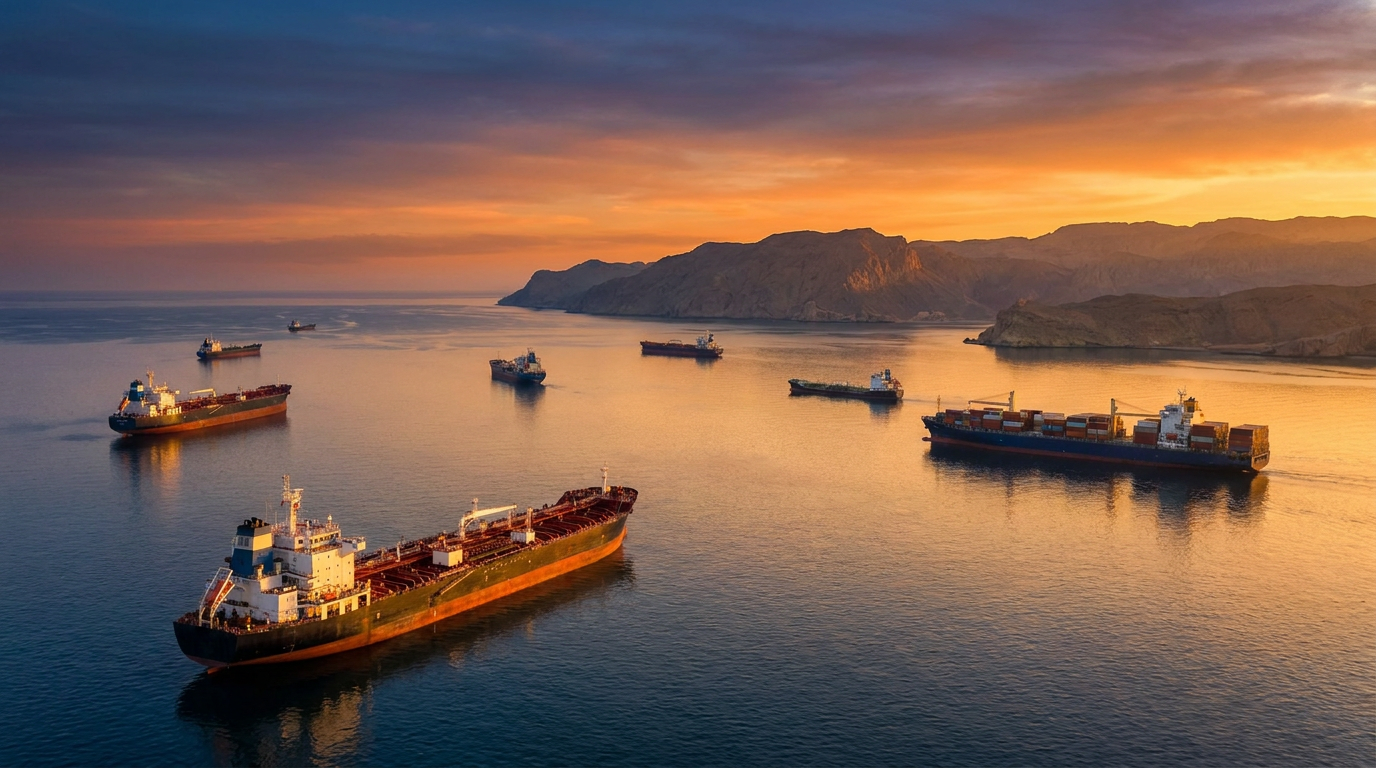
The immediate economic relief centers on the Strait of Hormuz, a critical maritime chokepoint that handles roughly one-fifth of global seaborne oil trade. Under the memorandum, Iran has agreed to ensure the safe passage of commercial vessels "with no charge" for the duration of the 60-day window. In return, the United States will begin dismantling its naval blockade of Iranian ports immediately, with a commitment to fully end the blockade within 30 days.[2][5]
The conflict, which began in late February 2026, had reduced traffic through the strait by up to 95%, creating a daily global shortfall of approximately 13 million barrels of oil. The signing of the memorandum triggered an immediate drop in global oil prices, sending them to a three-month low as markets priced in the resumption of normal energy flows.[3][4][6]

Central banks are already factoring the truce into their macroeconomic forecasts. The Bank of England opted to hold its benchmark interest rate at 3.75% on Thursday, with policymakers noting that the U.S.-Iran agreement significantly eases the threat of a stagflationary shock. However, British officials warned that inflation will likely linger, and the Bank's monetary policy committee stressed that the Middle East remains a "dominant source of uncertainty" until a final deal is secured.[3][4]
Central banks are already factoring the truce into their macroeconomic forecasts.
The 14-point text defers several of the most intractable issues to the upcoming 60-day negotiation period. Chief among them is Iran's nuclear program. For now, Tehran has agreed to maintain the "status quo" of its nuclear enrichment, while Washington has committed to imposing no new sanctions and deploying no additional forces to the region.[1][5]
The financial components of the framework are vast and highly ambitious. The United States and its regional partners have undertaken to develop a definitive plan allocating at least $300 billion for the reconstruction and economic development of Iran. The U.S. Treasury will also issue immediate waivers allowing Iran to export crude oil and access associated banking and insurance services.[2][5][6]

Despite the diplomatic breakthrough, significant friction remains over the future management of the Strait of Hormuz. While the memorandum guarantees free passage for 60 days, Iranian officials have publicly stated their intention to eventually charge a "payment for services" to commercial vessels transiting the waterway. Tehran frames these proposed fees as voluntary compensation for navigational assistance, security, and environmental protection.[8]
This proposed toll system faces fierce opposition from the United States, European nations, and neighboring Gulf states, who argue it violates the United Nations Convention on the Law of the Sea (UNCLOS) provisions guaranteeing free transit passage through international straits. Resolving this maritime dispute will be a central challenge for negotiators in Geneva, as Western powers refuse to legitimize a pay-to-pass regime in international waters.[6][8]
If negotiators successfully convert the 14-point memorandum into a final, comprehensive treaty within the 60-day window, the agreement is slated to be endorsed by a binding United Nations Security Council resolution. Should the talks collapse, U.S. officials have warned that military operations and the naval blockade could swiftly resume.[2][5][7]
How we got here
Late Feb 2026
Conflict erupts, leading to a U.S. naval blockade and the effective closure of the Strait of Hormuz.
Spring 2026
Global oil traffic drops by up to 95% through the strait, causing severe energy shortfalls and inflation fears.
June 14, 2026
U.S. and Iranian negotiators reach a preliminary framework agreement mediated by Pakistan.
June 17, 2026
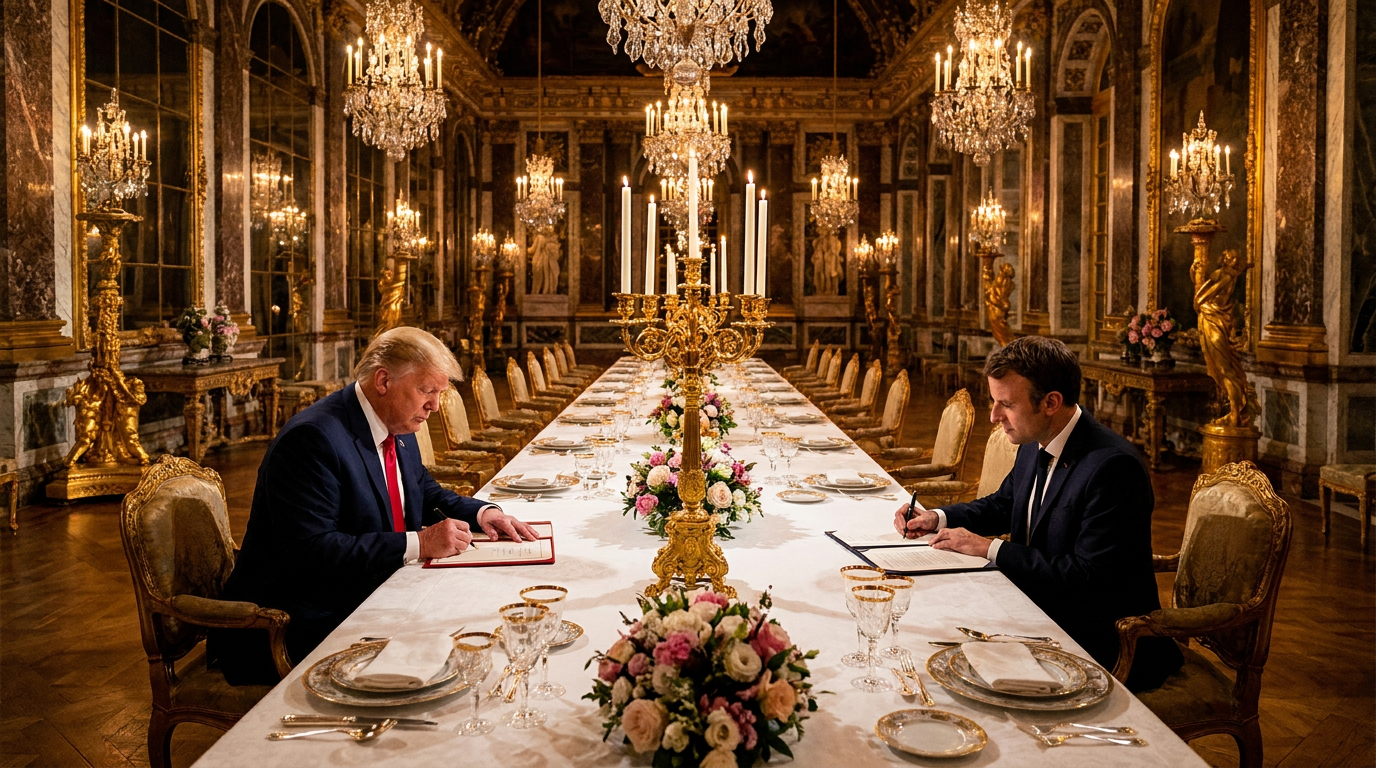
President Trump and President Pezeshkian remotely sign the 14-point Islamabad Memorandum of Understanding.
June 18, 2026
The Bank of England holds interest rates steady as global oil prices drop in response to the truce.
Mid-August 2026
The 60-day negotiation window expires, the deadline for a final, binding UN-backed treaty.
Viewpoints in depth
The U.S. and Allied View
A necessary framework to prevent regional war and stabilize the global economy.
For Washington and its European allies, the 14-point memorandum is a pragmatic mechanism to de-escalate a conflict that was rapidly spiraling out of control. By securing a 60-day freeze on Iran's nuclear program and an immediate reopening of the Strait of Hormuz, the U.S. achieves its primary short-term security and economic goals. However, U.S. officials remain highly skeptical of Iran's long-term compliance and have made clear that the naval blockade and military strikes will resume if a final agreement cannot be reached.
Tehran's View
A diplomatic victory that shatters the blockade and promises historic economic relief.
Iranian officials are framing the Islamabad Memorandum as a capitulation by the West. From Tehran's perspective, the agreement successfully forces the withdrawal of the U.S. naval blockade and extracts a commitment for a staggering $300 billion in reconstruction funds. Furthermore, Iran views the 60-day window of 'free' passage through the Strait of Hormuz as a temporary concession, maintaining that it has the sovereign right to eventually charge international shipping for security and environmental services in its territorial waters.
The Economic View
Cautious optimism as energy markets normalize, tempered by geopolitical fragility.
Financial markets and central banks have reacted with immediate relief. The three-month closure of the Strait of Hormuz had choked off 13 million barrels of oil per day, threatening a global stagflationary crisis. With oil prices dropping to a three-month low, institutions like the Bank of England have breathing room to pause interest rate hikes. Yet, economists warn that the 60-day countdown introduces a new ticking clock; if the Geneva negotiations collapse, the resulting energy shock could be even more severe than the initial conflict.
What we don't know
- Whether the U.S. and Iran can successfully resolve their deep differences over Tehran's nuclear program within the tight 60-day window.
- How the proposed $300 billion reconstruction fund will be financed and managed without violating existing international sanctions.
- Whether Iran will actually attempt to enforce transit tolls on international shipping after the 60-day grace period expires.
Key terms
- Strait of Hormuz
- A narrow, strategically vital waterway between the Persian Gulf and the Gulf of Oman through which roughly 20% of the world's seaborne oil passes.
- Islamabad Memorandum of Understanding
- The formal name of the 14-point framework agreement signed by the U.S. and Iran, named for Pakistan's role as the primary mediator.
- Naval Blockade
- A military operation in which the U.S. Navy prevented commercial and military vessels from entering or leaving Iranian ports.
- UNCLOS
- The United Nations Convention on the Law of the Sea, an international treaty that guarantees the right of free transit passage through international straits.
Frequently asked
What does the 14-point plan actually do?
It establishes a 60-day ceasefire, lifts the U.S. naval blockade, reopens the Strait of Hormuz to commercial shipping, and sets the stage for negotiations on a final peace treaty and a $300 billion reconstruction plan for Iran.
Will ships have to pay to use the Strait of Hormuz?
Under the memorandum, passage is free for the next 60 days. However, Iran has stated it intends to charge a 'payment for services' after the truce expires, a move the U.S. and international community strongly oppose.
Does this mean Iran is giving up its nuclear program?
No. The agreement only requires Iran to maintain the 'status quo' of its current nuclear enrichment levels during the 60-day negotiation period. The ultimate fate of the program will be decided in the final deal.
How is this affecting the global economy?
The reopening of the Strait of Hormuz has immediately lowered global oil prices. This has eased inflation fears, prompting central banks like the Bank of England to hold off on raising interest rates.
Sources
Source coverage
8 outlets
4 viewpoints surfaced







[1]Al JazeeraIranian Leadership
What the Trump-Iran 14-point plan says about Lebanon, Hormuz and uranium
Read on Al Jazeera →[2]CBS NewsU.S. Administration
U.S., Iran remotely sign memorandum of understanding, White House official says
Read on CBS News →[3]The GuardianGlobal Markets & Central Banks
Bank of England leaves interest rates on hold and lowers inflation forecast amid Middle East 'uncertainty'
Read on The Guardian →[4]The New York TimesGlobal Markets & Central Banks
Inflation Will Linger Despite U.S.-Iran Deal, British Officials Warn
Read on The New York Times →[5]Al-MonitorU.S. Administration
Islamabad Memorandum of Understanding between the United States of America and the Islamic Republic of Iran
Read on Al-Monitor →[6]Council on Foreign RelationsMaritime & Legal Observers
What's in the US-Iran deal? Key details from the 14-point agreement
Read on Council on Foreign Relations →[7]Channel News AsiaMaritime & Legal Observers
What's in the US-Iran deal? Key details from the 14-point agreement
Read on Channel News Asia →Iran says it will charge a ‘payment for services’ in the Strait of Hormuz
Read on Al Jazeera →
More in news politics
See all 7 stories →Nuclear Diplomacy
Full Text of U.S.-Iran Memorandum of Understanding Released, Outlining Ceasefire and Nuclear Framework
7 sources
Iran Peace Deal
U.S. and Iran Sign 14-Point Memorandum to Halt War and Reopen Strait of Hormuz
8 sources
Ranked-Choice Voting
Evidence Pack: Does Ranked-Choice Voting Actually Reduce Political Polarization?
7 sources
US-Iran Deal
U.S. and Iran Sign 14-Point Memorandum to End War and Reopen Strait of Hormuz
7 sources
Every angle. Every day.
Get news politics stories with full source coverage and perspective breakdowns delivered to your inbox.