
Amazon, Target, and Walmart Move Massive Summer Sales Up to June
The retail industry's biggest summer discount events, including Amazon Prime Day, have abandoned their traditional July dates to kick off a fierce week of overlapping sales starting June 22.
By Factlen Editorial Team
- Bargain Hunters
- Focused on maximizing the overlapping sales, utilizing early access, and price-matching big-ticket items.
- Everyday Consumers
- Prioritizing discounts on groceries, household basics, and essentials to offset inflation.
- Retail Strategists
- Analyzing the calendar shift as a calculated move to capture early back-to-school spending and lock in consumer dollars.
What's not represented
- · Small Business Owners
- · Warehouse Workers
Why this matters
By shifting the biggest sales of the year from mid-July to late June, retailers are forcing shoppers to finalize their summer and back-to-school budgets weeks earlier than usual. The overlapping events offer a rare opportunity to price-match big-ticket items across all major competitors simultaneously.
Key points
- Amazon Prime Day and Target Circle Deal Days will both run from June 23 to June 26.
- Walmart Deals and Best Buy Tech Fest are launching slightly earlier, running from June 22 to June 28.
- Retailers are heavily discounting groceries and household essentials this year to appeal to inflation-weary shoppers.
- The synchronized timing allows consumers to easily price-match big-ticket items across all major platforms.
The summer shopping calendar just got a massive rewrite. For years, consumers have been trained to wait until mid-July for the retail industry's mid-year discount bonanza. But in 2026, the biggest players in commerce have abruptly moved their timelines forward, transforming the final week of June into a fierce, multi-front price war.[4]
Amazon fired the opening salvo by confirming that Prime Day 2026 will run from Tuesday, June 23 through Friday, June 26. The e-commerce giant has stretched its flagship event to a full four days, offering millions of exclusive deals globally. The shift from July to June marks one of the earliest Prime Day events on record, forcing competitors to scramble and match the new schedule.[1][7]
Target was quick to respond, announcing that its annual Target Circle Week—rebranded this year as Target Circle Deal Days—will run on the exact same dates: June 23 to June 26. To gain a slight edge, Target is offering early access starting June 22 for members of its paid Target Circle 360 tier. The retailer is promising discounts of up to 45% on kitchen appliances, floorcare, and apparel, alongside daily deal drops.[2][3]

Not to be outdone, Walmart and Best Buy have opted to bracket the competition by launching week-long events. Walmart Deals and Best Buy's Tech Fest will both kick off on June 22 and run through June 28. This overlapping schedule means that for one chaotic week, nearly every major American retailer will be running their deepest discounts of the summer simultaneously.[3][4]
Retail strategists note that this calendar shift is a calculated move to capture consumer spending earlier in the season. With inflation still squeezing household budgets, retailers are eager to lock in dollars before families depart for late-summer vacations or finalize their back-to-school shopping. By moving the sales up, companies are effectively extending the back-to-school buying window.[3][5]
Retail strategists note that this calendar shift is a calculated move to capture consumer spending earlier in the season.
The nature of the discounts is also shifting to reflect current economic realities. While Prime Day has historically been dominated by smart TVs and premium electronics, this year's sales heavily feature everyday essentials. Amazon, Target, and Walmart are all aggressively discounting groceries, personal care items, and household basics.[5]
"A lot of these retailers know that they've got to slash the prices of basics and grocery items," noted NBC's TODAY, highlighting that shoppers can expect 40% to 45% off cleaning supplies and deep discounts on summer cookout staples. Walmart, for instance, is rolling back prices on frozen foods and pantry staples, while Amazon is offering discounted groceries through Whole Foods and Amazon Fresh for Prime members.[5]

For tech enthusiasts, the early deals are already live and highly competitive. Amazon has begun dropping prices on Apple devices, gaming laptops, and smart home security systems. Best Buy's Tech Fest is promising up to 50% off select laptops, gaming headphones, and small appliances, setting up a direct price-matching battle with Amazon's electronics categories.[1][4][6]
The beauty sector is also joining the June rush. Sephora's Summer Sale is currently underway and runs through June 23, offering up to 50% off premium skincare and haircare brands. Target is countering with 40% off select beauty items during its Circle Deal Days, ensuring that personal care remains a highly contested category across the board.[2][4]
To navigate the overlapping sales, consumer advocates recommend that shoppers prepare immediately. Because the events require memberships—Amazon Prime, Target Circle, or Walmart+ for early access—buyers need to ensure their accounts are active and their payment methods are updated.[2][7]

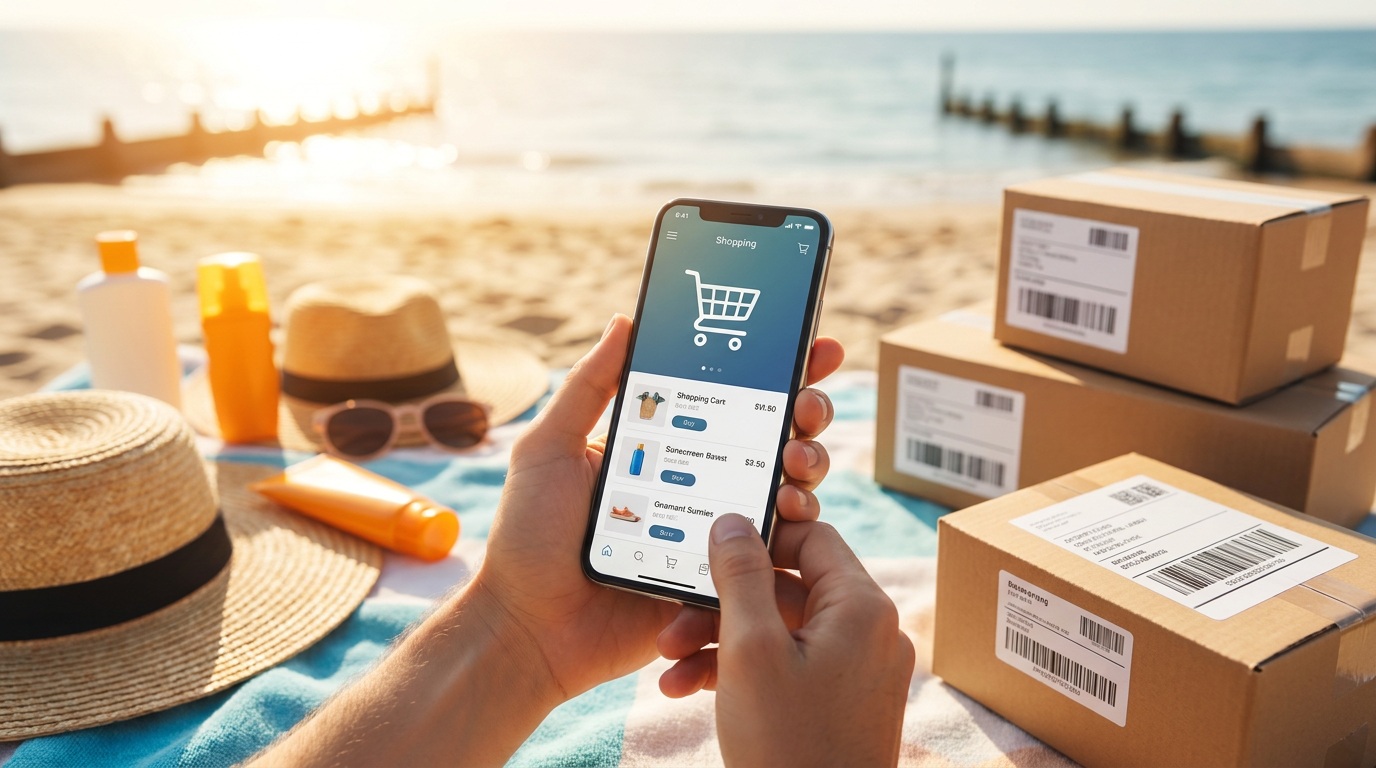
Experts advise building wishlists and adding items to digital carts before the sales officially begin on June 22 and 23. With daily deal drops and flash sales expected to sell out quickly, having a pre-set budget and a targeted list of necessities will be the most effective way to secure genuine bargains without falling victim to impulse purchases.[1][6]
Ultimately, the June 2026 retail showdown represents a win for consumers willing to do their homework. By forcing the biggest brands to compete in the exact same 96-hour window, shoppers have unprecedented leverage to cross-check prices and secure the best possible deals on everything from summer vacations to daily groceries.[3][5]
How we got here
2015
Amazon launches the first Prime Day in mid-July to celebrate its 20th anniversary.
2020-2021
Pandemic supply chain issues force Prime Day to shift to October and then June, temporarily disrupting the July tradition.
2022-2025
The major summer sales return to their standard mid-July scheduling across all major retailers.
June 2026
Amazon, Target, and Walmart permanently pull their flagship summer sales forward to the final week of June.
Viewpoints in depth
Bargain Hunters' Strategy
Maximizing discounts through overlapping sales and early-access memberships.
For dedicated deal hunters, the simultaneous timing of Prime Day, Target Circle Week, and Walmart Deals is a strategic advantage. Rather than waiting weeks between sales to compare prices, shoppers can cross-reference discounts in real-time. Enthusiasts are leveraging paid tiers like Target Circle 360 and Walmart+ to access drops a day early, ensuring they secure high-demand tech and apparel before inventory runs out.
Everyday Consumers' Focus
Using mega-sales to offset the rising cost of household essentials and groceries.
While flashy tech deals dominate the headlines, a massive segment of shoppers is treating the June sales as an inflation-relief valve. Consumers are bypassing the 4K TVs in favor of 40% discounts on cleaning supplies, bulk pantry items, and personal care products. Retailers have recognized this shift, heavily promoting rollbacks on frozen foods and daily necessities to drive traffic.
Retail Strategists' View
A calculated calendar shift to capture early summer and back-to-school spending.
Industry analysts view the move from July to June as a preemptive strike for market share. By launching sales before families leave for July vacations, retailers can lock in consumer budgets earlier in the season. Furthermore, the late-June timing subtly kickstarts the lucrative back-to-school shopping period, allowing brands to clear out summer inventory while simultaneously pushing autumn essentials.
What we don't know
- Whether the shift to June will become the permanent new standard for summer retail sales in 2027 and beyond.
- Exactly how much inventory retailers have allocated for the most heavily discounted 'doorbuster' tech items.
Key terms
- Target Circle 360
- Target's premium paid membership tier that offers perks like unlimited same-day delivery and early access to major sales events.
- Walmart+
- Walmart's subscription service providing members with free shipping, fuel discounts, and early access to product drops and sales.
- Daily Deal Drops
- Highly discounted items released in limited quantities for a short period, designed to keep shoppers returning to the site each day.
- Price-Matching
- The practice of comparing prices across competing retailers to ensure the lowest possible cost for a specific item.
Frequently asked
When is Amazon Prime Day 2026?
Amazon Prime Day will run for four days, from Tuesday, June 23 through Friday, June 26, 2026.
Do I need a membership to shop the sales?
Yes, the best deals require memberships. You will need Amazon Prime, Target Circle (free or the paid 360 tier for early access), and Walmart+ to access the deepest discounts.
Why did the sales move to June?
Retailers shifted their events from mid-July to late June to capture consumer spending earlier in the summer and get a head start on the back-to-school shopping season.
Are groceries included in the sales?
Yes. Amazon, Target, and Walmart are all offering significant discounts on household basics, pantry staples, and even fresh and frozen groceries to help shoppers combat inflation.
Sources
Source coverage
7 outlets
3 viewpoints surfaced







[1]ForbesBargain Hunters
Amazon Prime Day 2026: June Dates And The Best Early Deals
Read on Forbes →[2]NBC NewsRetail Strategists
Target Circle Week 2026 dates, and everything you should know about how to save
Read on NBC News →[3]Digital Commerce 360Retail Strategists
Target Circle Week returns in June, overlapping with Walmart and Amazon
Read on Digital Commerce 360 →[4]9to5ToysBargain Hunters
Summer 2026 deal schedule: Prime Day, Target, Walmart, and Best Buy
Read on 9to5Toys →[5]TODAYEveryday Consumers
Big summer sales are getting underway: Where to find the best discounts
Read on TODAY →[6]PCMagBargain Hunters
Shop Amazon's Ultimate Summer Sale Early With the Best Prime Day Tech Deals
Read on PCMag →[7]AmazonRetail Strategists
Prime Day 2026 deals preview: See the best deals to shop June 23-26
Read on Amazon →

More in shopping
See all 5 stories →

Every angle. Every day.
Get shopping stories with full source coverage and perspective breakdowns delivered to your inbox.