
Why Astrotourism and Dark Sky Parks Are 2026's Biggest Travel Trend
Travelers are increasingly planning national park vacations around the lunar calendar to experience pristine, unpolluted night skies. The rise of certified Dark Sky Parks offers a profound, awe-inspiring escape from urban light pollution.
By Factlen Editorial Team
- Conservationists & Park Rangers
- Focus on the ecological necessity of dark skies for nocturnal wildlife and the technical challenge of retrofitting park lighting to meet strict certification standards.
- Astrotourism Travelers
- Focus on the pursuit of 'awe,' the mental health benefits of disconnecting from urban environments, and the meticulous planning required around lunar cycles.
- Gateway Communities
- Focus on the delicate balance between capitalizing on the economic windfall of stargazing tourists and the regulatory hurdles of enforcing local lighting ordinances.
What's not represented
- · Commercial lighting manufacturers
- · Urban planners dealing with safety vs. light pollution
Why this matters
As urban light pollution erases the stars for the vast majority of Americans, knowing how and where to find pristine darkness allows travelers to reconnect with the natural world. Planning a trip around the night sky offers proven mental health benefits and a profound sense of perspective.
Key points
- Astrotourism has become a major 2026 travel trend as people seek pristine night skies.
- Light pollution has made the Milky Way invisible to the vast majority of Americans.
- DarkSky International certifies parks that protect their night skies through strict lighting standards.
- Stargazing offers proven mental health benefits, including stress reduction and a sense of awe.
- Travelers should plan trips around the new moon and use red-light flashlights to preserve night vision.
As the summer travel season of 2026 hits its stride, a quiet transformation is unfolding across the American West. Millions of travelers are packing their vehicles and heading toward the nation's most iconic public lands, but they are no longer arriving just for the daytime vistas. Instead, a growing demographic of visitors is waiting for the sun to dip below the horizon. They are chasing the stars. This movement, widely known as astrotourism, has rapidly evolved from a niche hobby for amateur astronomers into one of the year's most dominant travel trends. Driven by a desire to escape the relentless glow of urban environments, these travelers are seeking out the profound, quiet awe of the cosmos, transforming how the public interacts with the natural world.[2][5]
At its core, astrotourism is the intentional pursuit of destinations specifically chosen for their pristine, unpolluted night skies. In an era defined by hyper-connectivity, glowing screens, and artificial illumination, true darkness has become a rare and highly sought-after commodity. Travel industry analysts note that modern vacationers are increasingly prioritizing experiences that offer a deep sense of connection—not just to the earth, but to the broader universe. Combining the wonder of outdoor exploration with science-based education, astrotourism creates meaningful journeys that leave participants with a deeper appreciation of humanity's place within the cosmos. It is a profound shift away from traditional, fast-paced sightseeing toward a more contemplative form of travel.[4][5]
The driving force behind this trend is a phenomenon that has been slowly erasing the night sky for decades: light pollution. As urban and suburban areas expand, the artificial sky glow from streetlights, commercial buildings, and residential neighborhoods scatters into the atmosphere, creating a luminous haze that obscures the stars. Today, the vast majority of Americans live in areas where the Milky Way is completely invisible to the naked eye. This steady loss of the nighttime environment has sparked a counter-movement among conservationists and travelers alike, who recognize that a star-filled sky is a natural resource just as vital and fragile as clean water, old-growth forests, or endangered wildlife.[4][6]
Recognizing the urgency of this loss, the National Park Service has made the preservation of dark skies a central pillar of its modern conservation strategy. Federal land managers now view the nighttime environment as a critical component of a park's ecosystem, essential not only for human enjoyment but also for the nocturnal wildlife that relies on natural darkness for navigation, foraging, and reproduction. By actively measuring and protecting the darkness above their borders, national parks have become some of the last remaining sanctuaries where the celestial sphere can be observed exactly as it appeared to human ancestors thousands of years ago.[1][6]
The gold standard for these preservation efforts is the International Dark Sky Places Program. Founded in 2001 and managed by DarkSky International (formerly the International Dark-Sky Association), this rigorous, non-regulatory certification program recognizes communities, parks, and protected areas that demonstrate an exceptional commitment to preserving the night. Today, the United States boasts dozens of certified Dark Sky Parks, with new additions—such as Arizona's Organ Pipe Cactus National Monument—joining the global roster of over 400 protected locations. Achieving this status is a badge of honor that signals to astrotourists that a destination offers world-class stargazing conditions.[1][3]
Earning a Dark Sky certification is a massive, proactive undertaking that goes far beyond simply being located in a remote area. Parks must undergo a comprehensive audit of their existing infrastructure and commit to strict lighting management plans. This often involves retrofitting hundreds of outdoor fixtures—replacing glaring, unshielded white bulbs with fully shielded, amber-hued, energy-efficient lighting that directs illumination only exactly where it is needed on the ground. Furthermore, the application process requires parks to demonstrate robust community support and a long-term commitment to educating the public about the importance of responsible lighting practices.[1][3]
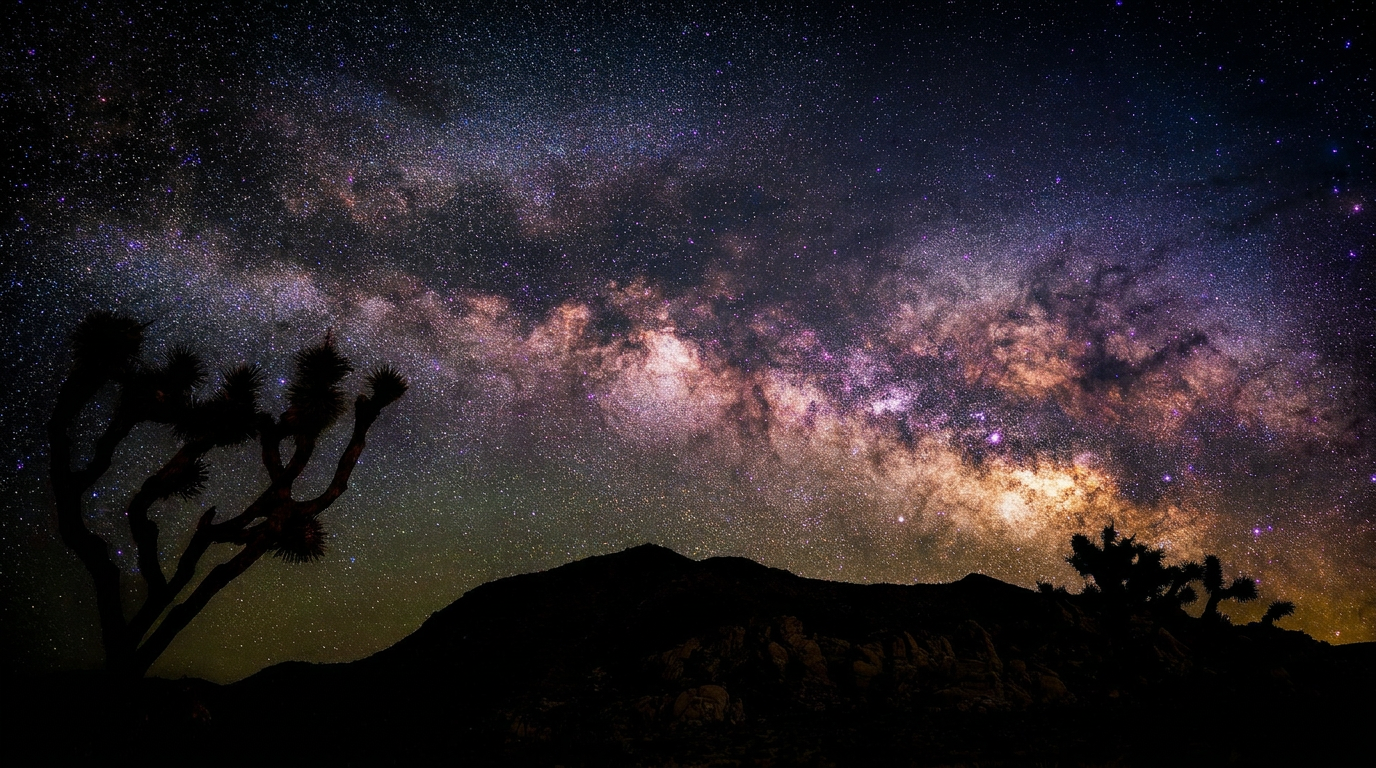
To quantify the quality of these night skies, astronomers and park officials rely on the Bortle Scale. This nine-level numeric system measures the brightness of the night sky and the visibility of celestial objects. A level 9 represents an inner-city sky where only the moon and a few of the brightest planets can pierce the urban glare. Conversely, a level 1 signifies pristine, natural darkness, where the Milky Way is so brilliantly defined that it can cast faint shadows on the ground, and thousands of individual stars are visible to the naked eye. Astrotourists actively seek out locations that score between a 1 and a 3 on the Bortle Scale to ensure the most immersive experience possible.[5][6]

To quantify the quality of these night skies, astronomers and park officials rely on the Bortle Scale.
The surge in astrotourism in 2026 is also heavily influenced by the calendar of celestial events. Following the widespread public excitement generated by recent solar eclipses, travelers are increasingly planning their vacations around specific astronomical phenomena. Meteor showers, planetary alignments, and supermoons are now major drivers of park visitation. Travel booking platforms report significant spikes in search interest for campsites and lodging near certified Dark Sky Parks during the weeks surrounding the Perseid meteor shower in August and the Geminids in December, indicating that the night sky is now a primary itinerary anchor rather than an afterthought.[2][5]
When it comes to premier destinations, Big Bend National Park in southwest Texas consistently ranks among the top choices for serious astrotourists. Bordering the Rio Grande, Big Bend is renowned for its unparalleled remoteness and expansive horizon views. Because it is situated hundreds of miles from any major metropolitan light source, the park offers some of the darkest skies in the lower 48 states. Visitors who make the long trek to this rugged desert landscape are rewarded with a celestial canopy so dense with stars that it can be disorienting for those accustomed to city skies, making it a bucket-list destination for astrophotographers.[2][5]
Elevation also plays a crucial role in the clarity of the night sky, which is why high-altitude parks are highly prized by stargazers. Great Basin National Park in Nevada and Bryce Canyon National Park in Utah offer exceptional viewing conditions thanks to their combination of clean, dry desert air and significant elevation above sea level. The thinner atmosphere at these heights reduces optical distortion, allowing for crystal-clear views of deep-space objects like the Andromeda Galaxy and the Pleiades star cluster. Bryce Canyon, which recently celebrated 50 years of astronomy programming, remains a flagship destination for its annual, multi-day Astronomy Festival.[1][5]
The astrotourism experience is rarely a solitary endeavor; it is heavily supported by dedicated park staff. National parks have invested significantly in astronomy-based interpretive programming to enhance the visitor experience. On any given summer night, park rangers—often armed with high-powered telescopes and green laser pointers—can be found leading 'star parties' in outdoor amphitheaters. These guided sessions help demystify the cosmos, teaching visitors how to navigate the constellations, understand the life cycle of stars, and appreciate the cultural history of indigenous peoples who used the night sky for navigation and storytelling.[1][3]

Beyond the educational value, researchers and travel experts are increasingly highlighting the profound wellness benefits associated with stargazing. The psychological experience of 'awe'—the feeling of encountering something so vast that it transcends one's current frame of reference—has been linked to tangible improvements in mental health. Studies suggest that spending time under a pristine night sky can reduce stress, lower anxiety, and foster a sense of perspective that diminishes the weight of daily personal concerns. For many travelers, astrotourism is as much a therapeutic retreat as it is a scientific expedition.[4][6]
This influx of night-sky seekers is also generating substantial economic benefits for the gateway communities situated just outside park boundaries. Astrotourism is a highly lucrative economic driver because it inherently requires overnight stays. Visitors who come for the stars must book hotel rooms, rent campsites, eat at local restaurants, and often hire local guides or outfitters. The National Park Service notes that Dark Sky certification directly creates economic opportunities for neighboring towns, transforming what was once considered 'empty' darkness into a valuable, sustainable tourism asset that supports local businesses year-round.[1][6]

However, protecting that economic asset requires ongoing cooperation from those very same gateway communities. A park's dark sky is only as secure as the lighting practices of its neighbors. Consequently, park officials work closely with local governments to pass and enforce outdoor lighting ordinances that restrict unshielded commercial signs, streetlights, and residential floodlights. While these regulations can sometimes face initial pushback from developers or residents concerned about visibility, the undeniable economic incentives of maintaining a dark sky—coupled with the energy savings of efficient lighting—often lead to strong, collaborative community buy-in.[1][6]
For those planning an astrotourism adventure, preparation is critical, and the most common mistake novices make is ignoring the lunar calendar. The moon is the largest source of natural light pollution, and a full moon acts like a giant spotlight in the sky, completely washing out faint stars, the Milky Way, and meteor showers. To experience true darkness, experts advise scheduling trips during the new moon phase, or in the few days immediately preceding it. Aligning a vacation with this narrow lunar window is the single most important factor in guaranteeing a successful stargazing experience.[2][5]
Proper gear and etiquette are also essential for preserving the delicate environment of a Dark Sky Park. Human eyes take approximately 20 to 30 minutes to fully adapt to the dark, a process that can be instantly ruined by a single flash of a smartphone screen or a white-light headlamp. Astrotourists are strongly encouraged to use red-light flashlights, which provide enough illumination to safely navigate trails without disrupting night vision. Additionally, travelers rely heavily on augmented-reality astronomy apps, which feature built-in red-light modes, to help identify constellations and track the movement of planets across the sky.[5][6]

As artificial light continues to encroach upon the remaining wild spaces of the globe, the certified Dark Sky Parks of the United States stand as vital, protected sanctuaries. They offer far more than just a beautiful view; they provide a direct, unfiltered connection to the infinite universe that has inspired human curiosity, art, and science for millennia. By championing the preservation of the night, the astrotourism movement ensures that the simple, profound act of looking up at a star-filled sky remains a possibility for generations to come.[3][4]
How we got here
2001
The International Dark Sky Places Program is founded to encourage the protection of dark sites.
2007
Natural Bridges National Monument in Utah becomes the world's first certified International Dark Sky Park.
2024
A major total solar eclipse across North America sparks a massive surge in public interest in astrotourism.
2026
Astrotourism becomes a dominant global travel trend, with travelers planning entire vacations around meteor showers and new moons.
Viewpoints in depth
Conservationists & Park Rangers
Focus on the ecological necessity of dark skies for nocturnal wildlife and the technical challenge of retrofitting park lighting.
For conservationists and federal land managers, the night sky is not merely a scenic backdrop; it is a critical component of a functioning ecosystem. Nocturnal wildlife relies heavily on natural darkness for navigation, foraging, and mating rituals, all of which are severely disrupted by artificial light. Park rangers emphasize that earning a Dark Sky certification is a grueling, multi-year process. It requires a complete audit of a park's infrastructure, the costly retrofitting of hundreds of light fixtures to amber-hued, shielded alternatives, and a relentless commitment to public education. Their goal is to prove that human recreation and pristine natural darkness can coexist sustainably.
Astrotourism Travelers
Focus on the pursuit of 'awe,' the mental health benefits of disconnecting, and the meticulous planning required around lunar cycles.
Astrotourists approach these parks with a blend of scientific curiosity and a desire for psychological restoration. Travel experts note that this demographic is highly motivated by the concept of 'awe'—the humbling realization of humanity's small place in a vast universe, which researchers link to reduced stress and improved well-being. However, these travelers also face steep logistical challenges. A successful astrotourism trip requires meticulous planning, often months in advance, to align vacation days with the new moon phase and favorable weather patterns. For these visitors, the reward of seeing the Milky Way cast a shadow far outweighs the complexities of the journey.
Gateway Communities
Focus on the delicate balance between capitalizing on the economic windfall of stargazing tourists and the regulatory hurdles of enforcing local lighting ordinances.
The towns situated just outside national park boundaries view astrotourism as a highly lucrative, year-round economic engine. Because stargazing inherently requires overnight stays, these communities benefit immensely from increased hotel bookings, restaurant sales, and guided tour revenues. However, local officials face the difficult task of maintaining the very darkness that attracts these tourists. Passing municipal lighting ordinances to restrict unshielded commercial signs and residential floodlights often sparks intense local debate. Town councils must constantly balance the economic incentives of Dark Sky tourism against the concerns of residents and developers who prioritize bright lighting for visibility and perceived safety.
What we don't know
- How rapidly expanding satellite constellations in low Earth orbit will impact the pristine quality of Dark Sky Parks in the coming decade.
- Whether the economic incentives of astrotourism will be enough to convince rapidly growing gateway communities to strictly enforce lighting ordinances long-term.
Key terms
- Astrotourism
- Traveling to destinations specifically chosen for their unpolluted night skies and celestial viewing opportunities.
- Bortle Scale
- A nine-level numeric scale used by astronomers to measure the brightness of the night sky and the visibility of stars.
- Light Pollution
- The artificial sky glow caused by urban lighting that scatters in the atmosphere and obscures the natural night sky.
- Zenith Brightness
- A scientific measurement of the darkness of the sky directly overhead, used to determine Dark Sky certification.
Frequently asked
When is the best time of month to go stargazing?
The best time is during the new moon phase, or the few days just before it, when the sky is darkest and moonlight doesn't wash out the stars.
Why do stargazers use red flashlights?
Red light does not disrupt the human eye's natural night vision, which can take up to 30 minutes to fully adapt to the dark.
What makes a park an official Dark Sky Park?
Parks must pass a rigorous certification process by DarkSky International, which requires retrofitting outdoor lighting and committing to public astronomy education.
Sources
Source coverage
6 outlets
3 viewpoints surfaced






[1]National Park ServiceConservationists & Park Rangers
Night Skies and Dark Sky Parks
Read on National Park Service →[2]ForbesAstrotourism Travelers
Astro-Tourism Is One Of The Biggest Travel Trends
Read on Forbes →[3]National Parks TravelerConservationists & Park Rangers
Organ Pipe Cactus National Monument Certified As A Dark Sky Park
Read on National Parks Traveler →[4]Road ScholarAstrotourism Travelers
Why Astrotourism is Experiencing a Boom
Read on Road Scholar →[5]Infanta Travel TrendsAstrotourism Travelers
USA – National Parks & Certified Dark Sky Sites 2026
Read on Infanta Travel Trends →[6]Factlen Editorial TeamGateway Communities
Synthesis by Factlen editorial team
Read on Factlen Editorial Team →

Every angle. Every day.
Get travel stories with full source coverage and perspective breakdowns delivered to your inbox.