
The Science of the Reverse Sear: Why Traditional Grilling Is Obsolete for Thick Steaks
By flipping the traditional cooking order and starting with low heat, the reverse sear method manipulates thermodynamics to produce edge-to-edge perfection and a superior crust.
By Lan Xu

In short
- Traditional high-heat searing creates a thermal gradient that overcooks the outer layers of the meat.
- Reverse searing starts with low heat (225–275°F) to cook the interior evenly from edge to edge.
- The low-heat phase acts as a dehydrator, evaporating surface moisture that would otherwise block browning.
For generations, culinary dogma dictated a strict sequence for cooking a steak: sear it over blazing high heat to "lock in the juices," then move it to a cooler zone to finish cooking. It was a technique passed down from professional kitchens to backyard grills, accepted as an immutable law of thermodynamics. But modern culinary science has thoroughly debunked the premise. Searing does not seal in moisture, and hitting a raw, cold piece of meat with extreme heat is a recipe for uneven cooking.
Enter the reverse sear. Pioneered in the early 2000s by barbecue innovators like Chris Finney and popularized by food scientists, this method flips the traditional script. Instead of starting hot, the meat is subjected to a gentle, low-temperature environment—usually between 225°F and 275°F—until it reaches an internal temperature just shy of the target doneness. Only then is it subjected to a brief, blistering sear.
To understand why this method produces superior results, one must examine the physics of thermal transfer. Meat is composed of roughly 75 percent water, which acts as an excellent insulator. When a thick steak is placed directly over a 500°F fire, the heat slogs slowly toward the center. By the time the very middle reaches a perfect medium-rare of 130°F, the outer layers have been subjected to intense heat for far too long.
The visual evidence of this thermal gradient is the dreaded "gray band"—a thick ring of overcooked, dry meat that surrounds the pink center of a traditionally grilled steak. Furthermore, extreme heat causes muscle fibers to violently constrict. Like wringing out a wet sponge, this rapid contraction physically squeezes moisture out of the meat, leaving the outer layers tough and dry.[1]
The reverse sear eliminates this violent thermal shock. By roasting the meat in a low-temperature oven or smoker, the heat penetrates gently and evenly. The internal temperature rises uniformly, meaning the meat just below the surface is the exact same temperature as the meat in the dead center. The result is edge-to-edge perfection with virtually no gray band.[1]
Beyond even cooking, the low-and-slow phase unlocks a biological advantage: enzymatic tenderization. Raw meat contains natural enzymes, such as calpains and cathepsins, which break down tough muscle proteins. These enzymes are highly active at warm temperatures but denature and stop working once the meat exceeds roughly 115°F. By slowly bringing the meat up to temperature, the reverse sear keeps the steak in this optimal tenderizing zone for a significantly longer period, resulting in a noticeably softer texture.
But the true genius of the reverse sear lies in how it manipulates the chemistry of the crust. The holy grail of a great steak is a dark, savory, caramelized exterior. This is achieved through the Maillard reaction, a complex chemical dance between amino acids and reducing sugars that produces hundreds of new flavor compounds.
The Maillard reaction is highly temperature-dependent. While it begins slowly at lower temperatures, it requires surface heat of at least 300°F to progress rapidly, with optimal browning occurring between 350°F and 400°F.
The primary enemy of the Maillard reaction is water. Water cannot exceed 212°F; at that point, it turns into steam. If the surface of a steak is wet, the heat of the pan is entirely consumed by the energy required to boil off that moisture. Until the water evaporates, the surface temperature of the meat cannot rise above 212°F, making browning chemically impossible.
Traditional searing fights a losing battle against moisture. As the raw meat hits the pan, muscle fibers contract and push water to the surface, creating a continuous layer of steam that inhibits crust formation. The cook is forced to leave the steak on the heat longer to achieve browning, which inevitably overcooks the interior.
The reverse sear elegantly solves the moisture problem. During the extended low-heat roasting phase, the warm convection air acts as a dehydrator, slowly evaporating the surface moisture of the meat. By the time the steak is ready for the final sear, its exterior is completely dry.
When this dry, pre-warmed steak hits a blazing hot cast-iron skillet or grill grate, the Maillard reaction occurs almost instantaneously. Because there is no surface water to boil off, the exterior temperature rockets past 300°F in seconds. The cook can achieve a spectacular, mahogany crust in just 45 to 60 seconds per side, minimizing the risk of overcooking the carefully protected interior.
In recent years, the reverse sear has frequently been compared to sous vide cooking, which also relies on precise, low-temperature cooking followed by a final sear. However, many culinary scientists argue the reverse sear is superior for steaks. Sous vide traps the meat in a vacuum-sealed bag, leaving it soaking wet in its own juices. The reverse sear's dry-heat environment actively prepares the surface for the Maillard reaction in a way that a water bath cannot.
The method also upends the traditional rules of resting meat. Conventional wisdom dictates that a steak must rest for ten minutes after cooking to allow constricted muscle fibers to relax and redistribute juices. If cut immediately, the pressurized juices bleed out onto the cutting board.
With a reverse sear, the resting phase can actually occur between the low-heat roast and the final sear. Because the final sear is so brief, it does not create a massive pressure gradient within the meat. This means a reverse-seared steak can be sliced and served sizzling hot, straight off the skillet, without losing its juices.[1]
Despite its scientific advantages, the technique has one strict limitation: thickness. The reverse sear is designed for substantial cuts of meat. If a steak is less than an inch and a half thick, the low-heat phase will cook it too quickly, leaving no thermal runway for the final sear. For thin cuts, the traditional hot-and-fast method remains the only viable option.
Key terms
- Maillard Reaction
- A chemical reaction between amino acids and reducing sugars that gives browned food its distinctive flavor, requiring temperatures above 300°F.
- Thermal Gradient
- The difference in temperature between the hot exterior of the meat and the cooler interior during cooking.
- Gray Band
- The ring of overcooked, dry, gray meat that forms just beneath the crust of a steak when cooked too quickly over high heat.
- Enzymatic Tenderization
- The process by which natural enzymes in meat break down tough proteins, occurring most rapidly at warm temperatures below 115°F.
Frequently asked
Does searing meat lock in the juices?
No. Searing does not create a waterproof seal. In fact, the high heat of searing causes muscle fibers to contract, which can actually squeeze juices out of the meat.
Can I reverse sear a thin steak?
It is not recommended. Steaks thinner than 1.5 inches will cook through too quickly during the low-heat phase, leaving no time to develop a crust without overcooking the center.
Do I need to rest a reverse-seared steak?
While resting is crucial, with a reverse sear you can rest the meat after the low-heat phase and before the final sear. This allows you to serve the steak sizzling hot right out of the pan.
Is reverse searing better than sous vide?
Many chefs prefer reverse searing for steaks because the dry heat of the oven evaporates surface moisture, leading to a much better crust. Sous vide leaves the meat wet, which inhibits the Maillard reaction.
Viewpoints in depth
The Culinary Science View
Focuses on the precise manipulation of temperature and chemistry.
For food scientists and thermal experts, the reverse sear is a triumph of physics over tradition. By separating the cooking process into two distinct phases, cooks can optimize for two conflicting goals: internal tenderness and external crust. Low heat prevents the violent constriction of muscle fibers, retaining moisture and allowing natural enzymes to tenderize the meat. Meanwhile, the dry environment perfectly primes the surface for the Maillard reaction, proving that moisture, not lack of heat, is the true enemy of a good sear.
The Barbecue Purist View
Emphasizes flavor development, smoke integration, and texture.
Pitmasters and barbecue enthusiasts champion the reverse sear because it bridges the gap between smoking and grilling. The extended low-heat phase allows thick cuts of beef to absorb wood smoke—a flavor profile impossible to achieve with a rapid hot-and-fast sear. Furthermore, purists argue that the dry-heat crust developed on a cast-iron skillet or over live coals is texturally superior to the softer finish often produced by wet-cooking methods like sous vide.
The Home Cook View
Values consistency, stress reduction, and foolproof results.
For everyday cooks, the primary appeal of the reverse sear is its wide margin for error. Traditional grilling requires split-second timing; leaving a steak on high heat for just one minute too long can ruin an expensive cut. The reverse sear's slow climb to the target temperature allows cooks to monitor the meat easily with a digital thermometer. Additionally, the ability to rest the meat before the final sear simplifies meal timing, allowing the steak to be served immediately after it leaves the pan.
- Culinary Scientists
- Focus on the thermodynamics, enzymatic breakdown, and chemical reactions that make the method superior.
- Barbecue Purists
- Value the method for its ability to impart smoke flavor and create a superior, crusty exterior.
- Modern Home Cooks
- Appreciate the method for its foolproof nature, consistency, and advantages over sous vide.
Perspectives this story doesn't cover
- Vegetarian/Vegan culinary scientists
- Commercial high-volume restaurant chefs
Sources
Source coverage
2 outlets
3 viewpoints surfaced


- [1]Complete CarnivoreBarbecue Purists
Reverse Sear vs Regular Sear: The Ultimate Test
Read on Complete Carnivore → - [2]Factlen Editorial TeamModern Home Cooks
Synthesis by Factlen editorial team
Read on Factlen Editorial Team →
More in Food & Drink
See all →Supply Chain
New Global Maritime Rule Classifies Charcoal as 'Dangerous Goods,' Reshaping the BBQ Supply Chain
8 sources

Agricultural Economics
Record Beef Prices Sizzle for Grilling Season as U.S. Cattle Herd Hits 75-Year Low
4 sources
Commodity Markets
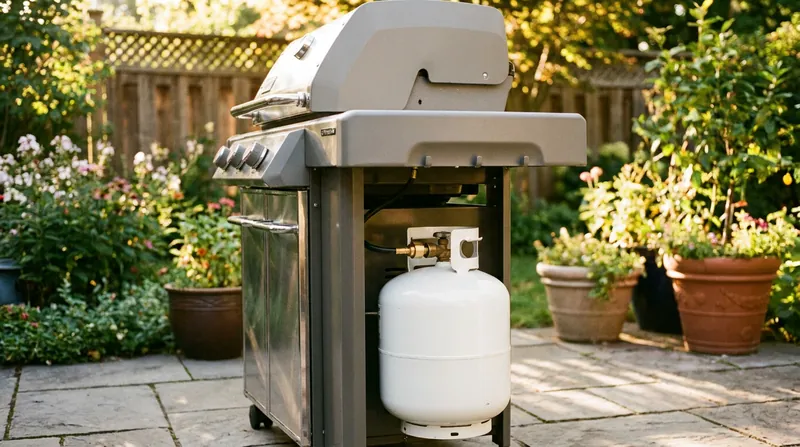
How Record Inventories Are Driving Down Propane Prices for the 2026 Grilling Season
5 sources
Supply Chain
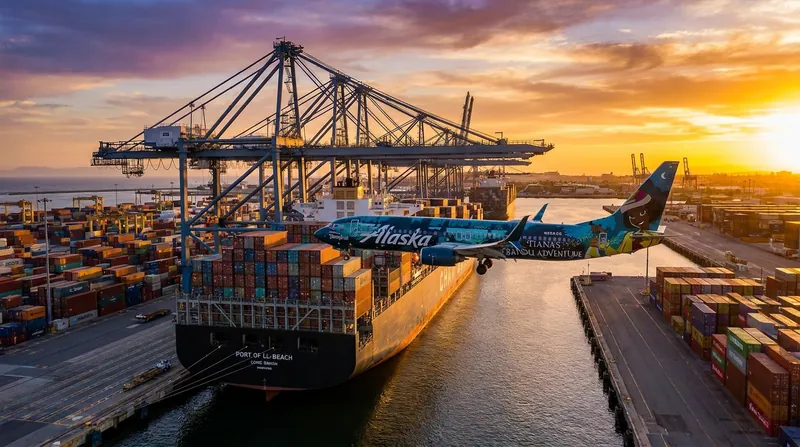
Mandatory Global Shipping Rules Reclassify Charcoal as 'Dangerous Goods,' Rewiring the Supply Chain
4 sources
Comments
Every angle. Every day.
Get Food & Drink stories with full source coverage and perspective breakdowns, free every day.