
U.S. and Iran Sign Historic Memorandum to End 110-Day War and Reopen Strait of Hormuz
The United States and Iran have signed a 14-point framework agreement establishing a 60-day ceasefire, lifting mutual maritime blockades, and initiating talks on a $300 billion reconstruction fund.
By Factlen Editorial Team
- U.S. Administration & G7 Allies
- Views the agreement as a historic diplomatic breakthrough that prevents nuclear proliferation and secures global energy routes.
- Iranian Leadership
- Focuses on the lifting of the naval blockade, the unfreezing of assets, and the $300 billion reconstruction fund as essential economic victories.
- Israeli Security Establishment
- Warns that the deal prematurely lifts economic pressure on Tehran without permanently dismantling its nuclear infrastructure or proxy networks.
- Regional Mediators
- Prioritizes immediate military de-escalation, maritime security, and regional economic stability over long-term ideological goals.
What's not represented
- · Lebanese civilians affected by the Hezbollah-Israel border conflict
- · Global shipping and maritime insurance underwriters
Why this matters
The reopening of the Strait of Hormuz immediately stabilizes global energy markets, lowering fuel costs and averting a deeper international economic crisis. However, the fragile 60-day window means the threat of renewed, large-scale conflict in the Middle East remains if final nuclear negotiations collapse.
Key points
- The U.S. and Iran signed a 14-point Memorandum of Understanding to end their 110-day war.
- The agreement triggers an immediate 60-day ceasefire and the mutual lifting of maritime blockades.
- Iran will reopen the Strait of Hormuz, while the U.S. ends its naval embargo on Iranian ports.
- A proposed $300 billion international investment fund aims to rebuild Iran's economy.
- Sanctions relief is strictly tied to Iran down-blending its highly enriched uranium stockpile.
- Both nations have 60 days to negotiate a final, binding UN Security Council resolution.
The United States and Iran have officially signed a landmark 14-point Memorandum of Understanding to end a devastating 110-day war, establishing an immediate 60-day ceasefire and paving the way for the reopening of the Strait of Hormuz. The preliminary agreement, brokered heavily by Pakistani Prime Minister Shehbaz Sharif, halts a high-intensity conflict that began in late February and sent unprecedented shockwaves through the global energy market. By mutually lifting crippling maritime embargoes, the framework offers the first concrete step toward de-escalation in a war that has reshaped Middle Eastern geopolitics and threatened to trigger a worldwide economic depression.[2][3][4][7]
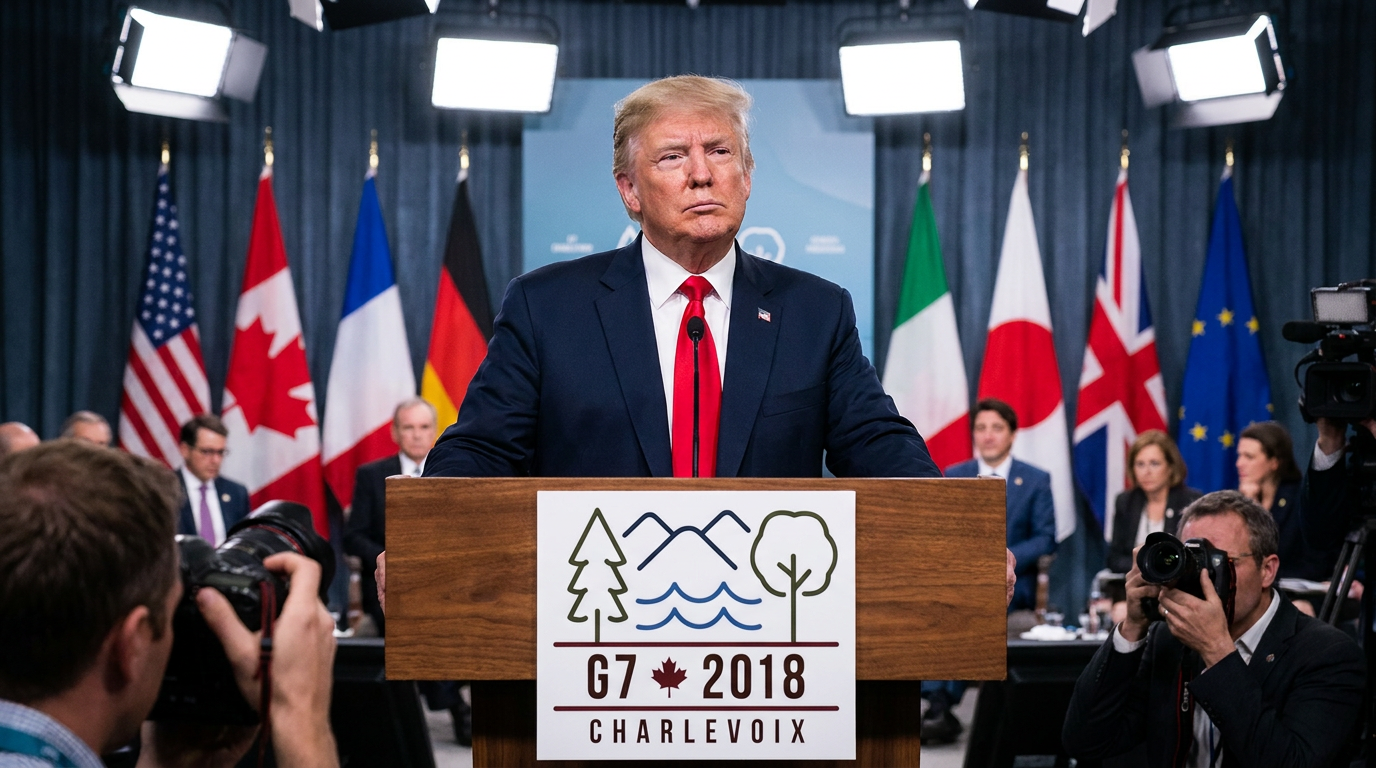
U.S. President Donald Trump signed the document during a dinner with French President Emmanuel Macron at the Group of Seven summit in Évian-les-Bains, France, shortly after Iranian President Masoud Pezeshkian authorized the deal in Tehran. The physical signatures followed a remote digital approval process earlier in the week involving U.S. Vice President JD Vance and Iranian Parliament Speaker Mohammad-Bagher Ghalibaf. G7 leaders immediately praised the breakthrough, releasing a joint statement that commended the diplomatic effort as a historic opportunity to prevent nuclear proliferation and restore stability to international trade routes.[1][2]
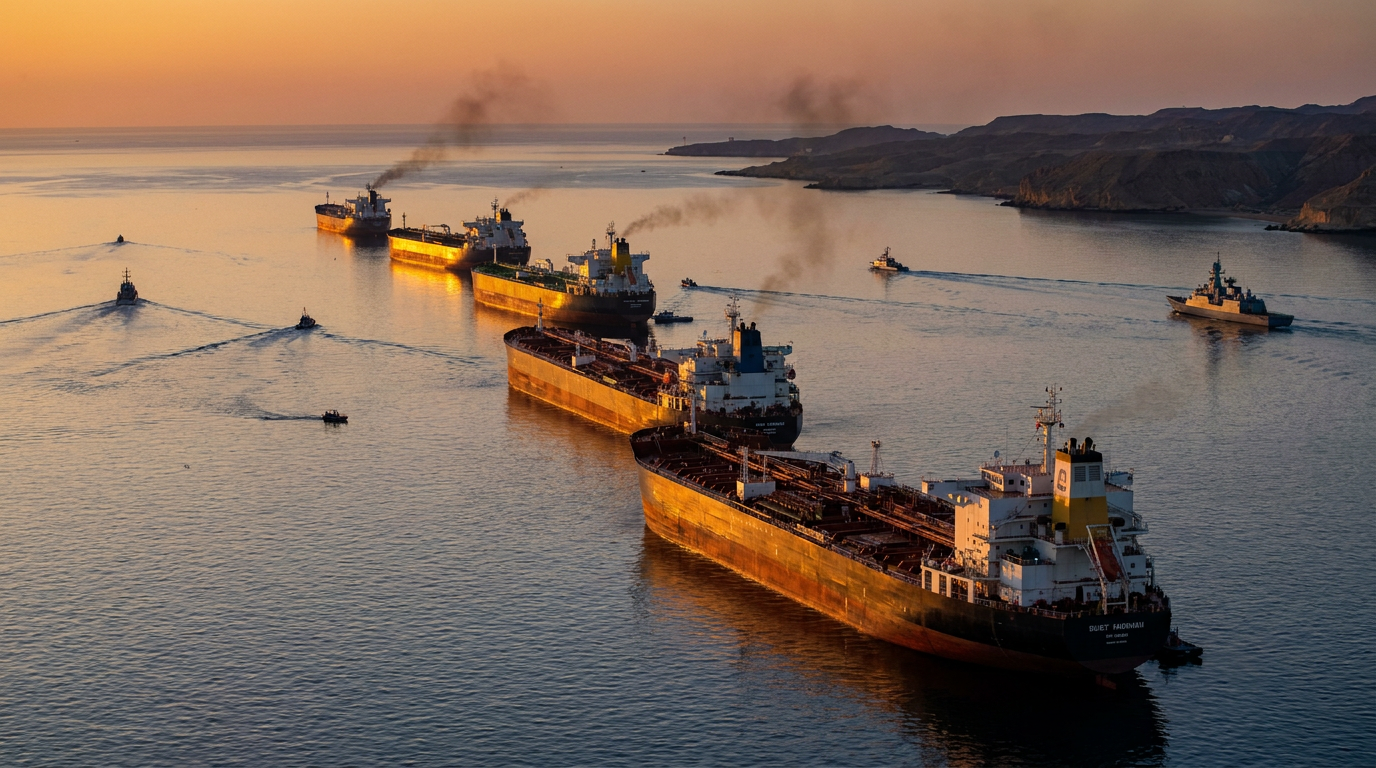
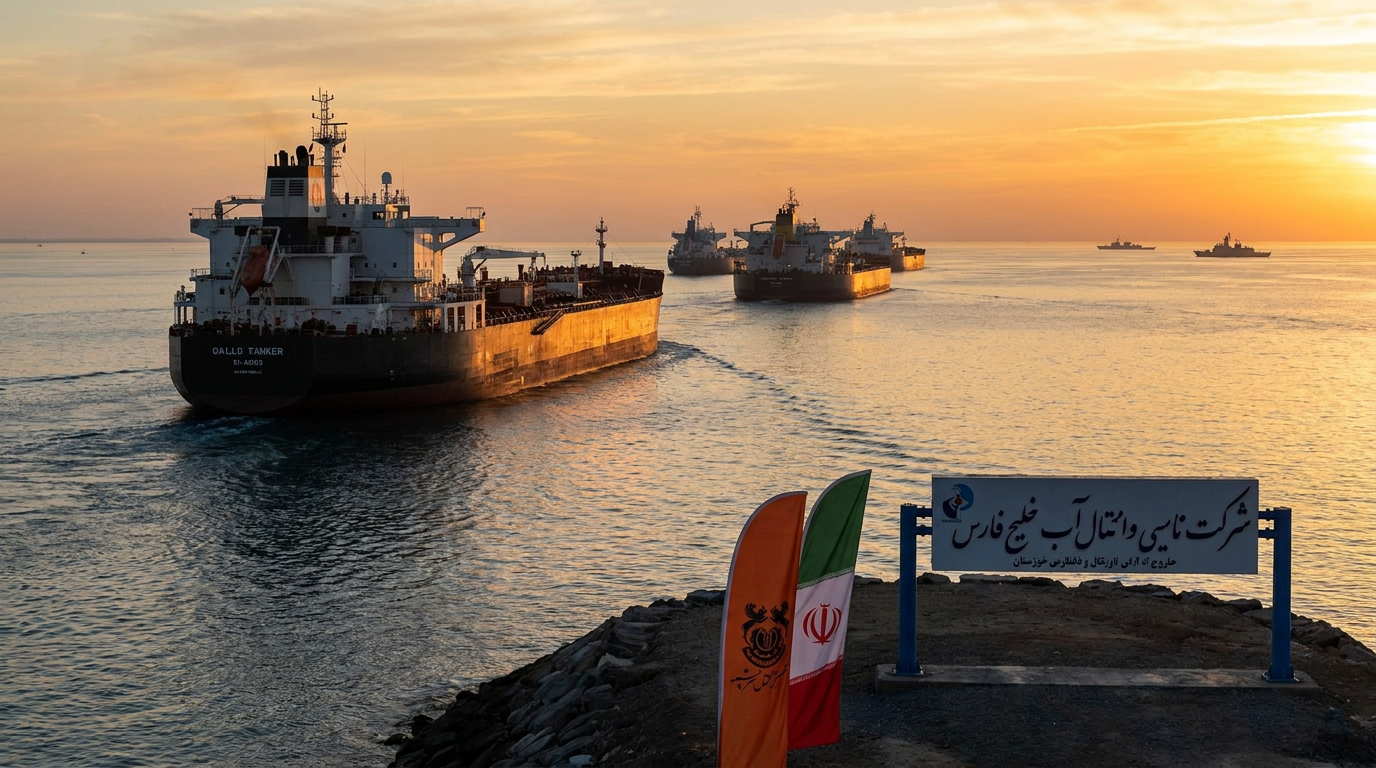
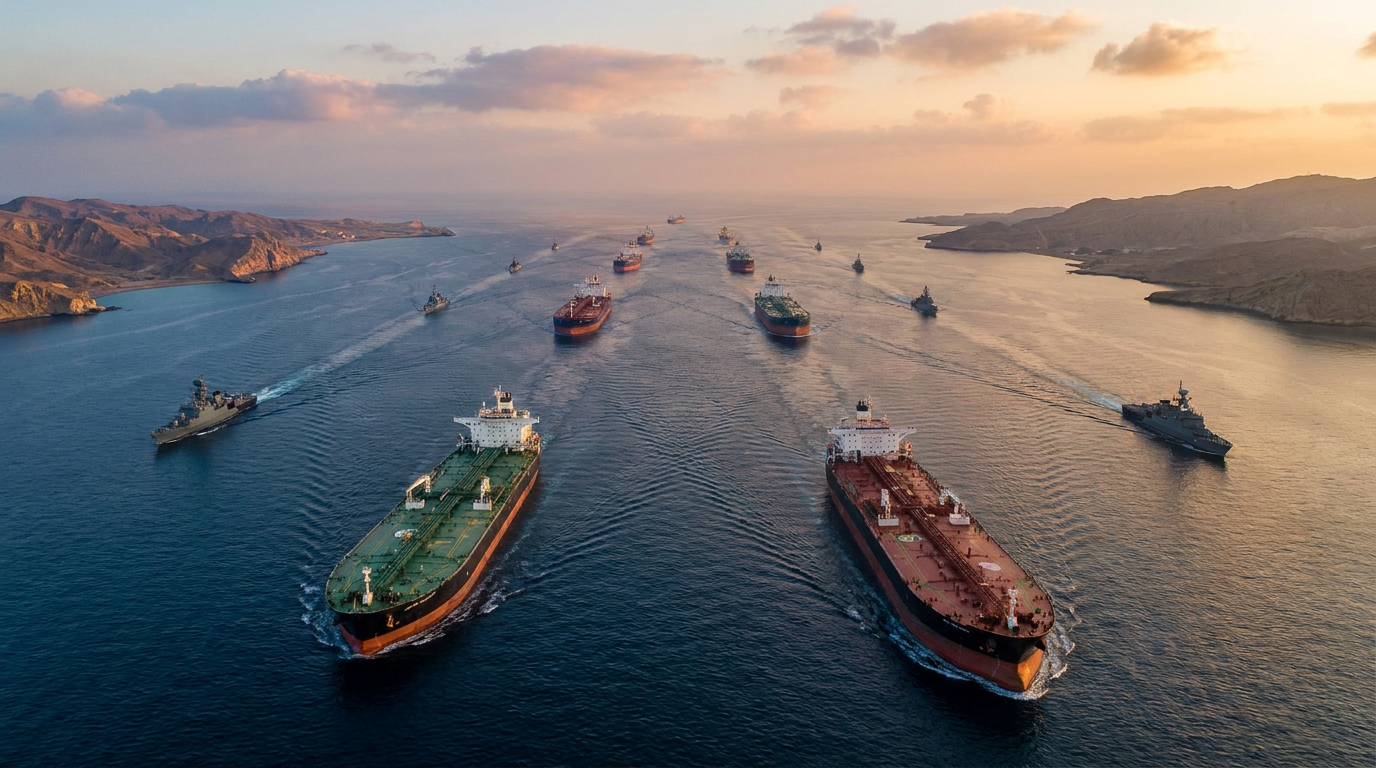
The immediate centerpiece of the framework is the mutual lifting of maritime blockades that have choked global commerce. Iran has agreed to instantly reopen the Strait of Hormuz—a critical maritime chokepoint that typically handles 20 percent of the world's traded petroleum and a quarter of global liquefied natural gas. In exchange, the United States will immediately terminate its comprehensive naval blockade of Iranian ports. Global markets surged on the news of the impending energy relief, with Japan's benchmark Nikkei index crossing the historic 71,000 mark for the first time and international crude oil prices tumbling.[2][4][6][7]

Beyond the critical waterways, the memorandum mandates a permanent termination of military operations on all fronts, explicitly including the volatile border in Lebanon. This provision effectively requires Tehran to rein in Hezbollah forces, a major concession aimed at preventing the conflict from spilling further into the Levant. However, U.S. officials noted that Israel, which is not a formal party to the bilateral agreement, retains the inherent right to respond to any localized attacks, leaving the northern Israeli border in a state of tense uncertainty.[2][3]
The most heavily debated economic component of the peace deal is a proposed $300 billion reconstruction and investment fund for Iran. U.S. officials and allied diplomats describe the massive package as a private investment vehicle funded by Gulf Arab states, Asian partners, and international corporations. The fund is designed to provide Tehran with a compelling economic incentive to finalize a permanent treaty, focusing on infrastructure and energy development rather than direct cash transfers from Western governments. Vice President Vance emphasized that access to these funds is strictly contingent on Iran honoring its end of the obligations.[5][8]
The most heavily debated economic component of the peace deal is a proposed $300 billion reconstruction and investment fund for Iran.
However, the framing of this multibillion-dollar fund has sparked fierce domestic political debates in both countries. While the Trump administration insists no U.S. taxpayer money is involved and has dismissed claims of direct payouts as political misinformation, Iranian state media has aggressively presented the package as guaranteed war reparations. The agreement also facilitates the eventual release of frozen Iranian assets held abroad, though U.S. negotiators emphasized that these funds will only become accessible upon the verified implementation of the deal's broader terms, ensuring Washington maintains economic leverage.[2][5][8]

The framework explicitly ties this broad sanctions relief to a final, verifiable settlement regarding Iran's nuclear program. During the 60-day negotiation window, the two nations will discuss technical mechanisms for Iran to down-blend its 440-kilogram stockpile of highly enriched uranium, rendering it unusable for weaponization. Tehran reaffirmed in the text of the memorandum that it will not procure or develop nuclear weapons under any circumstances, a stipulation that G7 leaders highlighted as the primary strategic victory of the negotiations.[1][2]
Despite the diplomatic breakthrough, maritime security experts warn that the Strait of Hormuz will not return to normal commercial operations overnight. The waterway remains heavily mined from the intense naval conflict, requiring a slow, highly specialized, and costly demining operation before international shipping conglomerates and maritime insurance companies will authorize full-scale transit. Furthermore, Iran has signaled intentions to establish a Persian Gulf Strait Authority to charge fees for maritime services in the strait, a move that could directly complicate the U.S. assertion of a permanently toll-free passage.[2][6]
The war, which erupted on February 28 following U.S. and Israeli strikes that resulted in the death of Iranian Supreme Leader Ali Khamenei, fundamentally altered the Middle Eastern security landscape. The ensuing months saw Iran close the strait and launch unprecedented counter-strikes against regional U.S. military installations, prompting a severe U.S. counter-blockade that paralyzed the Iranian economy. The conflict forced European nations to scramble for alternative energy routes and pushed the global supply chain to its breaking point.[3][4][6]

While European allies expressed profound relief over the stabilization of energy routes, the agreement has faced intense skepticism from the Israeli security establishment. Former advisers to Israeli Prime Minister Benjamin Netanyahu warned that lifting the economic pressure on Tehran provides the regime with a vital financial lifeline without guaranteeing the permanent dismantlement of its nuclear infrastructure. Skeptics argue that the 60-day window allows Iran to regroup and potentially leverage the $300 billion fund to rebuild its proxy networks across the region.[2][8]
Ultimately, the current memorandum serves only as a fragile bridge to a comprehensive treaty. Both Washington and Tehran have exactly 60 days to forge a final agreement, which would require formal endorsement via a binding United Nations Security Council resolution to ensure international compliance. U.S. officials have made it explicitly clear that either side can walk away at any time, with President Trump warning that the U.S. military is fully prepared to resume bombing operations if the negotiations collapse or if Iran violates the ceasefire.[1][2][7]
How we got here
Feb 28, 2026
U.S. and Israeli forces launch strikes on Iran, resulting in the death of Supreme Leader Ali Khamenei and triggering the war.
Mar 19, 2026
The U.S. begins an aerial campaign to reopen the Strait of Hormuz after Iran blockades the critical maritime route.
Apr 13, 2026
The United States imposes a comprehensive naval blockade on Iranian ports following the collapse of early ceasefire talks.
Jun 17, 2026
President Trump and President Pezeshkian officially sign the 14-point Memorandum of Understanding, initiating a 60-day ceasefire.
Viewpoints in depth
U.S. Administration & G7 Allies
Framing the agreement as a triumph of economic pressure and diplomatic leverage.
Western leaders argue that the 110-day military campaign successfully forced Tehran to the negotiating table on terms favorable to global security. By securing an explicit commitment from Iran to down-blend its enriched uranium and halt proxy operations in Lebanon, the U.S. and its allies believe they have neutralized the immediate threat of a nuclear-armed Iran. The administration emphasizes that the $300 billion fund is a private-sector incentive, not a taxpayer-funded concession, ensuring that economic relief is strictly conditional on verifiable compliance.
Iranian Leadership
Viewing the deal as a necessary economic rescue and a victory against Western blockades.
For Tehran, the memorandum represents a critical off-ramp from a devastating war that paralyzed its economy. Iranian officials are heavily promoting the $300 billion reconstruction fund and the unfreezing of foreign assets as guaranteed reparations for the damage inflicted by U.S. and Israeli strikes. Domestically, the leadership is framing the reopening of the Strait of Hormuz not as a concession, but as a strategic maneuver that forced the United States to lift its crippling naval blockade on Iranian ports, preserving the regime's sovereignty.
Israeli Security Establishment
Expressing deep concern over the premature lifting of economic and military pressure.
Israeli officials and regional skeptics view the 60-day ceasefire as a dangerous reprieve for a weakened Iranian regime. They argue that the influx of foreign capital and the lifting of the naval blockade will allow Tehran to rebuild its military infrastructure and refund proxy groups like Hezbollah, despite the text's prohibitions. The Israeli security establishment remains unconvinced that down-blending uranium permanently eliminates Iran's nuclear ambitions, warning that the agreement trades long-term regional security for short-term economic stability.
What we don't know
- Whether Iran will successfully down-blend its uranium stockpile within the 60-day window.
- How quickly international insurance companies will clear commercial vessels to transit the heavily mined Strait of Hormuz.
- If Israel will abide by the ceasefire terms in Lebanon, given it is not a formal signatory to the agreement.
Key terms
- Memorandum of Understanding (MOU)
- A formal, preliminary agreement between nations that establishes a framework for future, binding treaty negotiations.
- Strait of Hormuz
- A narrow waterway between the Persian Gulf and the Gulf of Oman through which roughly 20 percent of the world's traded petroleum passes.
- Uranium Down-blending
- The process of mixing highly enriched uranium with lower-grade material so it can no longer be used to produce nuclear weapons.
Frequently asked
Is the war completely over?
Not permanently. The current agreement is a 60-day ceasefire meant to allow for negotiations on a final, binding peace treaty.
Who is paying the $300 billion to Iran?
U.S. officials state the fund relies on private investments and Gulf state contributions, not U.S. taxpayer dollars, though Iran views it as guaranteed reconstruction compensation.
When will oil shipping return to normal?
While the blockade is officially lifted, the Strait of Hormuz must first be cleared of sea mines, a process that could take weeks or months.
Does the deal affect the conflict in Lebanon?
Yes, the agreement mandates an end to military operations on all fronts, including Lebanon, requiring Iran to rein in Hezbollah forces.
Sources
Source coverage
8 outlets
4 viewpoints surfaced








[1]CBS NewsU.S. Administration & G7 Allies
G7 leaders praise Trump's 'strong leadership' in U.S.-Iran deal
Read on CBS News →[2]The GuardianIsraeli Security Establishment
US-Iran deal takeaways: reopening the strait of Hormuz, waived oil sanctions and Lebanon
Read on The Guardian →[3]PBS NewsHourRegional Mediators
What to know about the deal to end the Iran war
Read on PBS NewsHour →[4]The HinduRegional Mediators
Pakistan says that the deal to end the war in Iran is taking immediate effect
Read on The Hindu →[5]ForbesIranian Leadership
Iran could have access to up to $300 billion in reconstruction funds
Read on Forbes →[6]Chatham HouseIsraeli Security Establishment
Reopening the Strait of Hormuz
Read on Chatham House →[7]AxiosU.S. Administration & G7 Allies
US, Iran reach deal to extend ceasefire, open strait
Read on Axios →[8]India TodayIranian Leadership
The $300-billion weak link in US-Iran peace deal that could restart the war
Read on India Today →
Every angle. Every day.
Get news politics stories with full source coverage and perspective breakdowns delivered to your inbox.