
Trump Defends Landmark Iran Agreement Reopening Strait of Hormuz Amid $300 Billion Controversy
President Trump defended a sweeping new agreement with Iran at the G7 summit that reopens the Strait of Hormuz to global shipping in exchange for unfreezing $300 billion in Iranian assets. The deal aims to end months of devastating regional conflict, though critics fiercely contest the massive financial concession.
By Factlen Editorial Team
- Pragmatic Deal Supporters
- Argues that ending a devastating regional war and securing global energy markets justifies the financial concessions.
- Fiscal & Security Hawks
- Views the $300 billion asset transfer as a dangerous capitulation that will fund future regional instability.
- Iranian State View
- Frames the unfreezing of assets as a historic victory and the rightful return of national wealth.
What's not represented
- · Israeli government officials
- · Gulf state neighbors
Why this matters
The reopening of the Strait of Hormuz restores passage for 20% of the world's oil supply, promising immediate relief for global inflation and energy markets battered by the recent conflict. However, the $300 billion capital injection into Tehran fundamentally alters the balance of power and security dynamics in the Middle East.
Key points
- President Trump defended a new agreement with Iran at the G7 summit.
- The deal reopens the Strait of Hormuz to international shipping.
- In exchange, $300 billion in frozen Iranian assets will be released.
- Critics argue the massive financial transfer will destabilize the region.
- Supporters emphasize the deal prevents a wider war and stabilizes global energy markets.
- Oil prices have begun to stabilize following the announcement.
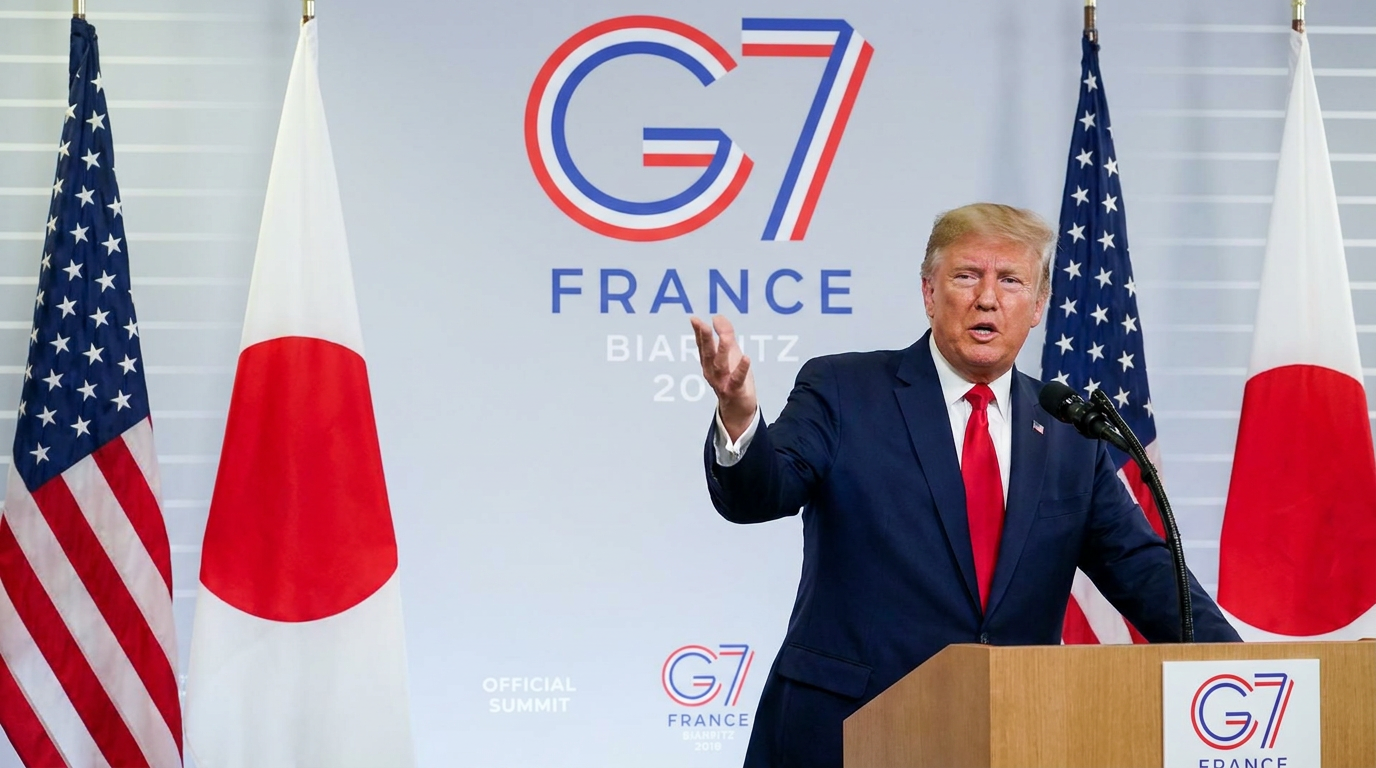
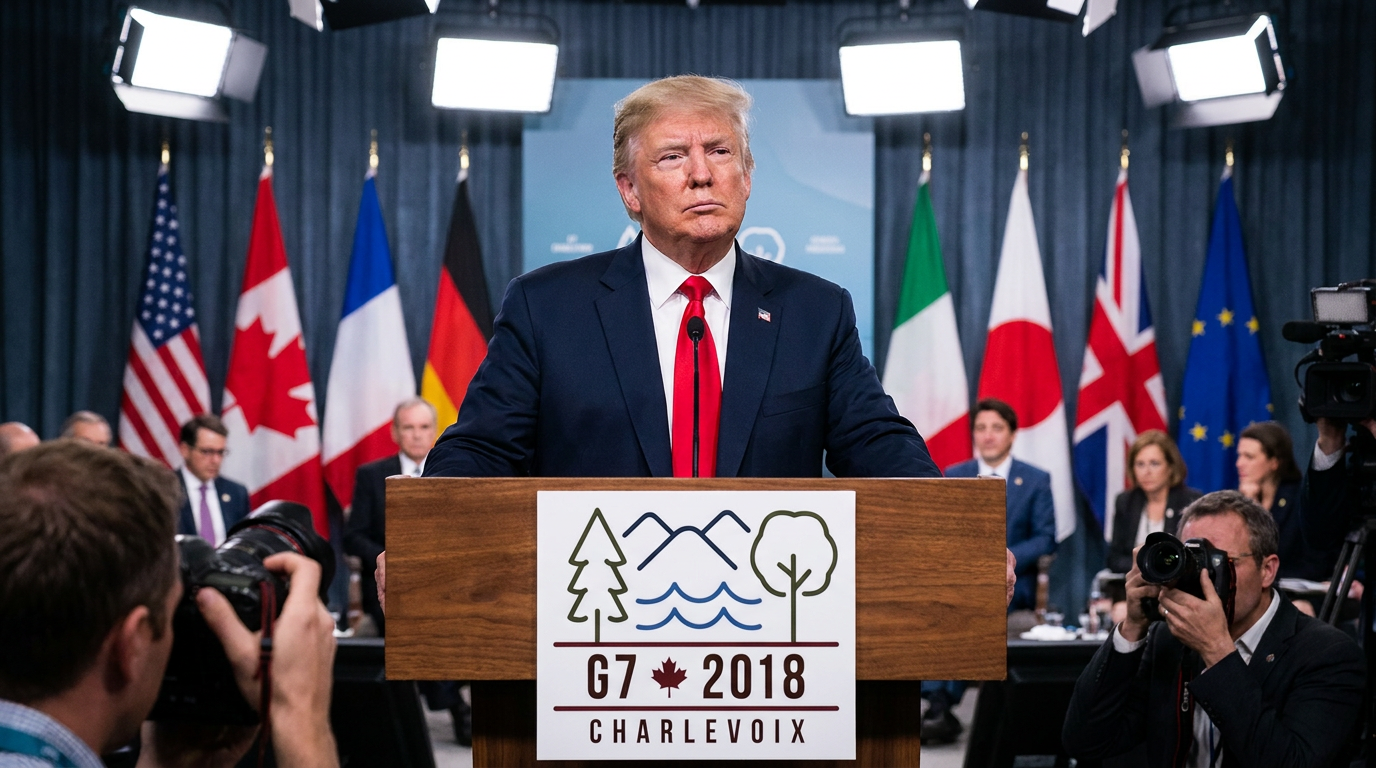
During a marathon press conference at the G7 summit, President Trump vigorously defended a newly brokered agreement with Iran that effectively ends months of regional hostilities. The cornerstone of the pact involves Tehran agreeing to immediately reopen the Strait of Hormuz to international commercial shipping, lifting a blockade that had severely throttled global energy supplies. In exchange, the United States and its allies have agreed to unfreeze and transfer approximately $300 billion in Iranian assets that had been locked under international sanctions.[1][4]
The sheer scale of the financial concession has ignited a firestorm of domestic and international debate. Critics have seized on the $300 billion figure, arguing that such a massive capital injection will inevitably be used to fund regional proxies and further destabilize the Middle East. During his press conference, Trump pushed back against these characterizations, engaging in what some observers described as semantic debates over the nature of the funds, emphasizing that the money already belonged to Iran and was simply being unfrozen rather than paid out by U.S. taxpayers.[1]
The economic backdrop to the agreement is stark. The preceding months of conflict, often referred to as the "Middle East war" or the "Iran war" in financial circles, had wreaked havoc on global markets. The closure of the Strait of Hormuz, a critical maritime chokepoint, sent shockwaves through the global economy, disrupting supply chains and spiking energy costs. The fallout was felt across various sectors, from a dramatic slowdown in UK retail sales growth to a severe contraction in luxury real estate.[3]

Real estate markets in the region provided a clear barometer of the conflict's toll. In Dubai, property sales reportedly fell "off a cliff," dropping 19% in May alone as the geopolitical uncertainty forced buyers to retreat and sellers to slash tens of millions off asking prices. The swift resolution brokered by the U.S. administration aims to reverse this economic paralysis, restoring confidence to investors who had fled the region.[3]
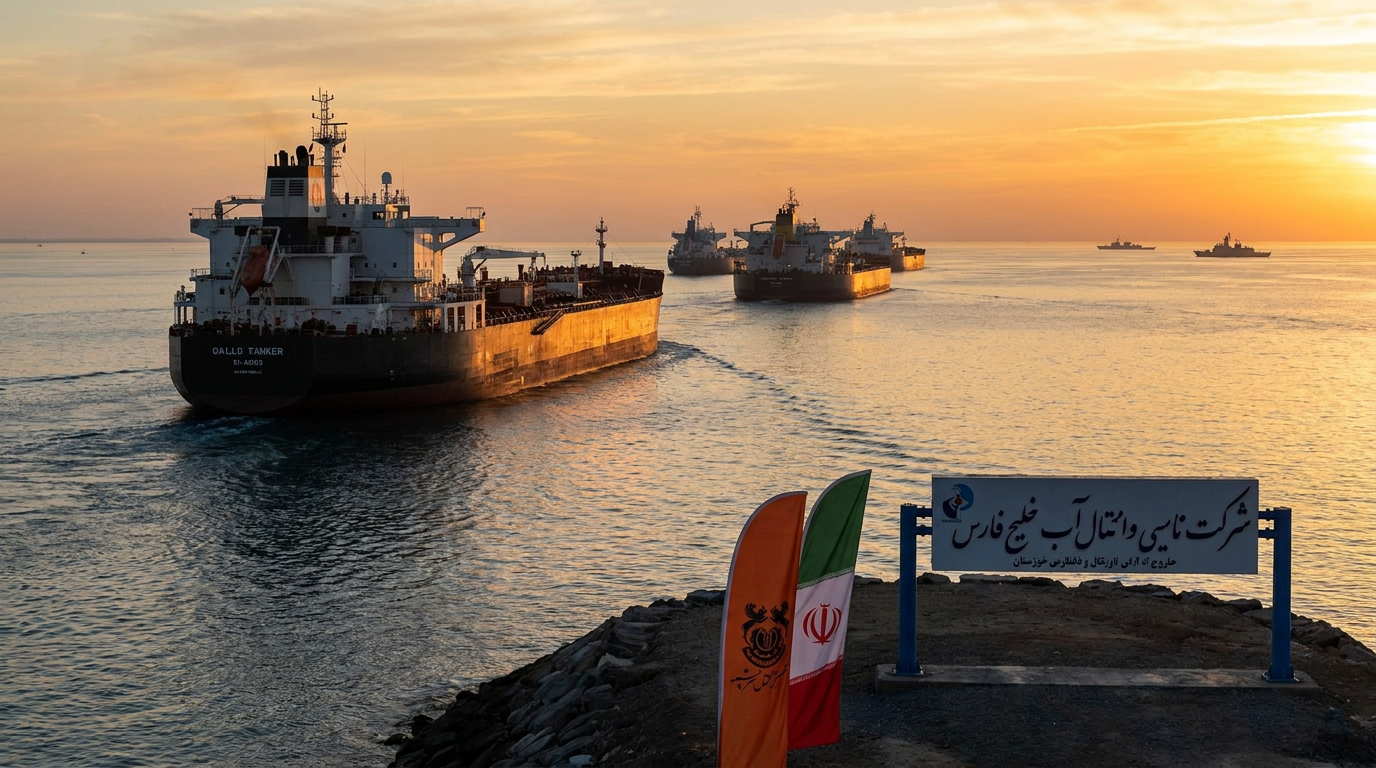
Global energy markets reacted almost immediately to the confirmation of the pact. Oil prices, which had been highly volatile during the blockade, began to stabilize as traders priced in the return of reliable transit through the Persian Gulf. The Strait of Hormuz typically accommodates roughly a fifth of the world's daily oil consumption, making its unhindered operation a paramount priority for energy-importing nations.[6]

Global energy markets reacted almost immediately to the confirmation of the pact.
Among G7 leaders, the reaction has been one of cautious relief. European nations, which are particularly vulnerable to energy shocks and inflationary pressures, have broadly welcomed the de-escalation. While some allied diplomats privately expressed reservations about the size of the asset transfer, the prevailing consensus prioritized the immediate restoration of maritime security and the prevention of a wider, catastrophic regional war.[4]
In Tehran, the agreement is being framed as a historic diplomatic victory. Iranian state media and officials have hailed the unfreezing of the $300 billion as a rightful reclamation of national wealth that had been unjustly withheld by Western powers. The influx of capital is expected to provide significant relief to an Iranian economy that has been suffocated by years of stringent international sanctions and domestic unrest.[5]
Domestically, the political backlash in the United States has been swift and culturally pervasive. Late-night hosts and political commentators have skewered the administration over the price tag, with figures like Jimmy Kimmel joking that the U.S. was "Hormuzled" into throwing in a minimum of $300 billion to secure the waterway. The framing of the deal as a "ransom" has become a central talking point for fiscal and security hawks.[1][7]
However, defenders of the administration's approach argue that critics are missing the broader strategic picture. Proponents assert that while the deal is not a perfect, comprehensive nuclear treaty, it achieves the immediate and vital goal of stopping a hot war that was devastating the global economy. From this perspective, stabilizing the region and securing global energy flows justifies the unfreezing of assets, prioritizing pragmatic conflict resolution over ideological purity.[2]
The focus now shifts to the complex mechanics of implementation. International monitors will be tasked with verifying the unhindered passage of vessels through the Strait of Hormuz, while financial institutions navigate the unprecedented logistics of transferring $300 billion in previously frozen assets. The success of the agreement will ultimately hinge on whether both sides adhere to these commitments in the volatile months ahead.[4][6]

How we got here
Early 2026
Hostilities escalate in the Middle East, leading to the closure of the Strait of Hormuz.
May 2026
Economic fallout intensifies globally, marked by a 19% drop in Dubai property sales and slowing UK retail growth.
June 18, 2026
President Trump publicly defends the newly brokered agreement at the G7 summit.
Viewpoints in depth
US Administration
Prioritizes immediate economic stability and the prevention of a wider regional war.
The administration argues that the primary objective was to halt a conflict that was actively devastating the global economy. By securing the reopening of the Strait of Hormuz, they assert that they have protected international supply chains and stabilized energy markets. Officials maintain that the $300 billion consists of Iran's own money, framing the unfreezing as a necessary diplomatic lever rather than a taxpayer-funded concession.
Domestic Critics
Focuses on the long-term security risks of enriching the Iranian government.
Opponents of the deal, including fiscal and security hawks, view the $300 billion asset transfer as a dangerous capitulation. They argue that this massive influx of capital will inevitably be funneled into Iran's military apparatus and its network of regional proxies. These critics contend that the agreement sacrifices long-term Middle Eastern security for short-term economic relief, effectively rewarding hostile actions with a historic financial windfall.
Global Markets & Allies
Views the agreement through the lens of economic relief and energy security.
For European allies and global financial markets, the agreement is largely seen as a necessary, if imperfect, resolution. Nations heavily dependent on imported energy were facing severe inflationary pressures due to the Hormuz blockade. The stabilization of oil prices and the restoration of maritime trade routes are viewed as critical victories that outweigh the geopolitical discomfort of the asset transfer.
What we don't know
- How quickly the $300 billion in assets will be fully transferred and accessible to Tehran.
- Whether the reopening of the Strait of Hormuz will lead to a broader, long-term de-escalation in the region.
- How the influx of capital will alter Iran's domestic economy and foreign policy initiatives.
Key terms
- Strait of Hormuz
- A narrow waterway between the Persian Gulf and the Gulf of Oman, serving as the world's most important oil transit chokepoint.
- Frozen Assets
- Financial reserves belonging to a country that are held in foreign banks and restricted from being accessed due to international sanctions.
- G7 Summit
- An annual meeting of leaders from seven of the world's advanced economies to coordinate global policy and address international crises.
Frequently asked
What did the U.S. agree to in the deal?
The U.S. and its allies agreed to unfreeze approximately $300 billion in Iranian assets that had been locked under international sanctions.
What does Iran concede in the agreement?
Iran agreed to immediately reopen the Strait of Hormuz to international commercial shipping, ending a blockade that had disrupted global energy supplies.
Why is the Strait of Hormuz important?
The Strait of Hormuz is a critical maritime chokepoint through which roughly 20% of the world's daily oil consumption passes.
How have global markets reacted?
Energy markets have begun to stabilize as traders price in the return of reliable transit through the Persian Gulf, easing fears of prolonged inflation.
Sources
Source coverage
7 outlets
3 viewpoints surfaced






[1]Fox NewsFiscal & Security Hawks
Trump defends war deal in marathon presser, using semantics on why Iran is getting $300 billion
Read on Fox News →[2]The New York TimesPragmatic Deal Supporters
Trump’s Iran Deal Isn’t Perfect. It Doesn’t Need to Be.
Read on The New York Times →[3]The Guardian
Dubai property sales have fallen ‘off a cliff’ since start of Middle East war
Read on The Guardian →[4]ReutersPragmatic Deal Supporters
G7 leaders cautiously welcome US-Iran Strait of Hormuz agreement
Read on Reuters →[5]Al JazeeraIranian State View
Iran hails 'historic' unfreezing of $300 billion in assets as Hormuz blockade ends
Read on Al Jazeera →[6]The Wall Street JournalPragmatic Deal Supporters
Oil prices stabilize as Trump administration confirms Hormuz reopening pact
Read on The Wall Street Journal →Jimmy Kimmel Feels ‘Hormuzled’ by Trump’s New Deal With Iran
Read on Late Night Commentary (via NYT) →
Every angle. Every day.
Get news politics stories with full source coverage and perspective breakdowns delivered to your inbox.