
How Mycelium Leather Scaled From Lab to Luxury Fashion in 2026
Next-generation biomaterials grown from mushroom roots are reaching commercial scale, offering the fashion industry a viable, low-impact alternative to animal and synthetic leathers.
By Baran Demir

In short
- Mycelium leather is grown from the root structure of fungi using agricultural waste as a nutrient substrate.
- The material can be cultivated in 7 to 14 days, requiring up to 99 percent less water than traditional bovine leather.
- In 2026, biotech companies successfully scaled production from small pilot labs to massive commercial facilities.
For decades, the fashion industry has faced an uncomfortable binary when it comes to leather. Brands could rely on traditional bovine hides, which carry a heavy environmental footprint of methane emissions and toxic tanning chemicals, or they could pivot to "vegan leather," which is predominantly made from petroleum-based plastics like polyurethane. In 2026, a third category has officially broken through the commercial bottleneck: grown biomaterials. Leading this shift is mycelium, the root-like network of fungi, which has transitioned from a science-fair curiosity to a scalable industrial substrate.
To understand the mechanism behind this material, it is necessary to separate the mushroom from the mycelium. If a mushroom is the fruit, mycelium is the tree and its vast underground root system. It consists of microscopic, branching threads called hyphae. In nature, these threads break down organic matter and bind soils together. In a controlled laboratory or factory setting, bio-engineers can direct these hyphae to weave themselves into dense, interlocking 3D structures that closely mirror the collagen fibers found in animal skin.[2][3]
The cultivation process flips traditional manufacturing on its head by relying on agricultural waste rather than resource extraction. Facilities begin with a nutrient-rich substrate composed of byproducts like sawdust, hemp hurd, or corn stalks. Mushroom spores are introduced to this organic waste in controlled, vertical-farming trays. Over the course of just seven to fourteen days, the mycelium consumes the substrate, growing into a thick, uniform mat.[2]
This rapid growth cycle is a stark contrast to the years required to raise cattle. Once the mycelium mat reaches the desired thickness and density, it is harvested and processed. Crucially, the tanning and finishing stages for mycelium leather utilize plant-based dyes and chrome-free techniques, eliminating the heavy metals and toxic runoff that have historically plagued leather-producing regions. The resulting material is strong, breathable, and remarkably similar to premium calfskin in its hand-feel.[2][3]
The environmental math driving the adoption of mycelium is compelling. Life-cycle assessments indicate that cultivating fungal leather requires up to 99 percent less water than raising bovine livestock for hides. Furthermore, the process generates up to 95 percent fewer carbon dioxide emissions. Because the material is grown from organic waste and finished without plastics, it retains the ability to biodegrade at the end of its lifecycle, fitting neatly into the framework of a circular economy.[1]
While the science has been sound for years, 2026 marks the tipping point for commercial scale. The primary hurdle for biomaterials has always been moving from small-batch pilot plants to industrial-scale output that can satisfy the volume demands of global brands. Biotech companies have now bridged that gap. MycoWorks, a California-based leader in the space, recently scaled its Fine Mycelium production at a 136,000-square-foot facility in South Carolina, capable of producing millions of square feet of its flagship Reishi material annually.[2]
Other pioneers are matching this industrial momentum. Ecovative has expanded its AirMycelium technology through its soft-goods division, Forager, producing large-scale hides in under nine days. Bolt Threads, the creator of Mylo, continues to refine its supply chain after early partnerships with major athletic and luxury brands. Together, these companies are building the foundational infrastructure for a bio-economy, proving that grown materials can meet the rigorous quality-control standards of the $150 billion global leather market.[2]
Luxury fashion houses, which have historically been the gatekeepers of premium materials, are actively integrating mycelium into their permanent collections. Hermès paved the way by co-developing a mycelium-based Victoria bag, signaling to the broader industry that fungal leather could meet the exacting standards of heritage craftsmanship. Stella McCartney, a long-time advocate for animal-free fashion, has featured mycelium composites prominently in recent runway shows, moving the material from experimental capsule drops to core product lines.
The momentum extends beyond high fashion. The automotive industry, facing immense pressure to decarbonize its supply chains, is actively testing mycelium for car interiors. Mercedes-Benz and other automakers are exploring fungal leather for seating and dashboard upholstery, drawn by the material's high tensile strength and tear resistance. This cross-industry demand is crucial for biomaterial startups, as automotive contracts provide the predictable, high-volume revenue needed to justify massive capital expenditures in factory automation.
Regulatory pressures are also accelerating the shift toward traceable biomaterials. The European Union's rollout of the Digital Product Passport requires brands to disclose the exact environmental footprint and origin of their materials. Under this new transparency regime, the carbon and water savings of mycelium provide a distinct competitive advantage for brands looking to meet aggressive corporate sustainability targets and avoid regulatory penalties.[1]
Despite the rapid progress, the transition to grown materials is not without friction. The most significant hurdle remains price parity. Currently, premium mycelium leather costs two to four times more than conventional animal leather, positioning it strictly as a luxury or high-end performance good. Industry analysts project that as factory automation improves and production volumes increase, economies of scale will drive costs down, potentially reaching parity with high-end animal hides by the end of the decade.
Material performance and aesthetics also face ongoing refinement. While natural mycelium readily accepts earth tones and muted dyes, achieving the vibrant, bright colors demanded by certain fashion segments remains a chemical challenge. Innovators are working to develop bio-compatible dyeing processes that do not compromise the material's biodegradability or rely on the heavy chemical loads used in traditional textile coloring.[2][3]
There is also an ongoing debate about categorization. Executives at leading biotech firms argue that mycelium should not be viewed merely as a "leather alternative" or a synthetic substitute. Instead, they are positioning it as an entirely new class of material with its own unique properties, aging characteristics, and design possibilities. This framing aims to decouple biomaterials from the stigma of cheap "pleather" and establish them as premium substrates in their own right.[3]
Ultimately, the maturation of mycelium leather in 2026 represents a paradigm shift in how humanity sources its materials. By leveraging biomimicry and agricultural waste, the fashion industry is beginning to decouple economic growth from resource extraction. As these fungal networks continue to scale from vertical farming trays to global runways, they offer a tangible blueprint for a regenerative, post-petrochemical economy.[3]
Key terms
- Mycelium
- The underground, root-like network of fungi, consisting of microscopic branching threads.
- Hyphae
- The individual, thread-like filaments that make up the mycelium network and bind together to create structural strength.
- Biomimicry
- The design and production of materials, structures, and systems that are modeled on biological entities and processes.
- Substrate
- The underlying organic material, such as agricultural waste, from which the mycelium network feeds and grows.
- Digital Product Passport
- An upcoming European Union regulation requiring brands to digitally disclose the environmental footprint and lifecycle of their products.
Frequently asked
Is mushroom leather as durable as real leather?
Yes. The interlocking cellular structure of mycelium closely mirrors the collagen fibers in animal skin, providing comparable tensile strength and tear resistance.
Does mycelium leather biodegrade?
Yes. Because it is grown from organic waste and tanned without heavy metals or plastics, it can safely compost at the end of its lifecycle.
Why is it so expensive right now?
The technology is still scaling up. While the raw materials (agricultural waste) are cheap, the precision climate-controlled facilities and automated harvesting processes require significant upfront capital.
Viewpoints in depth
Biotech Innovators
Focus on scaling production and establishing mycelium as a distinct, premium material category.
Founders and engineers at companies like MycoWorks and Ecovative view their products not merely as 'vegan leather,' but as an entirely new class of performance material. By engineering the cellular growth of mycelium, they argue they can customize thickness, flexibility, and strength to exact specifications—something impossible with animal hides. Their primary focus in 2026 is driving down unit costs through factory automation and proving that bio-manufacturing can reliably meet the massive volume demands of global supply chains.
Luxury Fashion Houses
Prioritize uncompromising aesthetics and heritage craftsmanship alongside new sustainability mandates.
For heritage brands like Hermès and modern luxury houses like Stella McCartney, the appeal of mycelium lies in its ability to mimic the hand-feel and durability of premium calfskin without the associated carbon footprint. These brands are under immense pressure from both regulators and younger consumers to decarbonize. However, they refuse to compromise on quality. They view partnerships with biotech firms as a way to secure exclusive access to cutting-edge materials that align with their luxury positioning while satisfying ESG (Environmental, Social, and Governance) commitments.
Environmental Advocates
Champion the material for its circularity and potential to replace extractive industries.
Sustainability groups and climate NGOs highlight the staggering resource savings of grown materials. They point to the 99 percent reduction in water use and the elimination of chromium tanning—a process notorious for polluting waterways in developing nations. Furthermore, advocates emphasize that because mycelium is grown on agricultural waste and finished without petroleum-based plastics, it represents a truly circular product that can safely biodegrade, unlike the majority of synthetic 'pleathers' currently flooding the market.
Traditional Leather Industry
Defend conventional leather as a durable, natural byproduct of the global food system.
Trade associations representing the conventional leather industry argue that their product is inherently sustainable because it utilizes hides that would otherwise be sent to landfills by the meat and dairy industries. They emphasize the unmatched longevity and historical provenance of animal leather, noting that well-crafted leather goods can last for generations. While acknowledging the environmental concerns surrounding tanning, they point to ongoing industry efforts to adopt cleaner chemical processes and improve water recycling.
- Biotech Innovators
- Focus on scaling production and establishing mycelium as a distinct, premium material category.
- Luxury Fashion Houses
- Prioritize uncompromising aesthetics and heritage craftsmanship alongside new sustainability mandates.
- Environmental Advocates
- Champion the material for its circularity and potential to replace extractive industries.
- Traditional Leather Industry
- Defend conventional leather as a durable, natural byproduct of the global food system.
Perspectives this story doesn't cover
- Agricultural Waste Suppliers
- Garment Workers
Sources
Source coverage
3 outlets
4 viewpoints surfaced



- [1]Material Innovation InitiativeEnvironmental Advocates
Why To Invest In Next-Gen Materials
Read on Material Innovation Initiative → - [2]Tocco EarthBiotech Innovators
Alternative Leather: 8 Companies To Watch
Read on Tocco Earth → - [3]Factlen Editorial Team
Synthesis by Factlen editorial team
Read on Factlen Editorial Team →
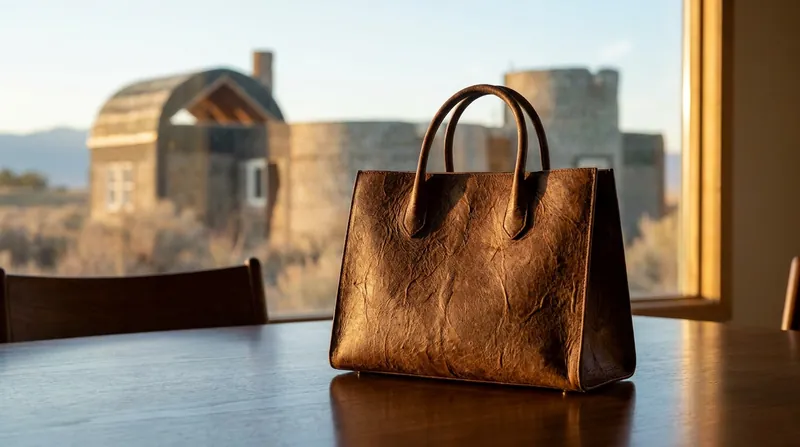
More in Lifestyle
See all →Counterfeit Economy
LVMH Wins Landmark £213K Counterfeiting Suit Against Influencer Selling Fake Designer Goods
4 sources
Circular Fashion
Luxury Resale Outpaces Primary Sales 3-to-1, Prompting Brands to Launch In-House 'Pre-Loved' Platforms
8 sources
Luxury Retail
Luxury Market Normalizes as Kering Profits Drop 50% Amid Shift to 'Quiet Luxury'
8 sources

Apparel Chemistry
California's 'Forever Chemicals' Ban Forces Global Textile Industry to Reformulate All Weatherproof Apparel
4 sources
Comments
Every angle. Every day.
Get Lifestyle stories with full source coverage and perspective breakdowns, free every day.