
Why Aging Adults Are Turning to Olympic Weightlifting to Preserve Muscle Power
Sports scientists are increasingly prescribing modified Olympic lifts to older adults, revealing that high-speed power training is crucial for preserving fast-twitch muscle fibers and preventing falls.

When most people envision Olympic weightlifting, they picture elite athletes at the Summer Games, hoisting enormous, bending barbells over their heads to the roar of a crowd. It is a sport historically associated with youth, massive physical bulk, and extreme joint stress. But step into a modern strength facility today, and you might see a very different demographic gripping the chalk: adults in their sixties, seventies, and beyond.[3]
These older adults are not training to step onto a podium. They are training to preserve their independence. A quiet revolution in sports science and gerontology is completely reframing how we view explosive barbell movements like the Snatch and the Clean & Jerk. Far from being dangerous for aging bodies, researchers now argue that the specific physiological demands of these lifts might be the ultimate antidote to physical decline.[3]
To understand why, we have to look at how the human body ages. For decades, doctors warned about sarcopenia—the age-related loss of muscle mass and raw strength. The standard prescription was slow, controlled resistance training. But recent biomechanical research has revealed a more insidious culprit behind frailty: the loss of muscle power.[2]
Power is not the same as strength. Strength is the absolute ability to move a load, while power is the ability to move that load quickly. In practical terms, strength is what allows you to carry a heavy bag of groceries; power is what allows you to rapidly shoot your foot forward to catch yourself when you trip on a rug.[2]
Studies show that while adults lose about 1 to 2 percent of their raw strength per year after age 50, they lose explosive muscle power at a much faster rate—up to 3.5 percent annually. This rapid decline in power is strongly correlated with an increased risk of falls, reduced mobility, and the eventual loss of functional independence.[2]
The biological mechanism behind this power drain lies in our muscle fibers. The human body contains a mix of slow-twitch fibers, which are built for endurance and sustained effort, and fast-twitch fibers, which are built for explosive, high-force movements. As we age, the slow-twitch fibers remain relatively stable, but the fast-twitch fibers atrophy rapidly if they are not specifically recruited.
"Unless you do something about it from an exercise perspective, you're going to lose many of your fast-twitch fibers as you age," explains Dr. Andy Galpin, a prominent muscle physiologist. Because everyday activities like walking or light jogging only require slow-twitch fibers, the fast-twitch fibers effectively go dormant. To keep them alive, the nervous system must be forced to send rapid, high-velocity signals to the muscles.
This is where Olympic weightlifting enters the longevity conversation. Unlike traditional bodybuilding exercises that isolate single muscles at slow speeds, the Snatch and the Clean & Jerk require the entire body to move a weight with maximum velocity. In Olympic lifting, nothing is done slowly. The movements demand what biomechanists call "triple extension"—the simultaneous, explosive straightening of the ankles, knees, and hips.
This explosive demand is exactly what the aging nervous system needs. By forcing the body to generate upward momentum rapidly, Olympic lifts recruit the dormant fast-twitch muscle fibers. The central nervous system is challenged to coordinate complex motor patterns in milliseconds, building neuro-plasticity and improving overall proprioception—the body's awareness of where it is in space.[3]
The benefits extend beyond the muscular system. A pilot study conducted by researchers at the University of Missouri compared older adults doing high-speed power training with lighter weights against a group doing traditional slow, heavy lifting. The researchers found that the high-speed group not only improved their mobility but also saw superior improvements in vascular function and cardiovascular health.[1]
"When you train with heavy weights, your blood pressure really rises, which can lead to stiffer blood vessels," noted the Missouri researchers. "Since the risk of cardiovascular disease increases for adults over 65, high-speed power training can help maintain heart and blood health as well as joint and limb health."[1]
Despite the compelling science, the barrier to entry remains psychological. The lifts look intimidating, and many older adults fear injury. However, data from the International Weightlifting Federation and sports medicine journals consistently show that competitive weightlifting is remarkably safe. When properly coached, the sport sees just 0.0017 injuries per 100,000 hours of participation—significantly lower than recreational running or track and field.
The key to this safety record is scalability. To reap the neurological and muscular benefits of Olympic lifting, an aging adult does not need to lift 200 pounds. The stimulus comes from the velocity and the intent, not just the load. Coaches often start older clients with a PVC pipe or a wooden broomstick. Once the motor pattern is established, they might graduate to a 15-pound aluminum training bar.[3]
Fitness educators emphasize that the "intent to move fast" is the crucial trigger. Even if a senior is lifting a relatively light weight, and even if the bar isn't actually moving at lightning speed, the brain's attempt to accelerate the load is what fires the fast-twitch fibers. This makes the methodology accessible to almost anyone, regardless of their starting strength.
Furthermore, the dynamic loading of the barbell overhead provides a potent stimulus for bone density. The structural stress placed on the spine, hips, and wrists during the catch phase of a lift signals osteoblasts to lay down new bone tissue, offering a powerful defense against osteoporosis.
As the fitness industry pivots from pure aesthetics to functional longevity, the sight of a 70-year-old performing a Snatch is becoming less of an anomaly. By embracing the science of speed and power, older adults are proving that the physical decline once accepted as inevitable can be significantly delayed. They are not just adding years to their lives; they are adding explosive, capable power to those years.[3]
The essentials
- Muscle power declines at a faster rate than raw strength as adults age.
- Fast-twitch muscle fibers atrophy rapidly if not stimulated by high-velocity movements.
- Olympic weightlifting recruits fast-twitch fibers through explosive, full-body coordination.
- Lifting lighter weights at faster speeds improves cardiovascular health and mobility.
- The intent to move fast is enough to trigger neurological benefits, even with light weights.
- When properly coached, weightlifting has a lower injury rate than many recreational sports.
Timeline
1896
Weightlifting is included in the first modern Olympic Games in Athens.
1990s
Sports science begins distinguishing between the loss of raw strength and the more rapid loss of muscle power in aging adults.
2000
Women's weightlifting events are added to the Olympic program, broadening the sport's demographic appeal.
2010s
Functional fitness movements popularize Olympic lifting for the general public.
2020s
Gerontology research increasingly prescribes high-speed power training to combat frailty and preserve fast-twitch fibers.
- Sports Physiologists
- Focus on the cellular and neurological necessity of high-velocity training.
- Active Aging Advocates
- Focus on the translation of gym power to functional independence and daily life.
- Weightlifting Federations
- Focus on the technical mastery and holistic benefits of the classic lifts.
Perspectives this story doesn't cover
- Traditional Bodybuilders
- Physical Therapists specializing in low-impact rehab
Sources
Source coverage
3 outlets
3 viewpoints surfaced



- [1]University of MissouriSports Physiologists
Weightlifting with lighter weights at faster speeds can improve mobility and cardiovascular health for older adults
Read on University of Missouri → - [2]IDEA Health & Fitness AssociationSports Physiologists
Power Training for Older Adults
Read on IDEA Health & Fitness Association → - [3]Factlen Editorial TeamActive Aging Advocates
Synthesis by Factlen editorial team
Read on Factlen Editorial Team →
More in Sports
See all →Injury
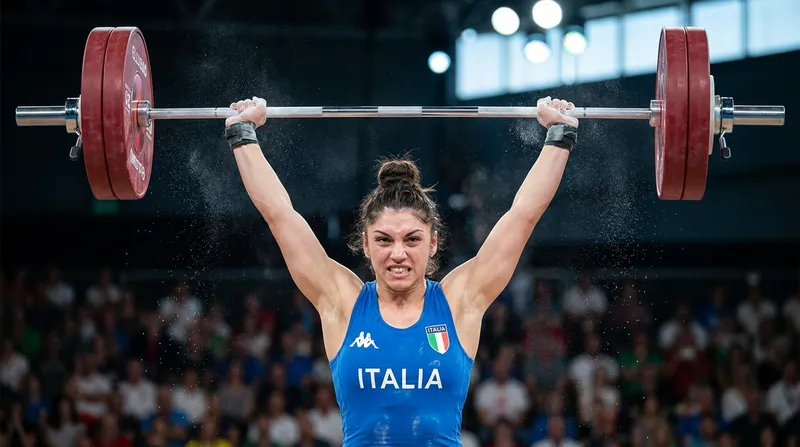
Weightlifting Injury Updates: Jamali and Brown Navigate European Withdrawals as Nanai Misses Commonwealth Games
4 sources
Injury
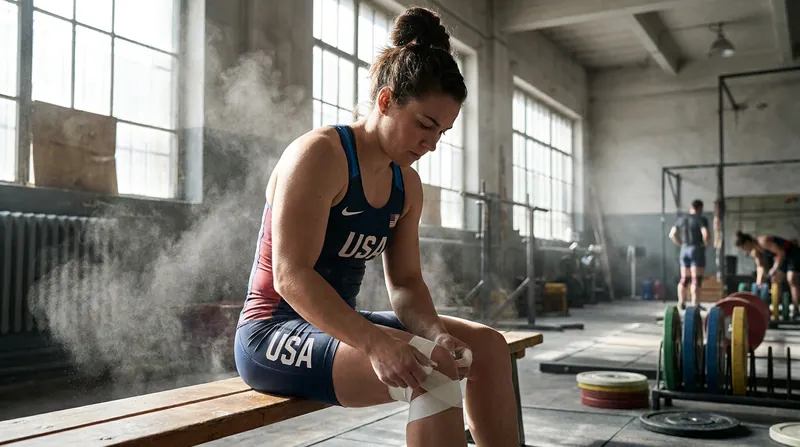
Weightlifting Injury Updates: Murray Protests Qualification Rules as Henson and Shi Mount Platform Returns
3 sources
Standings
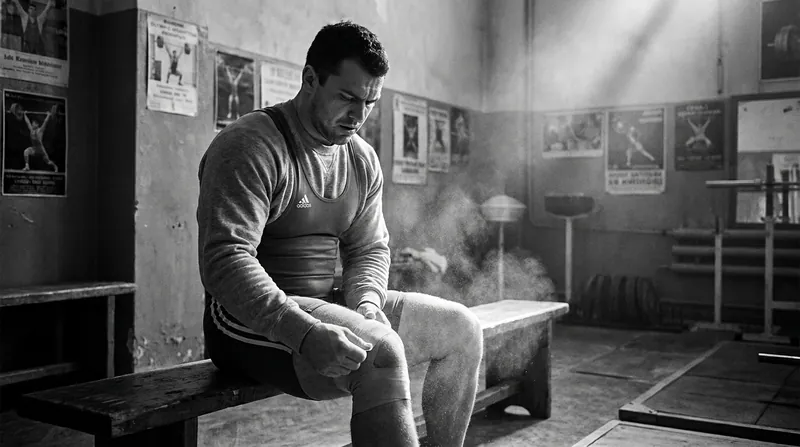
Yeison Lopez Overtakes Karlos Nasar for World No. 1 in Men's 89kg Global Standings
2 sources
Injury
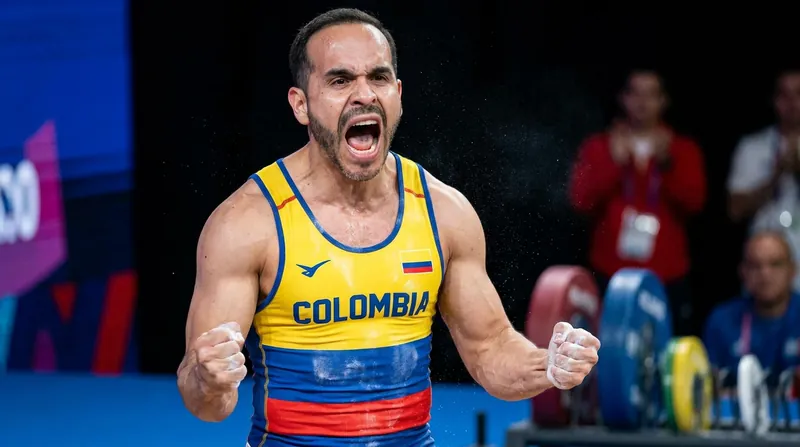
Indonesian Star Rahmat Erwin Abdullah Returns to the Platform Following Devastating Shoulder Injury
3 sources
Comments
Every angle. Every day.
Get Sports stories with full source coverage and perspective breakdowns, free every day.