
The Science of the Maillard Reaction: How Heat and Chemistry Transform Home Cooking
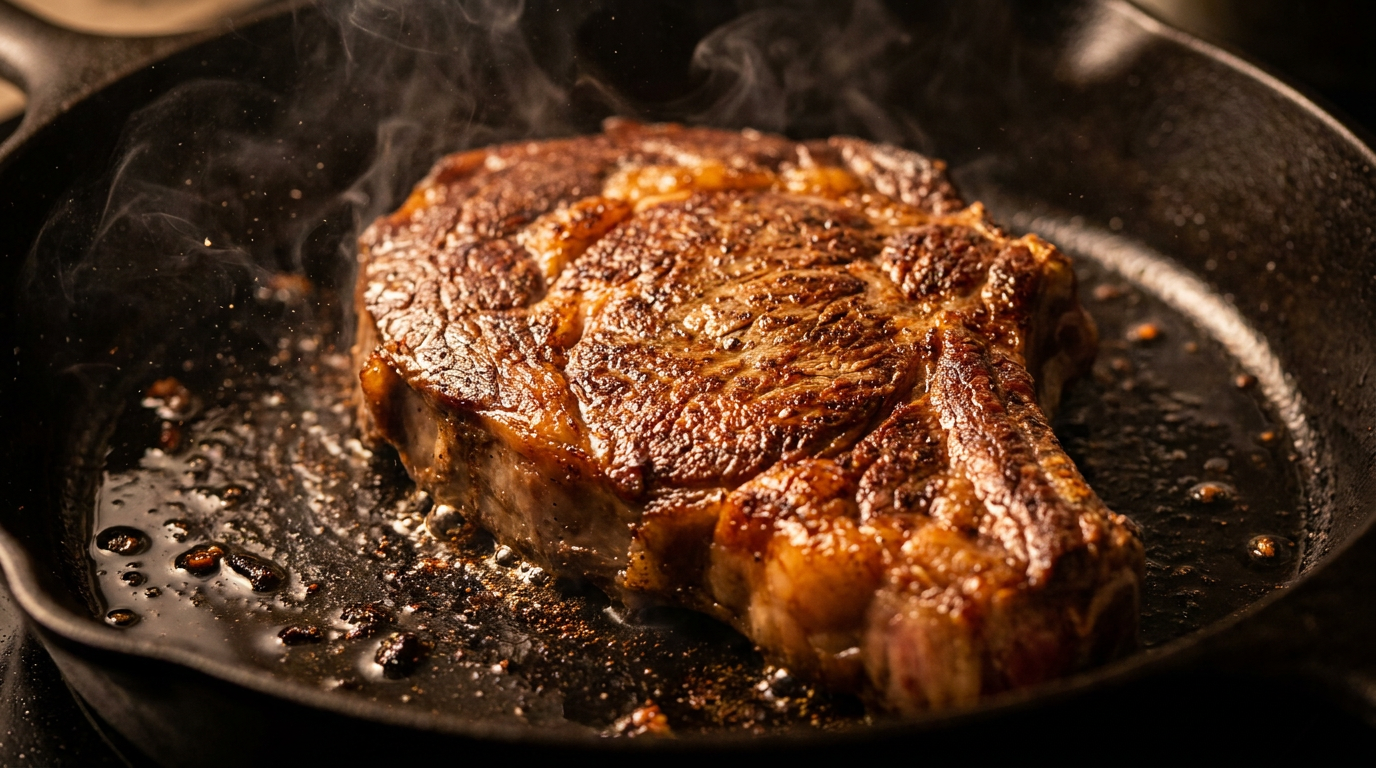
The Maillard reaction is the complex chemical cascade responsible for the browned crust on a seared steak and the savory aroma of baked bread. Understanding how to manipulate heat and moisture to trigger this reaction is the foundational secret to restaurant-quality cooking.
By Factlen Editorial Team
- Culinary Scientists
- Focus on the precise chemical mechanisms, temperature thresholds, and molecular flavor compounds generated by the reaction.
- Culinary Professionals
- Emphasize practical kitchen applications, moisture management, and technique to maximize flavor development.
- Health & Nutrition Researchers
- Analyze the biological impacts of browned foods, balancing the creation of beneficial antioxidants against potential carcinogens.
What's not represented
- · Industrial Food Manufacturers
- · Appliance Engineers
Why this matters
Mastering the Maillard reaction allows home cooks to stop guessing and start controlling flavor development. By understanding the science of browning, anyone can elevate basic ingredients into deeply savory, complex meals without relying on expensive equipment.
Key points
- The Maillard reaction is a chemical process between amino acids and reducing sugars that creates melanoidins and hundreds of flavor compounds.
- The reaction requires temperatures between 280°F and 330°F to proceed rapidly, making dry heat essential.
- Surface moisture prevents browning because water boils at 212°F, capping the temperature below the Maillard threshold.
- Unlike caramelization, which involves only sugars, the Maillard reaction requires the presence of proteins to develop savory flavors.
Consider the profound sensory difference between a pale, boiled potato and a deeply roasted one, or the stark contrast between a flabby, steamed chicken breast and a perfectly seared steak with a crisp, golden crust. The raw ingredients in these scenarios are identical, yet the culinary outcomes exist in entirely different universes of flavor and texture. This transformation is not magic, nor is it merely the result of food getting hot. It is the product of a highly specific, beautifully complex chemical cascade known as the Maillard reaction. For home cooks and professional chefs alike, understanding this single scientific principle is the most important key to elevating food from basic sustenance to a memorable culinary experience. It is the invisible engine driving the aromas of a neighborhood bakery, the rich depth of a morning cup of coffee, and the irresistible savory pull of a backyard barbecue.[7]
The phenomenon is named after Louis-Camille Maillard, a pioneering French chemist who first described the process in 1912. Interestingly, Maillard was not studying culinary arts or food science when he made his discovery; he was attempting to reproduce biological protein synthesis in a laboratory setting. During his experiments, he observed that heating a solution containing both sugars and amino acids resulted in a distinct browning effect. While his initial focus was strictly biochemical, the implications of his discovery eventually revolutionized the field of food science. Today, the Maillard reaction is recognized universally as a form of non-enzymatic browning, a fundamental chemical process that occurs when heat acts as a catalyst to bond the building blocks of proteins with specific types of carbohydrates.[1]
At its core, the Maillard reaction is a chemical dialogue between two essential components: amino acids and reducing sugars. Amino acids are the organic molecules that link together to form proteins, present in abundance in meats, dairy, and grains. Reducing sugars, which include simple carbohydrates like glucose, fructose, and lactose, act as the reactive partners in this equation. When these two elements are subjected to high heat, the reactive carbonyl group of the sugar interacts with the nucleophilic amino group of the amino acid. This initial collision kicks off a staggering chain reaction, transforming relatively flavorless raw compounds into a complex matrix of entirely new molecules.[2]
Heat is the absolute gatekeeper of the Maillard reaction, and understanding its temperature thresholds is critical for any cook. The reaction proceeds at a sluggish, almost imperceptible pace at room temperature—which is why aged foods like champagne or dried fruits slowly develop darker colors over years. However, for the rapid browning required in cooking, the surface of the food must reach a specific thermal window. The Maillard reaction accelerates dramatically when temperatures climb into the range of 280°F to 330°F (140°C to 165°C). Below this threshold, foods will cook through, but they will remain pale and lack the complex savory depth associated with roasting or searing.[1][4]

This temperature requirement reveals the greatest enemy of the Maillard reaction in the kitchen: water. Because liquid water cannot exceed its boiling point of 212°F (100°C) under normal atmospheric pressure, any moisture present on the surface of food acts as a thermal ceiling. As long as water is actively evaporating from a steak or a piece of bread, the surface temperature remains locked at 212°F—well below the 280°F minimum required to trigger the browning cascade. This immutable law of physics explains why boiling, poaching, and steaming are fundamentally incapable of producing a browned crust, and why a wet piece of meat thrown into a hot skillet will merely steam in its own juices rather than sear.[3][6]
Once the surface moisture evaporates and the temperature climbs into the optimal zone, the chemical cascade begins in earnest. The first step is a dehydration reaction where the sugar and amino acid merge, shedding a water molecule to form an unstable intermediate compound known as a glycosylamine. Because glycosylamines are inherently volatile, they almost immediately undergo a structural shift known as the Amadori rearrangement. This rearrangement stabilizes the molecules into ketosamines, which serve as the crucial branching point for the rest of the reaction. From this stage, the chemical pathways diverge wildly, creating a sprawling family tree of new compounds.[2][5]
The most visible outcome of this chemical divergence is the creation of melanoidins. Melanoidins are large, complex, nitrogen-containing polymers that reflect light in a way that our eyes perceive as rich shades of brown. These pigments are responsible for the dark, glossy crust on a loaf of artisan bread, the deep mahogany surface of a roasted turkey, and the dark hue of a stout beer. Unlike the simple browning of pure melted sugar, melanoidins are structurally intricate and carry a subtle, savory bitterness that balances the natural sweetness of cooked foods.[2][4]
However, as culinary scientists frequently point out, focusing solely on the color change misses the true magic of the process. The Maillard reaction should more accurately be described as the 'flavor reaction.' Alongside the large melanoidin polymers, the rearranging ketosamines break down into hundreds of tiny, volatile flavor compounds. Because these molecules are small and lightweight, they easily escape into the air, creating the potent aromas that signal food is cooking. These volatile compounds interact with the olfactory receptors in our noses, which are responsible for the vast majority of what we perceive as taste.[3]

However, as culinary scientists frequently point out, focusing solely on the color change misses the true magic of the process.
The specific flavor profile generated by the Maillard reaction depends entirely on the unique combination of amino acids and sugars present in the raw ingredient. For example, the reaction produces pyrazines, which deliver roasted, nutty, and earthy notes; furans, which provide sweet, caramel-like, and meaty flavors; and thiophenes, which contribute a distinct savory depth. This chemical diversity explains why a baking loaf of sourdough bread smells fundamentally different from a searing ribeye steak or a roasting batch of coffee beans, even though all three processes rely on the exact same underlying chemical mechanism.[1][5]
Translating this complex biochemistry into practical kitchen technique requires a deliberate approach to moisture management. The single most common mistake home cooks make is failing to thoroughly dry their ingredients before applying heat. Whether preparing scallops, chicken thighs, or tofu, cooks must aggressively pat the surface dry with paper towels to remove surface moisture. By eliminating this water manually, the pan's heat can immediately begin raising the food's surface temperature into the 280°F Maillard zone, rather than wasting valuable thermal energy boiling away residual dampness.[7]
Salting strategy plays an equally vital role in managing moisture and maximizing browning. When salt is applied to raw meat, it rapidly draws cellular water to the surface through osmosis. If that meat is placed in a hot pan while the surface is wet with drawn-out juices, the Maillard reaction will be severely delayed. Culinary professionals advise either salting meat immediately before it hits the pan—before the moisture has a chance to pool—or salting it generously and letting it rest uncovered in the refrigerator for at least 45 minutes. Given enough time, the meat will reabsorb the salty liquid, leaving the surface dry and perfectly primed for searing.[7]
Another frequent obstacle to achieving a proper Maillard reaction is pan crowding. When a cook overloads a skillet with too many ingredients, two detrimental things happen simultaneously. First, the massive influx of cold food rapidly drops the temperature of the pan, often pushing it below the 280°F threshold. Second, the sheer volume of moisture released by the crowded ingredients becomes trapped, creating a localized steam bath. To ensure aggressive browning, cooks must work in batches, leaving ample space between pieces of food so that escaping moisture can vent freely into the air.[7]

Beyond heat and moisture, cooks can also manipulate the Maillard reaction by altering the pH of the cooking environment. The chemical reaction accelerates significantly in alkaline (basic) conditions because the amino groups are deprotonated, increasing their reactivity. This scientific quirk is heavily utilized in commercial baking. Traditional pretzels and bagels are briefly boiled in an alkaline solution—typically water mixed with food-grade lye or baked baking soda—before they enter the oven. This alkaline bath supercharges the Maillard reaction on the dough's surface, resulting in the iconic dark, glossy, and deeply savory crust that cannot be achieved through normal baking.[1][5]
It is also crucial to distinguish the Maillard reaction from caramelization, as the two terms are frequently, and incorrectly, used interchangeably. While both processes are forms of non-enzymatic browning that require high heat, their chemical requirements are fundamentally different. Caramelization is the pyrolysis, or thermal breakdown, of pure sugars in the complete absence of proteins or amino acids. When you melt white sugar in a pan to create a caramel sauce, you are witnessing caramelization. When you sear a steak or bake a potato, the complex interplay of proteins and sugars means you are witnessing the Maillard reaction.[1][5]
While the culinary benefits of the Maillard reaction are undeniable, the process has also drawn scrutiny from public health researchers. When starchy foods—particularly potatoes and certain grains—are subjected to excessively high temperatures for prolonged periods, the Maillard reaction can produce a byproduct called acrylamide. Acrylamide is a chemical compound that the World Health Organization classifies as a probable human carcinogen based on animal studies. This discovery has led to public health recommendations advising against burning or heavily charring toast and french fries, encouraging cooks to aim for a golden-yellow color rather than a dark brown.[4][6]
However, the health implications of the Maillard reaction are not entirely negative, and researchers caution against avoiding browned foods entirely. The same chemical cascade that produces acrylamide also generates a variety of potent antioxidant compounds. These antioxidants can help neutralize harmful free radicals in the body, potentially offering protective cellular benefits. Furthermore, the Maillard reaction increases the palatability of nutrient-dense foods; a child is far more likely to eat roasted broccoli with a savory, browned edge than a plate of plain, steamed florets.[6]

Ultimately, mastering the Maillard reaction is about achieving a deliberate balance of heat, time, and moisture. It represents the intersection where rigid scientific principles meet the intuitive art of cooking. By understanding the invisible molecular dance happening in the skillet, home cooks can stop relying blindly on recipe times and start cooking with sensory awareness. They learn to listen for the aggressive sizzle that indicates water has evaporated, to watch for the specific shade of mahogany that signals peak flavor development, and to smell the volatile aromatics releasing into the kitchen.[7]
This scientific empowerment transforms the kitchen from a place of guesswork into a laboratory of flavor. Whether you are attempting to achieve the perfect crust on a smash burger, coaxing the natural sweetness out of roasted root vegetables, or simply trying to make a better piece of morning toast, the Maillard reaction is the fundamental mechanism at play. By respecting the rules of this chemical cascade—keeping ingredients dry, managing pan temperatures, and giving the reaction time to develop—anyone can consistently produce deeply flavorful, restaurant-quality meals at home.[7]
How we got here
1912
French chemist Louis-Camille Maillard first describes the reaction while attempting to reproduce biological protein synthesis.
1953
Chemist John E. Hodge publishes a definitive paper outlining the complex chemical pathways and phases of the Maillard reaction.
2002
Researchers discover that acrylamide, a probable carcinogen, can form as a byproduct of the Maillard reaction in certain high-starch foods.
Viewpoints in depth
The Culinary Scientist's View
Browning is a predictable, manipulable chemical equation.
For food scientists, the Maillard reaction is a marvel of organic chemistry that can be precisely controlled. By understanding that the reaction requires an amino group, a reducing sugar, and temperatures above 285°F, scientists can engineer optimal cooking environments. They focus on the intermediate stages—like the Amadori rearrangement—and the specific volatile compounds produced, such as pyrazines for roasted notes and furans for meaty aromas. This molecular understanding allows the commercial food industry to synthesize artificial flavors and optimize industrial baking processes.
The Kitchen Practitioner's View
Science is only useful if it translates to better technique at the stove.
Chefs and recipe developers view the Maillard reaction through the lens of moisture and heat management. Their primary battle is against water, which caps surface temperatures at 212°F and prevents browning. This camp advocates for rigorous drying of proteins, strategic salting to manage cellular moisture, and avoiding overcrowded pans. For culinary professionals, the Maillard reaction isn't just a chemical formula; it is the foundational technique that separates a pale, unappetizing meal from a deeply savory, restaurant-quality dish.
The Public Health View
The reaction produces both beneficial and potentially harmful compounds.
Nutritionists and health researchers look at the byproducts of the Maillard reaction with a cautious eye. While the process generates melanoidins and certain antioxidants that can help neutralize free radicals, pushing the reaction too far at excessively high temperatures can produce acrylamide. Acrylamide is classified as a probable human carcinogen, particularly prevalent in heavily browned starchy foods like potatoes and bread. This perspective advocates for a balanced approach: achieving golden-brown flavor without crossing into charred, burnt territory.
What we don't know
- The exact long-term human health impacts of consuming dietary acrylamide, as current classifications rely heavily on high-dose animal studies.
- The complete molecular profile of every flavor compound generated, as the reaction produces hundreds of rapidly shifting micro-compounds that vary by ingredient.
Key terms
- Amino Acids
- The organic molecules that serve as the building blocks of proteins, essential for initiating the Maillard reaction.
- Reducing Sugars
- Specific types of simple sugars, such as glucose and fructose, that readily react with amino acids under heat.
- Melanoidins
- The complex, brown-colored polymer compounds created at the end of the Maillard reaction that give seared foods their dark appearance.
- Acrylamide
- A chemical compound that can form in some foods during high-temperature cooking processes, currently studied as a probable carcinogen.
- Pyrolysis
- The chemical decomposition of organic materials at highly elevated temperatures, commonly recognized in the kitchen as burning or charring.
Frequently asked
What is the difference between the Maillard reaction and caramelization?
Caramelization is the breakdown of pure sugars under high heat. The Maillard reaction requires both sugars and amino acids (proteins) to create its distinct savory flavors.
Why doesn't boiled meat turn brown?
Water boils at 212°F (100°C), which prevents the surface of the meat from reaching the 280°F (140°C) threshold required for the Maillard reaction to occur.
Does the Maillard reaction happen in baked goods?
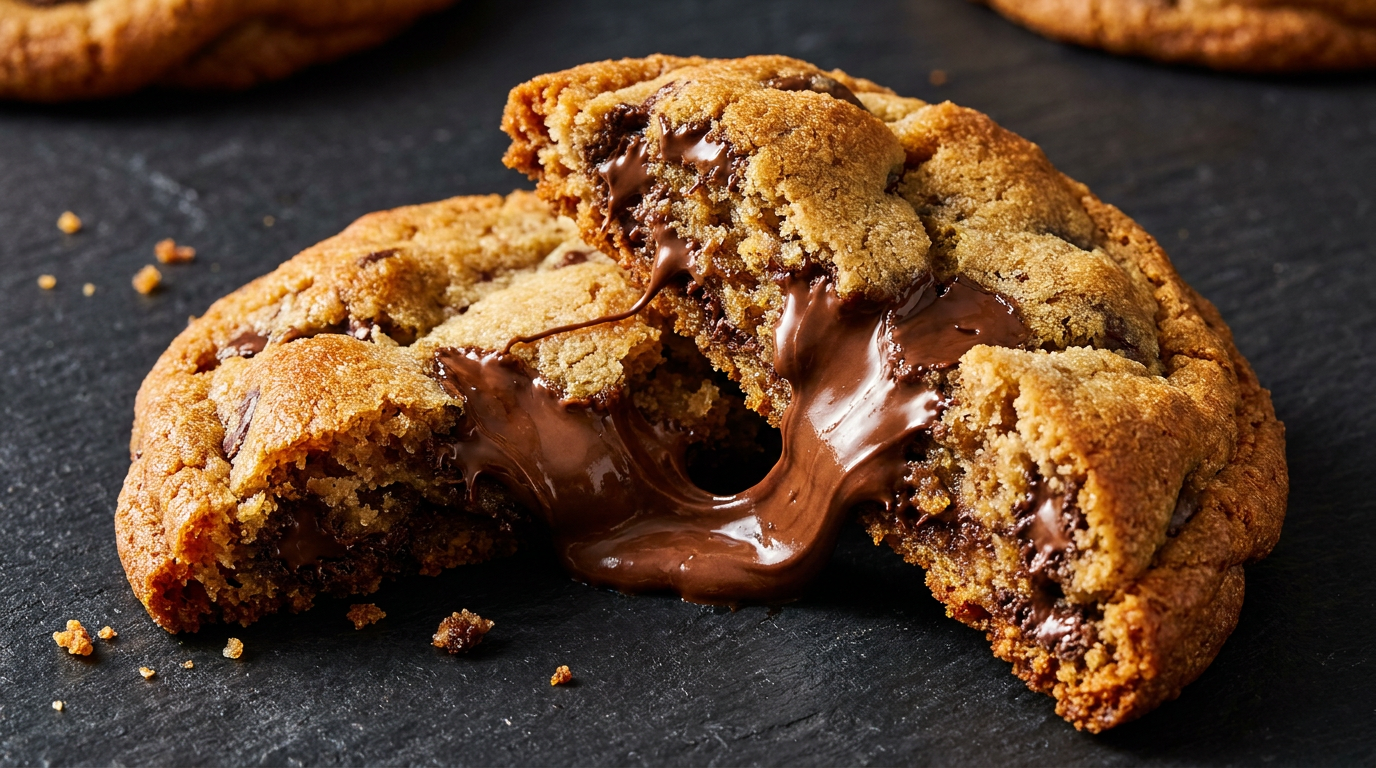
Yes. The golden-brown crust on bread, cookies, and pastries is a direct result of the Maillard reaction between the flour's proteins and sugars.
How can I speed up browning in the kitchen?
Ensure the surface of your food is completely dry, use a hot pan, don't overcrowd the cooking surface, and consider adding a pinch of baking soda to raise the pH.
Sources
Source coverage
7 outlets
3 viewpoints surfaced







[1]WikipediaHealth & Nutrition Researchers
Maillard reaction
Read on Wikipedia →[2]National Institutes of HealthCulinary Scientists
The Maillard Reaction Mechanism in Food
Read on National Institutes of Health →[3]Modernist CuisineCulinary Professionals
The Maillard Reaction
Read on Modernist Cuisine →[4]MasterClassCulinary Professionals
5 Phases of the Maillard Reaction
Read on MasterClass →[5]Science of CookingCulinary Scientists
Browning, or the Maillard reaction
Read on Science of Cooking →[6]University of Illinois ExtensionHealth & Nutrition Researchers
The Maillard Reaction
Read on University of Illinois Extension →[7]Factlen Editorial TeamCulinary Professionals
Synthesis by Factlen editorial team
Read on Factlen Editorial Team →
Every angle. Every day.
Get food drink stories with full source coverage and perspective breakdowns delivered to your inbox.