
The New Science of Weightlifting: How Strength Training Rewires the Gut and Reverses Aging
New scientific breakthroughs in 2026 are fundamentally changing how medical professionals view resistance training. Researchers have discovered that lifting weights alters the gut microbiome, controls blood sugar better than cardio, and has a precise weekly 'sweet spot' for extending human lifespan.

For decades, the public health consensus on exercise was dominated by a single, rhythmic prescription: get your heart rate up and keep it there. Cardiovascular workouts like running, cycling, and swimming were universally heralded as the gold standard for a long, healthy life, while weightlifting was largely relegated to bodybuilders, athletes, and those chasing aesthetic goals.
But in 2026, a wave of new scientific breakthroughs is fundamentally rewriting that narrative. Researchers are discovering that the mechanical stress of lifting weights triggers a cascade of biological responses that cardio simply cannot replicate. From rewiring the gut microbiome to exerting superior control over blood sugar, strength training is emerging as the frontier of longevity science.[2]
The most definitive evidence of this shift arrived in June 2026, when a massive analysis of mortality data pinpointed the exact dosage of strength training required to extend human lifespan. Researchers discovered that the benefits of lifting weights follow a distinct bell curve, with the ultimate "sweet spot" landing between 90 and 119 minutes per week.
Individuals who consistently hit this window experienced a remarkable 13 percent reduction in the likelihood of dying from any cause over a 30-year period. More specifically, this optimal dose was associated with a 19 percent drop in cardiovascular disease mortality and a staggering 27 percent decrease in neurological diseases like Alzheimer's.[1]
While the mortality statistics provide the ultimate bottom line, scientists have been equally focused on unraveling the hidden mechanisms that make resistance training so potent. One of the most surprising discoveries involves the human digestive tract.
In late 2025, researchers at the University of Tübingen in Germany demonstrated that lifting weights can significantly alter the trillions of bacteria living in the gut, and it can do so in as little as eight weeks. The study tracked 150 previously inactive individuals who began a moderate resistance training program, revealing that the mechanical act of lifting weights initiates a profound ecological shift within the body.
The researchers found that the participants who gained the most strength—dubbed "high responders," who increased their baseline strength by more than 33 percent—experienced subtle but highly significant changes in their gut bacteria that other participants did not. Specifically, these high responders showed marked increases in 16 types of beneficial bacteria and decreases in 11 harmful strains.
Two specific bacteria, Faecalibacterium and Roseburia hominis, saw the most dramatic population spikes. The discovery that skeletal muscle exertion can directly influence the microbial composition of the large intestine has opened an entirely new avenue of metabolic research.
The significance of Faecalibacterium and Roseburia hominis lies in their primary biological function: they are prolific producers of butyrate. Butyrate is a short-chain fatty acid that serves multiple critical purposes in the human body. It provides a primary energy source for the cells lining the colon, helps maintain a robust and impermeable gut lining, and prevents harmful pathogens from leaking into the bloodstream.
By increasing the production of butyrate, weightlifting effectively reduces systemic inflammation, a primary driver of aging and chronic disease. The exact signaling pathway between flexing muscles and gut bacteria remains a mystery, but the clinical outcomes are undeniable.[2]
Beyond the gut, strength training is also proving to be a uniquely powerful tool for managing metabolic health. For years, aerobic exercise was considered the default prescription for controlling blood sugar and managing diabetes risk. However, a landmark November 2025 study from the University of Virginia challenged that assumption, suggesting that weightlifting might actually be the superior intervention. Led by researcher Zhen Yan, the study set out to directly compare the metabolic effects of resistance training against traditional cardiovascular exercise.
Utilizing animal models, the Virginia researchers fed mice a high-fat diet for eight weeks before dividing them into three groups: a sedentary control group, a group that ran on wheels, and a group subjected to a specialized weightlifting protocol.
While both exercising groups successfully mitigated weight gain compared to the sedentary mice, the weightlifting group demonstrated significantly better insulin sensitivity and glucose tolerance. These two metrics are the most crucial parameters in assessing an individual's risk of developing type 2 diabetes, indicating that the lifters were clearing sugar from their bloodstreams far more efficiently than the runners.
Crucially, the researchers discovered that these metabolic improvements were not the result of massive muscle hypertrophy. The weightlifting mice did not develop significantly larger muscles than their counterparts. Instead, the benefits were occurring on a microscopic level inside the cells. The mechanical tension of lifting weights led to a targeted loss of visceral fat—the dangerous, metabolically active fat stored deep within the abdominal cavity that wraps around major organs. By burning away this specific type of fat, resistance training fundamentally improved the body's endocrine profile.
While these metabolic findings are groundbreaking, researchers are quick to acknowledge the inherent uncertainties in translating animal models to human biology. Human metabolisms are infinitely more complex, influenced by genetics, varied diets, and environmental stressors that cannot be replicated in a controlled lab setting. Consequently, public health officials caution against abandoning cardiovascular exercise entirely. Cardio remains unparalleled for building aerobic capacity and directly strengthening the heart muscle, and the scientific consensus strongly advocates for a hybrid approach rather than an exclusive reliance on the weight room.[2]
In fact, the June 2026 mortality data explicitly supports this combined approach. The researchers found that the absolute largest reduction in mortality risk—a massive 42 to 47 percent drop—was observed in individuals who combined 30 to 44 MET-hours of aerobic exercise per week with the optimal 90 to 119 minutes of strength training. This hybrid regimen appears to provide a comprehensive biological defense system, utilizing cardio to optimize the heart and lungs while relying on weightlifting to fortify the skeleton, regulate blood sugar, and maintain a healthy gut microbiome.[1]
Despite this overwhelming scientific endorsement, a significant barrier to entry remains: the intimidating nature of the weight room itself. For decades, the culture of strength training has been defined by heavy barbells, aggressive grunting, and the pursuit of maximum physical exertion. This environment naturally alienates older adults and previously sedentary individuals—the exact demographics that stand to benefit the most from the longevity and metabolic improvements that resistance training provides. Fear of injury and concerns about dangerous blood pressure spikes have kept millions away from the dumbbell rack.[2]
Fortunately, exercise scientists are actively dismantling the myth that weightlifting must be heavy and grueling to be effective. In May 2026, researchers at the University of Missouri published a pivotal study demonstrating that the benefits of strength training can be accessed through far gentler protocols. Dr. Stephen Sayers and his team focused specifically on older adults, a population that desperately needs the bone density and mobility benefits of lifting but is highly vulnerable to the cardiovascular strain of traditional heavy lifting.
The Missouri study divided participants into two groups: one lifting heavy weights at a slow, traditional pace, and another lifting much lighter weights at a faster, explosive speed. The results were revelatory. The high-speed, low-weight group improved their vascular function and mobility just as effectively as the heavy lifters, but without the dangerous side effects.
"When you train with lighter weights and higher speeds, you don't generate as much of a blood pressure response during exercise," Sayers noted. By utilizing lighter weights at higher velocities, older adults can trigger the necessary muscular adaptations while keeping their blood pressure safely in check.
This shift toward smarter, more accessible training is being heavily supported by a massive boom in fitness technology. As Men's Health reported in their 2026 industry forecast, the era of guessing in the gym is rapidly coming to an end.
A new generation of AI-powered coaching applications, such as Jefit and Trainerize, are democratizing the kind of elite programming previously reserved for professional athletes. These platforms use machine learning algorithms to analyze a user's performance history, recovery patterns, and time constraints to automatically dictate the optimal weight and repetition schemes for every single workout.
One of the most significant technological leaps is the mainstream adoption of Velocity-Based Training (VBT). Once confined to Olympic training centers, VBT utilizes small, affordable sensors attached to a barbell or dumbbell to measure the exact speed of a lift in real-time.
If the bar moves too slowly, the AI coach immediately instructs the user to lower the weight, ensuring they stay in the safe, optimal zone for power development without risking muscular failure or joint strain. This technology perfectly complements the University of Missouri's findings, allowing everyday lifters to safely execute high-speed, low-weight protocols.[2]
This technology perfectly complements the University of Missouri's findings, allowing everyday lifters to safely execute high-speed, low-weight protocols.
The cultural elevation of weightlifting is also being cemented on the global stage. Following extensive governance and anti-doping reforms, the International Olympic Committee officially secured weightlifting's place in the 2028 Los Angeles Olympic Games. This institutional validation, combined with the appointment of premium equipment manufacturers like Eleiko as sole suppliers, is helping to rebrand the sport. It is no longer viewed solely through the lens of brute strength and controversial records, but as a discipline rooted in precision, biomechanics, and profound physiological optimization.[2]
Ultimately, the 2026 scientific consensus has transformed the barbell from a tool of vanity into an indispensable instrument of longevity. The prescription is clear: you do not need to lift massive weights, and you do not need to spend hours in the gym every day. By dedicating just 90 to 119 minutes a week to moving moderate resistance, individuals can fundamentally rewrite their biological destiny—fortifying their bones, balancing their blood sugar, and cultivating a microscopic ecosystem that fights the very process of aging.[1][2]
The essentials
- A 2026 analysis identifies 90 to 119 minutes of weekly strength training as the optimal duration for extending lifespan.
- Lifting weights has been shown to alter the gut microbiome, increasing bacteria that produce anti-inflammatory compounds.
- Animal models suggest resistance training may be more effective than cardio at improving insulin sensitivity and reducing visceral fat.
- Older adults can achieve significant cardiovascular and mobility benefits by lifting lighter weights at faster speeds.
- The fitness industry is rapidly adopting AI and velocity-tracking technology to make strength training safer and more accessible.
Timeline
October 2025
Researchers discover that resistance training significantly alters the gut microbiome, increasing beneficial bacteria in just eight weeks.
November 2025
A University of Virginia study demonstrates that weightlifting outperforms aerobic exercise in improving insulin sensitivity and reducing visceral fat.
January 2026
The fitness industry sees a surge in AI-powered coaching apps designed to optimize strength training and recovery for everyday users.
May 2026
University of Missouri researchers publish findings showing that high-speed, low-weight lifting is highly effective and safer for older adults.
June 2026
A comprehensive mortality analysis pinpoints 90 to 119 minutes per week as the exact optimal duration for strength training.
- Longevity Researchers
- Focuses on the cellular and metabolic mechanisms of resistance training, prioritizing disease prevention and lifespan extension.
- Public Health Advocates
- Emphasizes making strength training accessible to older populations through lighter weights and safer protocols.
- Fitness Technology Sector
- Views the strength training boom as an opportunity to deploy AI tracking, velocity sensors, and personalized recovery algorithms.
Perspectives this story doesn't cover
- Cardiologists who still prioritize aerobic exercise as the primary intervention for heart disease.
- Physical therapists dealing with the fallout of improper weightlifting form among enthusiastic beginners.
Sources
Source coverage
2 outlets
3 viewpoints surfaced


- [1]Science AlertLongevity Researchers
Scientists Reveal The Optimal Amount of Strength Training For a Longer Life
Read on Science Alert → - [2]Factlen Editorial TeamPublic Health Advocates
Synthesis by Factlen editorial team
Read on Factlen Editorial Team →
More in Sports
See all →Standings
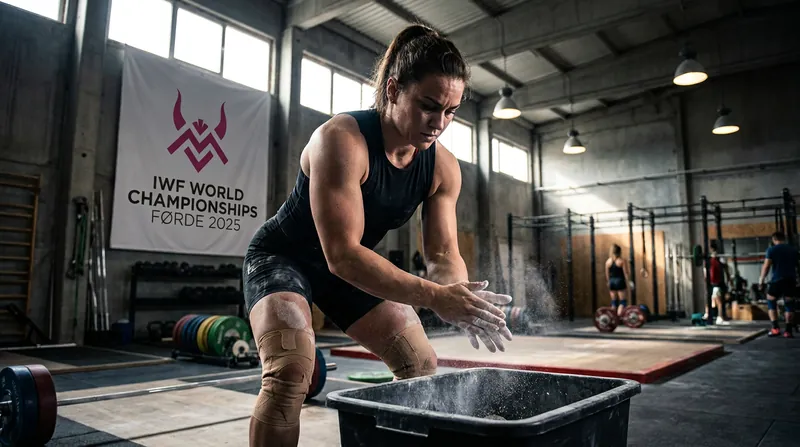
The Race to Ningbo: Men's 65kg Global Standings Tighten as Ozbek, Mosquera, and Morris Collide
2 sources
Injury
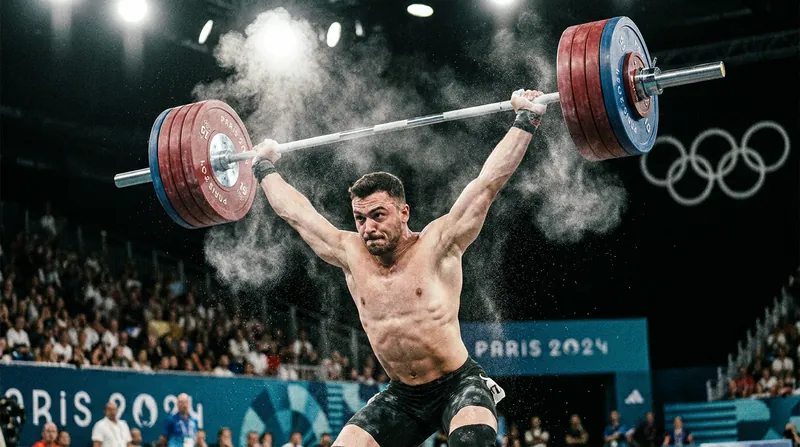
Global Weightlifting Injury Report: Suharevs and Koanda Mount Platform Returns as Medical Consensus Shifts
3 sources
Injury
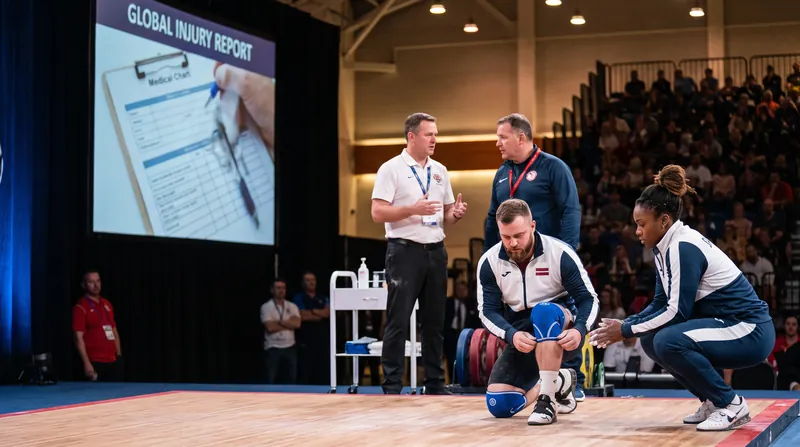
Giulia Imperio Returns From Shoulder Surgery to Sweep Gold at the 2026 European Weightlifting Championships
5 sources
Injury
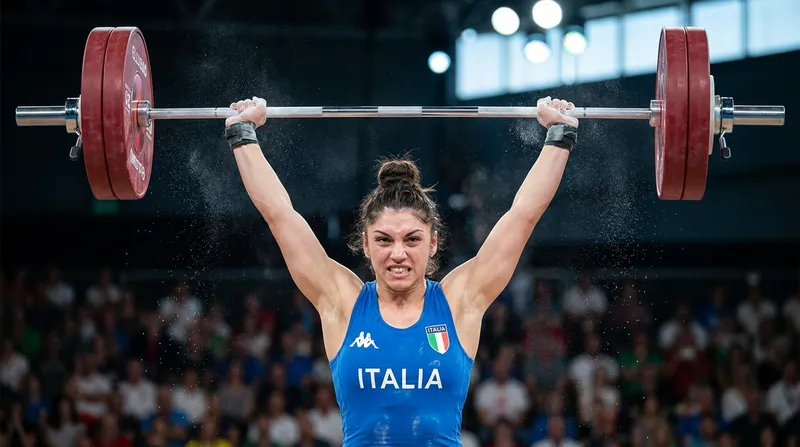
Weightlifting Injury Updates: Jamali and Brown Navigate European Withdrawals as Nanai Misses Commonwealth Games
4 sources
Comments
Every angle. Every day.
Get Sports stories with full source coverage and perspective breakdowns, free every day.