
World Drains Emergency Oil Reserves as Iran War Pushes Markets to Brink, Spurring Peace Push
The U.S. and its allies have drawn emergency oil stockpiles to historic lows to offset the massive supply shock caused by the closure of the Strait of Hormuz. As markets enter a dangerous 'red zone,' President Trump has announced a potential breakthrough in peace talks, sending oil prices tumbling.
By Factlen Editorial Team
- Energy Market Analysts
- Focused on the mathematical reality of depleted global stockpiles and the looming summer demand.
- Market Optimists
- Focused on the immediate financial relief promised by a potential US-Iran peace agreement.
- Strategic Planners
- Focused on the long-term vulnerability created by drawing down national emergency reserves.
What's not represented
- · Middle Eastern civilian populations
- · Renewable energy advocates
Why this matters
The historic depletion of the U.S. Strategic Petroleum Reserve leaves the global economy highly vulnerable to future energy shocks. Even if a peace deal reopens the Strait of Hormuz, the years-long process of rebuilding these emergency stockpiles will keep a floor under global gas prices and inflation.
Key points
- The U.S. Strategic Petroleum Reserve has plummeted to its lowest level since 1983 as the government attempts to offset the loss of Middle Eastern oil.
- The closure of the Strait of Hormuz has disrupted 20 percent of global supply, marking the largest sudden oil shock in history.
- President Trump announced a diplomatic breakthrough and called off retaliatory strikes, sending Brent crude prices down 4.5 percent.
- Energy analysts warn that even with a peace deal, the years-long process of refilling global emergency stockpiles will sustain inflationary pressure.
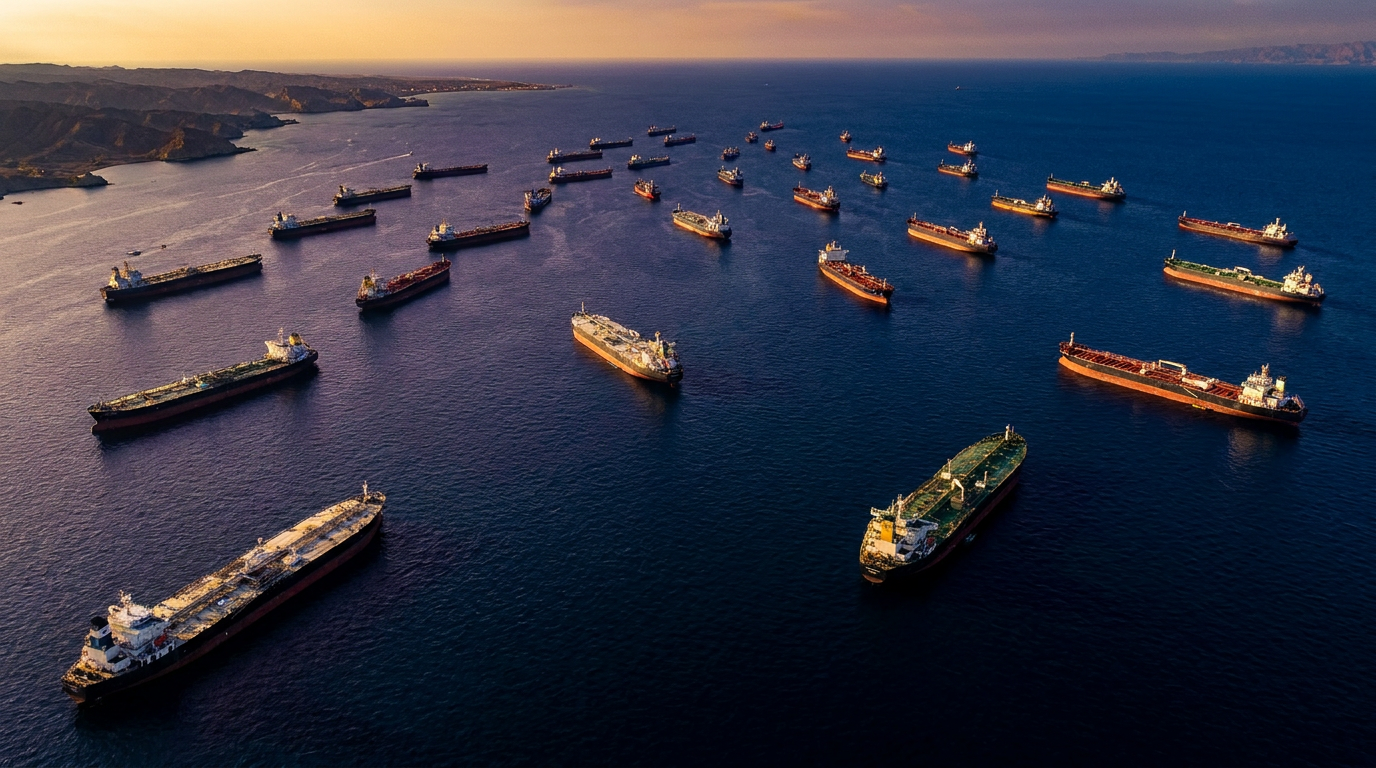
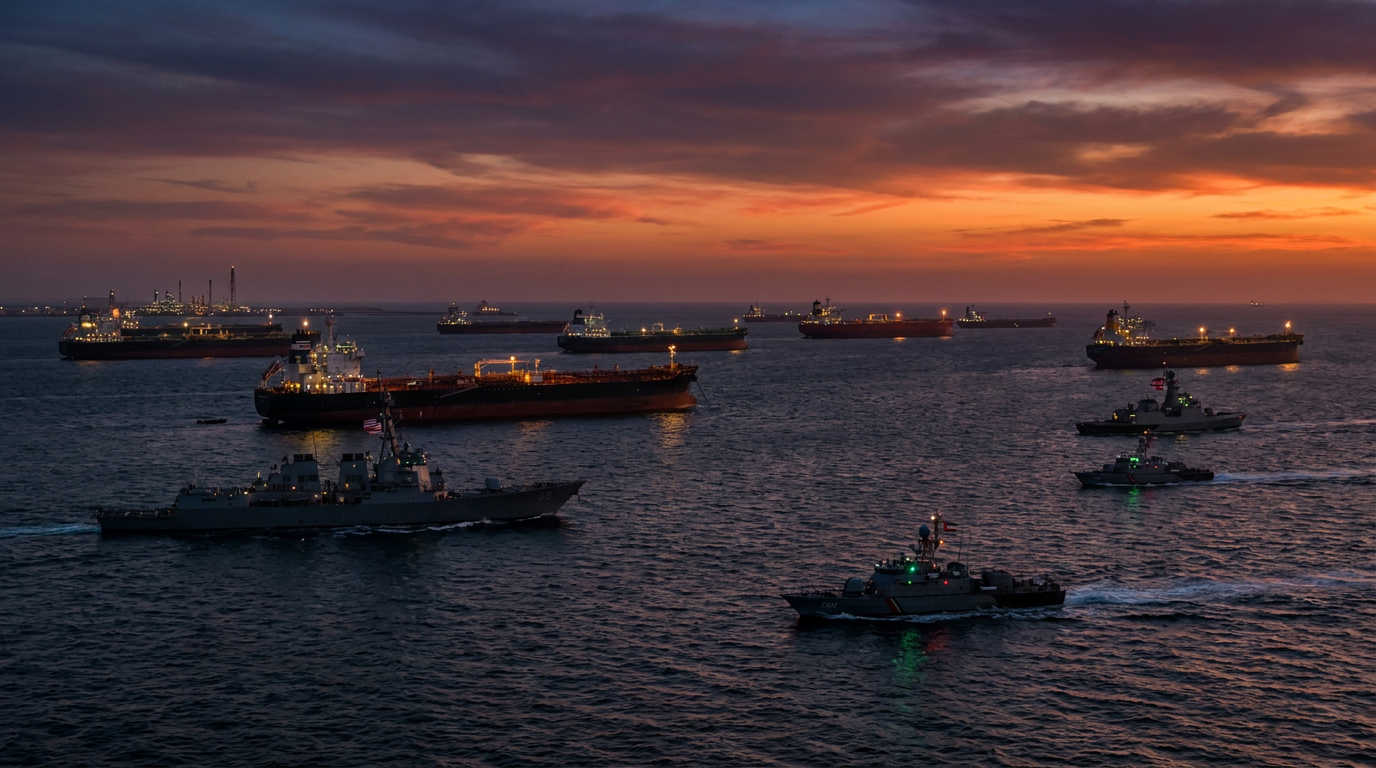
The world is rapidly draining its emergency oil reserves to keep the global economy afloat as the U.S.-Israeli war against Iran enters its fourth month, pushing international energy markets to the brink of a historic supply crisis. Since the conflict erupted in late February, the near-total closure of the Strait of Hormuz has choked off a vital artery for global commerce, forcing governments to tap into their strategic stockpiles at an unprecedented rate. The massive coordinated drawdown has successfully prevented crude prices from remaining at their initial catastrophic peaks, but the mathematical reality of finite reserves is now colliding with surging summer travel demand. Against this tense backdrop, financial markets experienced a sudden jolt of optimism on Thursday evening when President Donald Trump announced a breakthrough in peace negotiations, raising hopes that the world's most severe energy bottleneck might soon be reopened.[1][5]
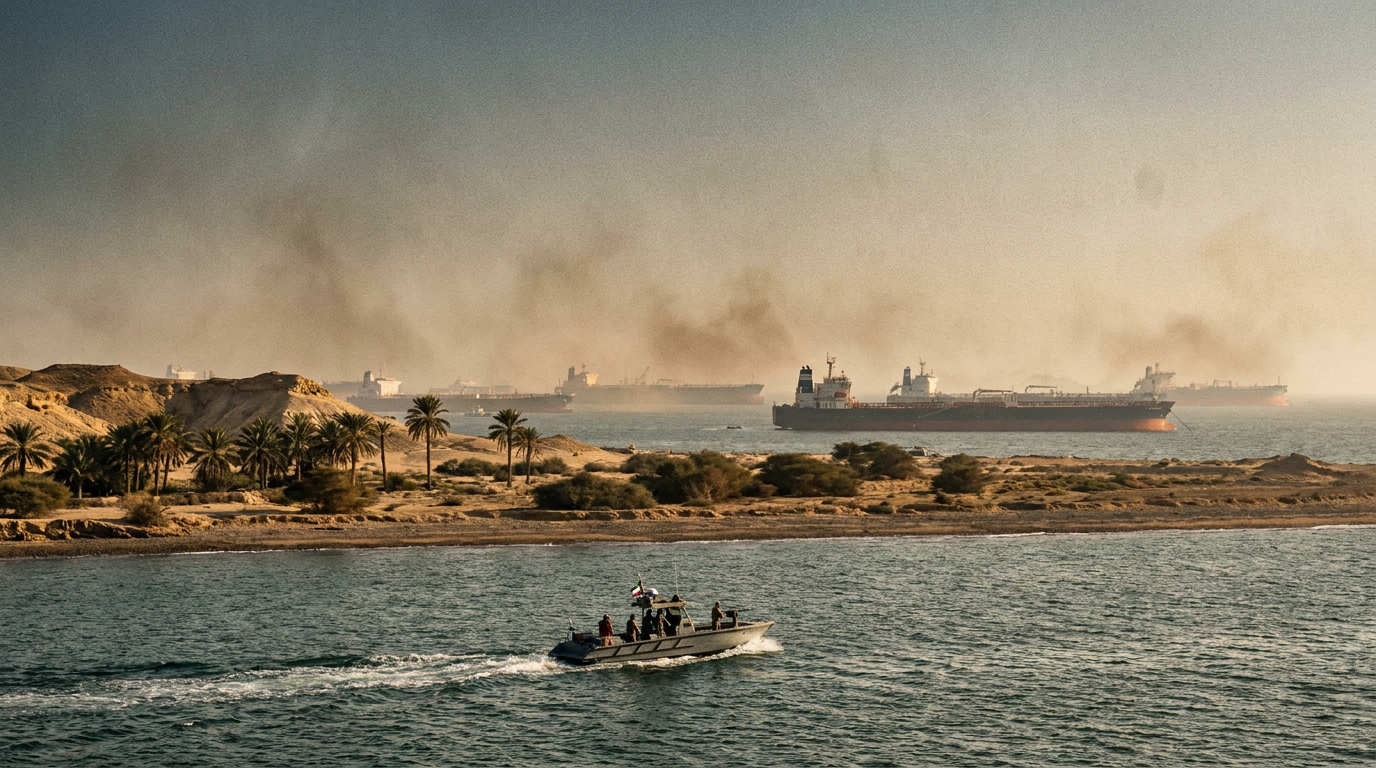
The scale of the current energy shock dwarfs previous historical crises. According to energy analysts, the disruption of tanker traffic through the Persian Gulf has effectively sidelined 20 percent of the world's daily oil supply. This represents the largest sudden supply disruption in the history of the global oil market, more than double the impact of the 1956 Suez Crisis and nearly three times the size of the 1973 Arab oil embargo. Because major swing producers like Saudi Arabia and the United Arab Emirates rely heavily on the Strait of Hormuz to export their crude, the global market has been left without a meaningful cushion of spare capacity to step in and fill the void.[6]
To prevent the global economy from buckling under the weight of $120-per-barrel crude, Western nations deployed their ultimate safety net. The International Energy Agency (IEA) orchestrated a historic emergency release, authorizing 400 million barrels from the government stockpiles of its 32 member states to flood the market and artificially suppress prices. This coordinated injection of crude has acted as a vital shock absorber, allowing the global supply chain to continue functioning despite the loss of Middle Eastern exports. However, energy experts warn that these reserves were designed to bridge short-term, localized disruptions, not to indefinitely plug a massive, months-long gap in the global energy architecture.[3][4]
The strain is most visible in the United States, where the Strategic Petroleum Reserve (SPR) has been drawn down at a blistering pace. Since the war began, the U.S. stockpile has plummeted by 79 million barrels, falling to just 349.2 million barrels by early June. This marks the lowest level for the American emergency reserve since August 1983, during the early years of the Reagan administration. By relying so heavily on the SPR to cushion domestic fuel prices and stabilize global markets, the administration has significantly reduced its ammunition for future crises, leaving the nation with a shrinking buffer if the current conflict drags on or expands.[4]

The rapid depletion of these stockpiles has prompted stark warnings from global energy watchdogs. IEA Executive Director Fatih Birol recently cautioned that international oil markets are entering a dangerous "red zone." With the vast majority of the authorized emergency releases already deployed and no fresh oil flowing from the Persian Gulf, the market is heading into the peak summer travel season with virtually no margin for error. Analysts warn that if the diplomatic stalemate continues and stockpiles approach their operational floors, the world could face a severe supply crunch by August, triggering a new and far more destructive wave of price spikes.[3]
The rapid depletion of these stockpiles has prompted stark warnings from global energy watchdogs.
The sustained energy shock has already inflicted deep structural damage on the global economy, reigniting inflationary fires that central banks had spent years trying to extinguish. In the United States, wholesale prices surged in May, registering their highest 12-month increase in over three years as the cost of fuel cascaded through the supply chain. The situation is equally dire in Europe, where the European Central Bank was forced to become the first major institution to raise interest rates in direct response to the Iran war. By lifting borrowing costs to combat energy-driven inflation, policymakers are actively slowing economic growth, raising the specter of a global stagflationary environment.[7]

It was against this grim economic calculus that President Trump abruptly altered the geopolitical landscape on Thursday. In a series of evening social media posts, the president announced that he was calling off planned retaliatory strikes against Iranian infrastructure, citing a major diplomatic breakthrough. Trump claimed that discussions had reached the highest levels of Iranian leadership and that a "great settlement" to end the war and reopen the Strait of Hormuz would be signed shortly. The announcement marked a sudden de-escalation in a conflict that had seen intense missile exchanges and threatened to engulf the broader Middle East.[5][7]
Financial markets reacted instantly to the prospect of a reopened Persian Gulf. Brent crude, the international benchmark, tumbled 4.5 percent to $86.31 per barrel, a sharp drop from the $95 range it had occupied just days prior. Benchmark U.S. crude followed suit, shedding 4.3 percent to settle at $83.90 a barrel. The relief rallied global equities, with the S&P 500 jumping 1.8 percent and markets across Asia and Europe posting significant gains. Investors aggressively priced in the return of millions of barrels of Middle Eastern oil, betting that the worst of the supply shock had finally passed.[5][7]

Despite the market euphoria, geopolitical analysts and foreign exchange traders remain deeply skeptical that the crisis is truly over. Iranian officials have yet to publicly confirm the existence of a finalized peace text, and previous U.S. deadlines for a ceasefire have routinely collapsed into renewed hostilities. Market watchers note that while the president's statements provide a welcome shift in tone, the physical reality of the Strait of Hormuz remains unchanged. Until commercial tankers can safely and consistently navigate the waterway without the threat of military interception, the global oil market will continue to operate under a massive geopolitical risk premium.[7]
Even if a definitive peace treaty is signed and the strait reopens tomorrow, the consequences of the historic reserve drain will linger for years. U.S. Energy Secretary Chris Wright has emphasized that the millions of barrels loaned from the Strategic Petroleum Reserve will eventually be repaid by energy companies with a substantial premium, theoretically stabilizing the stockpile at no cost to taxpayers. However, physically extracting, transporting, and storing hundreds of millions of barrels to rebuild global reserves will place sustained upward pressure on demand. The world may soon escape the immediate threat of $120 oil, but the monumental task of refilling the emergency tanks ensures that the economic echoes of the Iran war will be felt long after the guns fall silent.[1][2]
How we got here
Feb 2026
The U.S.-Israeli war against Iran begins, leading to the near-total closure of the Strait of Hormuz and cutting off 20 percent of global oil supply.
March 2026
The IEA authorizes a historic 400-million-barrel release from member states' emergency stockpiles to prevent crude prices from remaining above $120 per barrel.
May 2026
The European Central Bank raises interest rates to combat surging inflation driven by the sustained global energy shock.
June 11, 2026
President Trump calls off planned retaliatory strikes and announces a breakthrough in peace negotiations, causing global oil prices to drop sharply.
Viewpoints in depth
Energy Market Analysts
Focused on the mathematical reality of depleted global stockpiles and the looming summer demand.
This camp emphasizes that the global economy has been surviving on borrowed time and borrowed oil. By draining emergency reserves to offset the 20 percent supply shock caused by the Strait of Hormuz closure, governments have artificially suppressed prices. However, analysts warn that with the IEA's 400-million-barrel release largely deployed and summer travel demand surging, the market is entering a 'red zone' where any further disruption could trigger catastrophic price spikes, regardless of diplomatic progress.
Market Optimists
Focused on the immediate financial relief promised by a potential US-Iran peace agreement.
Financial markets and administration officials are seizing on the prospect of an imminent diplomatic breakthrough. For this camp, the mere announcement of halted strikes and high-level negotiations is enough to price in a reopening of the Persian Gulf. They point to the immediate 4.5 percent drop in Brent crude and the rallying stock indices as proof that the worst of the inflationary energy shock is in the rearview mirror, provided the ceasefire holds.
Strategic Planners
Focused on the long-term vulnerability created by drawing down national emergency reserves.
Defense and energy security experts are sounding the alarm over the historic depletion of the U.S. Strategic Petroleum Reserve, which has fallen to its lowest level since 1983. They argue that while the drawdown successfully prevented $150-per-barrel oil, it has left the United States and its allies exposed to future shocks. Rebuilding these stockpiles will take years and require purchasing crude at elevated prices, meaning the geopolitical consequences of this energy drain will outlast the war itself.
What we don't know
- Whether the Iranian government will formally accept and sign the peace framework announced by President Trump.
- How quickly commercial shipping companies will feel safe enough to resume full operations through the Strait of Hormuz if a ceasefire is declared.
- Exactly how long it will take the United States to refill the Strategic Petroleum Reserve to pre-war levels without spiking market prices.
Key terms
- Strategic Petroleum Reserve (SPR)
- An emergency stockpile of petroleum maintained by the U.S. Department of Energy to mitigate severe supply disruptions.
- Strait of Hormuz
- A narrow waterway between the Persian Gulf and the Gulf of Oman, through which roughly 20 percent of the world's oil supply transits.
- Brent Crude
- The major trading classification of sweet light crude oil that serves as a benchmark price for global oil purchases.
- International Energy Agency (IEA)
- A Paris-based intergovernmental organization that coordinates energy policies and emergency oil releases among its 32 member countries.
Frequently asked
Why are global oil reserves draining so fast?
The war has effectively closed the Strait of Hormuz, cutting off 20 percent of the world's oil supply. To prevent catastrophic price spikes, governments have been flooding the market with emergency stockpiles.
Is the war with Iran over?
Not officially. President Trump announced a breakthrough in peace talks and called off fresh strikes, but Iranian leadership has not yet confirmed a final agreement.
How low is the U.S. Strategic Petroleum Reserve?
The U.S. emergency stockpile has fallen to 349.2 million barrels, its lowest level since August 1983, after drawing down 79 million barrels since the war began.
Will gas prices go down now?
Global crude prices dropped roughly 4.5 percent following the peace deal announcement. However, analysts warn that the massive task of rebuilding depleted reserves will likely keep prices elevated for years.
Sources
Source coverage
7 outlets
3 viewpoints surfaced







[1]The New York TimesEnergy Market Analysts
The World Is Draining Oil Reserves, Raising Pressure for a Peace Deal
Read on The New York Times →[2]Fox BusinessStrategic Planners
Companies to add 40 mln barrels of oil to US SPR after Iran war ends, energy secretary says
Read on Fox Business →[3]The GuardianEnergy Market Analysts
Oil markets nearing 'red zone' as Iran crisis continues, warns IEA chief
Read on The Guardian →[4]Al-MonitorStrategic Planners
US strategic oil stockpile nears four-decade low as Iran war drags on
Read on Al-Monitor →[5]Associated PressMarket Optimists
World shares surge and oil prices slip over 4% after Trump claims a breakthrough in Iran war talks
Read on Associated Press →[6]CNBCEnergy Market Analysts
The U.S.-Iran war is the biggest oil supply disruption in history
Read on CNBC →[7]CNAMarket Optimists
US stocks rally, oil prices fall as Trump calls off fresh Iran strikes
Read on CNA →
More in news politics
See all 111 stories →Strait of Hormuz
Trump Cancels Iran Strikes, Claims Peace Deal to Reopen Strait of Hormuz is Imminent
8 sources
Strait of Hormuz
Trump Cancels Strikes on Iran, Claims Peace Deal to Reopen Strait of Hormuz is Imminent
8 sources
US-Iran Conflict
Trump Cancels Strikes as U.S. and Iran Weigh Draft Peace Framework
8 sources
Strait of Hormuz
Trump Cancels Iran Strikes, Claims 'Great Settlement' Reached as Tehran Pushes Back
8 sources
Every angle. Every day.
Get news politics stories with full source coverage and perspective breakdowns delivered to your inbox.