
Trump Cancels Iran Strikes, Claims Peace Deal to Reopen Strait of Hormuz is Imminent
President Donald Trump called off planned military strikes against Iran, announcing that a peace agreement to end the three-month conflict is nearly finalized. While global markets rallied and oil prices plummeted on the news, Iranian officials cautioned that no final decision has been reached.
By Factlen Editorial Team
- U.S. Administration
- Argues that military pressure has forced Iran to the table and a comprehensive peace deal is imminent.
- Iranian Officials
- Maintains that while progress has been made, no final agreement is signed and core demands must be met.
- Global Energy Markets
- Focused on the reopening of the Strait of Hormuz and the immediate drop in crude oil prices.
- Regional Allies
- Seeks assurances that any U.S.-Iran settlement will permanently dismantle Tehran's nuclear infrastructure.
What's not represented
- · Iranian Civilians
- · Global Shipping Companies
Why this matters
A formal peace agreement would end a volatile three-month military conflict that has disrupted global shipping and spiked energy costs. Reopening the Strait of Hormuz would immediately ease inflationary pressures worldwide, while fundamentally reshaping the geopolitical balance in the Middle East.
Key points
- President Trump canceled planned military strikes on Iran, announcing a peace deal is nearly complete.
- The tentative agreement would reportedly reopen the Strait of Hormuz and unfreeze Iranian assets.
- Iranian officials cautioned that no final decision has been made and core red lines remain.
- Global oil prices plummeted below $90 per barrel on the news of the potential settlement.
- Asian and global stock markets rallied significantly on hopes of inflation relief.
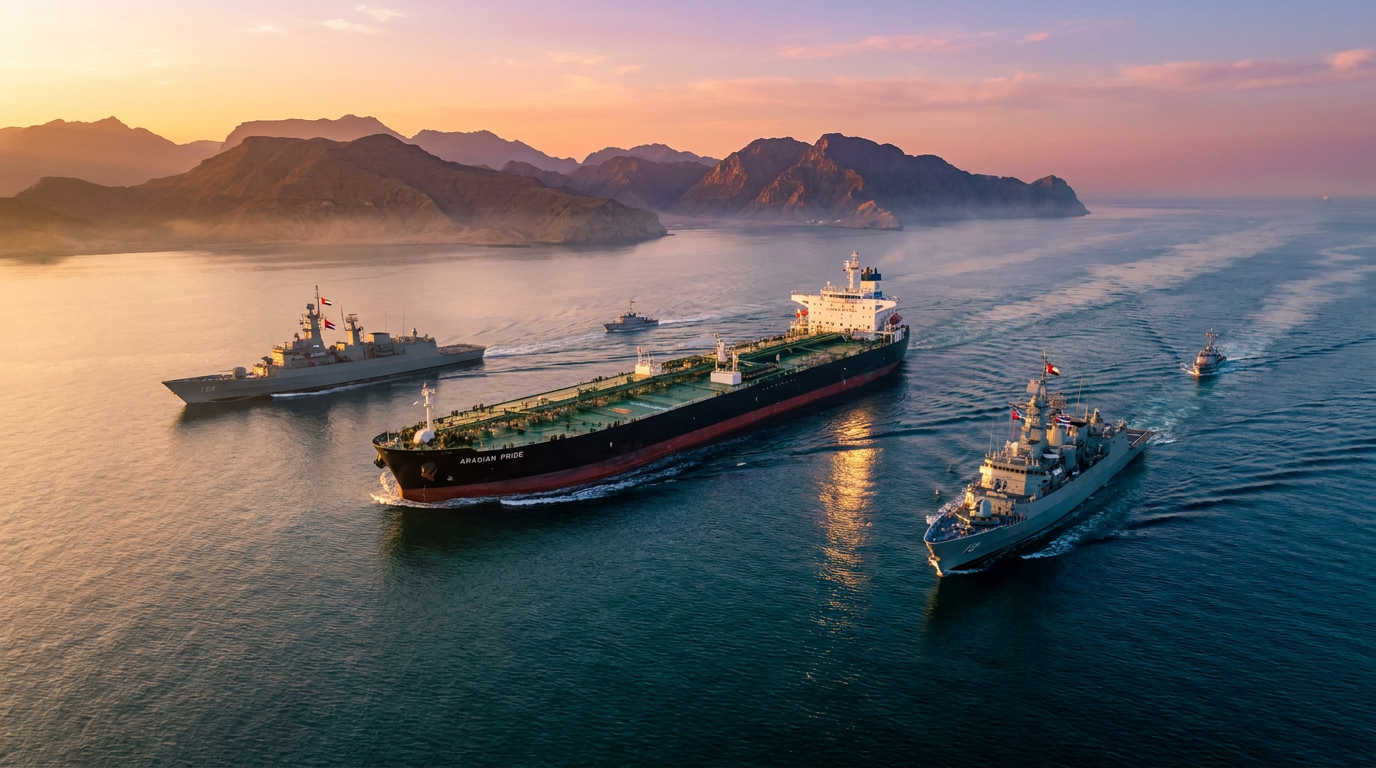
President Donald Trump abruptly canceled a wave of planned military strikes against Iran on Thursday evening, announcing instead that a comprehensive peace agreement to end the three-month-old conflict is nearly complete. Speaking from the Oval Office, Trump declared that negotiators had reached a major breakthrough, suggesting that a formal signing ceremony could take place in Europe within days. The sudden pivot halts a dangerous escalation that had threatened to engulf the broader Middle East, offering a potential off-ramp to a war that has severely disrupted global shipping and energy markets.[2][5]
The announcement marks a dramatic reversal in rhetoric from the U.S. administration. Just hours before declaring the conflict effectively resolved, Trump had publicly threatened to launch "very hard" strikes and suggested the U.S. military might seize Kharg Island, Iran's most critical oil export terminal. However, citing progress brought to the "highest level of Iranian leadership," the president withdrew the military threat, stating that the new Iranian leadership team was proving to be "much more rational" and eager to end the hostilities.[5][6][7]
While the exact text of the memorandum remains under wraps, diplomatic sources indicate the framework offers significant concessions to both sides. For the United States and the global economy, the centerpiece of the deal is the immediate reopening of the Strait of Hormuz, a vital maritime chokepoint that Iran had effectively blockaded. In exchange, Tehran is reportedly securing the waiver of crippling sanctions on its oil exports, the unfreezing of billions of dollars in foreign assets, and a cessation of U.S. and Israeli military operations across multiple fronts, including Lebanon.[1][6]
Despite the optimism emanating from Washington, officials in Tehran quickly pumped the brakes on the narrative that a deal is already finalized. Iranian Foreign Ministry spokesman Esmaeil Baghaei acknowledged that large portions of the agreement have been drafted but firmly stated that Iran has not reached a final conclusion. State media emphasized that Tehran will not compromise on its established "red lines," signaling that while the diplomatic gap has narrowed, the final hurdles regarding sanctions relief and regional security guarantees remain formidable.[1][5]

A glaring question mark hanging over the tentative agreement is the status of Iran's nuclear program. Trump assured reporters that the settlement guarantees Iran will "never have a nuclear weapon," framing this as the primary justification for the administration's maximum pressure campaign. However, regional diplomats and Iranian sources suggest that the immediate ceasefire memorandum may actually set aside the complex technical details of nuclear enrichment and facility inspections, deferring those thorny issues to a subsequent round of negotiations once the acute military crisis is defused.[1][7]
A glaring question mark hanging over the tentative agreement is the status of Iran's nuclear program.
The mere prospect of peace sent immediate shockwaves through global financial sectors, triggering a massive rally in equities and a steep plunge in energy costs. Brent crude, the international oil benchmark, tumbled below $90 per barrel, while U.S. West Texas Intermediate dropped to roughly $86.70. The sharp decline reflects immense relief among commodities traders who had priced in a prolonged closure of Middle Eastern shipping lanes and the persistent threat of retaliatory strikes on regional petroleum infrastructure, which had kept markets on edge for months.[3][4][8]
Beyond the oil pits, international stock markets surged on the news, driven by hopes that lower energy prices will ease the inflationary pressures that have burdened the global economy since the conflict erupted in late February. Japan's Nikkei index jumped nearly 4 percent, and South Korea's Kospi surged over 7 percent, as investors bet that the resumption of normal commercial traffic through the Persian Gulf would stabilize supply chains and reduce manufacturing costs worldwide.[3][8]
The strategic and economic stakes of the Strait of Hormuz cannot be overstated. Roughly 20 percent of the world's total energy supply transits through the narrow waterway, making it the most important oil chokepoint on the globe. Over the past three months, the near-total closure of the strait has forced shipping companies to reroute vessels, dramatically increasing transit times and insurance premiums. A verified reopening would not only alleviate the immediate supply crunch but also restore a critical artery of international trade.[4][6]

As the U.S. and Iran inch toward a resolution, regional allies are watching the developments with cautious scrutiny. Israeli Prime Minister Benjamin Netanyahu held a phone call with Trump to discuss the pending memorandum. While Israel is not a direct party to the U.S.-Iran bilateral agreement, Netanyahu's office expressed appreciation for Trump's commitment that any final deal must ultimately include the dismantling of Iran's enrichment infrastructure, limits on ballistic missile production, and a halt to Tehran's support for proxy militias like Hezbollah.[1][4]
Diplomatic teams are now racing to finalize the specific language of the memorandum, with Geneva emerging as the most likely venue for a formal signing ceremony. If the remaining disputes over sanctions and regional military postures can be bridged, the agreement is expected to be signed by U.S. Vice President JD Vance and Iranian Parliament Speaker Mohammed Baqer Qalibaf. Until the ink is dry, however, the U.S. naval blockade remains in effect, leaving the world waiting to see if the fragile diplomatic breakthrough will hold.[1][6]
How we got here
Late Feb 2026
U.S. and Israeli forces launch initial strikes on Iran, sparking a multi-front conflict and the closure of the Strait of Hormuz.
April 2026
A fragile ceasefire is announced but is repeatedly strained by sporadic drone and missile attacks.
June 10, 2026
President Trump threatens to seize Iran's Kharg Island oil terminal and launch 'very hard' retaliatory strikes.
June 11, 2026
Trump abruptly cancels the strikes, citing a breakthrough in negotiations and an imminent peace deal.
Viewpoints in depth
U.S. Administration
Argues that maximum military and economic pressure has successfully forced Iran to the negotiating table.
The White House views the tentative agreement as a vindication of its aggressive deterrence strategy. By threatening to destroy critical infrastructure like Kharg Island, the administration believes it compelled Tehran to accept terms that will reopen global shipping lanes and permanently block its path to a nuclear weapon. Officials emphasize that the U.S. retains the leverage to snap back the naval blockade if Iran fails to comply with the final memorandum.
Iranian Leadership
Maintains that any agreement must fully respect Tehran's red lines, including the complete removal of sanctions.
Iranian officials are projecting a cautious and firm stance, pushing back against the U.S. narrative that a deal is already finalized. Tehran insists that the unfreezing of billions in foreign assets and the lifting of oil sanctions are non-negotiable prerequisites for peace. Furthermore, Iranian negotiators are demanding that the cessation of hostilities apply to all regional fronts, ensuring that allied groups in Lebanon are protected from further Israeli military action.
Global Energy Markets
Focused entirely on the stabilization of oil supplies and the reopening of the Strait of Hormuz.
For commodities traders and international shipping firms, the geopolitical nuances of the deal are secondary to the immediate physical reopening of the Persian Gulf. The three-month blockade has severely strained global supply chains, forcing expensive reroutes and spiking insurance premiums. The market's immediate reaction—a sharp drop in crude prices and a rally in Asian equities—reflects a desperate need for inflation relief and a return to predictable energy flows.
What we don't know
- Whether Iran's Supreme Leader has formally approved the specific text of the memorandum.
- How the agreement will address the technical details and inspections of Iran's nuclear program.
- The exact timeline for when the U.S. naval blockade will be officially lifted.
Key terms
- Strait of Hormuz
- A narrow, strategically vital waterway between the Persian Gulf and the Gulf of Oman through which roughly a fifth of the world's oil passes.
- Kharg Island
- Iran's primary oil export terminal, located in the Persian Gulf, which handles the vast majority of the country's crude exports.
- Brent Crude
- The leading global price benchmark for Atlantic basin crude oils, used to price two-thirds of the world's internationally traded crude oil supplies.
Frequently asked
Is the war with Iran officially over?
Not yet. While President Trump claims a deal is imminent and has canceled immediate strikes, Iranian officials state that a final agreement has not been signed.
Will the Strait of Hormuz reopen?
If the peace deal is finalized, reopening the Strait of Hormuz to commercial shipping is expected to be one of the immediate outcomes, easing global oil prices.
What happens to Iran's nuclear program?
President Trump insists the deal ensures Iran will never obtain a nuclear weapon, though reports indicate the specific technical details may be deferred to subsequent negotiations.
Sources
Source coverage
8 outlets
4 viewpoints surfaced








[1]ReutersIranian Officials
U.S.-Iran memorandum to halt Gulf war could be signed Sunday, sources say
Read on Reuters →[2]Fox NewsU.S. Administration
Trump says Iran deal near after second day of US strikes and attacks
Read on Fox News →[3]The GuardianGlobal Energy Markets
Oil prices plummet as Trump claims he is close to US-Iran deal
Read on The Guardian →[4]CBS NewsRegional Allies
Oil prices fall after President Trump claims progress in Iran talks
Read on CBS News →[5]The Washington PostIranian Officials
Trump cancels scheduled attacks on Iran, citing progress on potential peace deal
Read on The Washington Post →[6]NPRU.S. Administration
Trump now says a peace deal will be announced 'soon,' cancels further strikes
Read on NPR →[7]TimeU.S. Administration
Trump Says He Has 'Canceled' Strikes Against Iran After Threatening 'Very Hard' Attack
Read on Time →[8]ICISGlobal Energy Markets
Oil falls on optimism over US-Iran peace deal; Brent crude at below $90/bbl
Read on ICIS →
More in news politics
See all 113 stories →Information Ecosystem
The Evidence Behind Crowdsourced Fact-Checking: Does It Actually Change Minds?
8 sources
Strait of Hormuz
Oil Prices Plummet as U.S. and Iran Edge Toward Deal to Reopen Strait of Hormuz
7 sources
Strait of Hormuz
Trump Cancels Strikes on Iran, Claims Peace Deal to Reopen Strait of Hormuz is Imminent
8 sources
US-Iran Conflict
Trump Cancels Strikes as U.S. and Iran Weigh Draft Peace Framework
8 sources
Every angle. Every day.
Get news politics stories with full source coverage and perspective breakdowns delivered to your inbox.