
The Rise of Astrotourism: Why 'Dark Skies' Are the Most Coveted Travel Amenity of 2026
As light pollution erases the stars for billions, a booming $10 billion astrotourism industry is transforming remote rural towns into global destinations.
By Factlen Editorial Team
- Rural Communities & Developers
- Focused on leveraging dark skies for sustainable local job creation and economic diversification.
- Environmental Conservationists
- Focused on using the economic value of astrotourism to enforce lighting regulations and protect nocturnal ecosystems.
- Hospitality & Tourism Industry
- Focused on meeting consumer demand for unique, nature-based experiences through specialized lodging and tours.
What's not represented
- · Indigenous communities whose ancestral lands and cultural star-lore are increasingly marketed to tourists.
- · Urban planners in major cities struggling to balance public safety lighting with the growing demand for dark-sky initiatives.
Why this matters
Light pollution is growing by nearly 10% annually, making natural darkness a scarce resource. Astrotourism not only offers travelers a rare connection to the cosmos but provides a sustainable economic lifeline to rural communities without the heavy infrastructure demands of traditional mass tourism.
Key points
- Astrotourism is now a $10 billion industry driven by the rapid disappearance of natural darkness.
- Global night sky brightness has increased by nearly 10 percent annually over the last decade.
- DarkSky International certifies locations that prove exceptional sky quality and enforce strict lighting policies.
- The trend provides rural communities with a low-infrastructure, high-yield economic lifeline.
- Luxury hotels are capitalizing on the demand by offering private observatories and resident astronomers.
- Protecting dark skies also delivers critical ecological benefits for nocturnal wildlife.
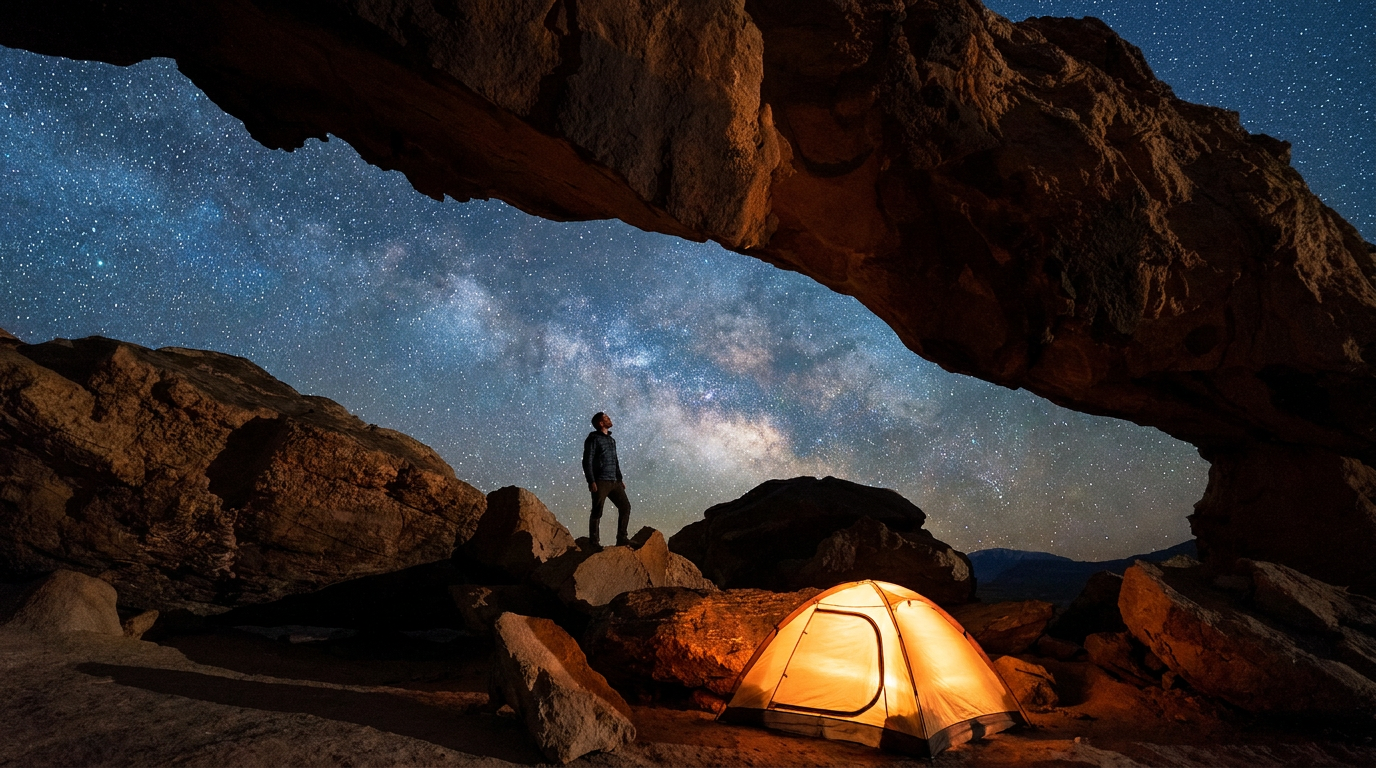
The August 2026 total solar eclipse and the ongoing solar maximum have pushed "astrotourism" from a niche hobby to the forefront of global travel.[2]
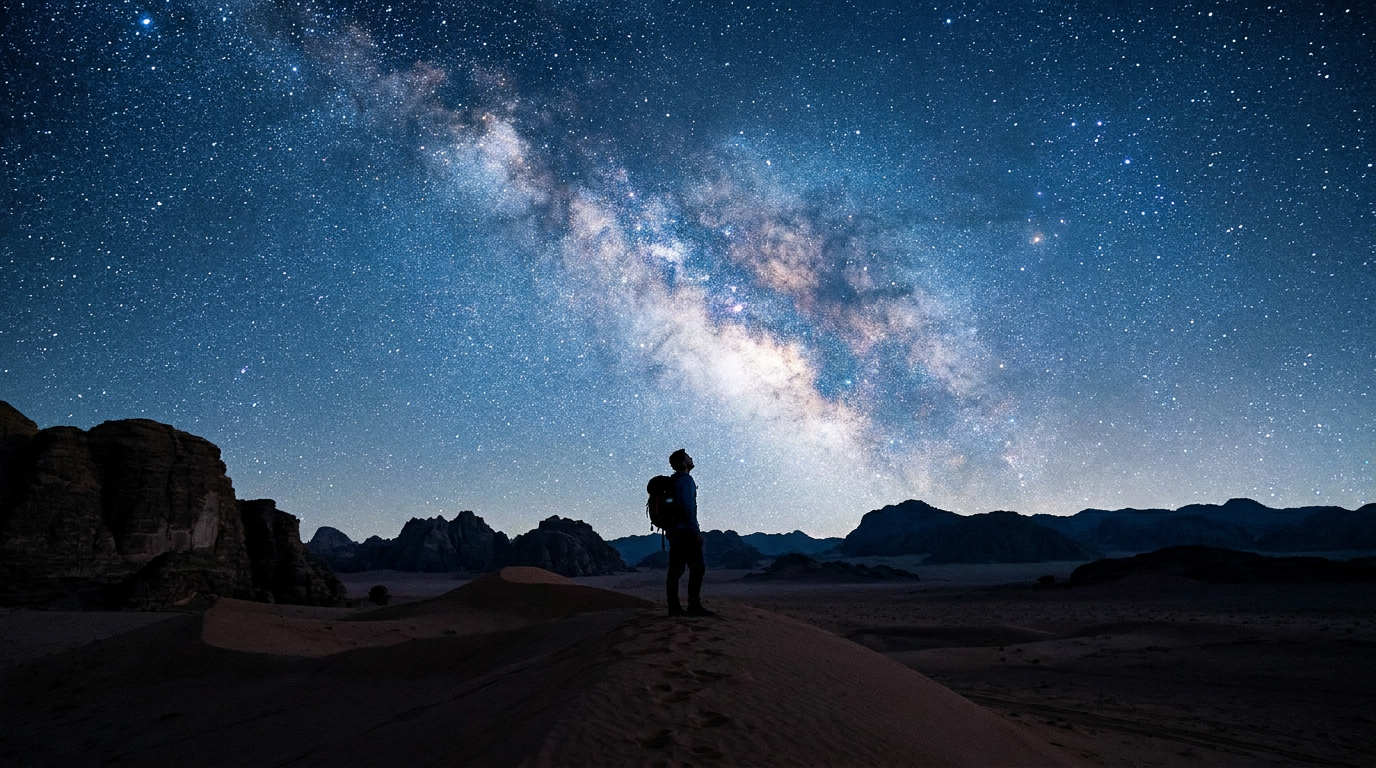
The core driver of this trend is simple scarcity. For roughly 80 percent of North Americans and Europeans, the Milky Way is no longer visible from their own backyards.[6]
A comprehensive study found that global night sky brightness increased by an average of 9.6 percent annually between 2011 and 2022. Natural darkness is rapidly disappearing, swallowed by the expanding glow of urban infrastructure.[2]

In response, a $10 billion industry centered around "noctourism" has emerged. Recent travel data indicates that 62 percent of travelers are actively seeking dark-sky destinations, hoping to catch a glimpse of the cosmos where it remains visible.[1][2]
The primary mechanism protecting these remaining dark zones is DarkSky International. Founded to preserve the nocturnal environment, the organization operates a rigorous certification program modeled on UNESCO World Heritage sites.[3]
The certification process is intentionally demanding. A location cannot simply declare itself a Dark Sky Park; it must scientifically prove its sky quality, often requiring that the Milky Way be clearly visible to the naked eye.[3]
Crucially, certification also mandates a strict, forward-looking lighting management plan. Communities must retrofit existing streetlights, enforce downward-facing fixtures, and commit to ongoing public education to prevent future light pollution.[3]

For rural communities, this certification serves as a powerful economic lifeline. Traditional mass tourism requires massive capital infrastructure—airports, mega-hotels, and paved highways—which many remote towns cannot afford.[4][5]
Astrotourism, by contrast, requires almost nothing but the preservation of what is already there: empty space and darkness. It is a low-impact, high-yield model of sustainable development.[5]
Astrotourism, by contrast, requires almost nothing but the preservation of what is already there: empty space and darkness.
In Sutherland, South Africa, the establishment of astronomical facilities and dark-sky protections has spurred a dramatic increase in local guesthouses. This influx has created vital jobs in an area historically plagued by unemployment and economic stagnation.[5]

Similarly, in the United States, towns flanked by certified Dark Sky Parks have seen stargazing become a primary driver of overnight stays. Because the stars are often clearest in the colder months, astrotourism helps extend the tourist season year-round.[6]
The luxury hospitality industry has aggressively pivoted to capitalize on this demand. Absolute darkness is no longer viewed as a lack of development, but rather as a highly coveted premium amenity.[1]
High-end resorts in the Maldives, Iceland, and Chile's Atacama Desert are hiring "resident astronomers" and building private observatory domes to differentiate their properties from standard luxury offerings.[1][2]
Some properties are going a step further by entirely redesigning their architecture. Hotels are installing glass-ceilinged bedrooms and transparent domes that allow guests to stargaze directly from their beds.[1]

Beyond human enjoyment and economic growth, the preservation of dark skies delivers profound ecological benefits. Artificial light severely disrupts nocturnal ecosystems, altering the migratory patterns of birds and the foraging behavior of mammals.[2][4]
By assigning a tangible dollar value to darkness, astrotourism aligns economic incentives with environmental conservation. Communities finally have a financial reason to turn off the lights and protect local wildlife.[4]
However, the boom is not without its challenges. In some rural areas, the sudden influx of wealthy tourists and outside hospitality investors has sparked concerns about gentrification and the displacement of local residents.[4][5]
Furthermore, the industry is inherently weather-dependent. A week of unexpected cloud cover can ruin a highly anticipated trip, making it a volatile revenue stream for small businesses.[6]
How we got here
2001
The International Dark-Sky Association (now DarkSky International) launches the Dark Sky Places certification program.
2007
Natural Bridges National Monument in Utah becomes the world's first certified International Dark Sky Park.
2011–2022
Global night sky brightness increases by an average of 9.6 percent annually, rapidly shrinking natural dark zones.
Jan 2024
DarkSky International launches the "DarkSky Approved Lodging Program" to certify hotels and resorts.
2024–2026
The solar maximum cycle peaks, driving unprecedented global travel demand for aurora borealis and solar eclipse viewings.
Viewpoints in depth
Rural Economic Developers
View astrotourism as a low-cost, high-yield lifeline for isolated communities.
For municipalities far from traditional tourist hubs, darkness is an untapped natural resource. Economic developers argue that astrotourism extends the travel season into the winter months—when skies are often clearest—and requires minimal capital investment compared to building conventional attractions. The focus is on empowering local guesthouses and guides rather than multinational developers.
Conservationists and Ecologists
View the trend as a vital mechanism to combat light pollution and protect wildlife.
Environmental advocates champion astrotourism because it aligns economic incentives with ecological preservation. By making dark skies financially valuable, communities are motivated to retrofit streetlights and enforce strict zoning laws. This not only restores human access to the stars but protects nocturnal wildlife whose migratory and reproductive cycles are devastated by artificial skyglow.
Luxury Hospitality Brands
View pristine night skies as the ultimate premium amenity for high-end travelers.
In an era where standard luxury is ubiquitous, hospitality executives see absolute darkness as a rare, exclusive commodity. Brands are investing heavily in astronomical infrastructure—from resident "sky gurus" to private observatory domes—to differentiate their properties. They argue that offering guided, high-end celestial experiences caters to a growing demographic seeking profound, unplugged connections with nature.
What we don't know
- Whether the surge in astrotourism will subside after the current solar maximum cycle concludes and auroras become less frequent.
- How rural communities will balance the influx of astrotourists with the need to prevent the very development and light pollution that ruins the attraction.
- The long-term effectiveness of voluntary lighting management plans if local political or economic priorities shift.
Key terms
- Astrotourism
- Travel focused on experiencing dark skies, stargazing, and celestial events, often in remote areas free from artificial light.
- Light Pollution
- The inappropriate or excessive use of artificial light, which obscures the night sky and disrupts ecosystems.
- Skyglow
- The brightening of the night sky over inhabited areas, caused by artificial light scattering in the atmosphere.
- Bortle Scale
- A nine-level numeric scale that measures the night sky's brightness and the astronomical observability of celestial objects.
Frequently asked
Do I need a telescope for astrotourism?
No. While some travelers use telescopes, the primary draw of certified dark sky destinations is the ability to see the Milky Way, meteor showers, and auroras with the naked eye.
How does a park get certified by DarkSky International?
A location must prove its night sky is exceptionally dark, implement a strict lighting management plan to prevent future light pollution, and commit to public education programs.
Why is astrotourism beneficial for rural towns?
It provides a sustainable source of tourism revenue that doesn't require expensive infrastructure like theme parks or massive resorts, relying instead on the natural preservation of the night sky.
Does light pollution affect anything besides stargazing?
Yes. Artificial light severely disrupts nocturnal ecosystems, altering the migratory patterns of birds, the breeding cycles of amphibians, and the foraging habits of mammals.
Sources
Source coverage
6 outlets
3 viewpoints surfaced






[1]ForbesHospitality & Tourism Industry
The Rise Of Astrotourism: 25 Hotels Leading The Stargazing Trend
Read on Forbes →[2]The HustleHospitality & Tourism Industry
With the night sky becoming an increasingly rare sight, more starry-eyed travelers are planning trips around dark sky tourism
Read on The Hustle →[3]DarkSky InternationalEnvironmental Conservationists
International Dark Sky Places Program
Read on DarkSky International →[4]MDPIEnvironmental Conservationists
Astrotourism as a Driver of Social Innovation
Read on MDPI →[5]arXivRural Communities & Developers
Astronomy for Socioeconomic Development: Empowering Rural Communities
Read on arXiv →[6]Factlen Editorial TeamRural Communities & Developers
Synthesis by Factlen editorial team
Read on Factlen Editorial Team →
More in travel
See all 34 stories →Maritime Tech
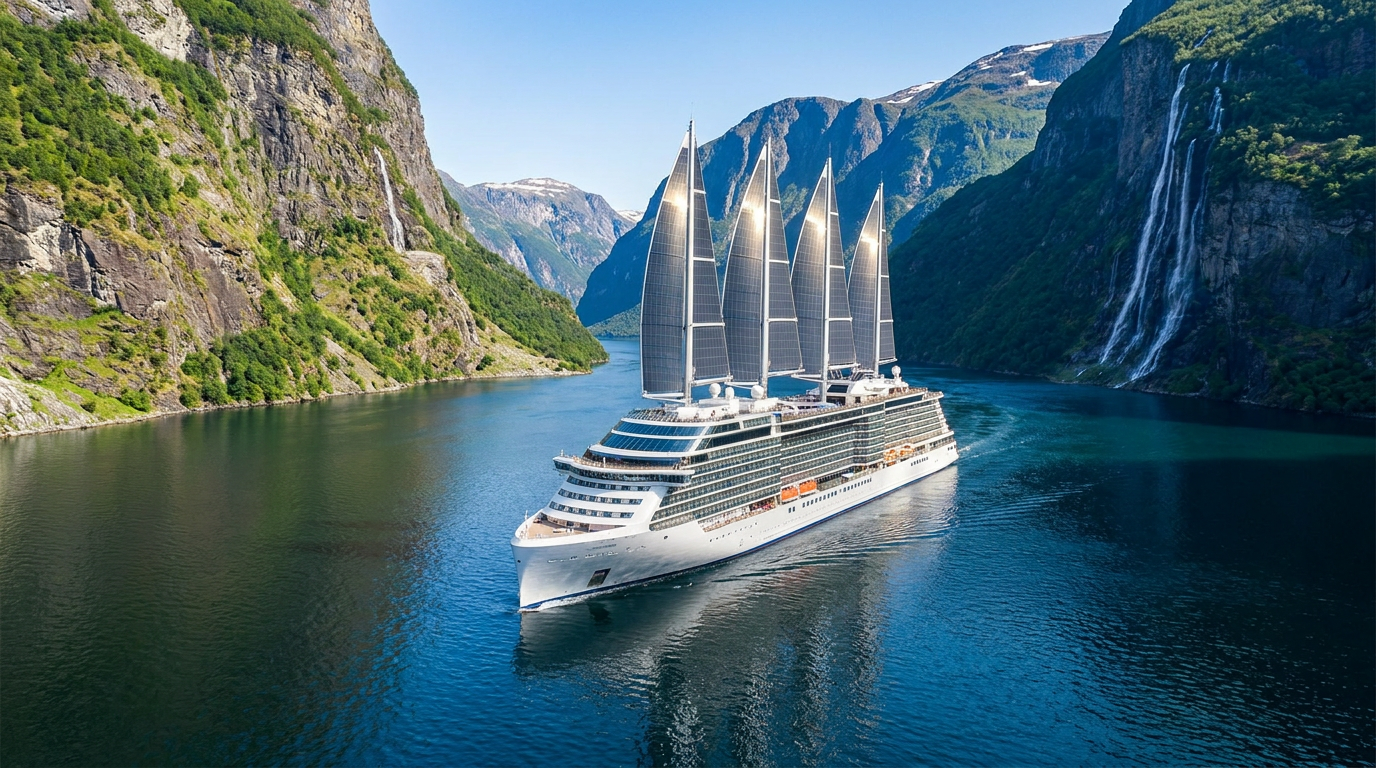
How the Cruise Industry is Engineering the Zero-Emission Ship
7 sources
Luxury Rail
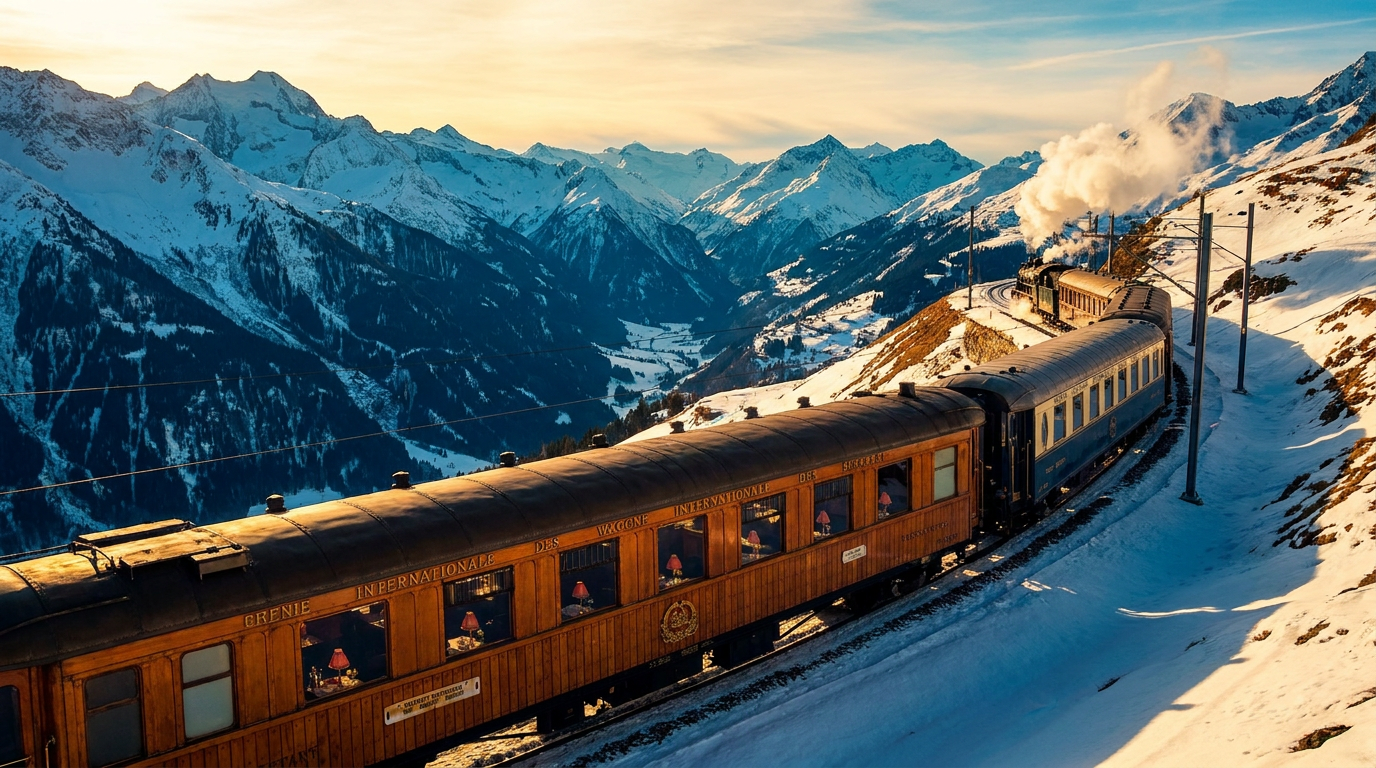
The $10,000 Ticket: Inside the Booming Renaissance of Ultra-Luxury Sleeper Trains
8 sources
Aviation Tech
How AI, Lasers, and Crowdsourcing Are Making Flights Smoother
8 sources

Astrotourism
The Rise of Astrotourism: How Dark Sky Sanctuaries Are Reshaping Global Travel
7 sources
Every angle. Every day.
Get travel stories with full source coverage and perspective breakdowns delivered to your inbox.