
USL Super League Aligns Calendar with NWSL, Cementing a Unified Era for U.S. Women's Soccer
Following a historic second season, the USL Super League is shifting to a Spring-to-Fall schedule to match the NWSL. The move creates a synchronized domestic ecosystem that expands career opportunities for female athletes.
By Jackson Reed

The landscape of American women's professional soccer is unifying. Just weeks after the USL Super League concluded its second season, the organization announced a strategic pivot that will reshape the domestic game: flipping its competition calendar to align directly with the National Women's Soccer League (NWSL).[1][3]
The USL Super League, which holds Division I sanctioning alongside the NWSL, originally launched with a European-style fall-to-spring schedule. However, league officials confirmed this week that future campaigns will adopt a spring-to-fall format, matching the traditional American soccer calendar.[1][4]
The shift marks a new era of cooperation between the two top-flight leagues. By synchronizing their schedules, the leagues are removing a major logistical barrier to player movement, loan agreements, and domestic scouting.[3]
"This is a pragmatic and highly positive step for the women's game," notes coverage from the sports business sector, highlighting that a unified calendar effectively expands the job market for professional female athletes in the United States without forcing them to navigate conflicting off-seasons.
The announcement arrives on the heels of a landmark second season for the USL Super League. On May 30, Lexington SC captured the 2026 championship in front of a passionate home crowd, defeating Carolina Ascent FC 3-1.[2]
Lexington's victory completed a historic league double, as the club had already secured the Players' Shield for the best regular-season record. The vibrant atmosphere at Lexington SC Stadium underscored the growing appetite for professional women's soccer outside of traditional major-market hubs.[2][4]
For players, the calendar alignment offers tangible benefits. The USL Super League features no salary cap and a minimum salary of around $35,000, providing a viable alternative or stepping stone for athletes aiming to build long-term careers.[4]
A synchronized schedule means players can more easily transition between the NWSL and the USL Super League, creating a robust domestic pyramid that mirrors the depth of the men's game. It also allows teams to avoid the logistical nightmares of playing through the harshest winter months in certain markets.[3]
Rather than engaging in a zero-sum competition, the two Division I leagues appear to be settling into a complementary relationship. With the NWSL also expanding to 16 teams in 2026—including the highly anticipated debut of Boston Legacy FC—the sheer volume of professional roster spots in the U.S. has never been higher.[1]
The move also provides a boost to local economies and infrastructure. Many USL Super League clubs own or control their stadiums, providing financial stability and ensuring that women's teams are primary tenants rather than secondary renters.
Ultimately, the calendar flip is a testament to the maturation of women's sports. By prioritizing ecosystem health over scheduling differentiation, the USL Super League is helping to build a sustainable, thriving environment where female athletes and local fanbases can flourish.[3]
As the U.S. prepares to host major global soccer tournaments in the coming years, a unified, thriving domestic women's league structure sends a powerful message. The synchronization of the NWSL and USL Super League ensures that the future of American women's soccer is collaborative, expansive, and brighter than ever.[1]
Key points
- The USL Super League announced it will shift to a Spring-to-Fall calendar to align with the NWSL.
- The alignment removes logistical barriers for player transfers and loan agreements between the two Division I leagues.
- Lexington SC recently won the 2025-26 USL Super League championship, completing a historic league double.
- The synchronized schedule creates a unified, year-round ecosystem that expands career opportunities for female athletes in the U.S.
How we got here
August 2024
The USL Super League kicks off its inaugural season as a Division I women's soccer league.
March 2026
The NWSL expands to 16 teams, further growing the domestic women's soccer footprint.
May 30, 2026
Lexington SC defeats Carolina Ascent FC 3-1 to win the 2025-26 USL Super League championship.
June 2026
The USL Super League announces a shift to a Spring-to-Fall calendar, aligning with the NWSL.
- League Executives
- View the calendar alignment as a strategic move to optimize player development and commercial growth.
- Player Advocates
- Celebrate the change for creating a more stable, unified domestic market that expands career opportunities.
- Local Supporters
- Focus on the on-field success of their clubs and the improved matchday experience of a summer schedule.
Perspectives this story doesn't cover
- European club scouts monitoring the US market
- Youth academy directors preparing the next generation of players
Sources
Source coverage
4 outlets
3 viewpoints surfaced




- [1]ESPNLeague Executives
USL Super League to flip calendar to align with NWSL
Read on ESPN → - [2]Lexington Herald-LeaderLocal Supporters
Lexington Sporting Club captures USL Super League title to cap historic season
Read on Lexington Herald-Leader → - [3]The AthleticPlayer Advocates
America Marks Its 250th Birthday With Storms, Sweat and Fire
Read on The Athletic → - [4]Wikipedia
2025–26 USL Super League season
Read on Wikipedia →
More in Sports
See all →World Cup 2026
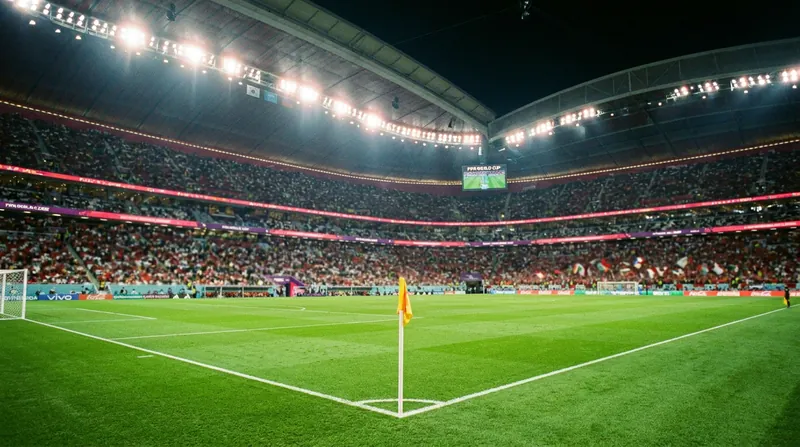
Norway Upsets Brazil in World Cup Round of 16 as Neymar Announces International Retirement
4 sources
AC Milan Rebuild
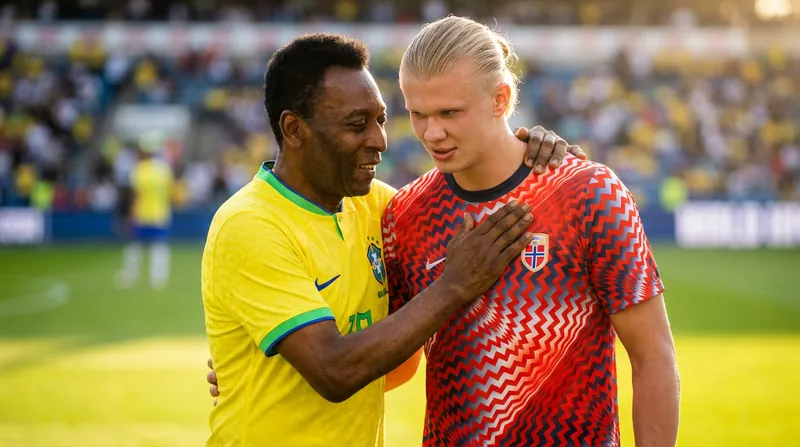
AC Milan Announces Record-Breaking Signing of Goncalo Ramos in Blockbuster Transfer Deal
3 sources
National Team Reset
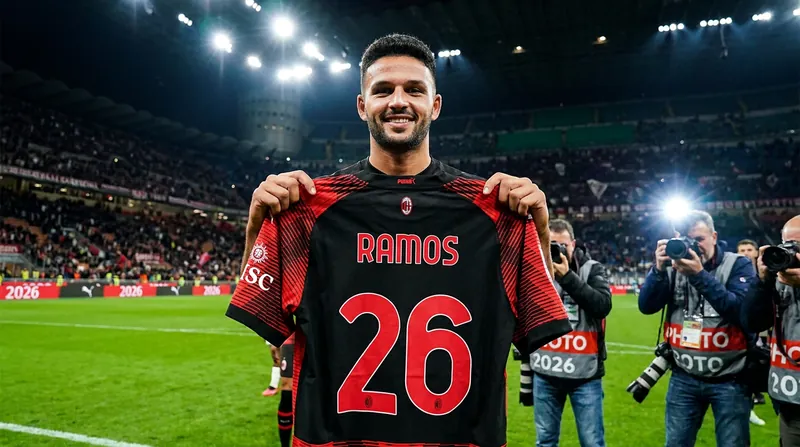
Nagelsmann Steps Down as Germany Coach; DFB Pivots to Jürgen Klopp in Major Reset
3 sources
Transfer Market
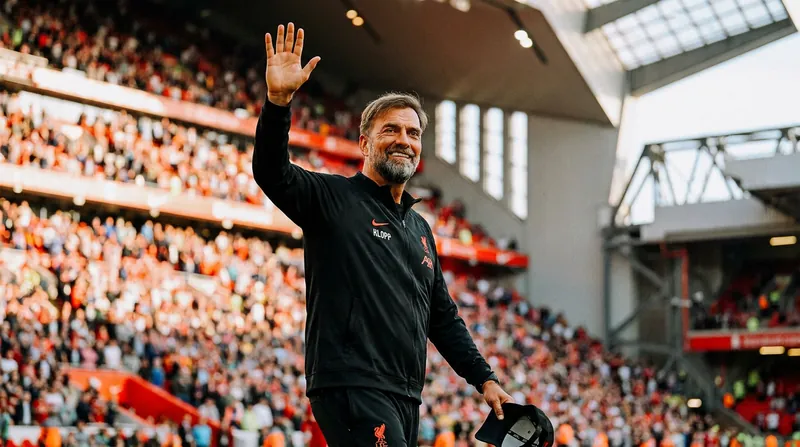
Man City Shatters British Transfer Record With £116M Signing of Elliot Anderson
4 sources
Comments
Every angle. Every day.
Get Sports stories with full source coverage and perspective breakdowns, free every day.