
US and Iran Near Historic Peace Deal to End 106-Day War
The United States and Iran are on the verge of signing a memorandum of understanding to end their military conflict, though final details remain under negotiation.
By Factlen Editorial Team
- US Administration
- Views the deal as a diplomatic victory that ends the war and secures a great settlement.
- Iranian Leadership
- Cautiously optimistic about the MoU but maintains that no final decision is made.
- Regional Security Observers
- Focused on the broader implications for proxy conflicts and nuclear non-proliferation.
What's not represented
- · Lebanese Civilians
- · Commercial Shipping Industry
Why this matters
A formal peace agreement would end a major geopolitical crisis that has threatened global energy supplies and international shipping. However, the persistence of proxy conflicts means regional instability will likely continue even if direct US-Iran hostilities cease.
Key points
- The US and Iran are nearing a memorandum of understanding to end their 106-day conflict.
- President Trump declared the war 'ended' and called off further military strikes.
- Iran's foreign minister said an agreement has 'never been closer,' though no final decision is made.
- The conflict had previously brought both nations to the brink of a ground war over uranium enrichment.
- Israel stated it is not a party to the agreement but remains aligned with the US on preventing a nuclear Iran.
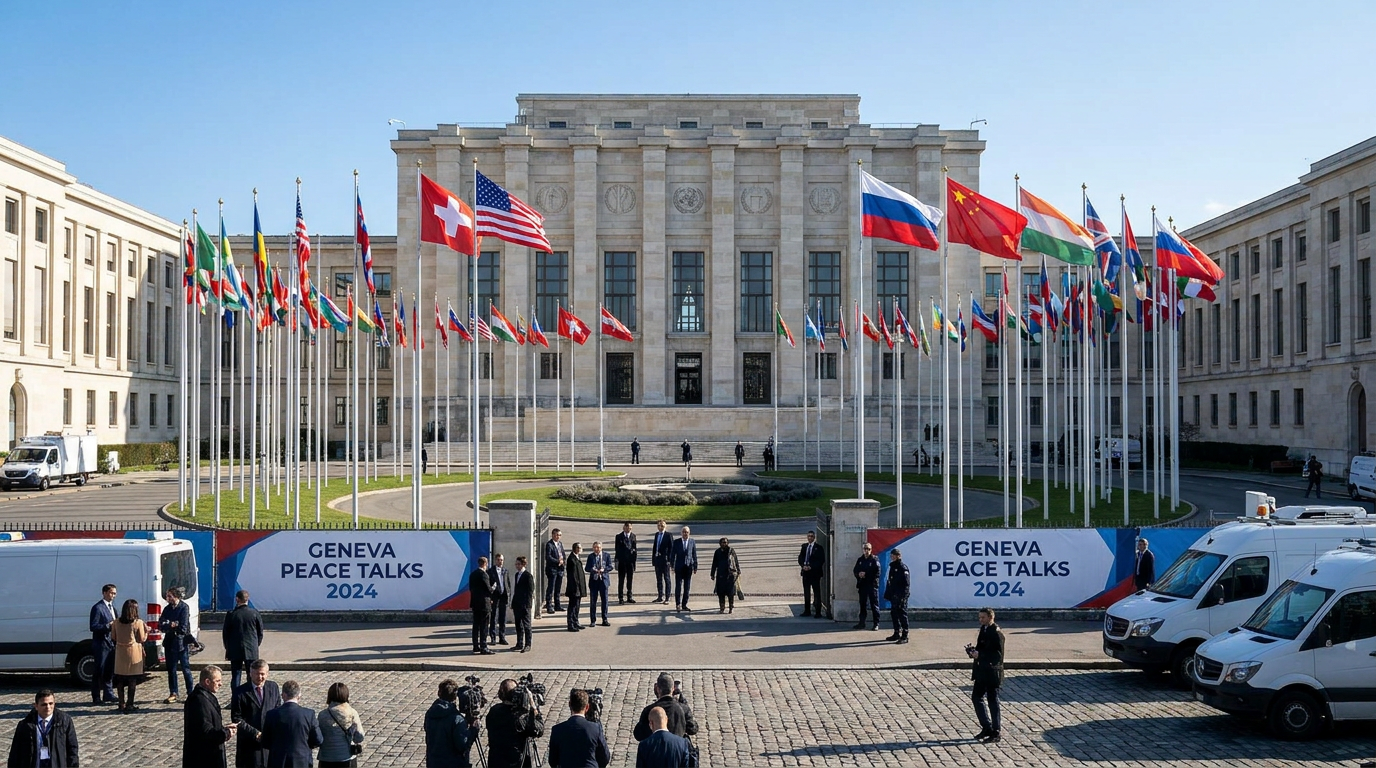
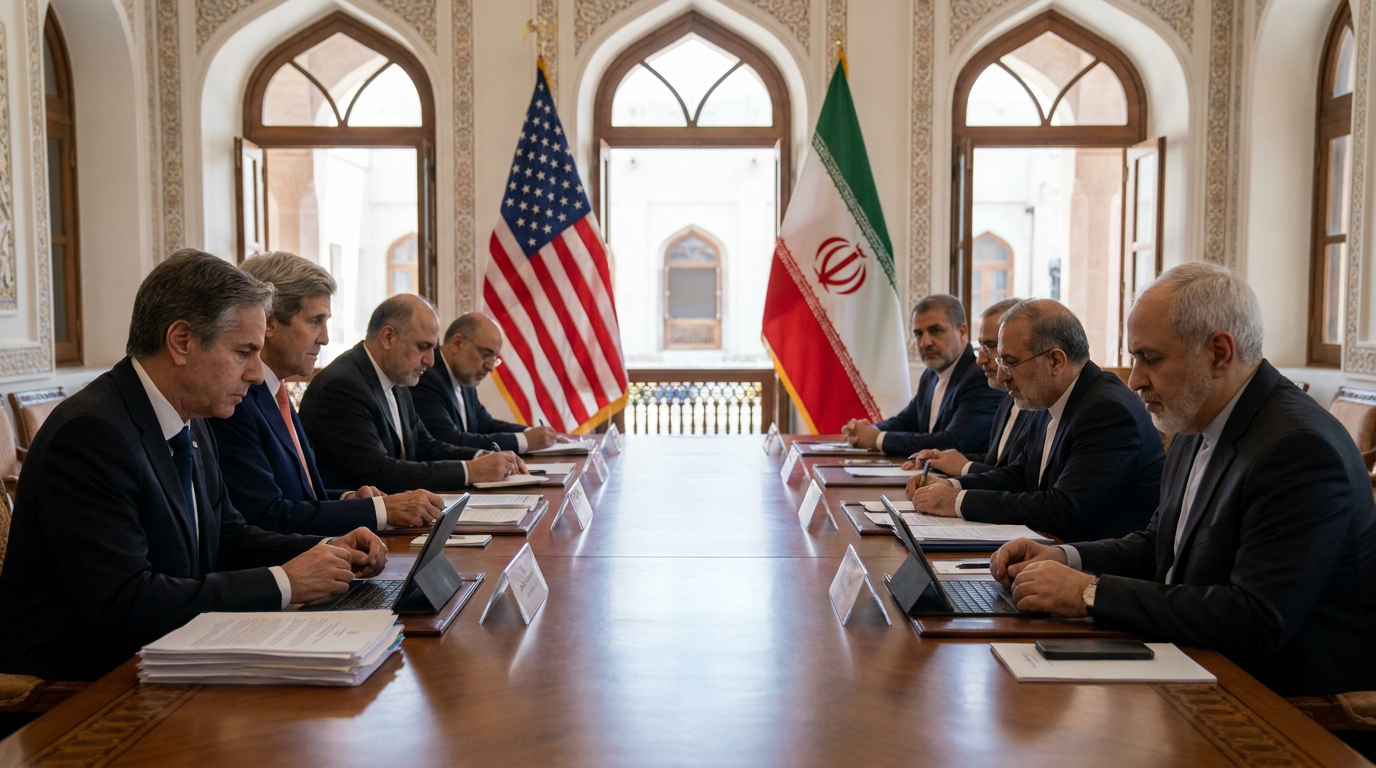
After 106 days of direct military confrontation, the United States and Iran appear to be on the verge of signing a historic peace agreement to end the war. Negotiators from both nations have signaled that a final memorandum of understanding (MoU) is imminent, potentially closing a volatile chapter that threatened to engulf the broader Middle East.[1][3]
The breakthrough gained momentum late this week when U.S. President Donald Trump announced he had called off further military strikes against Iranian targets. Trump declared the conflict effectively "ended," telling reporters that the diplomatic documents are in "pretty final shape" and hailing the emerging framework as a "great settlement." The U.S. administration has indicated that a formal signing ceremony could take place in Europe in the coming days.[2][4][6]
In Tehran, the tone was cautiously optimistic but measured. Iranian Foreign Minister Seyed Abbas Araghchi confirmed that an MoU has "never been closer," marking a significant diplomatic shift after months of hostilities. However, Iran's foreign ministry spokesperson noted that while the text is mostly finalized, no formal decision has been made, accusing U.S. negotiators of repeatedly shifting their positions at the eleventh hour.[1][3]

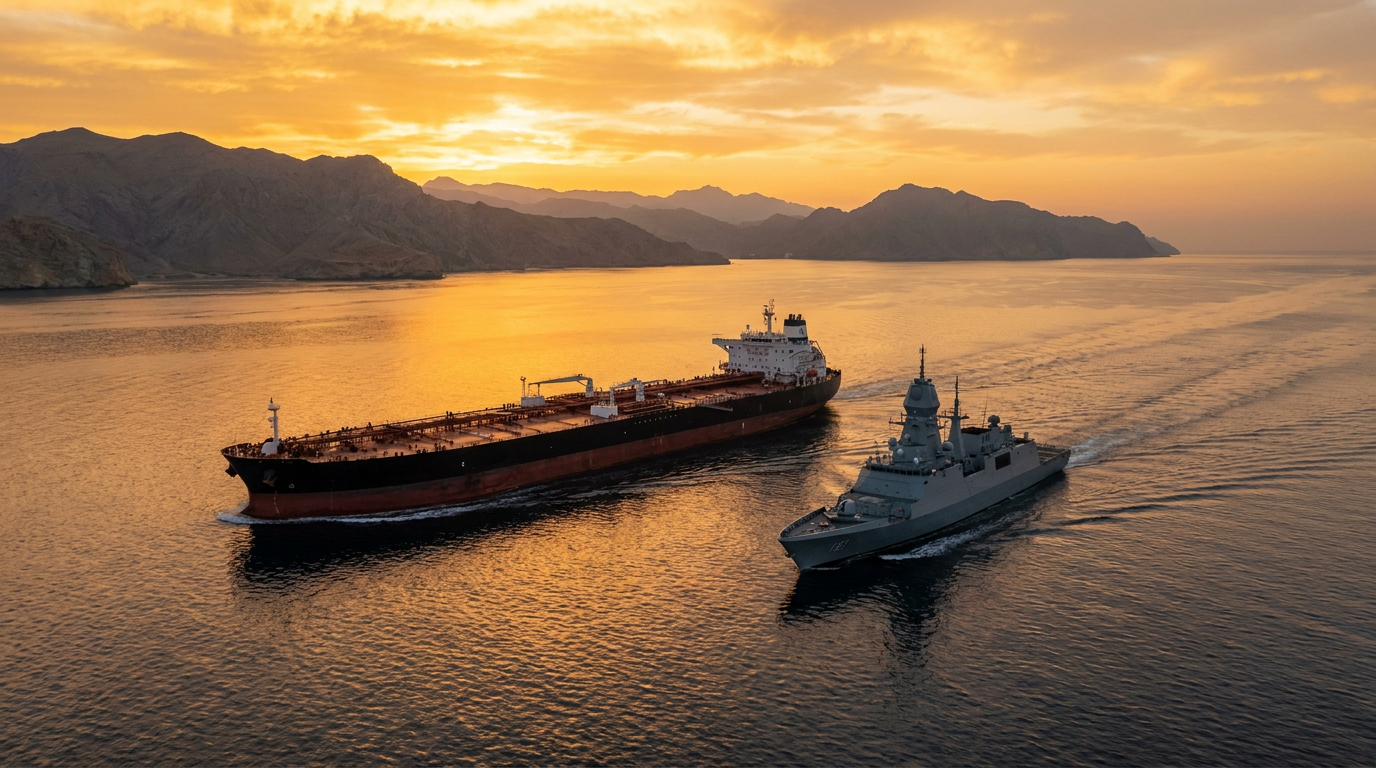
The stakes of the negotiations are monumental. Prior to the diplomatic thaw, the two nations were reportedly preparing for a devastating ground war centered around Iran's uranium enrichment facilities. The conflict had already severely disrupted global shipping, with commercial tankers targeted in the Gulf of Oman and maritime traffic through the critical Strait of Hormuz grinding to a near standstill.[5]
The path to the current MoU was paved by a fragile, temporary ceasefire that has largely held since early April. Despite this truce, the region has remained on edge due to sporadic maritime skirmishes and drone incidents, underscoring the urgency of a permanent settlement.[1][5]
The path to the current MoU was paved by a fragile, temporary ceasefire that has largely held since early April.
While a direct U.S.-Iran peace deal would remove the immediate threat of a superpower clash, regional proxy conflicts continue to burn. Fighting remains intense in southern Lebanon, where the Israeli military has recently issued evacuation orders for dozens of towns amid ongoing clashes with Hezbollah.[1]

Israel's position remains a critical variable in the region's security architecture. Israeli Prime Minister Benjamin Netanyahu clarified that Israel is not a party to the new U.S.-Iran agreement and will not be bound by its terms. Nevertheless, Netanyahu emphasized that he and President Trump remain in "full agreement" on the overarching goal of preventing Iran from obtaining a nuclear weapon.[7]
International intermediaries have played a crucial role in bridging the gap between Washington and Tehran. Pakistani officials, who have helped facilitate back-channel communications, suggested that the final details of the agreement could be ironed out within 24 hours.[1]
The prospect of a finalized peace deal has already sent ripples through global markets. Energy analysts anticipate that a formal end to the war will stabilize Brent crude prices, which have been highly volatile due to the persistent threat of supply disruptions in the Persian Gulf.[5]
As diplomats race to finalize the text, both administrations face the challenge of selling the compromise to domestic audiences. For the U.S. and Iran, the coming days will determine whether the 106-day war officially concludes with a handshake in Europe, or if last-minute friction unravels the closest attempt yet at a lasting peace.[2][3][4]
How we got here
Early April 2026
A temporary ceasefire goes into effect between US and Iranian forces.
May 2026
Tensions flare with maritime incidents and drone attacks in the Gulf of Oman.
June 12, 2026
President Trump calls off further strikes and declares the war effectively ended.
June 13, 2026
Iranian FM Abbas Araghchi states a memorandum of understanding has never been closer.
Viewpoints in depth
US Administration
Views the imminent deal as a definitive end to the war and a diplomatic victory.
U.S. officials are projecting confidence that the conflict has effectively concluded. By calling off further military strikes and declaring the documents in 'final shape,' the administration is framing the agreement as a 'great settlement' that successfully averts a ground war while maintaining pressure on Iran's nuclear ambitions. The focus is now on finalizing the logistics for a formal signing ceremony in Europe.
Iranian Leadership
Expresses cautious optimism while emphasizing that no final concessions have been made.
Tehran acknowledges that a memorandum of understanding has 'never been closer,' but remains wary of U.S. negotiating tactics. Iranian diplomats accuse Washington of repeatedly shifting its positions, stressing that until a formal document is signed, the war is not officially over. This cautious stance also serves to manage expectations among domestic hardliners who may oppose compromises.
Regional Allies
Concerned about the continuation of proxy conflicts despite a direct US-Iran truce.
Allies like Israel are carefully distancing themselves from the specific terms of the U.S.-Iran MoU. Israeli leadership insists they are not bound by the agreement and will continue to act independently against proxy groups like Hezbollah in Lebanon. Their primary focus remains on ensuring that any diplomatic settlement strictly prevents Iran from achieving nuclear weapons capabilities, regardless of the bilateral truce.
What we don't know
- The specific concessions made by either side regarding Iran's uranium enrichment program.
- The exact date and location of the potential signing ceremony in Europe.
- How the bilateral peace deal will impact ongoing proxy conflicts, such as the fighting in Lebanon.
Key terms
- Memorandum of Understanding (MoU)
- A formal agreement between two or more parties that outlines the terms of an understanding, often preceding a legally binding treaty.
- Strait of Hormuz
- A crucial maritime chokepoint between the Persian Gulf and the Gulf of Oman, through which a significant portion of the world's oil supply passes.
- Proxy Conflict
- A war instigated by a major power that does not itself become fully involved, often fighting through allied local groups or nations.
Frequently asked
Has the US-Iran war officially ended?
While President Trump has declared the conflict 'ended,' Iranian officials state that a final memorandum of understanding is still being negotiated and no formal document has been signed yet.
What does the peace deal cover?
The emerging agreement reportedly focuses on winding down direct military hostilities and addressing Iran's uranium enrichment, though full details remain unreleased.
How does this affect Israel?
Israeli Prime Minister Benjamin Netanyahu stated that Israel is not a party to the new US-Iran agreement, though he noted full agreement with the US on preventing Iran from obtaining nuclear weapons.
Sources
Source coverage
7 outlets
3 viewpoints surfaced







[1]Al JazeeraIranian Leadership
Iran war day 106: US and Iran say deal close but Lebanon fighting continues
Read on Al Jazeera →[2]Associated PressUS Administration
Trump raises expectations for Iran peace deal as war winds down
Read on Associated Press →[3]ReutersIranian Leadership
Iranian FM Araghchi says MoU with US 'never been closer'
Read on Reuters →[4]Fox NewsUS Administration
Trump trumpets 'great settlement' with Iran, declares war 'ended'
Read on Fox News →[5]The Times of IndiaRegional Security Observers
US and Iran prepared for a ground war over uranium before truce talks drew closer: Report
Read on The Times of India →[6]Global NewsUS Administration
Trump cancels Iran strikes, says deal to end war is near
Read on Global News →[7]The GuardianRegional Security Observers
Israel not party to new US-Iran agreement, Netanyahu says
Read on The Guardian →
More in news politics
See all 5 stories →Middle East Diplomacy
US and Iran Near Interim Agreement to Halt Hostilities: What the Deal Contains
0 sources
Union Contracts
House Passes Sweeping Labor Bill Mandating Strict Timelines for First Union Contracts
0 sources
US-Iran Deal
US and Iran on the Brink of Historic Interim Peace Agreement to End War
0 sources

Every angle. Every day.
Get news politics stories with full source coverage and perspective breakdowns delivered to your inbox.