
US and Iran Near Historic Deal to End 106-Day War: What We Know About the Terms
After months of conflict and a closed Strait of Hormuz, Washington and Tehran have reportedly agreed on a final text to halt hostilities, though fierce disagreements remain over Israel's ongoing operations in Lebanon.
By Factlen Editorial Team
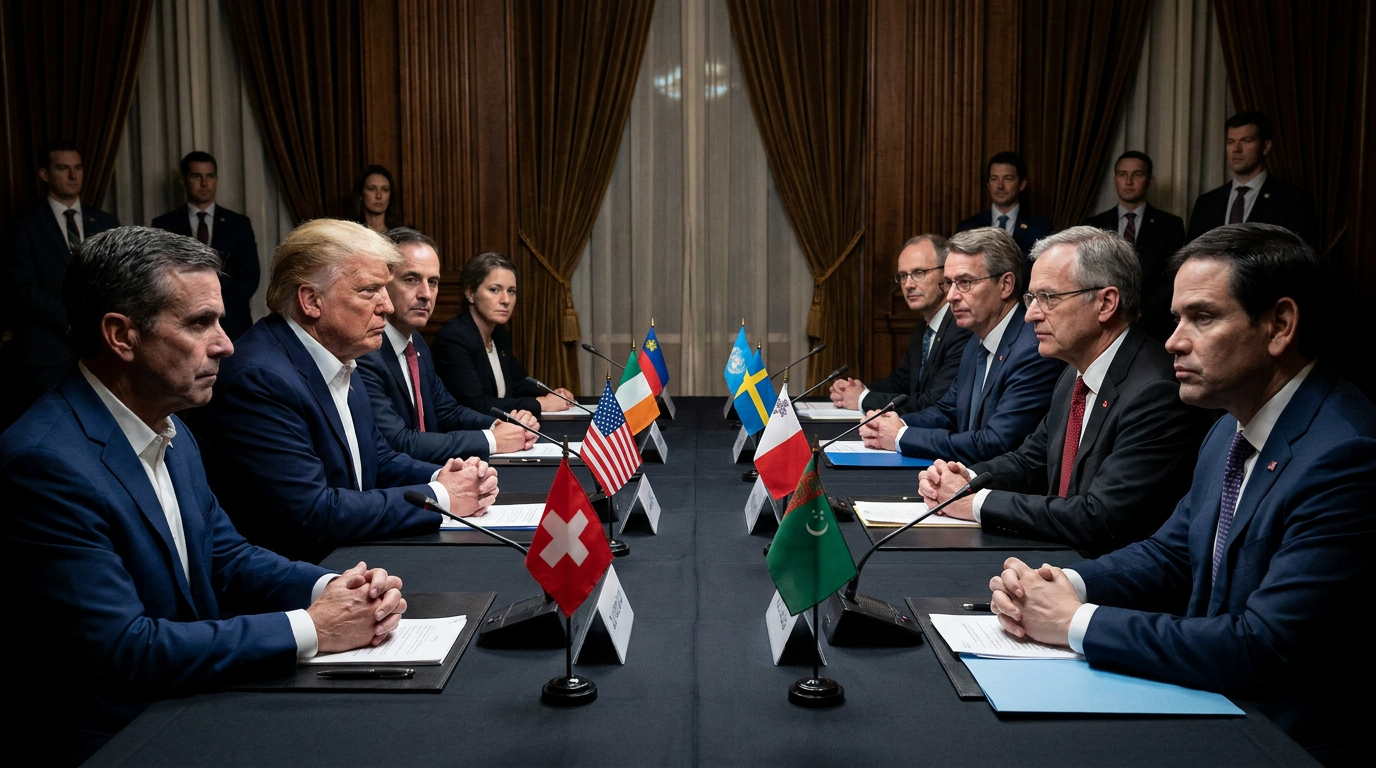
- US Administration
- Views the deal as a strict, performance-based mechanism to permanently neutralize Iran's nuclear threat.
- Iranian Leadership
- Frames the agreement as a strategic victory that breaks the US blockade and secures immediate financial relief.
- Israeli Defense Officials
- Refuses to be bound by the US-Iran terms and insists on maintaining military pressure on Hezbollah in Lebanon.
- Regional Mediators
- Focused on finalizing the text and preventing the conflict from permanently destabilizing global trade.
What's not represented
- · Lebanese Civilians
- · Global Shipping Companies
- · European Energy Importers
Why this matters
A finalized peace agreement would reopen the Strait of Hormuz—restoring a fifth of the world's oil supply and stabilizing global markets—but its ultimate success hinges on whether it can simultaneously defuse the escalating, intertwined conflict between Israel and Hezbollah in Lebanon.
The 106-day war between the United States and Iran appears to be reaching its final chapter. Following weeks of intense back-channel diplomacy mediated by Pakistan, officials from both Washington and Tehran signaled on Friday that a final text to end the conflict has been agreed upon.[1][8]
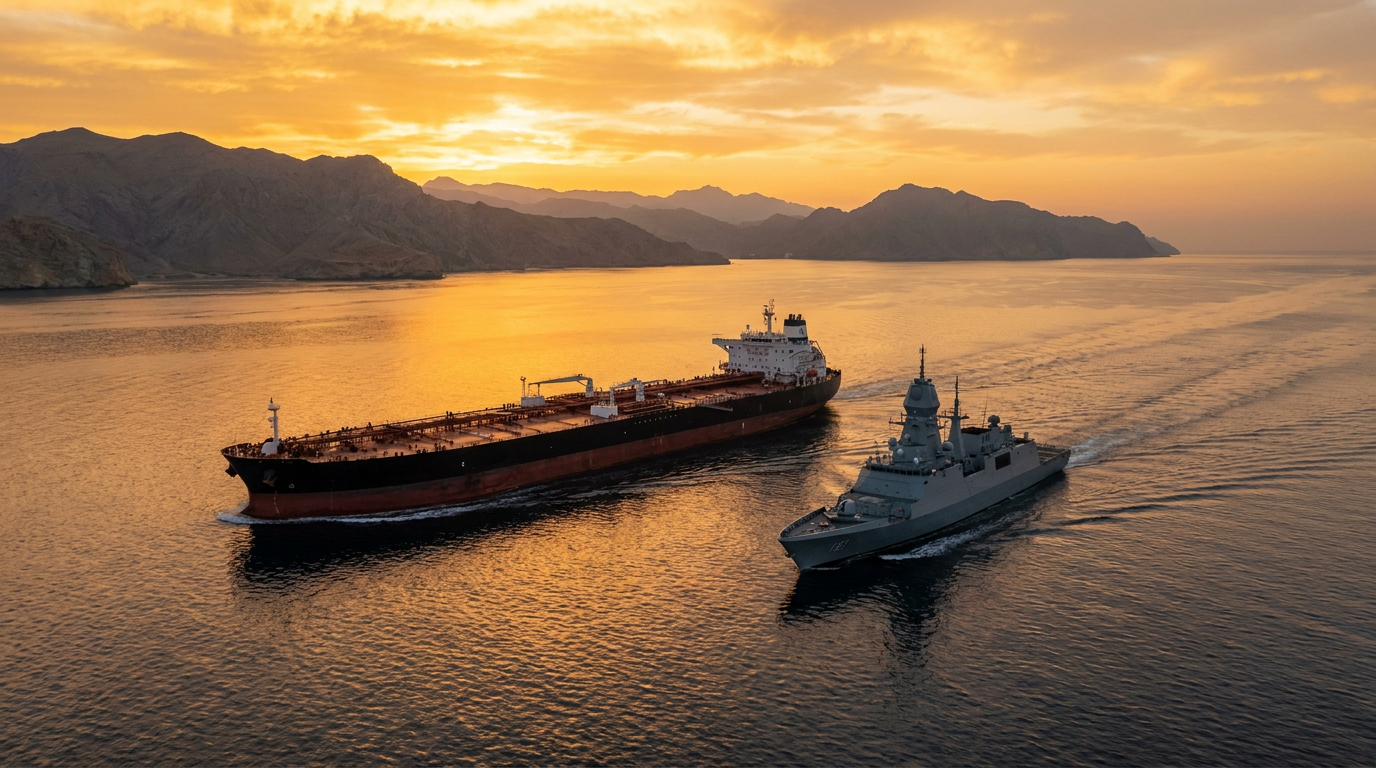
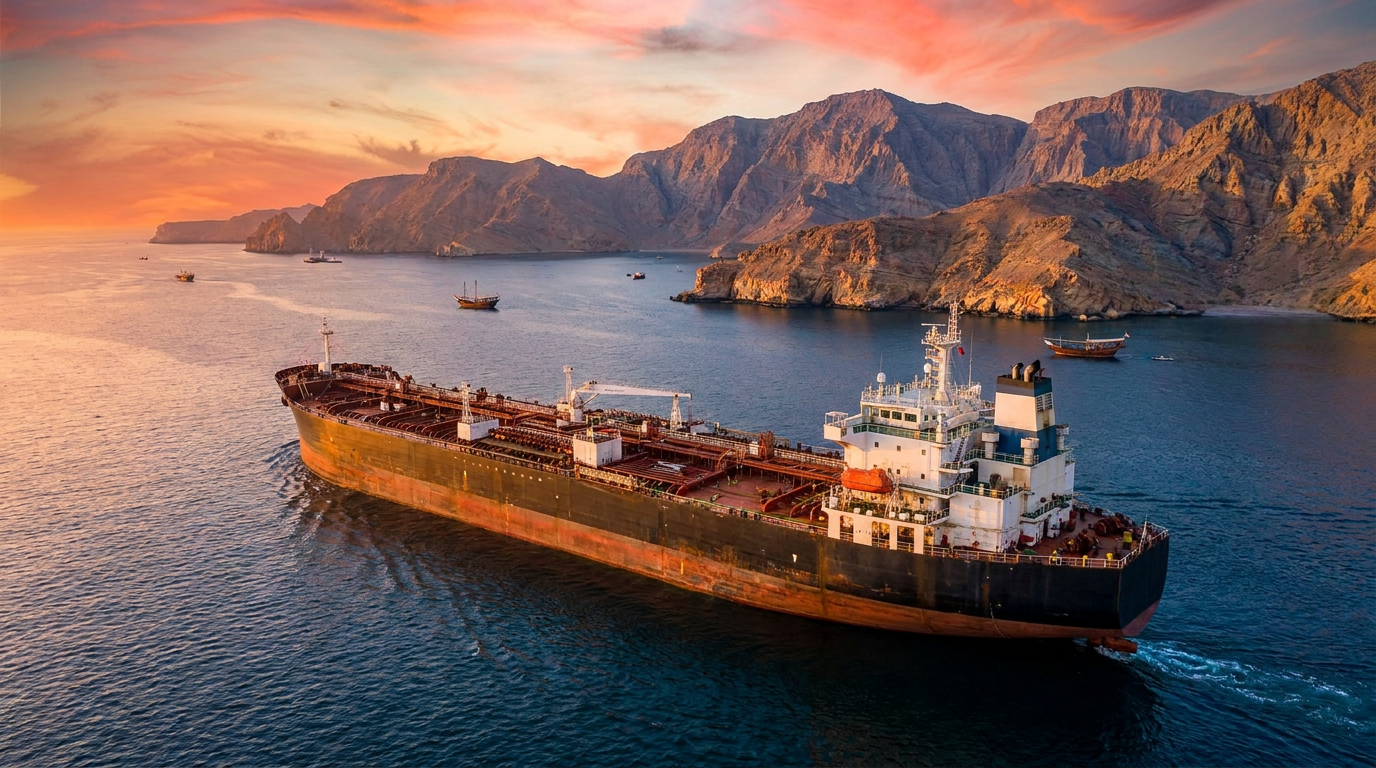
The stakes for the global economy and Middle Eastern stability are immense. The conflict, which erupted in late February following US and Israeli strikes on Iranian targets, effectively closed the Strait of Hormuz—a vital maritime choke point that historically handles one-fifth of the world's oil and gas supply.[7]

A senior US administration official briefed reporters that the White House is "80 to 85 percent" confident that an initial agreement will be signed in the coming days, with logistical preparations reportedly underway for a signing ceremony in Geneva.[3][8]
The core mechanism of the emerging deal rests on a phased, performance-based framework. According to US officials, the agreement mandates a 60-day ceasefire extension, during which Iran must begin dismantling its nuclear program and destroying its stockpiles of highly enriched uranium.[3][4]
Highly enriched uranium is nuclear material processed to a purity level capable of being used in atomic weapons. The US insists that Iran must permanently commit to never procuring or developing a nuclear weapon, moving beyond the 10- or 20-year sunset clauses of previous diplomatic efforts.[4]
In exchange for these verifiable steps, the United States would gradually lift its naval blockade on Iranian ports and begin unfreezing billions of dollars in Iranian assets, while Iran would allow commercial traffic to resume through the Strait of Hormuz.[3][7]
However, the exact sequencing of these concessions remains a fierce battleground of contested narratives. On Friday, Iranian state media leaked a purported 14-point draft of the memorandum of understanding, which painted a vastly different picture of the terms.[3]

The Iranian leak claimed the US had agreed to an immediate lifting of the naval blockade within 30 days and the upfront release of $24 billion in frozen assets before any nuclear negotiations conclude.[3]
Iranian Foreign Minister Abbas Araghchi took to state television to declare that Iran had emerged as the "winner of the war," asserting that the country would retain joint control over traffic through the Strait of Hormuz and that its leverage had only grown.[1][2]
US President Donald Trump swiftly dismissed the Iranian media reports as "fake news," stating on social media that the leaked terms had "nothing to do with the terms that were agreed to, in writing."[3]
US officials emphasize that the actual agreement is strictly conditional: Iran will receive economic benefits only after it demonstrates compliance with its nuclear obligations and ceases funding proxy militias across the region.[4][8]
The most volatile variable threatening to derail the agreement is the ongoing war in Lebanon. Iran has consistently demanded that any comprehensive ceasefire must include an end to Israeli military operations against Hezbollah, an Iranian-allied militia.[1][6]
The leaked Iranian draft explicitly calls for a "permanent and immediate ceasefire on all fronts, including Lebanon," framing the protection of its regional allies as a non-negotiable component of the peace deal.[3]
Israel, however, is not a party to the US-Iran negotiations and has forcefully rejected any terms that would constrain its military objectives on its northern border.[5][6]

Israeli Defense Minister Israel Katz stated on Friday that Israel will not withdraw from its designated "security zones" in southern Lebanon, where it has deployed ground forces and issued sweeping evacuation orders to push Hezbollah away from the Israeli border.[3][5]
When pressed on the Lebanon issue, US officials acknowledged that the broader regional peace agreement encompasses Lebanon, Israel, and the Gulf states, but stressed that it does not deprive Israel of its right to self-defense.[4][5]
If Hezbollah continues to fire rockets into Israel, Washington expects Israel to respond, placing the burden on Tehran to rein in its proxies if it wishes to secure the promised sanctions relief.[5]
Pakistani Prime Minister Shehbaz Sharif, whose government has taken the lead in mediating the talks, warned against efforts to sabotage the fragile consensus, noting that "peace has never been this close as it is now."[8]
As logistics are arranged for a potential signing ceremony—with US Air Force transport planes reportedly moving equipment to Europe for Vice President JD Vance—the world watches to see if the written text can survive the turbulent realities of the Middle East.[8]

How we got here
Late Feb 2026
The US and Israel launch strikes on Iranian targets; Iran responds with missile attacks and closes the Strait of Hormuz.
April 8, 2026
A fragile two-week ceasefire is brokered by Pakistan, temporarily pausing direct US-Iran hostilities.
May 2026
Israel expands its security zone in southern Lebanon, complicating regional ceasefire efforts.
June 11, 2026
US President Donald Trump calls off planned military strikes, citing progress toward a 'great settlement.'
June 12, 2026
US and Iranian officials confirm a final text has been agreed upon, though public disputes over the exact terms immediately emerge.
Viewpoints in depth
The US Administration's View
Washington frames the deal as a mechanism to permanently neutralize Iran's nuclear threat through strict compliance.
US officials emphasize that the emerging agreement is not a blank check, but a performance-based framework. They argue that Iran will only receive economic benefits—such as sanctions relief and the unfreezing of assets—after it takes verifiable steps to dismantle its nuclear infrastructure and destroy highly enriched uranium. The administration maintains that this deal achieves core US objectives, including securing the Strait of Hormuz, without abandoning Israel's right to self-defense against regional proxies.
The Iranian Leadership's View
Tehran portrays the agreement as a strategic victory that breaks the US naval blockade and secures immediate financial relief.
Iranian officials and state media are projecting strength, framing the 106-day conflict as a failure of US pressure. They point to leaked drafts suggesting the US has agreed to unfreeze $24 billion and lift the naval blockade within 30 days, before final nuclear negotiations conclude. Crucially, Iran insists that any comprehensive peace must include a cessation of Israeli military operations in Lebanon, viewing the protection of its Hezbollah allies as a non-negotiable component of regional stability.
Israeli Defense Officials
Israel refuses to be bound by the US-Iran terms and insists on maintaining military pressure on Hezbollah in Lebanon.
Israeli leaders are deeply skeptical of the diplomatic breakthrough, viewing any financial relief for Tehran as a direct subsidy for proxy militias. Defense Minister Israel Katz has explicitly stated that Israel will not withdraw from its security zones in southern Lebanon, regardless of what Washington and Tehran sign. Israel maintains that it is not a party to the agreement and retains full operational freedom to strike Hezbollah and prevent Iran from ever obtaining a nuclear weapon.
What we don't know
- Whether Israel will agree to scale back its operations in Lebanon to prevent the deal from collapsing.
- The exact sequencing of when Iranian assets will be unfrozen versus when nuclear dismantling must begin.
- Who will be responsible for physically removing or destroying Iran's highly enriched uranium.
Key terms
- Strait of Hormuz
- A narrow waterway between the Persian Gulf and the Gulf of Oman through which approximately one-fifth of the world's oil supply passes.
- Highly Enriched Uranium (HEU)
- Uranium that has been processed to a high concentration of the U-235 isotope, making it capable of being used in nuclear weapons.
- Naval Blockade
- A military operation in which ships are used to prevent vessels, goods, or people from entering or leaving a country's ports.
- Proxy Militia
- An armed group that acts on behalf of, or is funded by, a larger power—such as Hezbollah acting with support from Iran.
Frequently asked
Is the US-Iran war officially over?
Not yet. While both sides have reportedly agreed on a final text for a peace deal, the agreement has not been formally signed, and localized hostilities continue.
What happens to the Strait of Hormuz?
The proposed agreement includes provisions to reopen the Strait of Hormuz, a critical maritime choke point for global oil, in exchange for the US lifting its naval blockade on Iranian ports.
Will this deal stop the fighting in Lebanon?
This remains a major sticking point. Iran demands that the ceasefire apply to Lebanon, but Israel, which is not a party to the deal, insists it will continue military operations against Hezbollah.
Sources
Source coverage
8 outlets
4 viewpoints surfaced








[1]Al JazeeraIranian Leadership
Iran war day 106: US and Iran say deal close but Lebanon fighting continues
Read on Al Jazeera →[2]The New York TimesUS Administration
With a Deal Seemingly Close, the U.S. Faces an Iran More Willing to Withstand Pressure
Read on The New York Times →[3]CBS NewsUS Administration
What to know about the Iran war today
Read on CBS News →[4]TIMEUS Administration
Ceasefire Deal Within Reach, U.S. and Tehran Say
Read on TIME →[5]The Times of IsraelIsraeli Defense Officials
Deal with Iran 'includes Lebanon,' but Israel has right to self-defense — US official
Read on The Times of Israel →[6]The New ArabIsraeli Defense Officials
US and Iran signal deal is near; Israel issues sweeping displacement orders in Lebanon
Read on The New Arab →[7]Council on Foreign RelationsRegional Mediators
Six Key Issues That Could Shape a Ceasefire
Read on Council on Foreign Relations →[8]Anadolu AgencyRegional Mediators
US expects to sign agreement to end Iran war within 'next few days'
Read on Anadolu Agency →
More in news politics
See all 5 stories →Middle East Diplomacy
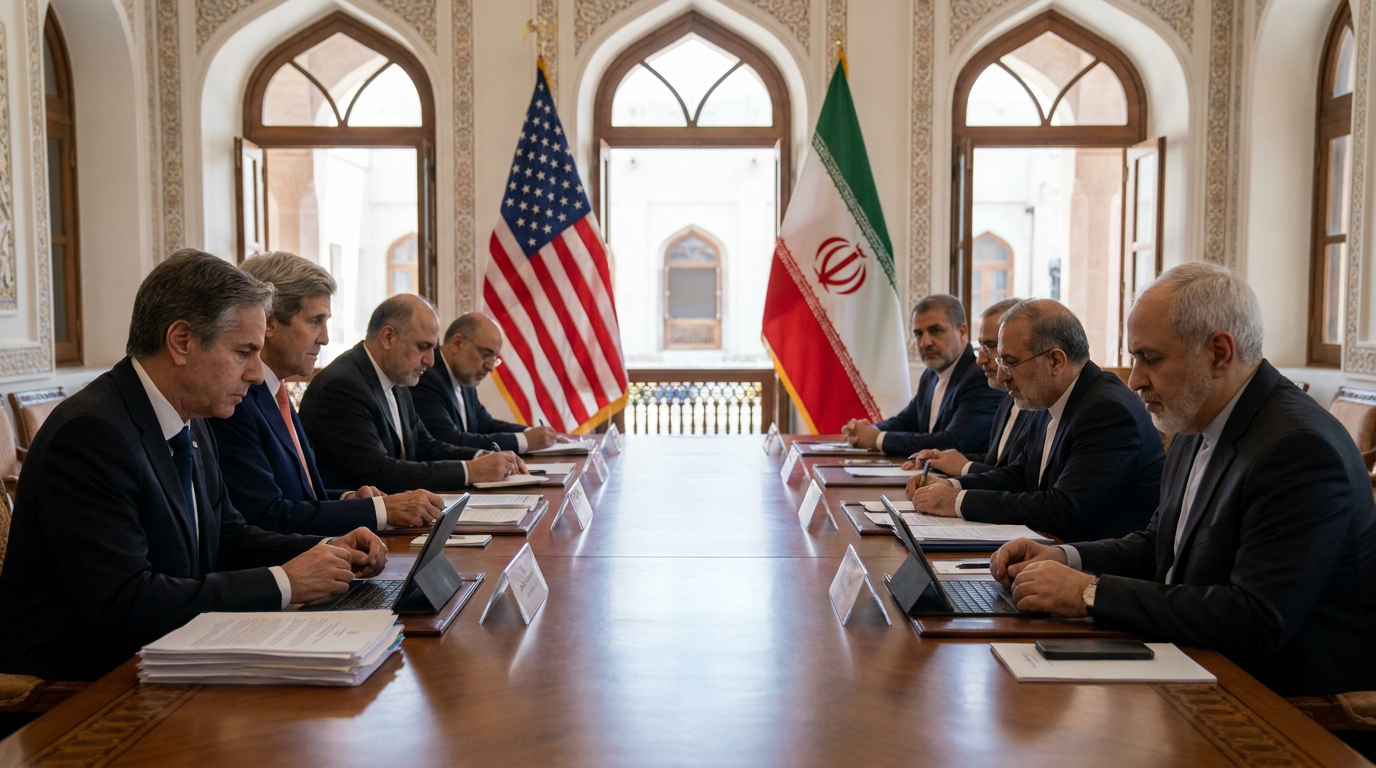
US and Iran Near Interim Agreement to Halt Hostilities: What the Deal Contains
0 sources
Union Contracts
House Passes Sweeping Labor Bill Mandating Strict Timelines for First Union Contracts
0 sources
US-Iran Deal
US and Iran on the Brink of Historic Interim Peace Agreement to End War
0 sources
Every angle. Every day.
Get news politics stories with full source coverage and perspective breakdowns delivered to your inbox.