
U.S. and Iran Reach Tentative Peace Deal to Reopen Strait of Hormuz and End War
The United States and Iran have agreed to a memorandum of understanding to end military operations, lift the U.S. naval blockade, and reopen the Strait of Hormuz. The deal, mediated by Pakistan and Qatar, establishes a 60-day ceasefire to negotiate Iran's nuclear program and the release of frozen assets.
By Factlen Editorial Team
- Western Diplomatic Observers
- Emphasize the strategic victory of reopening the Strait of Hormuz and the necessity of containing Iran's nuclear ambitions.
- Regional Stakeholders
- Focus on the comprehensive end to military operations across the Middle East, particularly the protection of Lebanon and unfreezing of assets.
- Maritime Industry
- Prioritize the physical safety of commercial vessels and the logistical timeline required to clear naval mines from the waterway.
What's not represented
- · Lebanese Civilians
- · Israeli Military Command
Why this matters
The agreement halts a devastating months-long conflict that choked off one-fifth of the world's oil supply and sent global energy prices skyrocketing. If the ceasefire holds, it will restore critical maritime trade and pause hostilities across the Middle East, though the hardest negotiations over nuclear enrichment and sanctions remain unresolved.
Key points
- The U.S. and Iran have agreed to an interim peace deal to end the war that began in February 2026.
- The agreement lifts the U.S. naval blockade on Iranian ports and reopens the Strait of Hormuz to commercial shipping.
- A 60-day ceasefire will allow for complex negotiations over Iran's nuclear program and the release of frozen assets.
- The deal calls for an end to hostilities on all fronts, including Lebanon, though Israel has signaled reluctance to withdraw its forces.
- An official signing ceremony is scheduled for Friday, June 19, in Geneva, Switzerland.
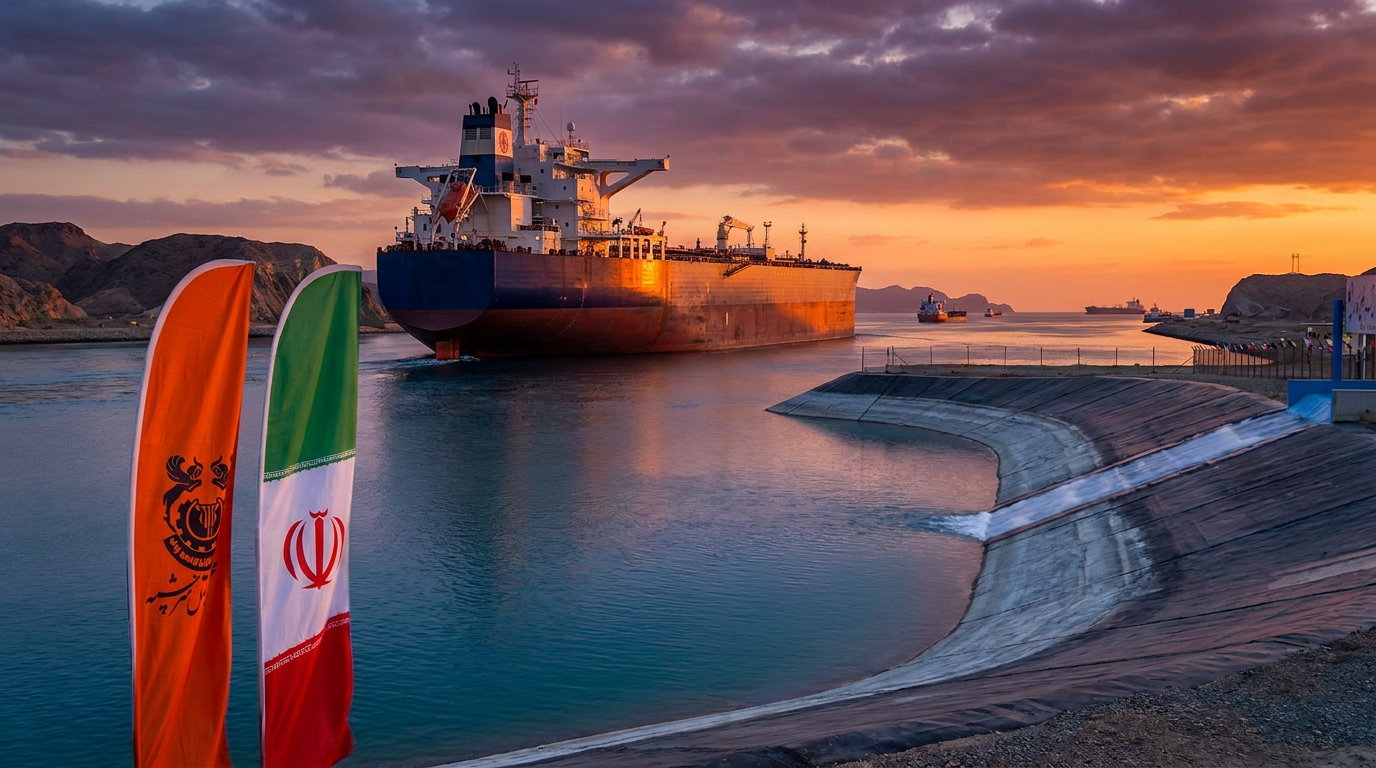
The United States and Iran have reached a tentative memorandum of understanding to halt the devastating war that has gripped the Middle East since February. Mediated by Pakistan and Qatar, the breakthrough agreement establishes a 60-day ceasefire, lifts the U.S. naval blockade on Iranian ports, and paves the way for the reopening of the Strait of Hormuz. The diplomatic milestone promises to ease a historic global energy crisis, though officials caution that the most intractable disputes remain unresolved.[1][8]
The announcement came over the weekend, culminating months of back-channel negotiations. Pakistani Prime Minister Shehbaz Sharif, whose government served as the primary facilitator, confirmed that both sides had agreed to the immediate and permanent termination of military operations on all fronts. An official signing ceremony is scheduled for Friday, June 19, in Geneva, Switzerland, where delegations will formalize the 14-point framework.[2][8]
U.S. President Donald Trump hailed the agreement as a definitive victory, taking to social media to declare the deal complete. Trump announced the immediate removal of the U.S. naval blockade, which had been imposed in retaliation for Iranian attacks on shipping, and authorized the toll-free opening of the Strait of Hormuz. "Ships of the World, start your engines. Let the oil flow!" the president wrote, eager to deliver economic relief ahead of the November midterm elections.[1][2][5]
In Tehran, officials confirmed the finalization of the text but maintained a guarded posture. Iranian Deputy Foreign Minister Kazem Gharibabadi stated that the agreement would not be implemented until the formal signing and emphasized that the memorandum was drafted in an atmosphere of continued distrust. For Iran's newly consolidated leadership under Ayatollah Mojtaba Khamenei, the deal offers a crucial lifeline to an economy suffocated by war and sanctions.[1][2]

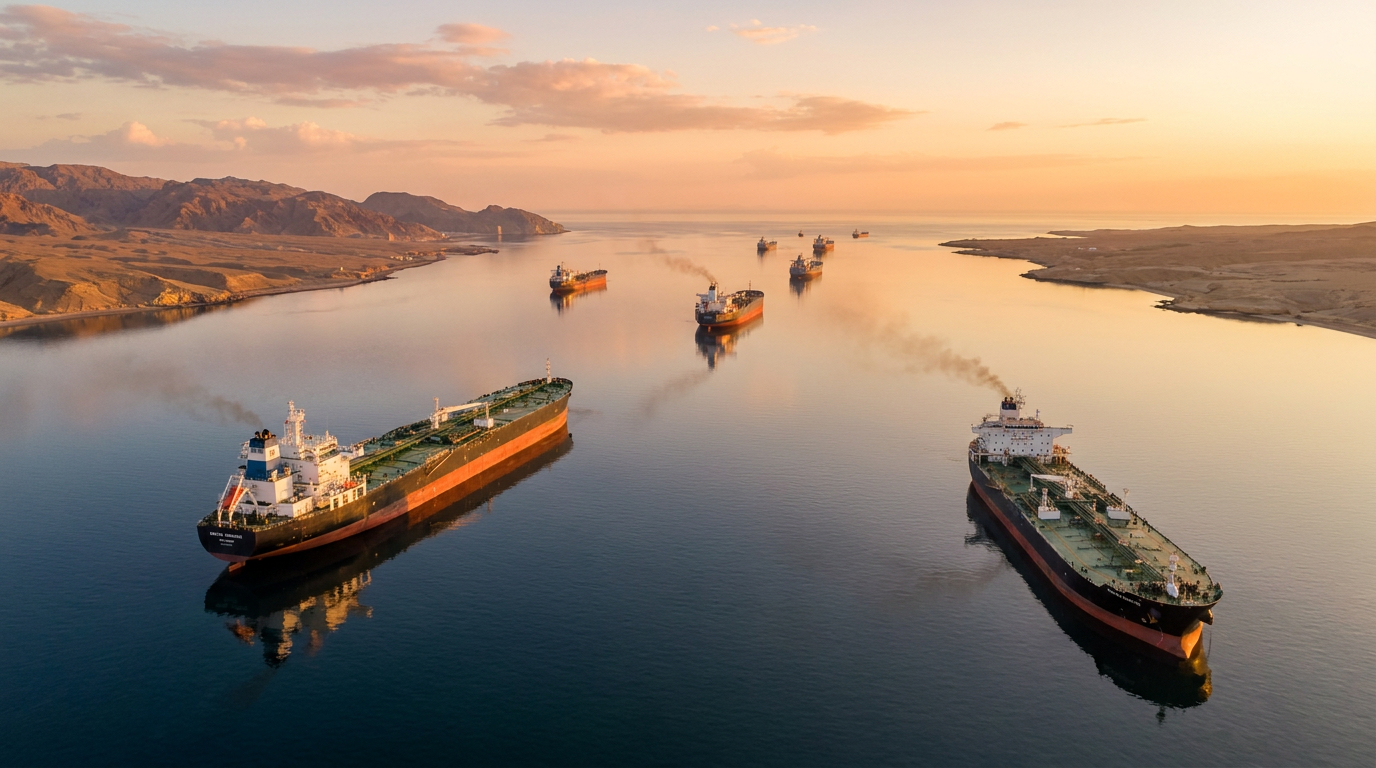
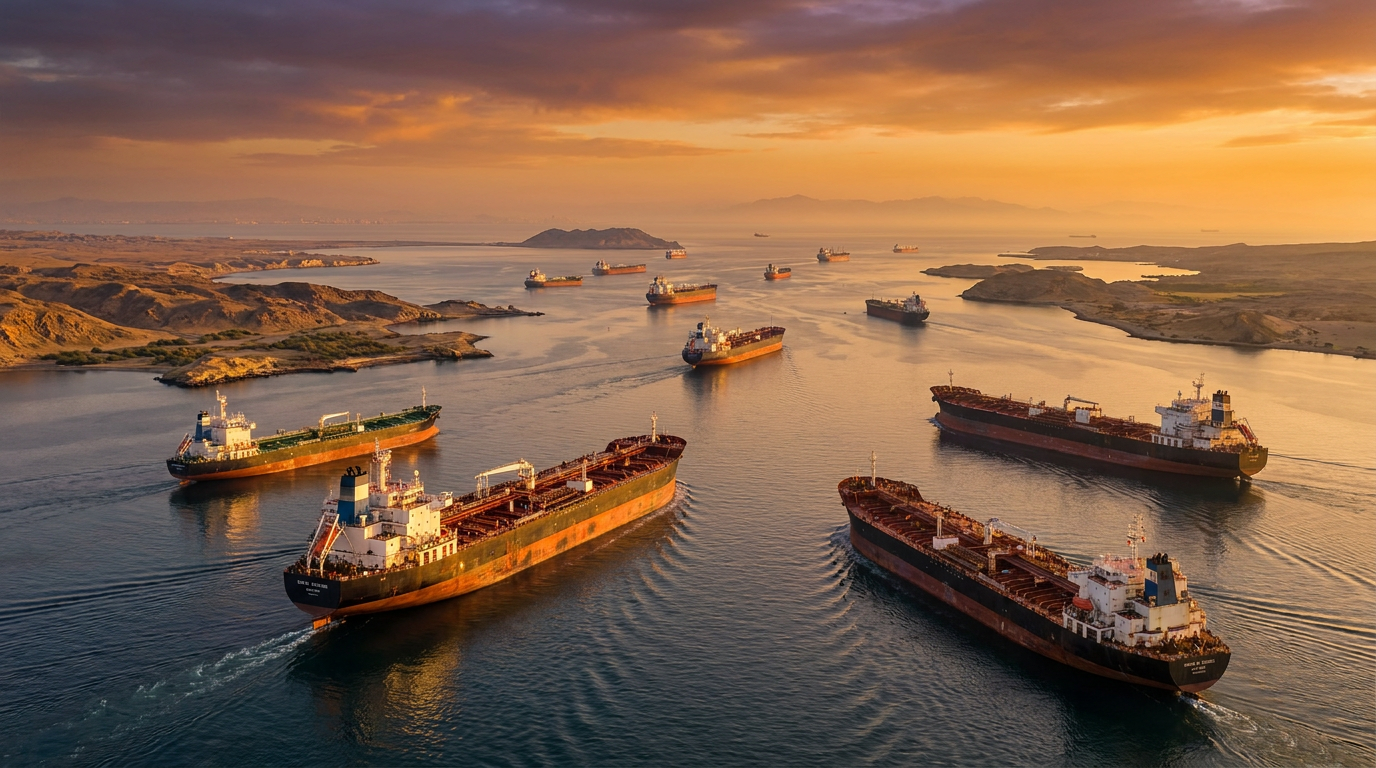
The immediate global impact centers on the Strait of Hormuz, a maritime chokepoint that normally handles one-fifth of the world's traded oil. The waterway's closure sent energy prices skyrocketing and forced hundreds of vessels to idle in the Persian Gulf. Following the announcement, global oil and natural gas prices slumped as markets priced in the return of Iranian supply and the resumption of safe transit.[3][4]
The immediate global impact centers on the Strait of Hormuz, a maritime chokepoint that normally handles one-fifth of the world's traded oil.
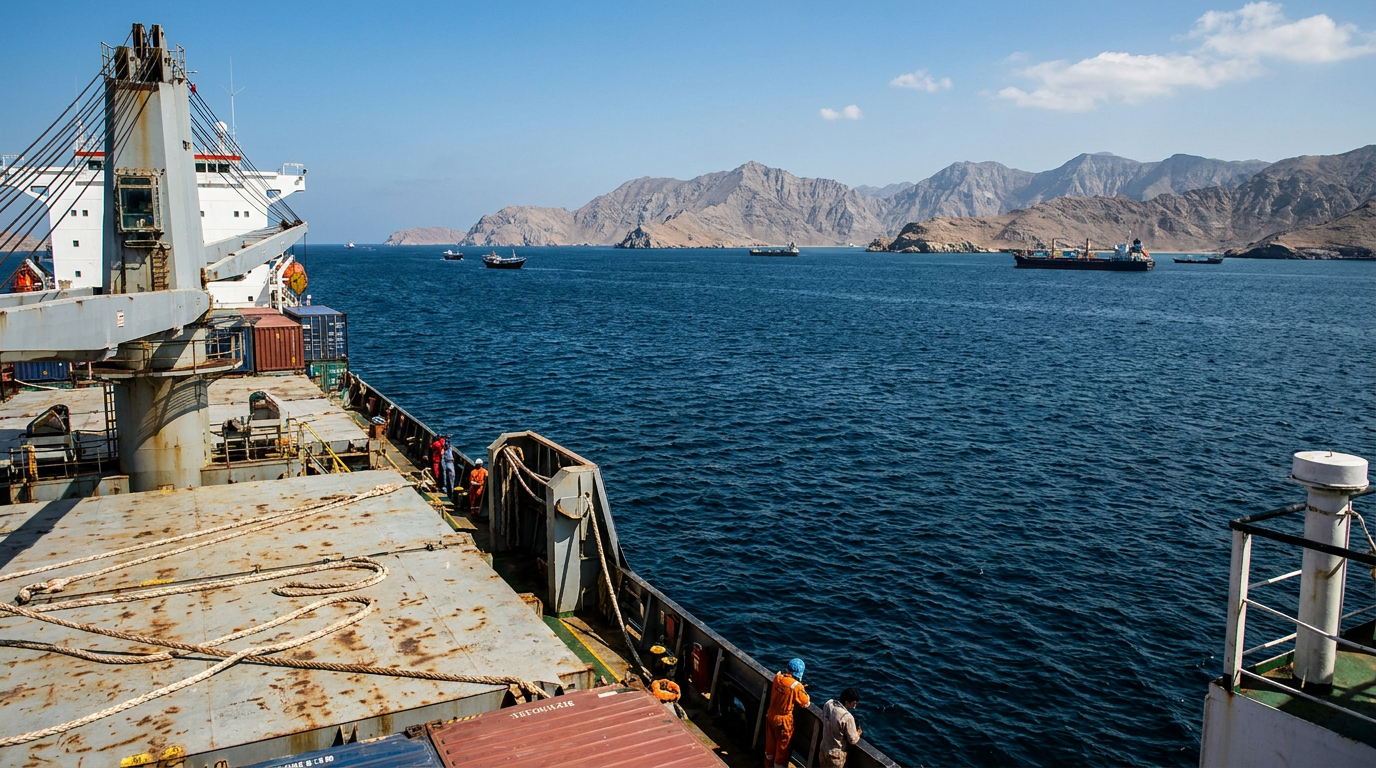
However, the global shipping industry warned that a return to normalcy will not happen overnight. The Joint Maritime Information Center maintained its severe threat level on Monday, advising mariners not to attempt crossings until explicit security directives are issued. Maritime organizations note that clearing naval mines laid during the conflict and coordinating the backlog of commercial traffic could take up to 30 days.[7]
Beyond maritime trade, the memorandum's most fragile component is its ambitious scope, which mandates a halt to hostilities across all regional fronts. This explicitly includes Lebanon, where Israel has been conducting a fierce military campaign against the Iran-backed militant group Hezbollah. Iranian Foreign Ministry spokesman Esmaeil Baqaei emphasized that establishing a ceasefire in Lebanon is an integral part of the comprehensive understanding, warning that no deal will be sustainable without guarantees for Lebanese security.[6]
Yet, the ceasefire's application to Lebanon threatens to become an immediate flashpoint. Israeli Prime Minister Benjamin Netanyahu reportedly informed the Trump administration that Israel does not consider itself bound by the Lebanon-related provisions and will not withdraw its troops from southern Lebanon. Israel's insistence on dismantling Hezbollah's military infrastructure runs directly counter to Iran's demand for a comprehensive regional truce.[2]
The memorandum also defers the core catalyst of the conflict—Iran's nuclear program—to a 60-day negotiation window that will commence after Friday's signing. The U.S. aims to secure verifiable commitments that Iran will permanently dismantle its highly enriched uranium stockpiles and abandon any pathway to a nuclear weapon. Iran, which has consistently denied seeking a bomb, insists that its civilian nuclear rights be respected under the Non-Proliferation Treaty.[1][4]

Economic relief remains a similarly contentious sticking point. Iranian state media reported that the deal guarantees the unfreezing of $24 billion in overseas assets, with Tehran demanding $12 billion upfront before the 60-day technical talks begin. U.S. officials, however, have pushed back against this timeline, asserting that no funds will be released until Iran demonstrates verifiable compliance with the initial ceasefire terms.[4]
Despite these looming hurdles, the international community has rallied behind the interim accord. A joint statement from G7 leaders, including the UK, France, and Germany, warmly welcomed the diplomatic breakthrough, calling it a moment of opportunity to restore regional stability and stabilise the global economy. The European nations pledged to support mine clearance operations to ensure the unrestricted freedom of navigation.[3]

As delegations prepare to travel to Doha for preparatory meetings ahead of the Geneva signing, the Middle East stands at a precarious crossroads. The memorandum of understanding has successfully pulled the United States and Iran back from the brink of total war, but transforming this 60-day pause into a durable, comprehensive peace treaty will require navigating decades of entrenched hostility.[1][2]
How we got here
February 2026
War breaks out, leading to the closure of the Strait of Hormuz and a U.S. naval blockade of Iran.
April 2026
Initial direct peace talks in Islamabad fail to produce a breakthrough.
June 14, 2026
Pakistani and U.S. officials announce a finalized memorandum of understanding.
June 15, 2026
Iran confirms the text is finalized; global oil prices begin to fall.
June 19, 2026
Scheduled official signing ceremony in Geneva, Switzerland.
Viewpoints in depth
U.S. & Western Perspective
Focusing on the strategic victory of reopening the Strait of Hormuz and containing Iran's nuclear ambitions.
For the United States and its Western allies, the primary objective of the memorandum is restoring the flow of global energy and securing a definitive halt to Iran's nuclear program. U.S. officials view the lifting of the naval blockade as a calculated concession that forces Tehran to the negotiating table from a position of economic weakness. The 60-day window is seen as a strict probationary period where Iran must prove its willingness to dismantle its highly enriched uranium stockpiles before any permanent sanctions relief is granted.
Iranian & Regional Perspective
Framing the deal as a necessary economic lifeline while demanding comprehensive security guarantees across the Middle East.
Iran and its regional allies approach the agreement with deep skepticism, viewing the U.S. commitments through a lens of historical distrust. For Tehran, the immediate unfreezing of billions in overseas assets and the lifting of the naval blockade are non-negotiable prerequisites for further diplomacy. Furthermore, regional stakeholders emphasize that the ceasefire must genuinely apply to all fronts—most notably Lebanon—arguing that any continued Israeli military operations against Hezbollah would render the entire peace framework void.
Maritime Industry Perspective
Prioritizing the physical safety of commercial vessels and the logistical realities of clearing the waterway.
While politicians celebrate the immediate reopening of the Strait of Hormuz, the global shipping industry remains highly cautious. Maritime security organizations stress that a political declaration does not instantly remove the physical dangers of naval mines or the threat of sudden boardings. Industry leaders are demanding coordinated international mine-clearance operations and explicit safety guarantees before risking billions of dollars in commercial vessels and the lives of thousands of seafarers in the narrow chokepoint.
What we don't know
- Whether Israel will comply with the ceasefire provisions regarding its military operations against Hezbollah in Lebanon.
- The exact sequencing of sanctions relief and whether the U.S. will unfreeze $12 billion in Iranian assets upfront.
- How the two nations will resolve the core dispute over Iran's uranium enrichment during the 60-day negotiation window.
Key terms
- Strait of Hormuz
- A vital maritime chokepoint between the Persian Gulf and the Gulf of Oman, through which roughly 20% of the world's oil passes.
- Memorandum of Understanding (MoU)
- A formal agreement outlining the framework and initial commitments before a final, comprehensive treaty is signed.
- Naval Blockade
- A military operation that prevents commercial and military vessels from entering or leaving a country's ports.
Frequently asked
When will the Strait of Hormuz reopen?
President Trump authorized its immediate reopening, but the shipping industry warns it will take weeks to clear mines and safely resume normal traffic.
Does this deal end Iran's nuclear program?
Not yet. The agreement defers the complex issue of uranium enrichment to a 60-day negotiation period following the ceasefire.
How does this affect the war in Lebanon?
The deal calls for an end to military operations on all fronts, including Lebanon, but Israeli officials have indicated they may not withdraw their troops.
Sources
Source coverage
8 outlets
3 viewpoints surfaced








[1]The Washington PostWestern Diplomatic Observers
A tentative deal is reached to end the Iran war and Trump orders a stop to the US naval blockade
Read on The Washington Post →[2]CBS NewsWestern Diplomatic Observers
Trump says U.S. deal with Iran 'is now complete,' authorizes removal of Navy blockade of Strait of Hormuz
Read on CBS News →[3]Al JazeeraRegional Stakeholders
World reacts as Iran and US reach tentative deal to end war
Read on Al Jazeera →[4]The GuardianWestern Diplomatic Observers
US-Iran peace deal hinges on shipping, sanctions relief and deferred nuclear talks
Read on The Guardian →[5]TIMEWestern Diplomatic Observers
Trump Says U.S. and Iran Reach Deal to End War
Read on TIME →[6]Anadolu AgencyRegional Stakeholders
No deal with US will be sustainable 'without comprehensive guarantee of Lebanon's security': Iran
Read on Anadolu Agency →[7]gCaptainMaritime Industry
Shipping Industry Welcomes Iran Deal But Warns Strait of Hormuz Reopening Will Take Time
Read on gCaptain →[8]The HinduRegional Stakeholders
U.S., Iran reach deal to stop fighting, open Hormuz
Read on The Hindu →
More in news politics
See all 6 stories →Strait of Hormuz
US and Iran Sign Preliminary Agreement to Halt War and Reopen Strait of Hormuz
0 sources
Strait of Hormuz
US and Iran Reach Preliminary Deal to Extend Ceasefire and Reopen Strait of Hormuz
0 sources
Strait of Hormuz
U.S. and Iran Reach Deal to End War and Reopen Strait of Hormuz, Sidelining Israel
0 sources
Strait of Hormuz
US and Iran Reach Interim Deal to End 15-Week War and Reopen Strait of Hormuz
0 sources
Every angle. Every day.
Get news politics stories with full source coverage and perspective breakdowns delivered to your inbox.